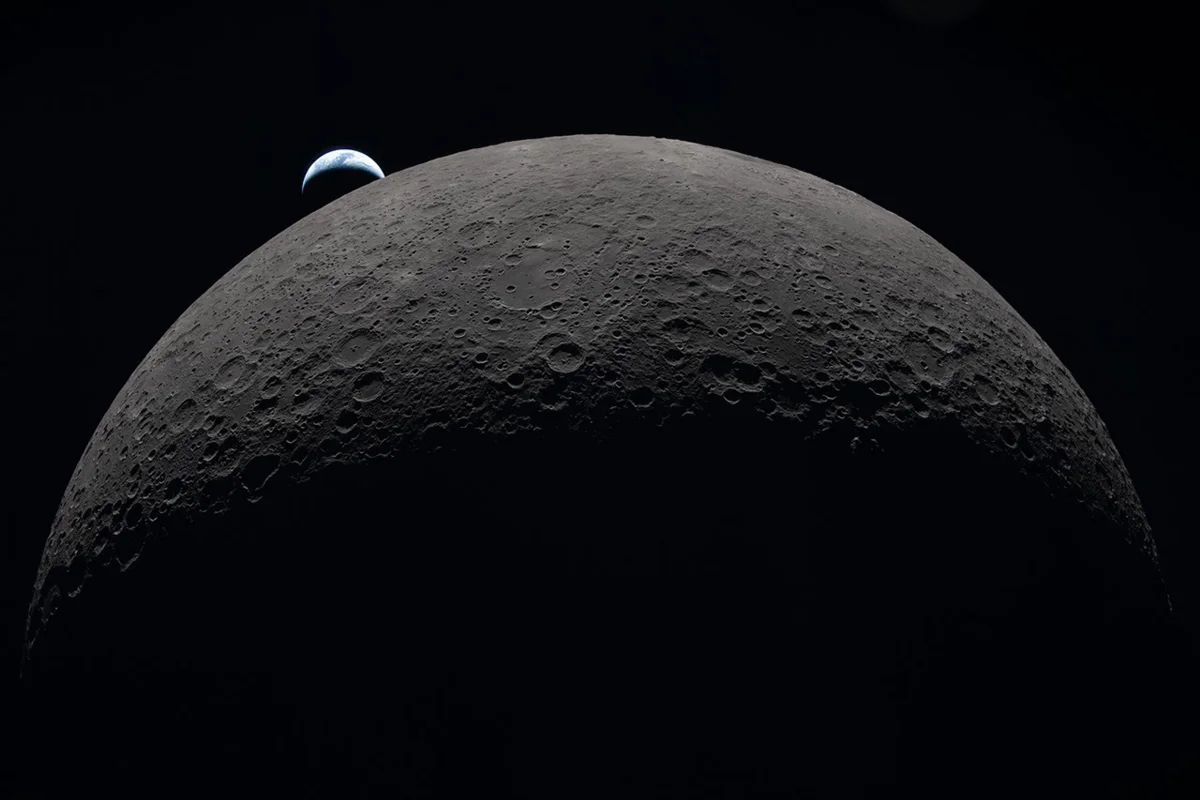
Microbes from Earth could survive on parts of the Moon for at least a week, a discovery that suggests that the lunar surface is not as hostile as previously assumed and has implications for upcoming human missions, reports a study published on Wednesday in Sciences Advances.
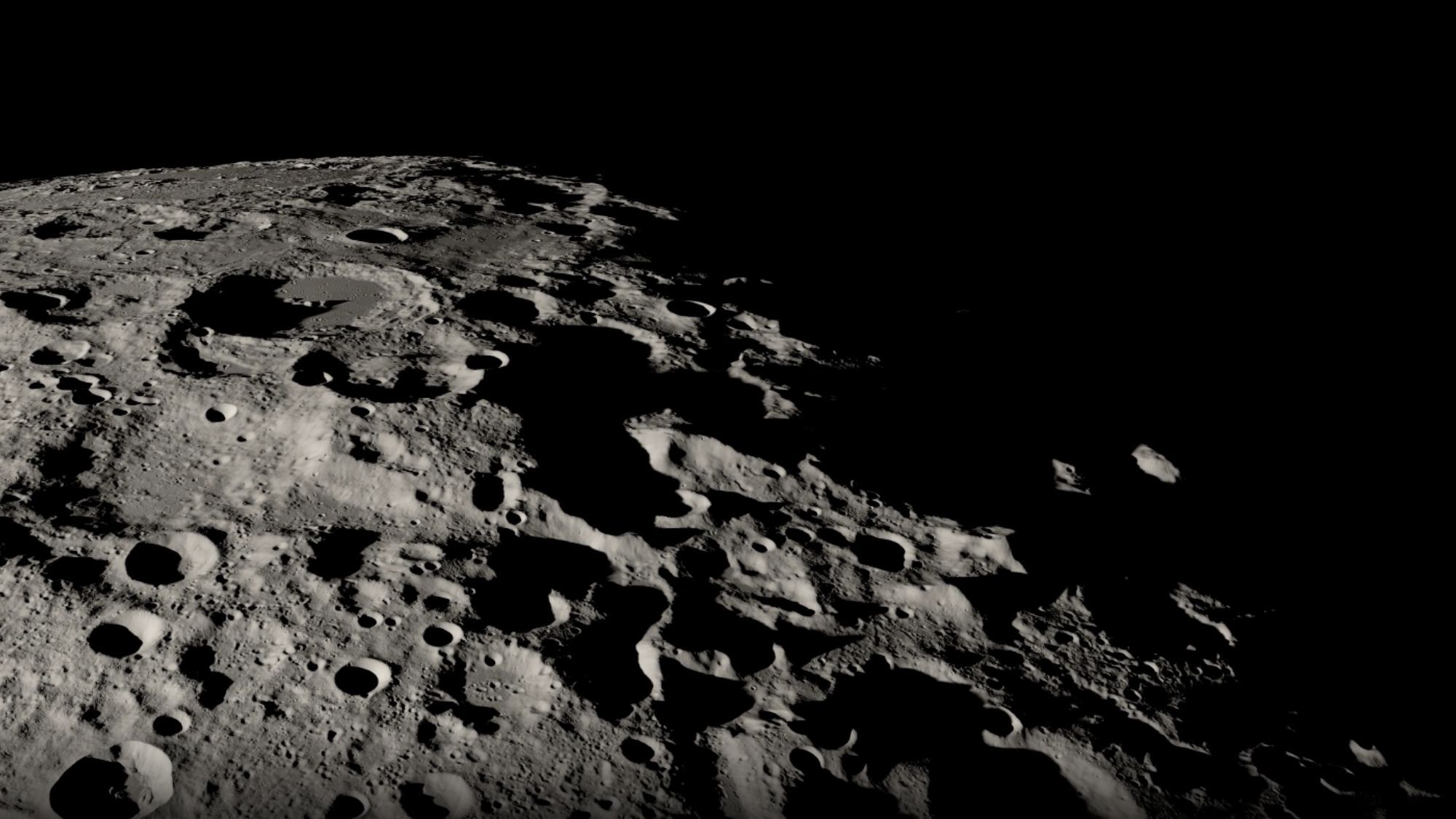
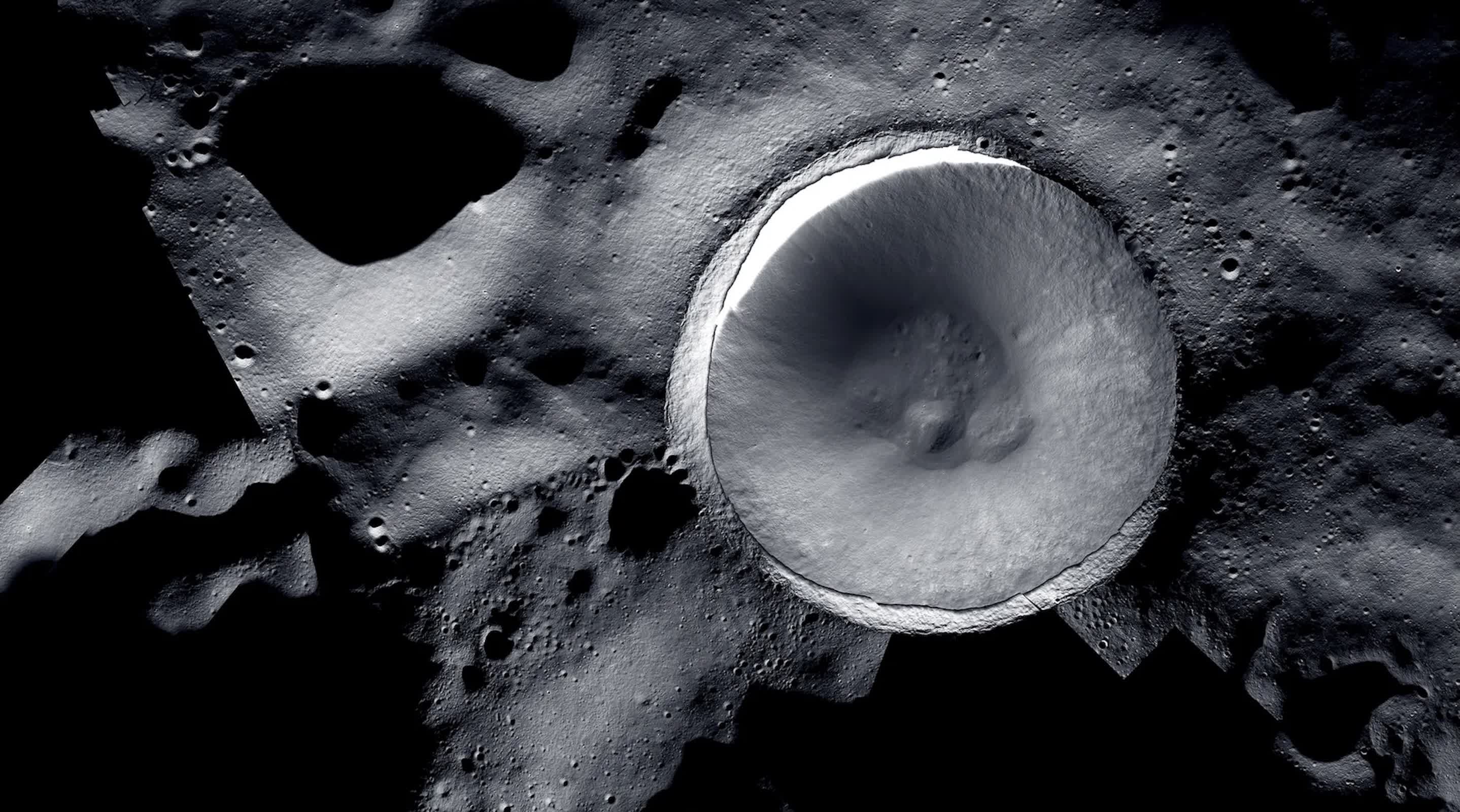
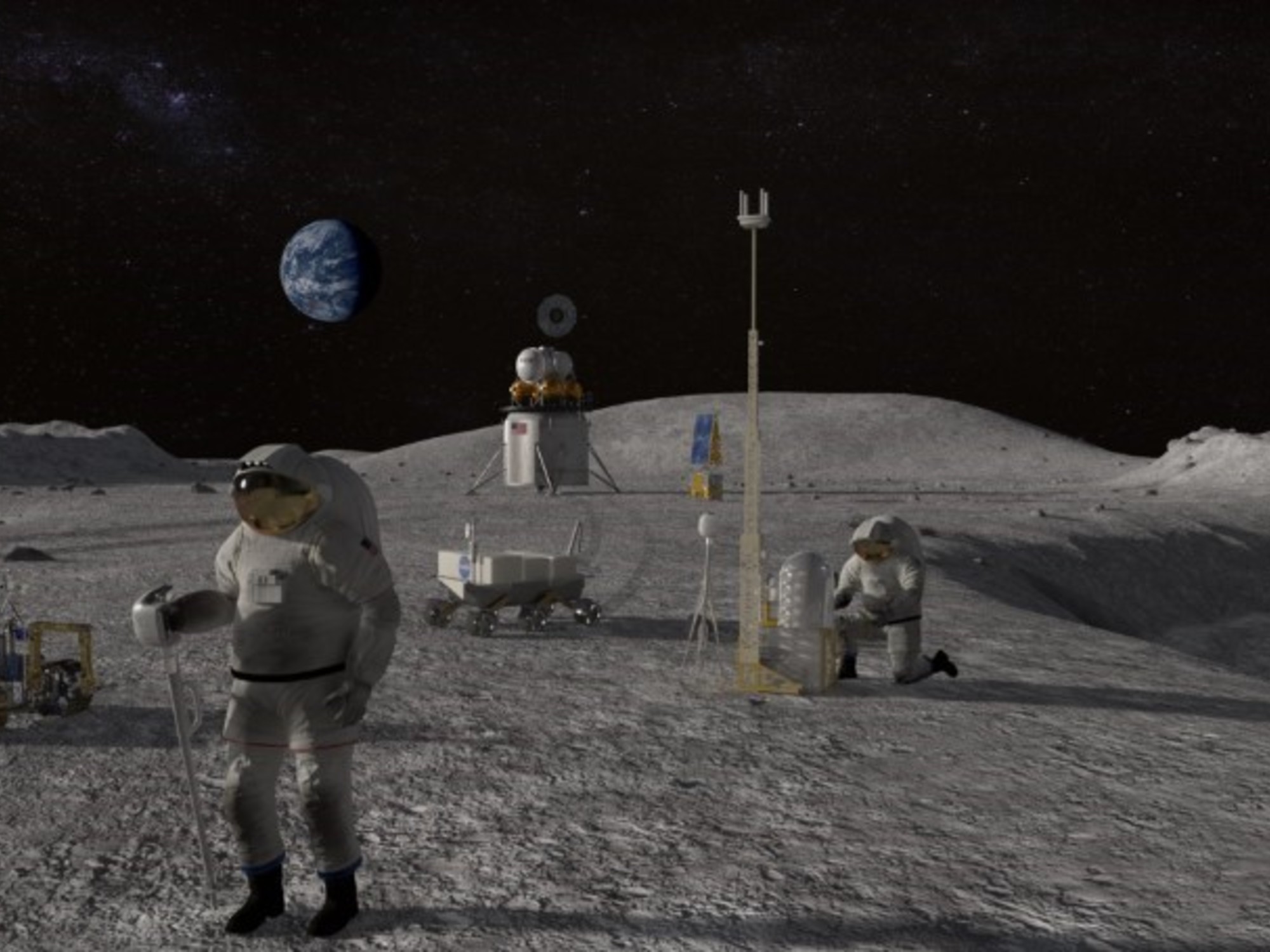
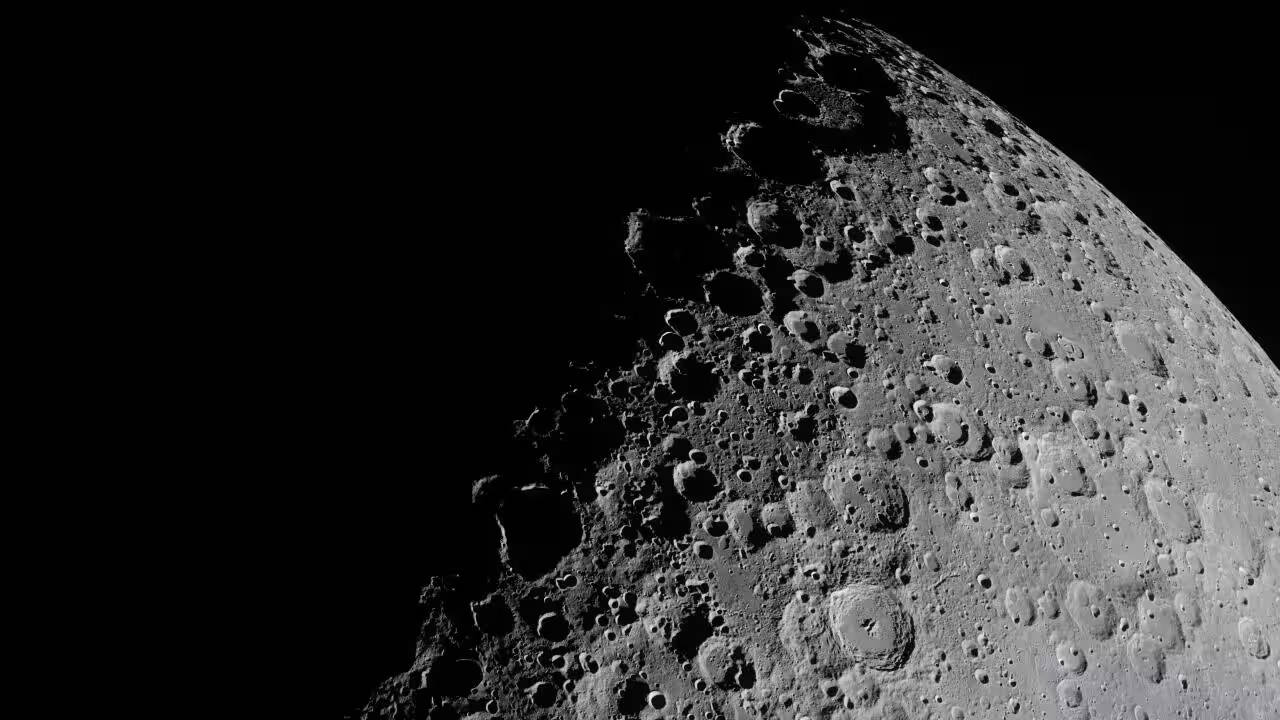
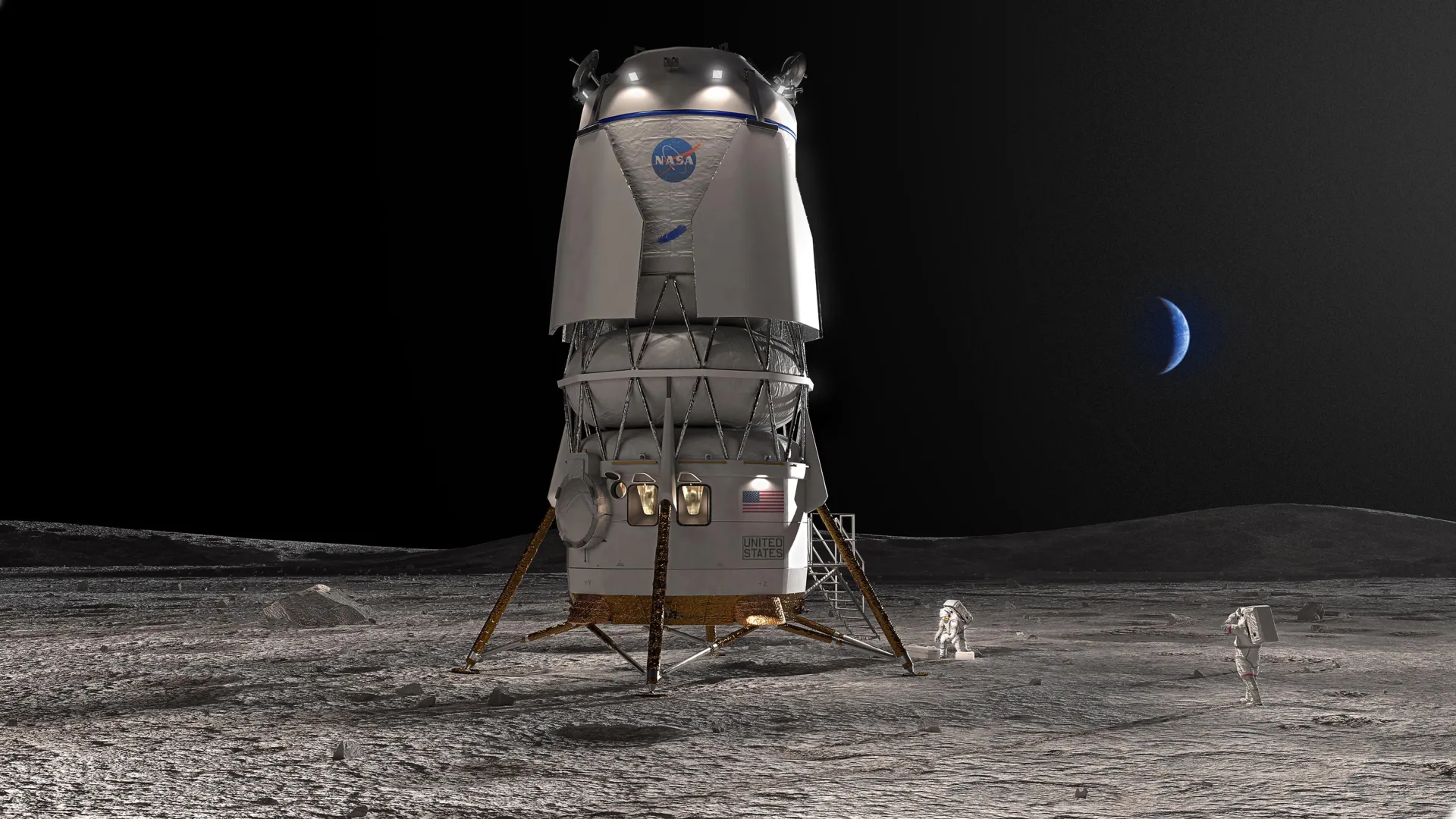
Astronauts haven’t walked on the Moon since the Apollo era, but that may change soon. The US-led Artemis program and a Chinese-Russian space partnership both aim to land crews on the lunar south pole during the 2030s. This polar region has been selected because it contains water ice in permanently shadowed regions, which is an essential resource for life support and other mission operations.
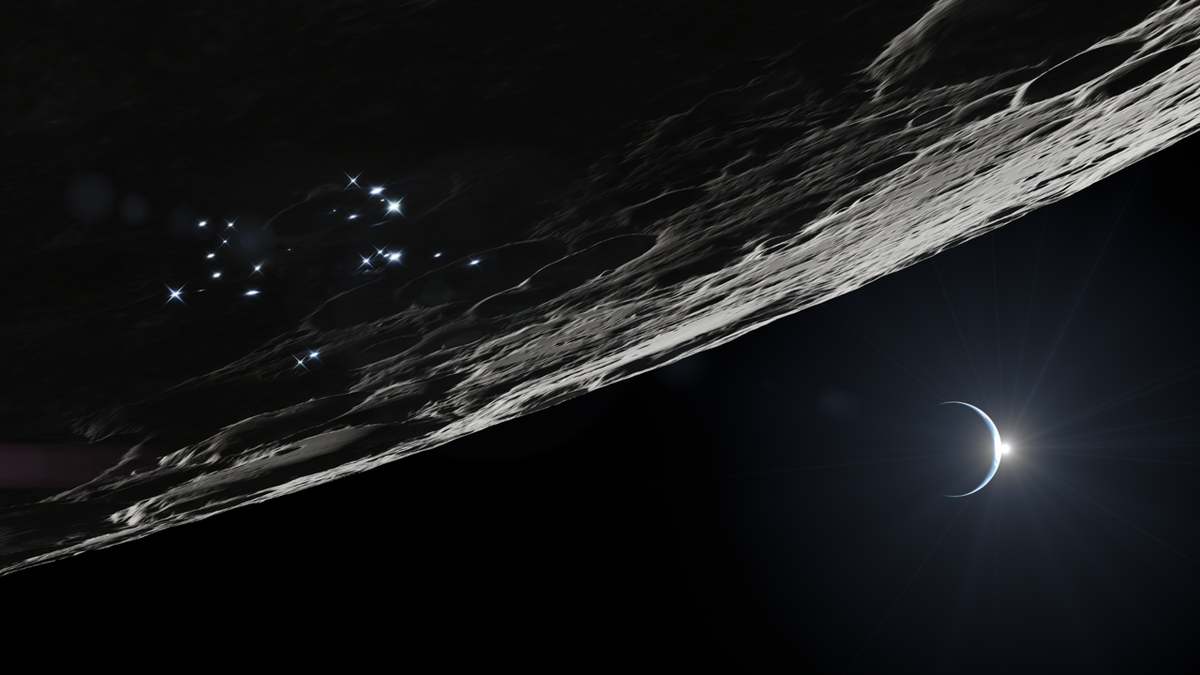
Whereas most of the Moon appears to be inhospitable due to extreme temperatures and intense radiation, these shady polar spots are sheltered from harmful ultraviolet light. To assess how long life could survive there, a team analyzed the region’s topography and surface conditions and compared it with the survival bounds of common earthly microbes. The results revealed that “significant lunar polar areas likely have surface conditions amenable to microbial survival,” according to their study.
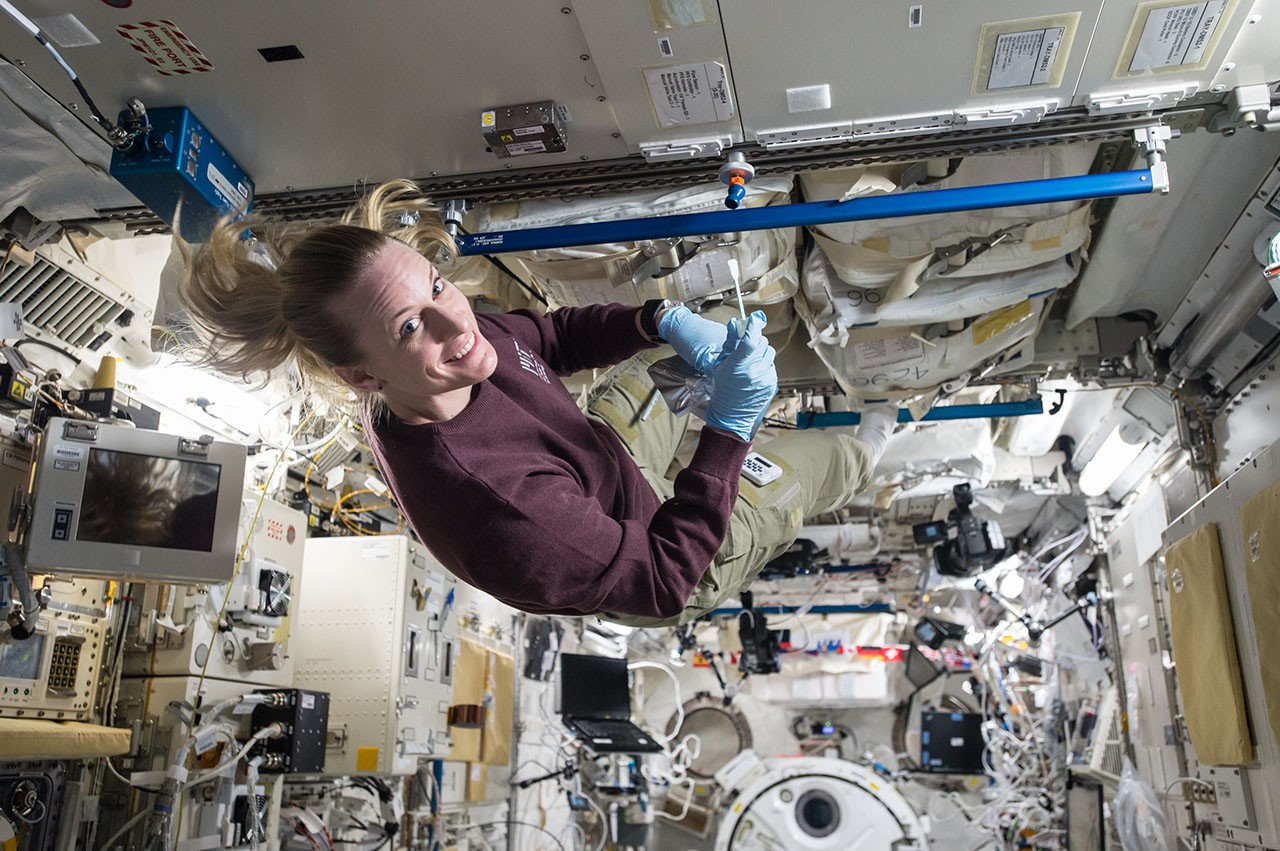
“Recent studies have shown how unique the conditions are on the surface of the lunar poles and we realized that it was worth studying how amenable those might be to survival for certain microbes, particularly in the context of recent work on how hardy some bacteria and fungi are when exposed to space conditions,” said Prabal Saxena, a research space scientist at NASA Goddard Space Flight Center who led the study, in an email to 404 Media.