Serving tech enthusiasts for over 25 years.
TechSpot means tech analysis and advice you can trust.
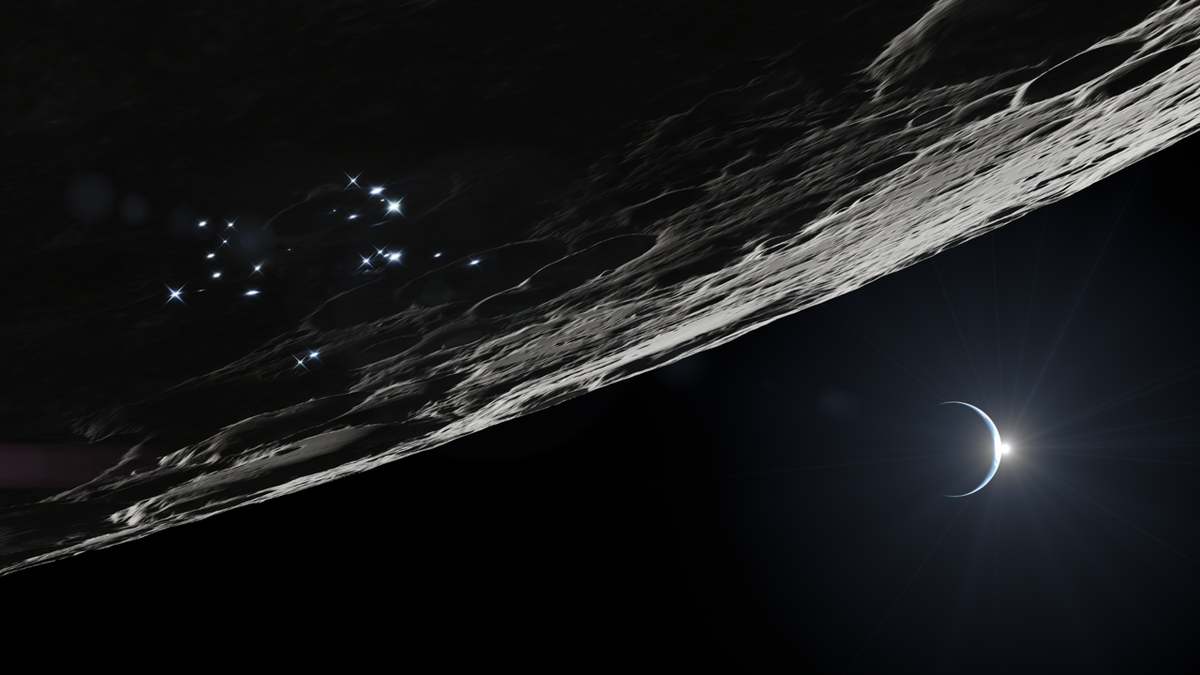
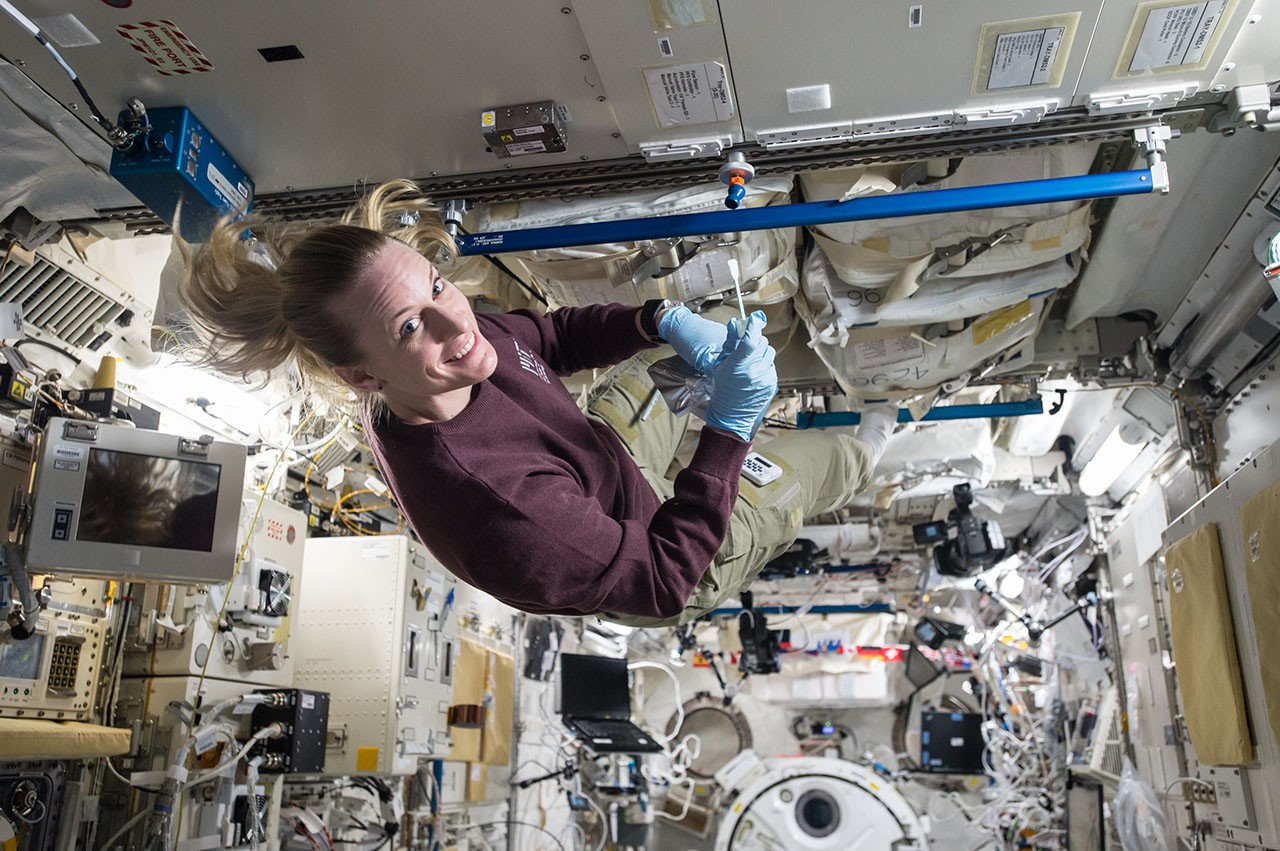
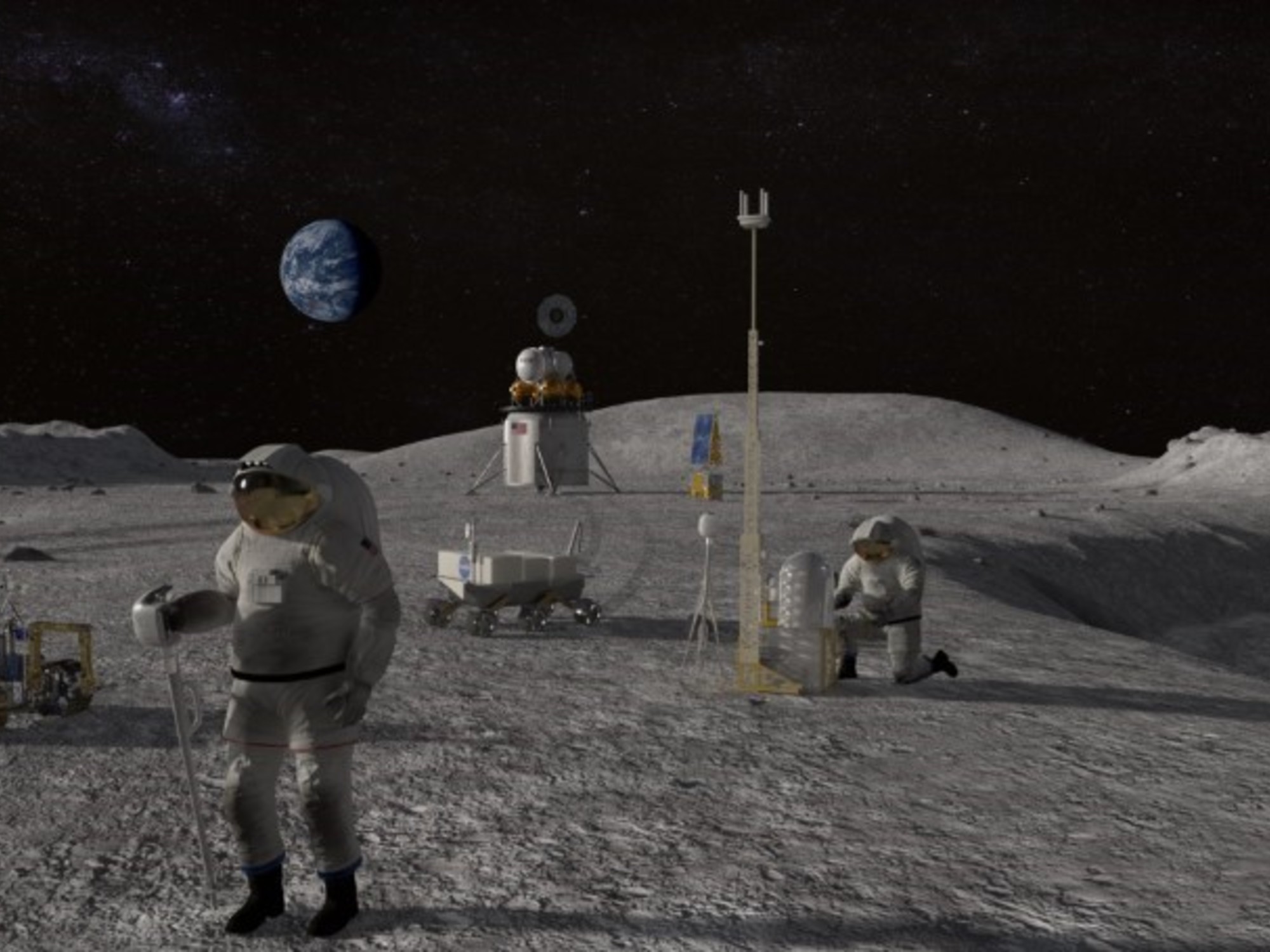
In a nutshell: NASA researchers have identified areas near the Moon's south pole where microbes from Earth could survive for days, raising new concerns about contamination as future lunar missions approach. The finding challenges the assumption that the lunar surface is uniformly hostile to terrestrial life, particularly as human exploration increasingly shifts toward the polar region.
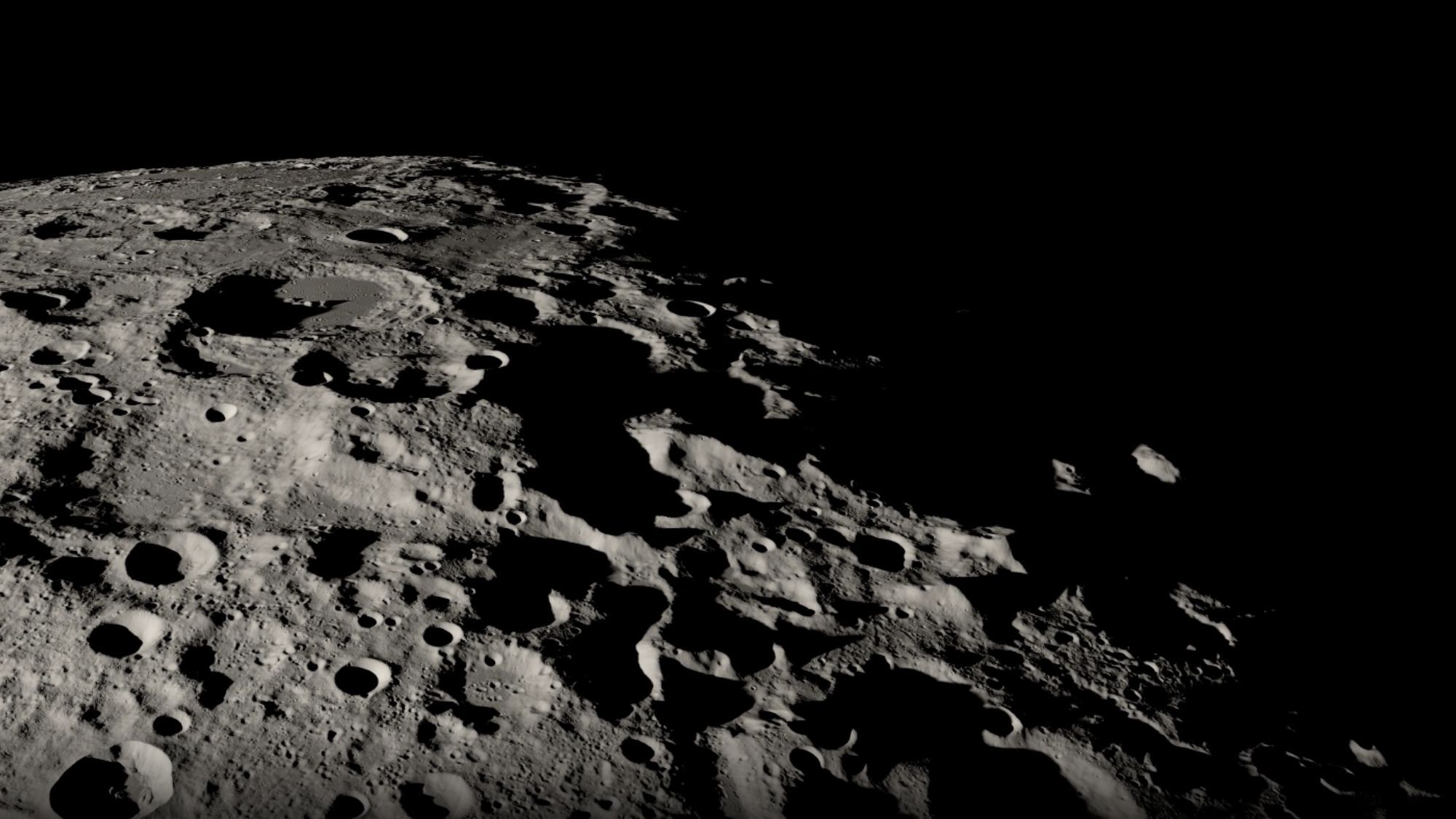
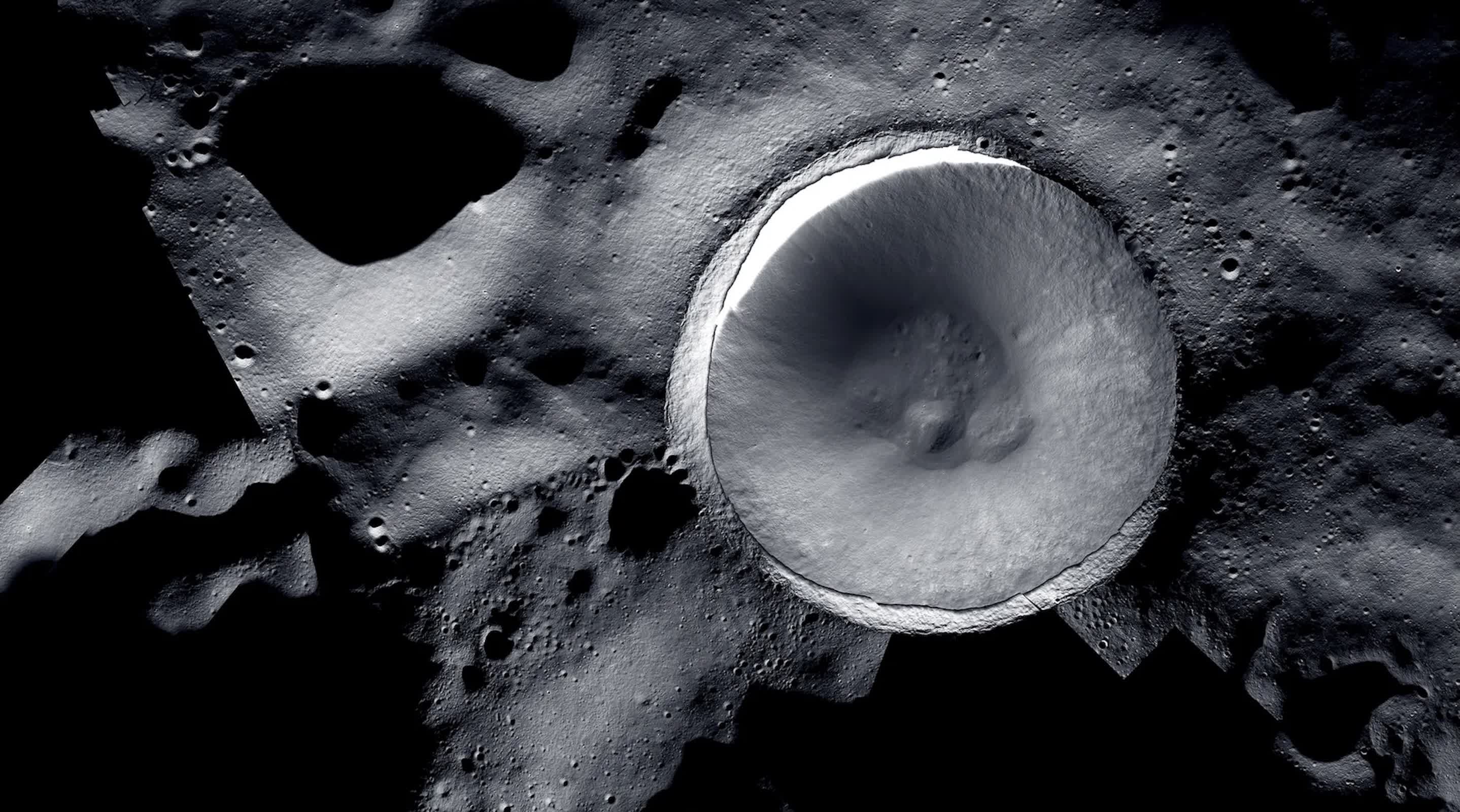
The study, published in Science Advances, examined several areas being considered for Artemis landings, including Nobile Rim and Connecting Ridge. Researchers used data from NASA's Lunar Reconnaissance Orbiter to model surface conditions, then compared them with the known survival limits of bacteria and fungi commonly found on spacecraft.
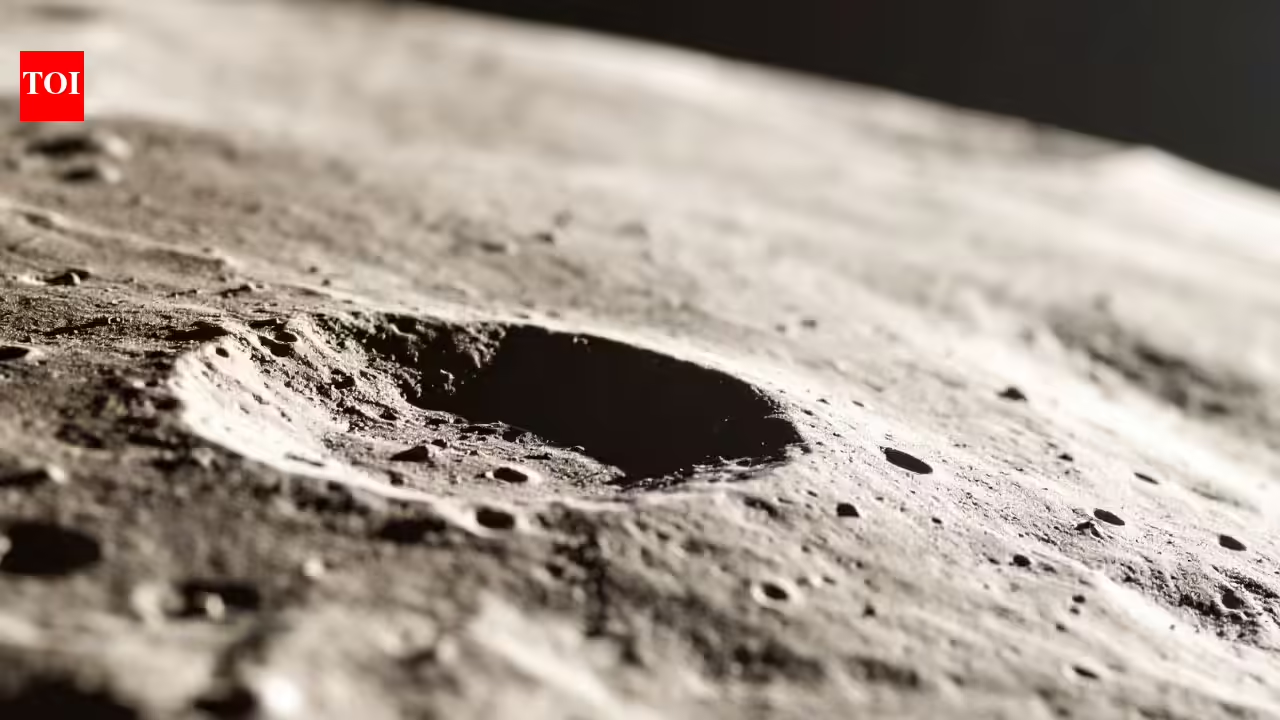
Most of the Moon is exposed to extreme temperature fluctuations, radiation, and ultraviolet light. However, some polar terrain remains in shadow and receives only indirect light. These locations are also extremely cold, which can help preserve microbes rather than kill them quickly.