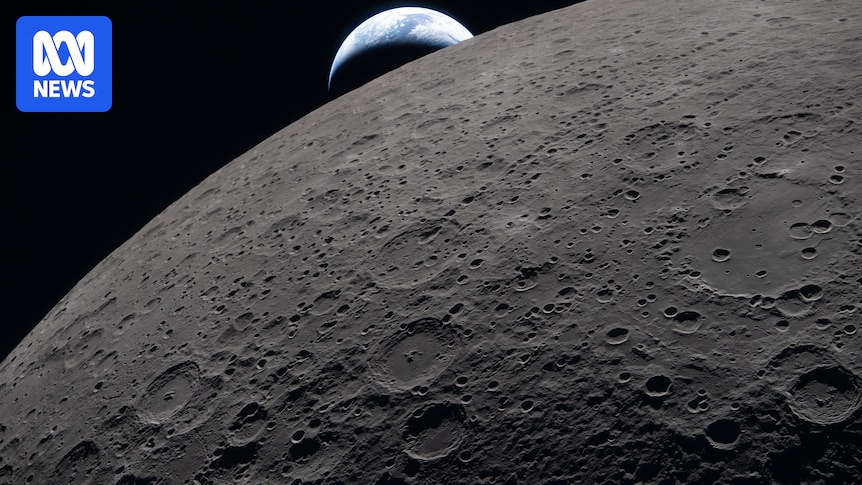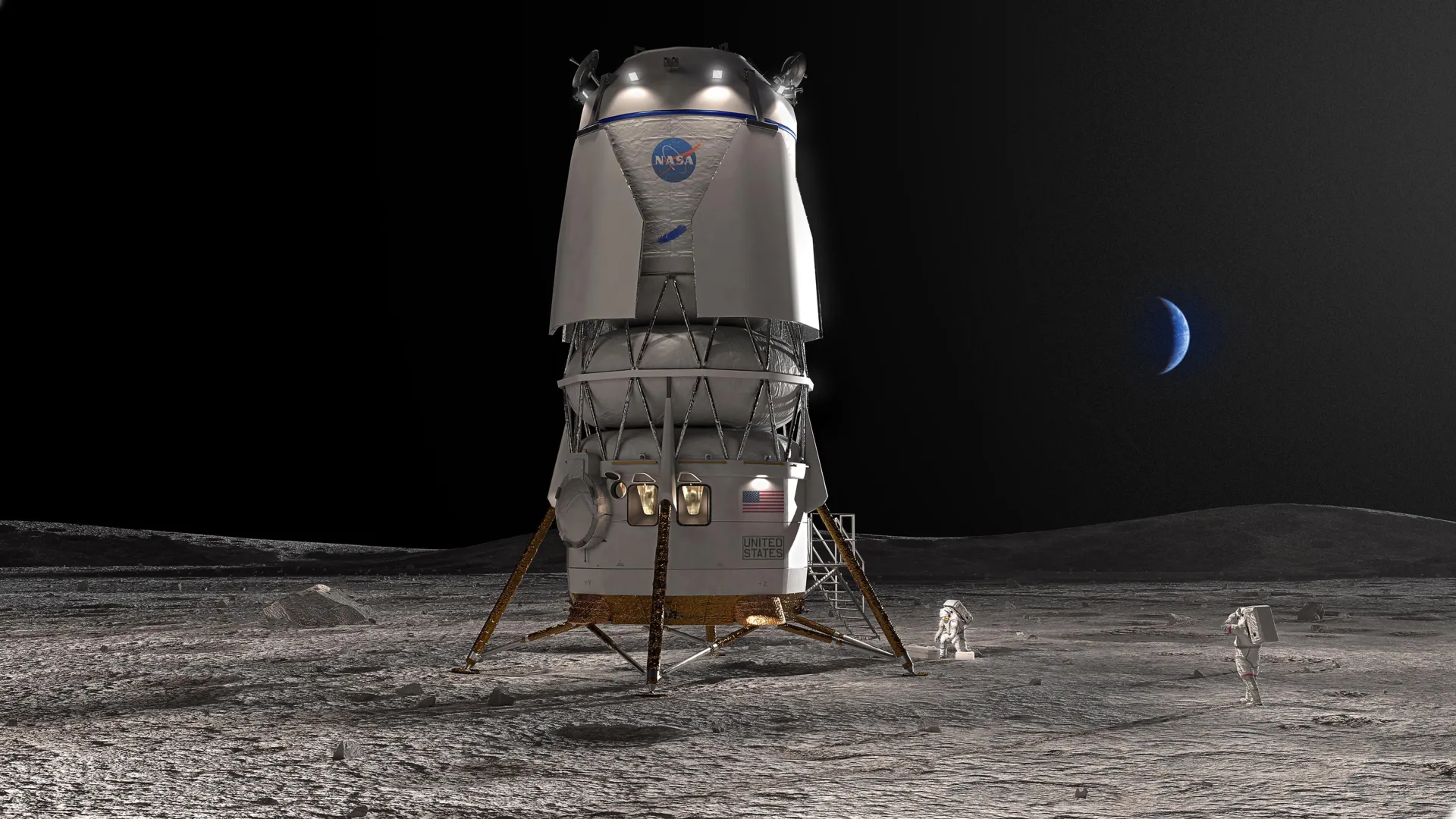
Scientists are preparing for a new era of lunar exploration, but a new study suggests that every landing could leave behind more than footprints. Researchers found that methane released in spacecraft exhaust may spread across the moon surprisingly quickly, potentially contaminating regions that could preserve ancient chemical clues about how life first emerged on Earth.
The findings suggest that even a landing near the moon's South Pole could send methane molecules "hopping" across the lunar surface to the North Pole in less than two lunar days. As more governments, private companies, and NGOs plan missions to the moon, the researchers say it is becoming increasingly important to understand how exploration itself could affect future scientific discoveries.
The study was published in Journal of Geophysical Research: Planets, an AGU journal focused on planetary science.
"We are trying to protect science and our investment in space," said Silvio Sinibaldi, the planetary protection officer at the European Space Agency and senior author of the study. The moon offers a rare opportunity to study the early history of the solar system, he said, but, paradoxically, "our activity can actually hinder scientific exploration."