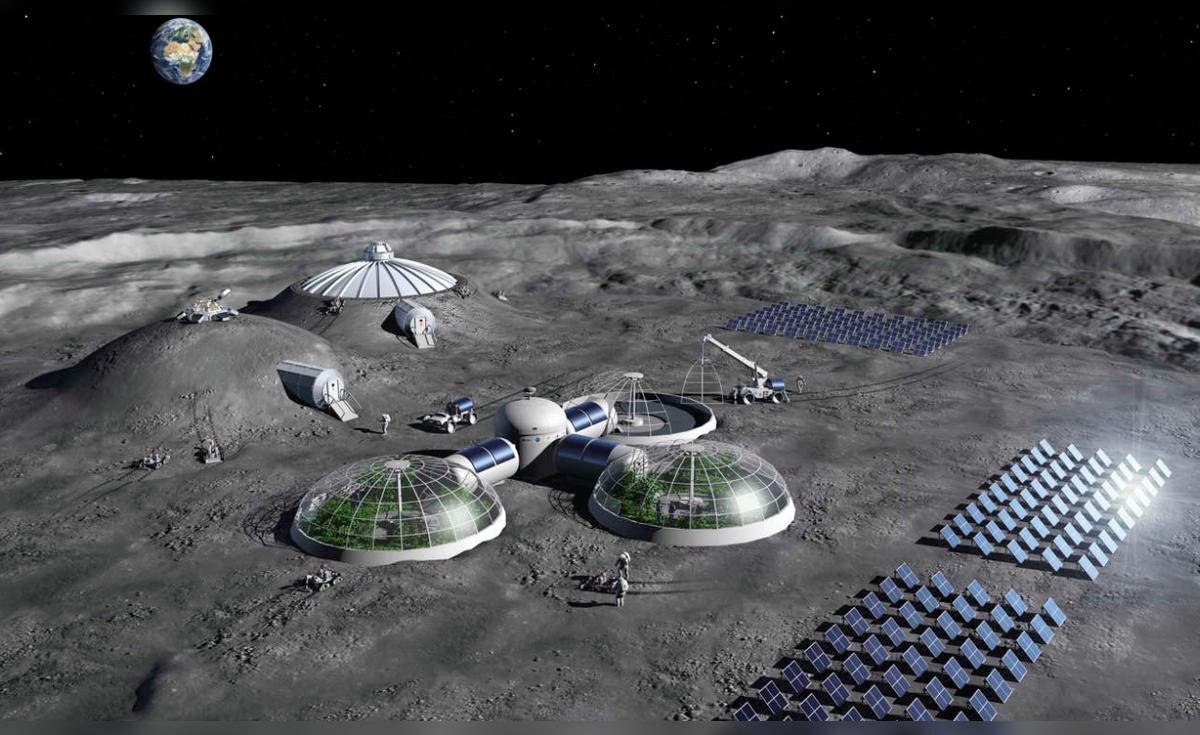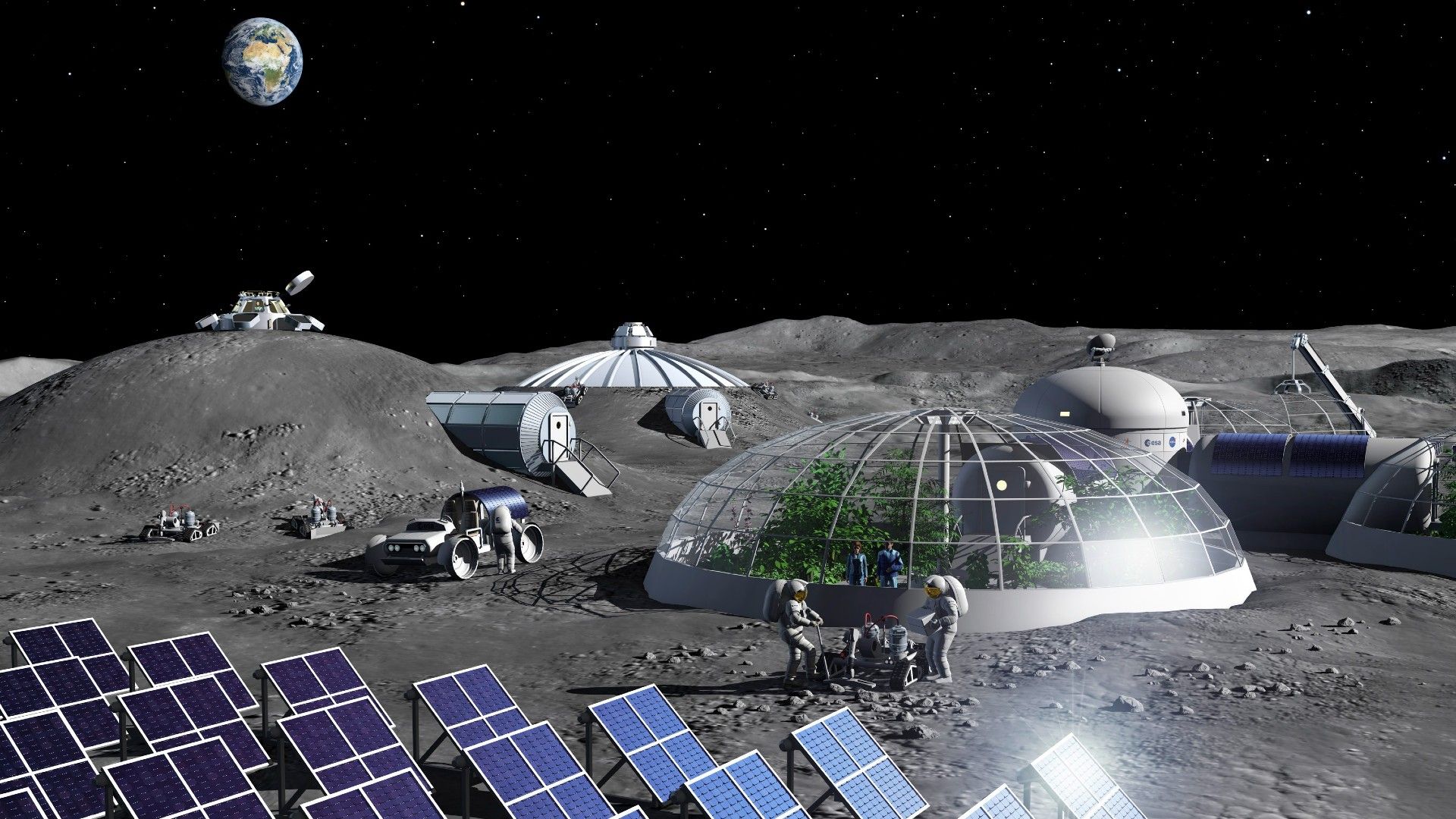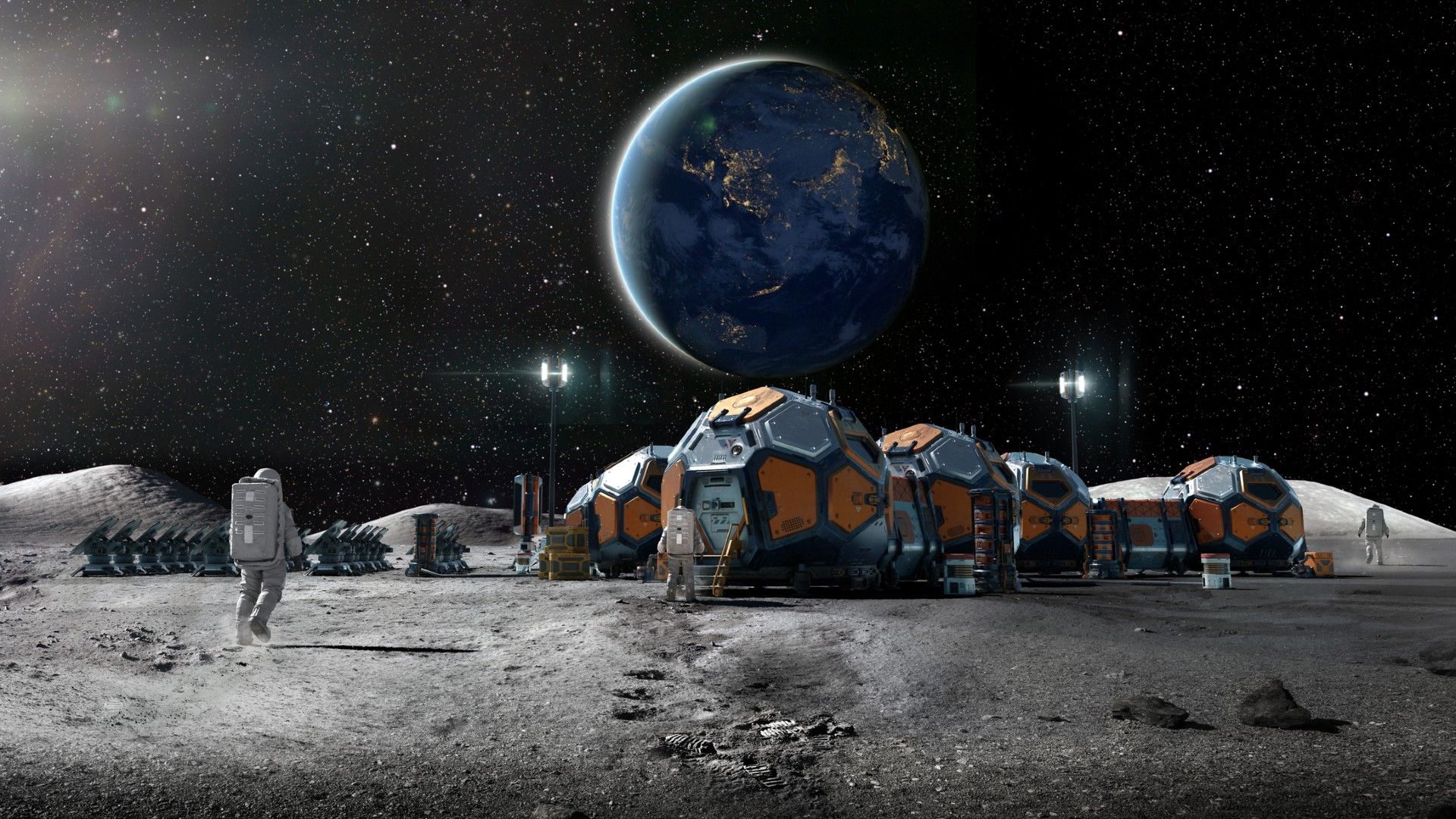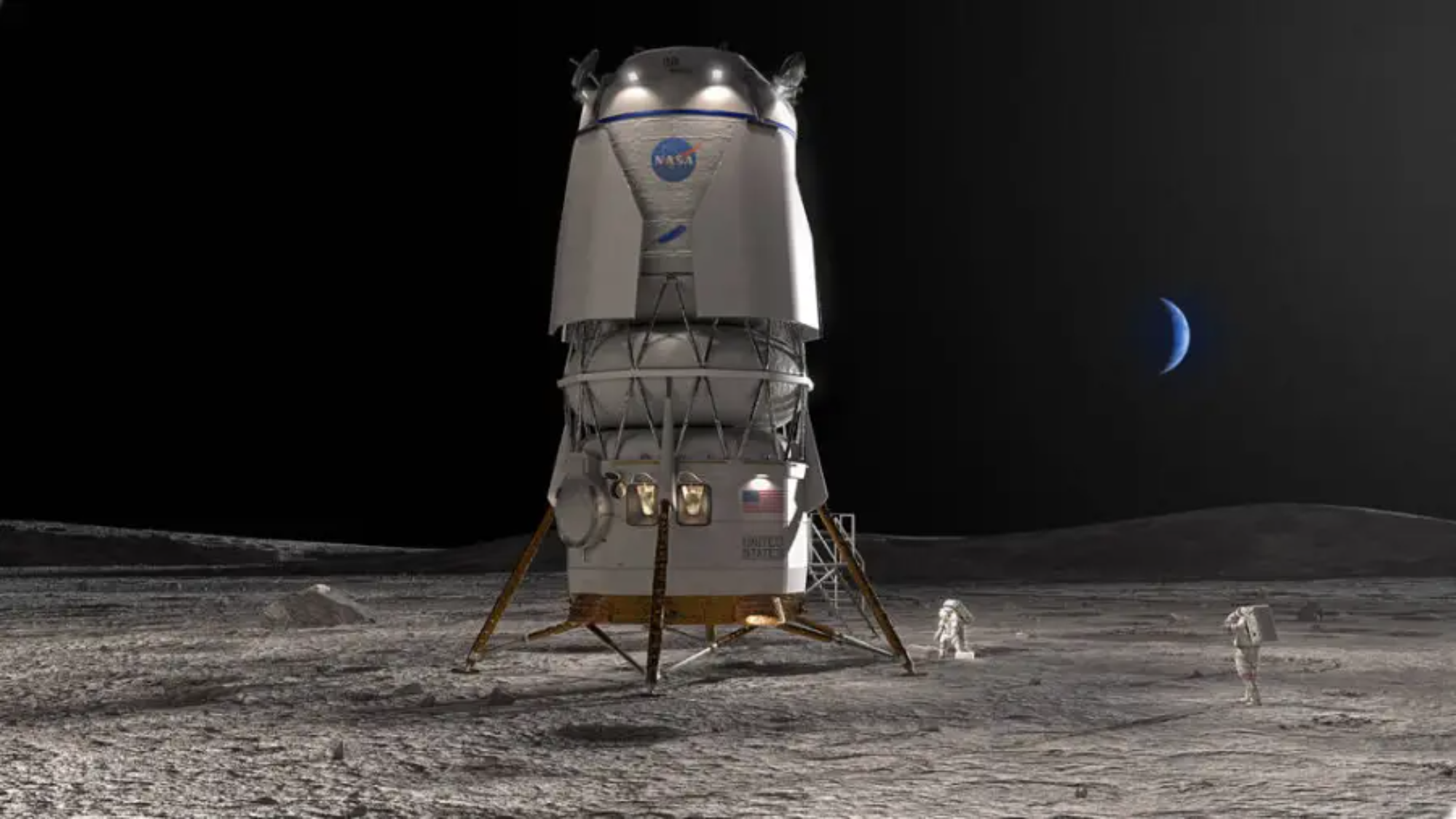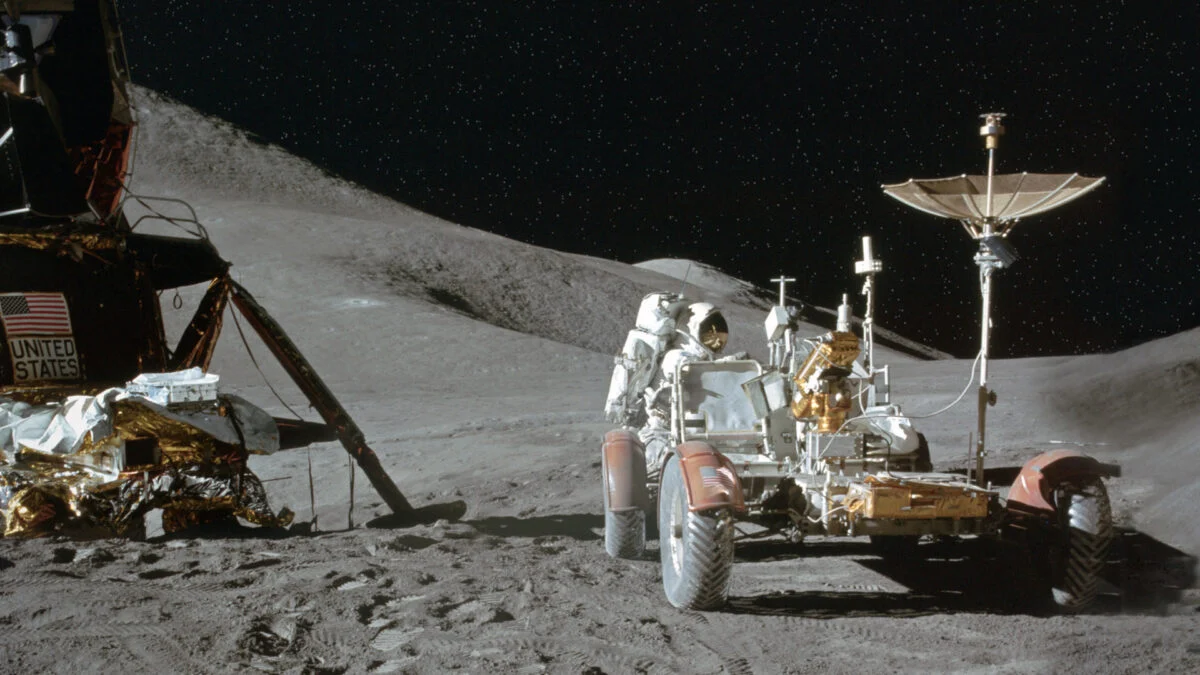
International concerns over Earth possibly contaminating distant worlds with microbes—or our spacecraft potentially bringing a deadly alien pathogen back home—predate the founding of NASA by nearly two years. The fear was real and grounded in enough science that Apollo 11’s first men on the Moon spent 21 days after splashdown locked up in quarantine. Now, with a new space race pitting multiple nations and private companies against one another, one former Pentagon strategist has partnered with an invasive species biologist to push NASA for the construction of a “biocontainment facility” on the Moon. No current or prospective facility on Earth, these scientists contend, could ensure humanity’s safety in the face of a dangerous, infectious alien life form at Biosafety Level 4 (BSL-4), the highest risk level for pathogens as defined by the U.S. Centers for Disease Control and Prevention (CDC). “Humanity is entering a new era of space exploration, but our planetary protection strategies have not kept pace with the risks associated with returning extraterrestrial samples to Earth,” microbiologist Frederick Moxley, a former senior advisor to the Pentagon, said in a statement.
“The proposed facility would essentially act as a firewall between Earth and any potentially hazardous live organisms that could accompany returning future space missions,” Moxley said. Hard to kill Moxley and his coauthor Anthony Ricciardi, who specializes in invasive species and aquatic ecosystems at McGill University in Montreal, highlighted an unusual episode from the recent history of the International Space Station to help make their case. As first reported in the journal BMC Microbiology in 2018, Enterobacter bugandensis—a species of bacteria known to cause septic shock in infants—mutated into several “multi-drug resistant” strains while onboard the space station.