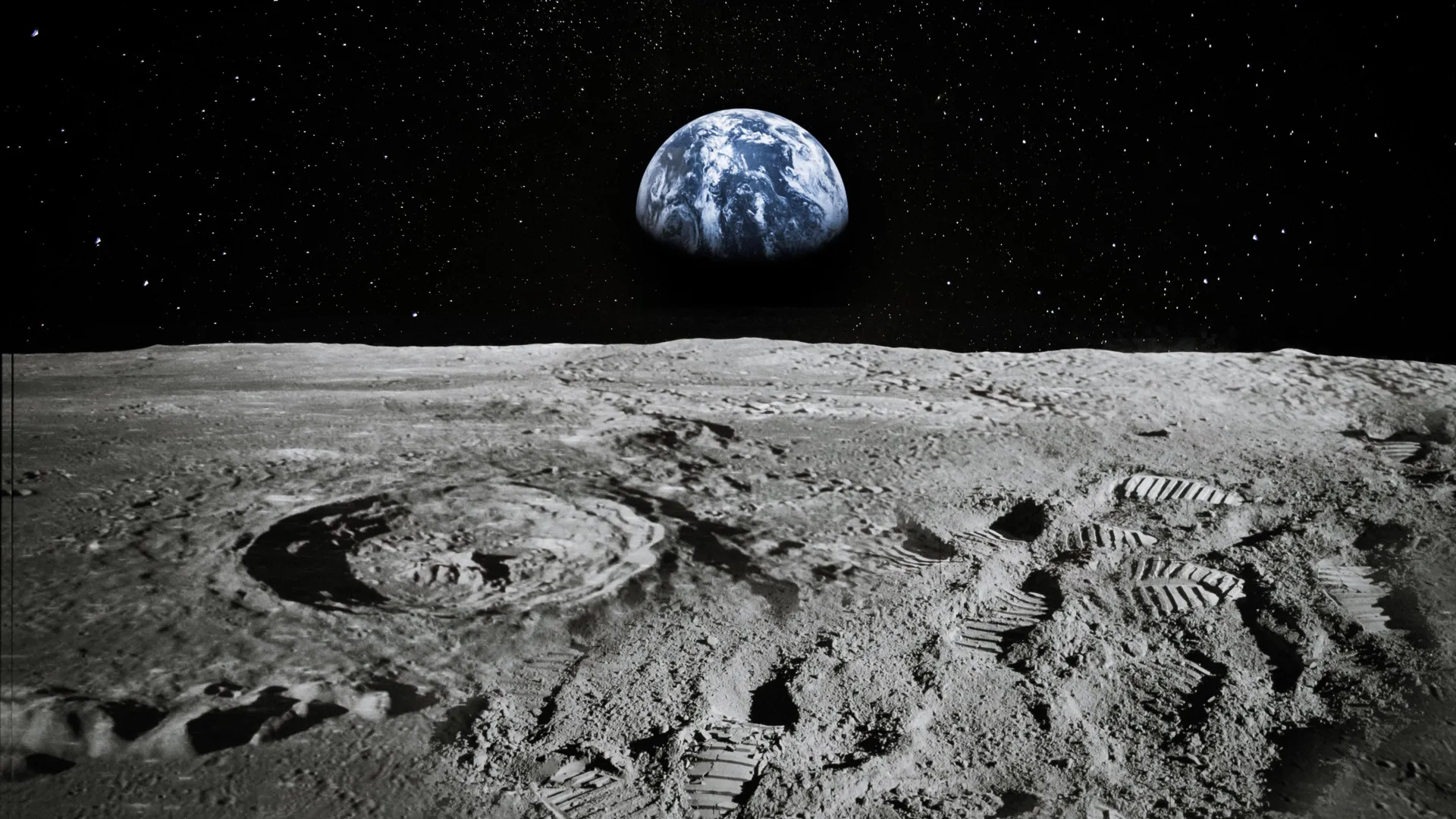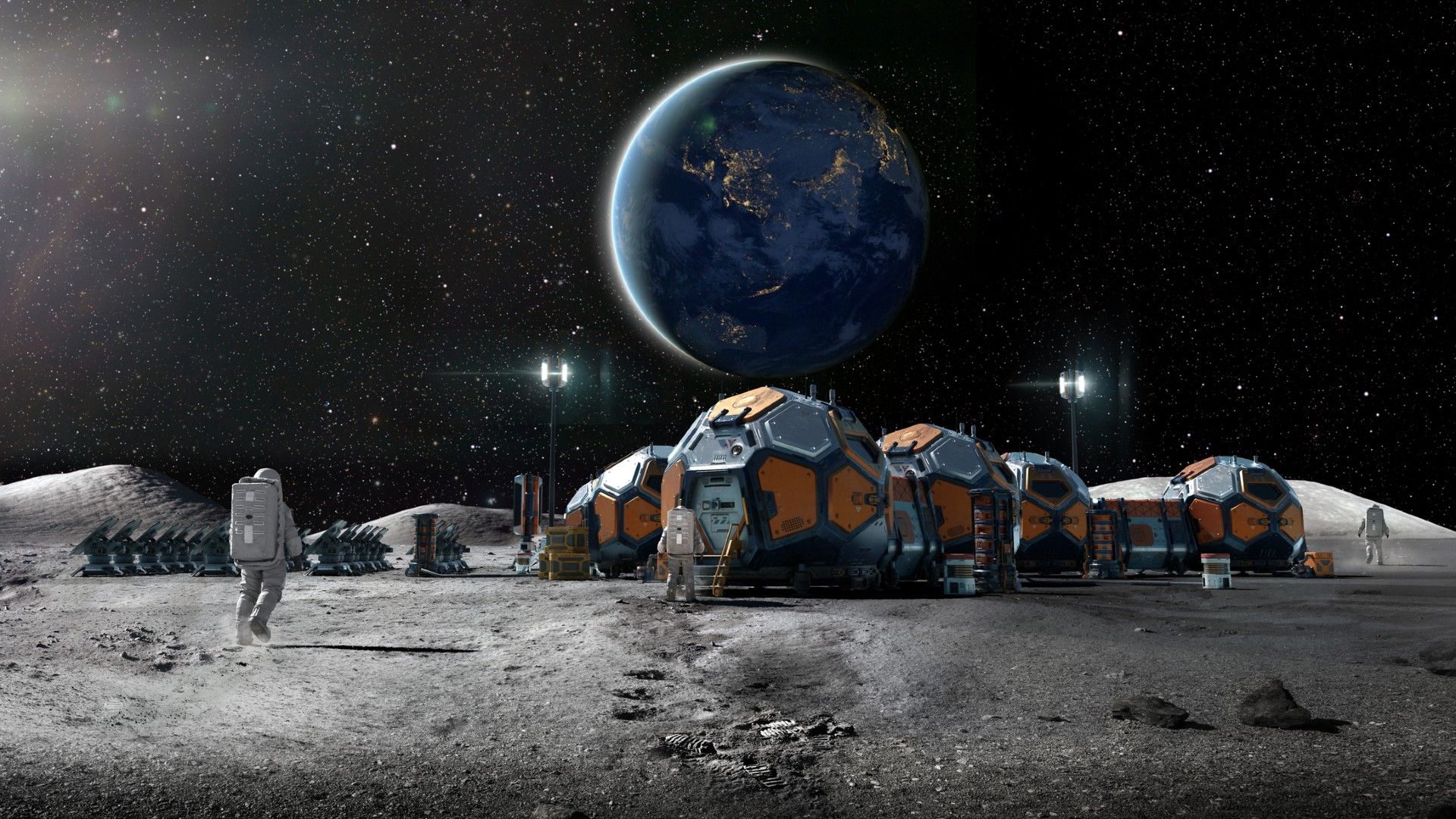
Scientists propose that a moon base could act as an isolated first line of biological defense against extraterrestrial samples that might be harmful to Earth's biosphere.
(Image credit: peepo/Getty Images)
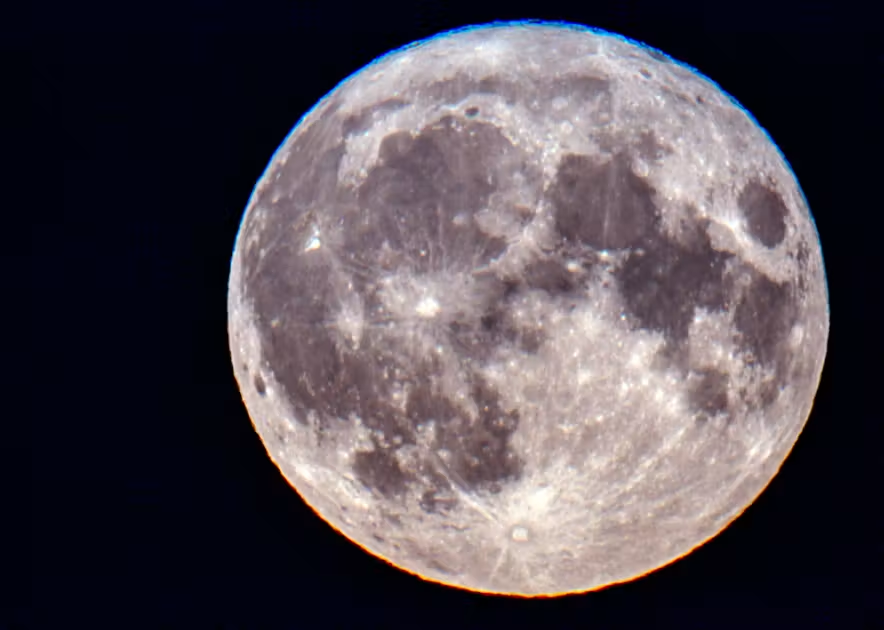
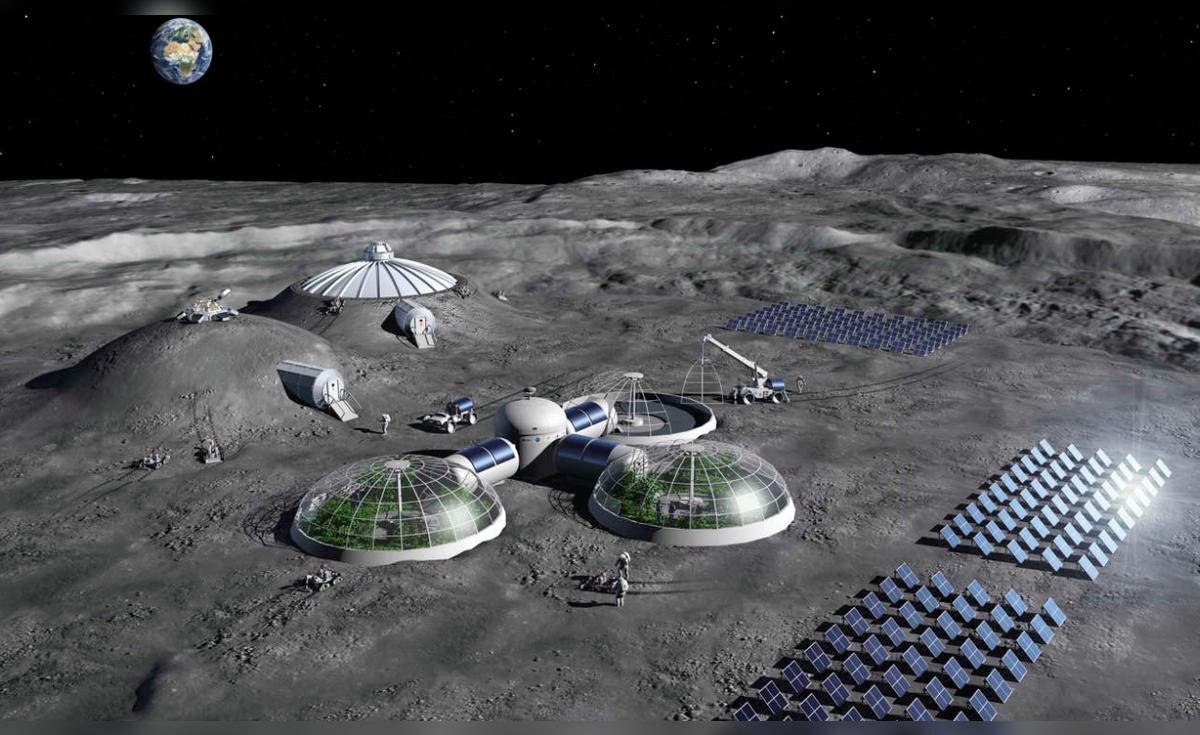
A team of researchers is advocating to use the moon as a secure site for biocontainment of extraterrestrial samples, particularly those from Mars, but also from other potential worlds like Enceladus, a moon of Saturn.The researchers contend that our moon offers a naturally sterile and isolated environment that can act as humanity's first line of biological defense against organisms perhaps harmful to Earth and its life.Making the case for a laboratory planted on the moon — perhaps tended robotically — is Frederick Moxley, director of the Strategic Threat Analysis and Research (STAR) Laboratories, a technical consultancy located in Star, Idaho, along with Anthony Ricciardi of McGill University in Canada. Moxley and Ricciardi caution that the introduction of any novel form of life to the Earth's biosphere would pose "unpredictable ecological consequences." They detail their concerns in a newly published paper in Ambio, a journal of environment and society.Planetary protection measures"It's no secret that there is a race between the United States and China to build a base on the moon," Moxley tells Space.com. "However, whoever gets there first will likely determine where it will be located and how it will be operated among other things. Elements as to architectural components for each are still a work in progress," he said.China's moon base effort is known as the International Lunar Research Station, or ILRS for short. A memorandum of intent has been signed between China and Russia to build a nuclear reactor in support of its construction by 2035, Moxley said, but very little is known as to their architectural details.Meanwhile, NASA's administrator, Jared Isaacman, recently indicated that the next phase of the Artemis program is now underway. Isaacman and other NASA leaders recently announced the moon base will cover hundreds of square miles and will be tended by rovers and robots while being built in three distinct phases."Unfortunately," Moxley said, "none of their efforts have described how they will deal with planetary protection measures."This new study comes amid growing international and commercial competition in space exploration, with government agencies and private aerospace companies rapidly expanding missions beyond Earth orbit.According to the authors, this increasingly crowded and competitive environment makes rigorous biosafety standards more urgent than ever.Firewall facilityThe two scientists are calling for a critical addition to the agency's lunar ambitions: an extraterrestrial biocontainment facility designed to protect Earth from potential contaminants from space.Ricciardi and Moxley argue that all extraterrestrial material collected from the moon, Mars, or beyond should first be transported to a secure lunar-based quarantine and research facility — rather than directly to Earth."Humanity is entering a new era of space exploration, but our planetary protection strategies have not kept pace with the risks associated with returning extraterrestrial samples to Earth," Moxley said. He further noted that the proposed facility would essentially act as "a firewall between Earth and any potentially hazardous live organisms" that could accompany returning future space missions.