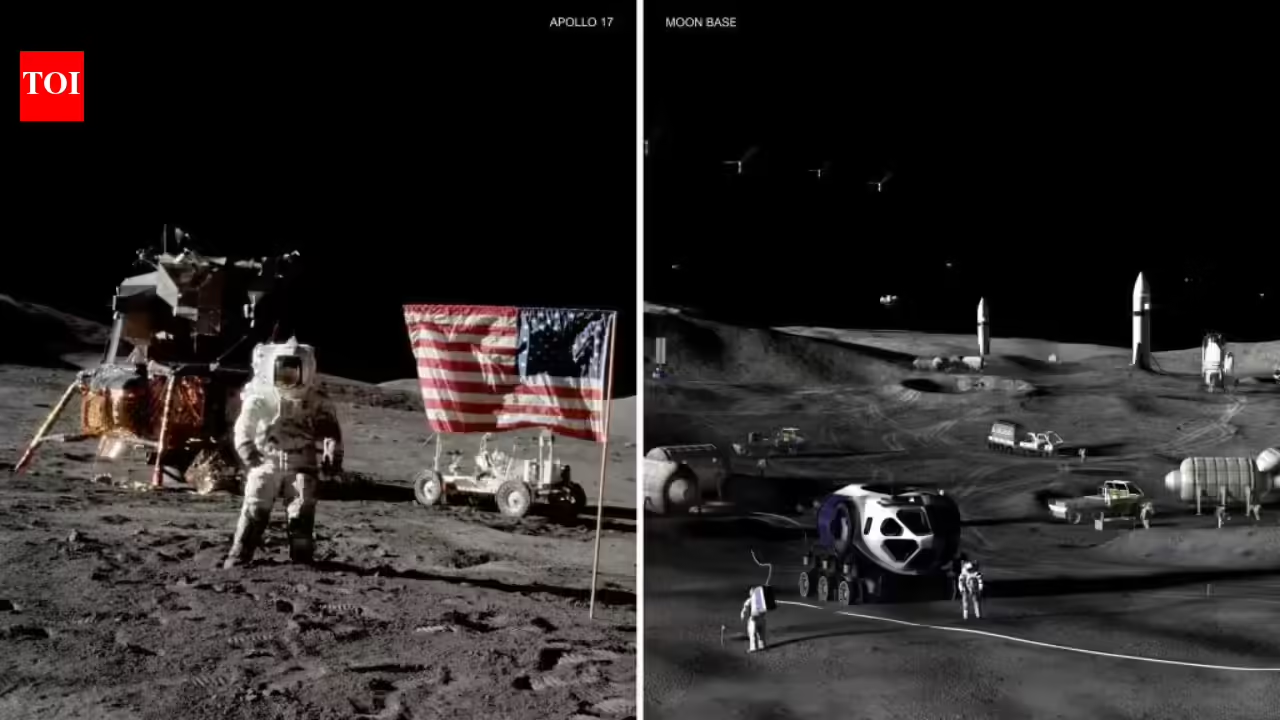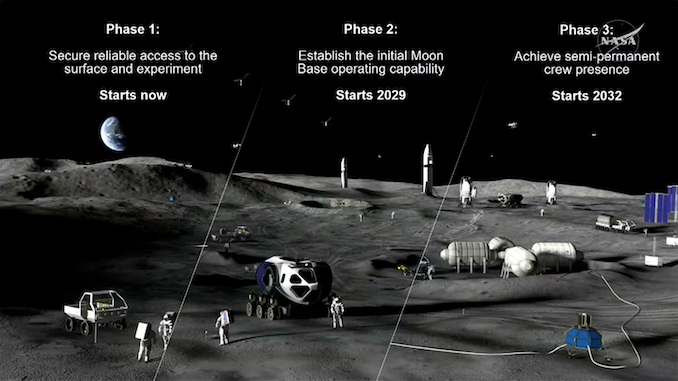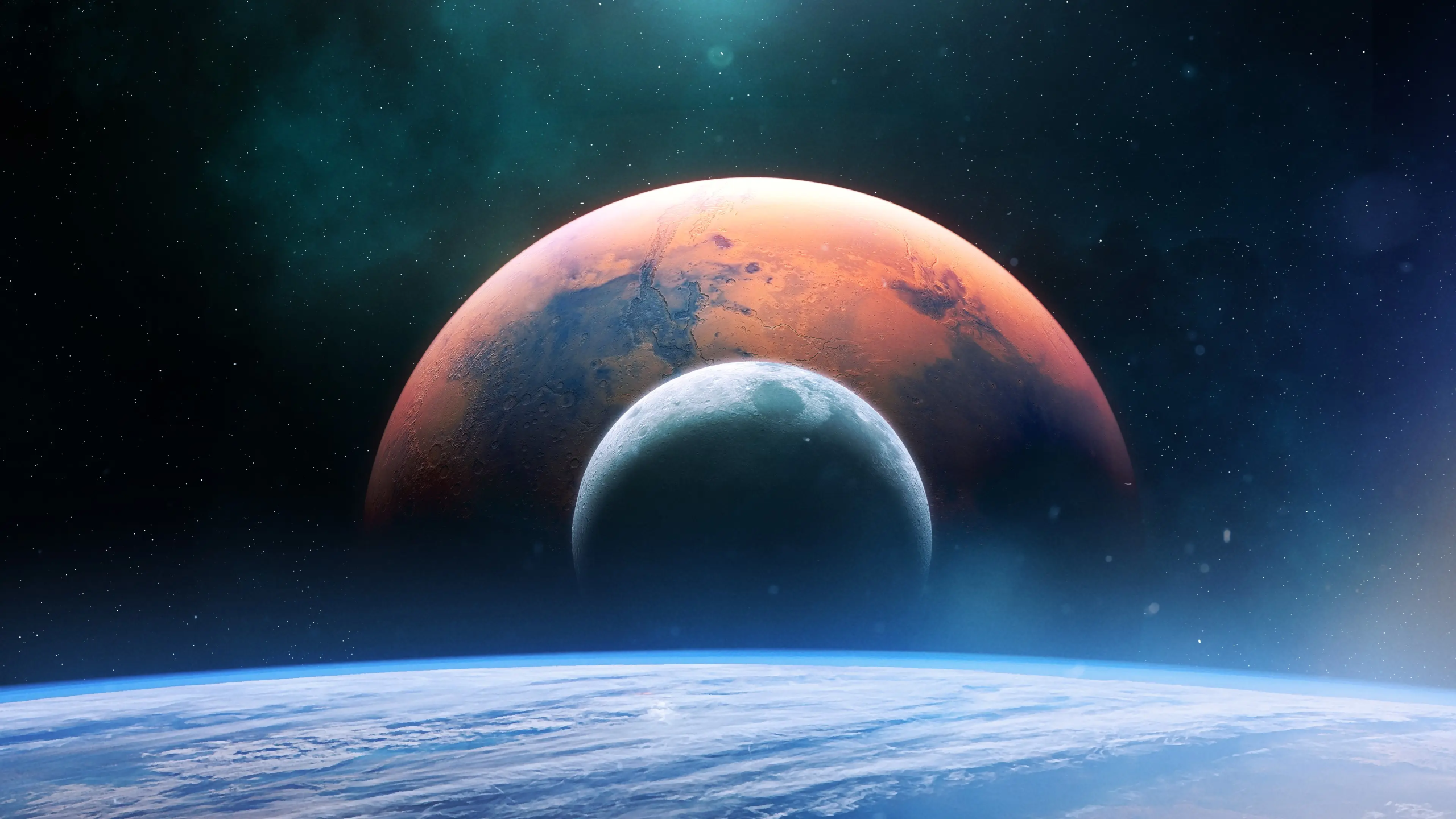
These are heady days for NASA and the space industry. The Artemis 2 crew flew around the moon, traveling farther into space than any humans previously had; NASA announced an ambitious new schedule for returning to the lunar surface and commercial partners continue to make promising strides forward. After decades of mission proposals and PowerPoint presentations, a permanent human presence will finally be established on the moon, which will rank among the greatest achievements in human history.
As we fulfil this decades-old dream, however, let’s also not abandon our long-standing national commitment to sending humans to Mars. While short-term emphasis should obviously be placed on establishing a sustainable presence on the moon, Mars must remain part of the long-term strategic trajectory guiding those investments. The moon and Mars are not competing priorities. Lunar milestones build momentum, capability and operational experience that can help shape a more sustainable path toward Mars.
Fortunately, NASA Administrator Jared Isaacman appears to agree with this approach. When asked how the moon base would help us get to Mars at the recent press conference, he indicated that one of the primary reasons we’re developing the moon base is to prepare for Mars. He posed the question, “Why build the moon base?” He concluded his answer by saying, “Number one, we want to be in an environment where we can learn the skills so that astronauts can go and plant the stars and stripes on Mars one day.