The next U.S. trip to the moon isn't about planting a flag. It's about learning how to live and work there.
NASA has just reset its Artemis program, marking a clear strategic shift: Space exploration is moving away from a race to achieve milestones and toward a system built on repeated operations, a sustained presence and lunar infrastructure that could become part of the technology networks we rely on here on Earth.
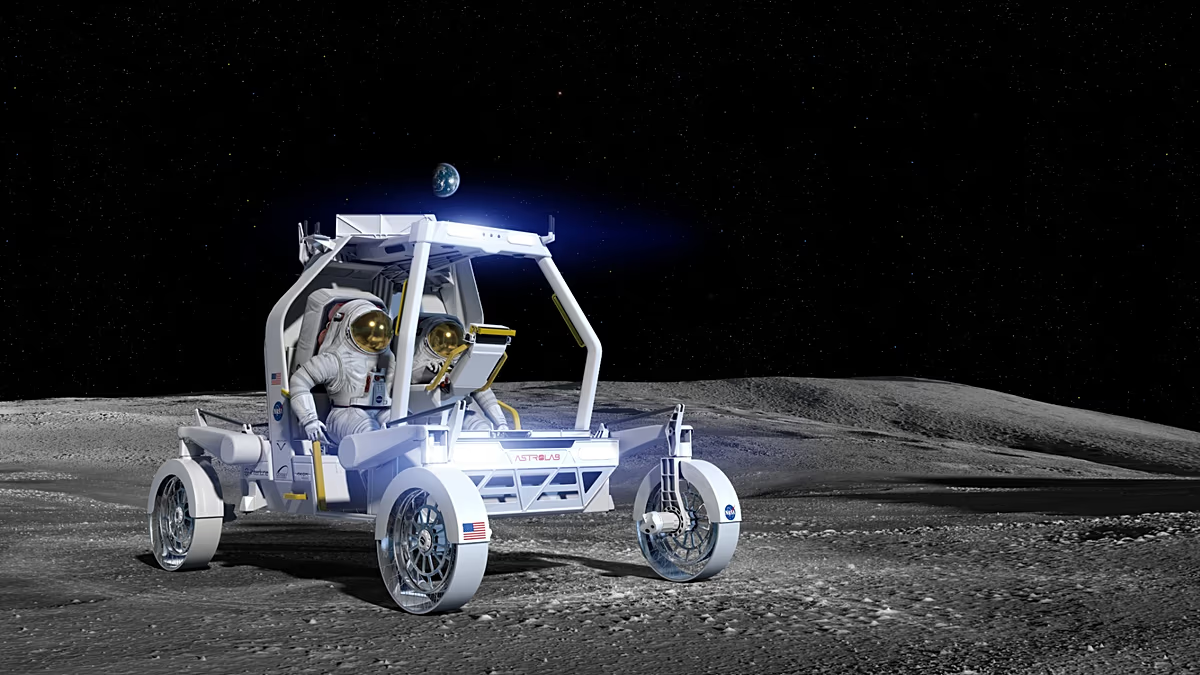
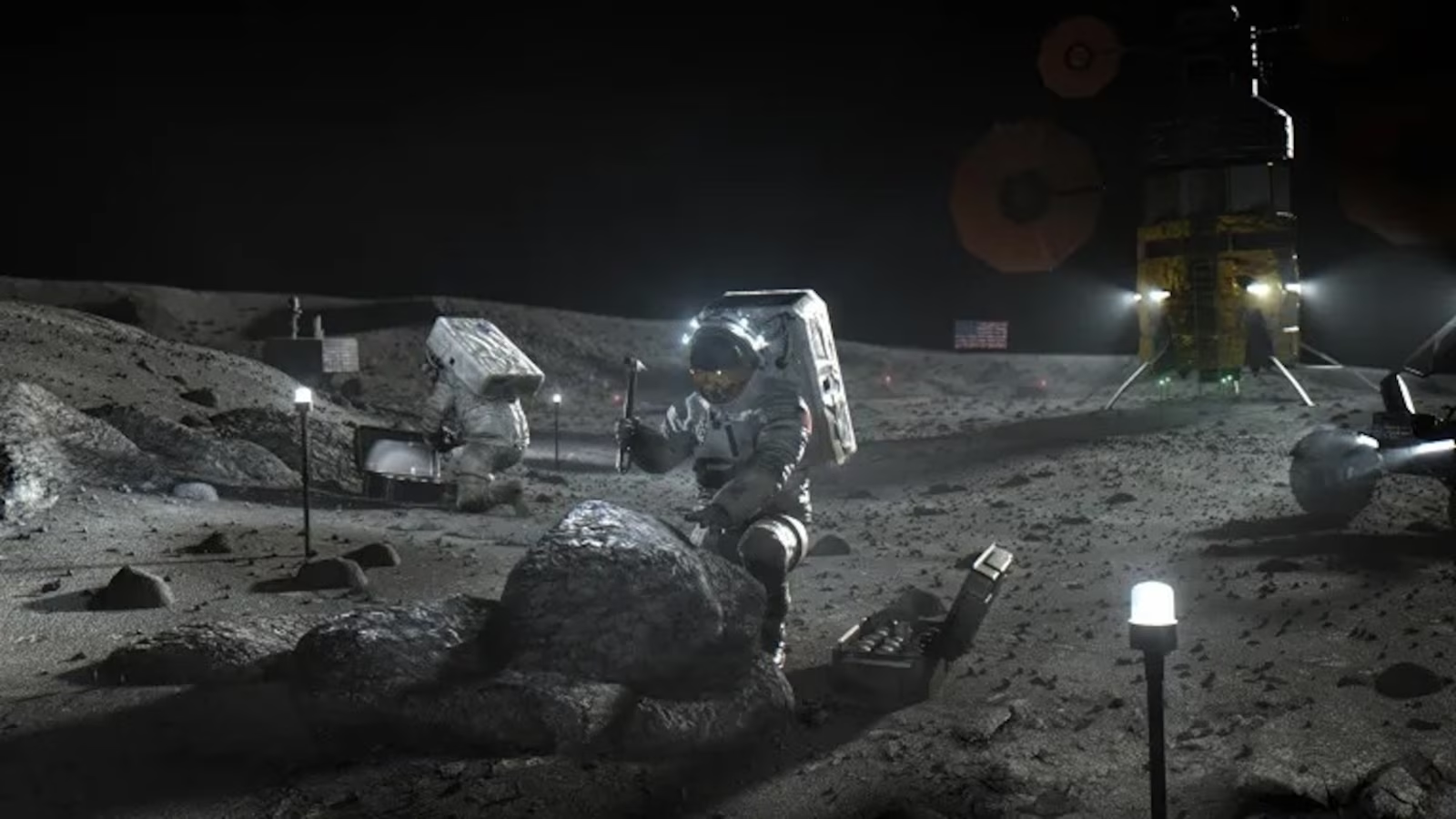
That shift is reflected in newly announced plans to invest billions of dollars in building a long-term lunar base, with habitats, power systems and surface infrastructure designed to support ongoing human activity. The message? Humans have already normalized travel to space. The next step is normalizing living beyond Earth.
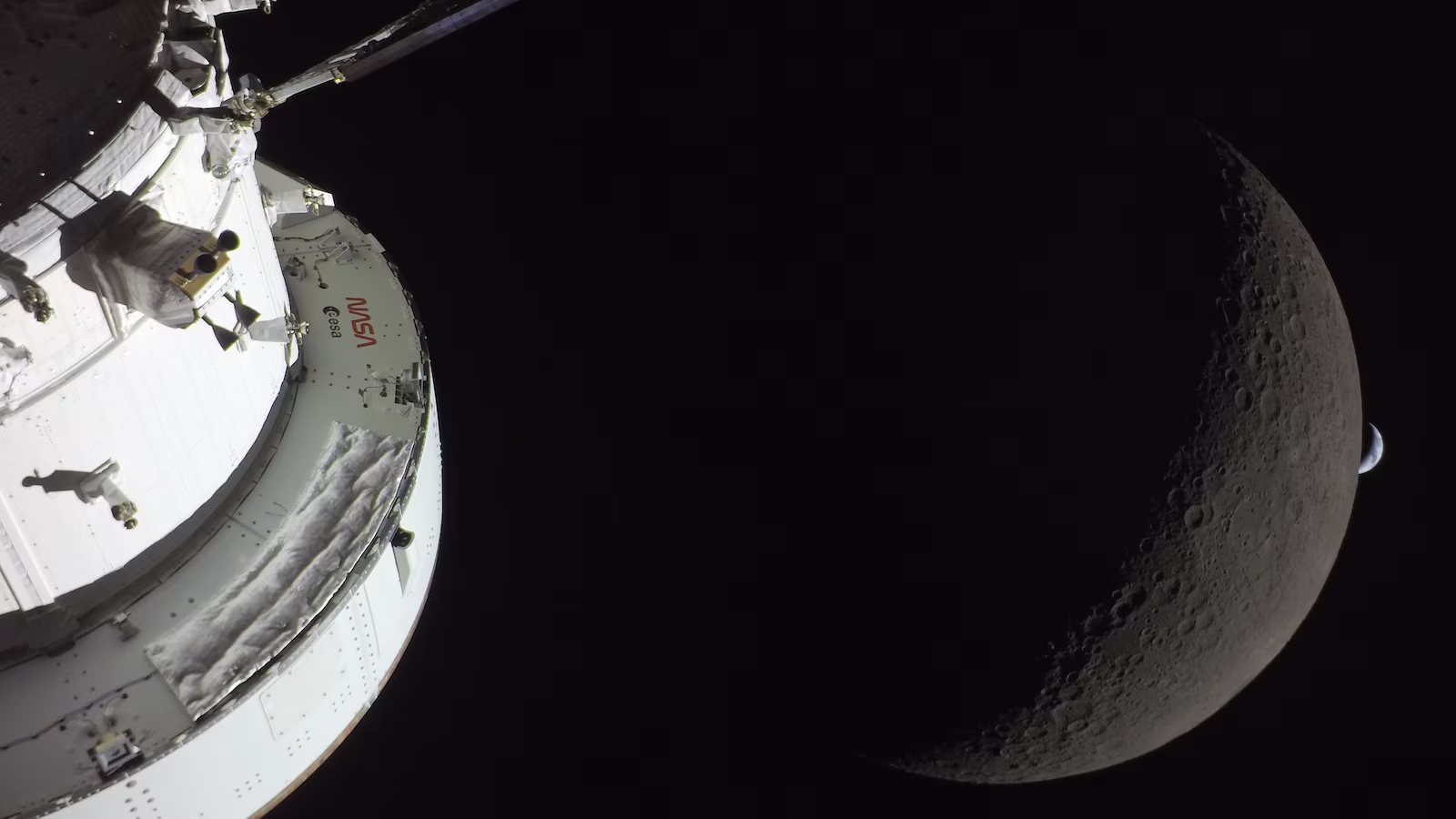
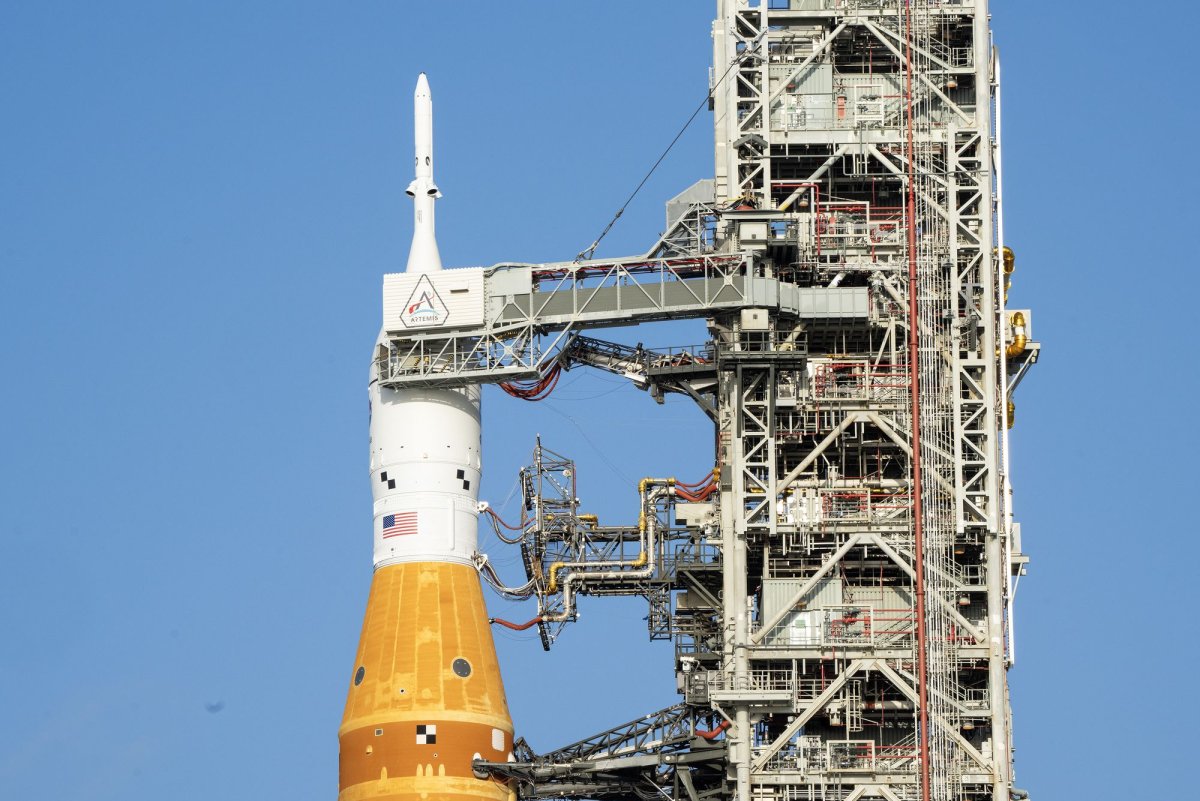
Artemis is NASA's plan to return people to the moon with the goal of staying. Unlike the short Apollo missions of the 1960s and 1970s, it consists of increasingly complex missions: flying around the moon, landing on its surface and eventually establishing a base near the lunar south pole. The program aims to create a reliable way for humans to live and work there, develop technologies useful on Earth and prepare for the journey to Mars.
Rather than moving straight from the upcoming Artemis II crewed lunar flyby to a surface landing, the new road map adds an intermediate mission in 2027. Astronauts will test docking, life-support systems and communications with commercial lunar landers from SpaceX and Blue Origin, but in low Earth orbit, the region roughly 100 to 1,200 miles (160 to 2,000 kilometers above Earth's surface, where rescue remains possible.