Leia este artigo em Português.
Along the river the Xavante people of Brazil call Owawê are many of the Indigenous tribe’s sacred sites, ancient villages and cemeteries. It is also where their ear piercing rituals are held, marking the transition of boyhood to adulthood.
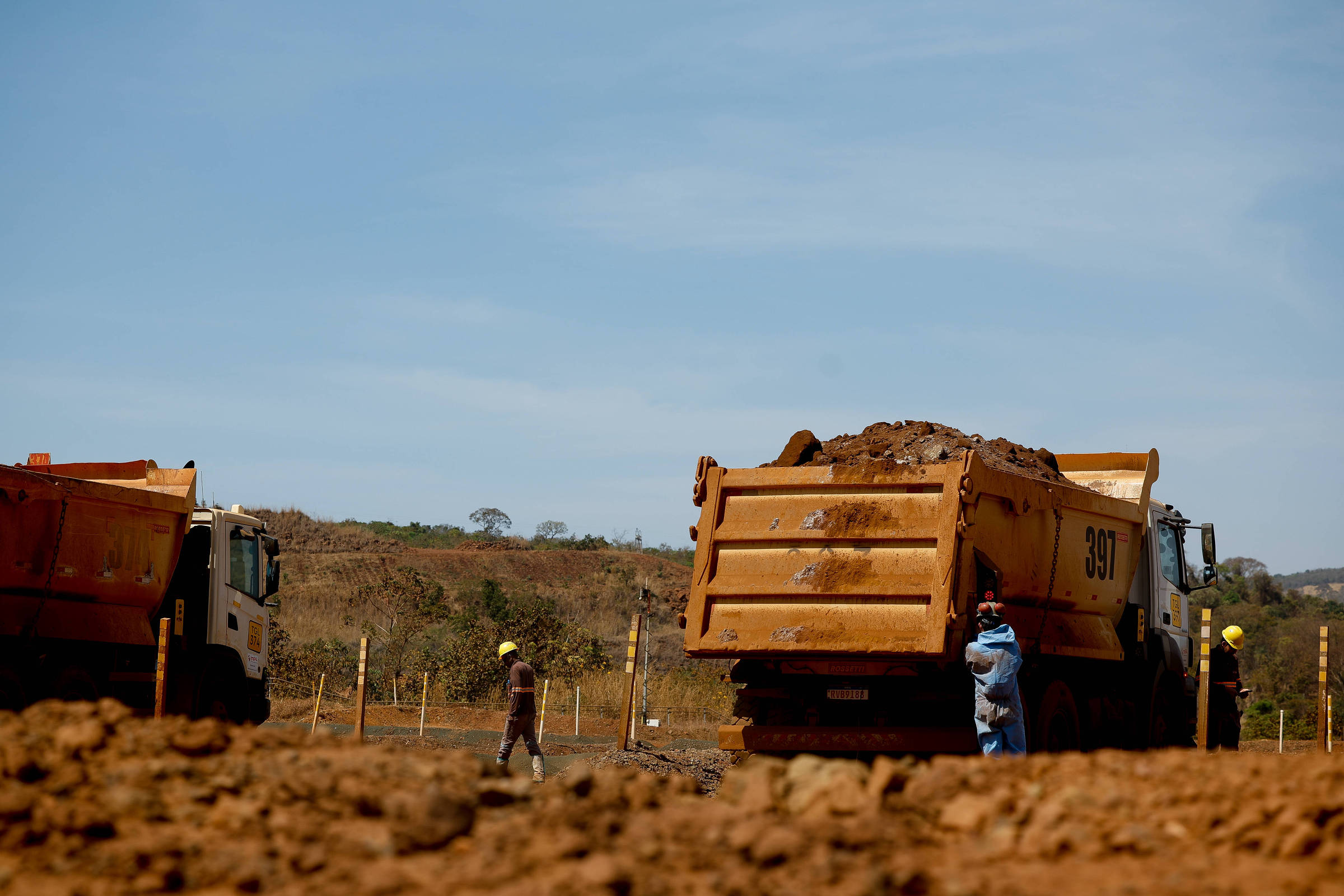
Now, a railway project—Ferrovia de Integração do Centro-Oeste (Center-West Integration Railway, or FICO)—threatens to separate an already fragmented population even more. While the first phase of the project nears completion, Xavante leaders say the government did not give them the prior and informed consent assured in legal documents. The leaders say problems like food insecurity, invasions by loggers and weakening of community organization tend to worsen when big projects encroach on their territory.
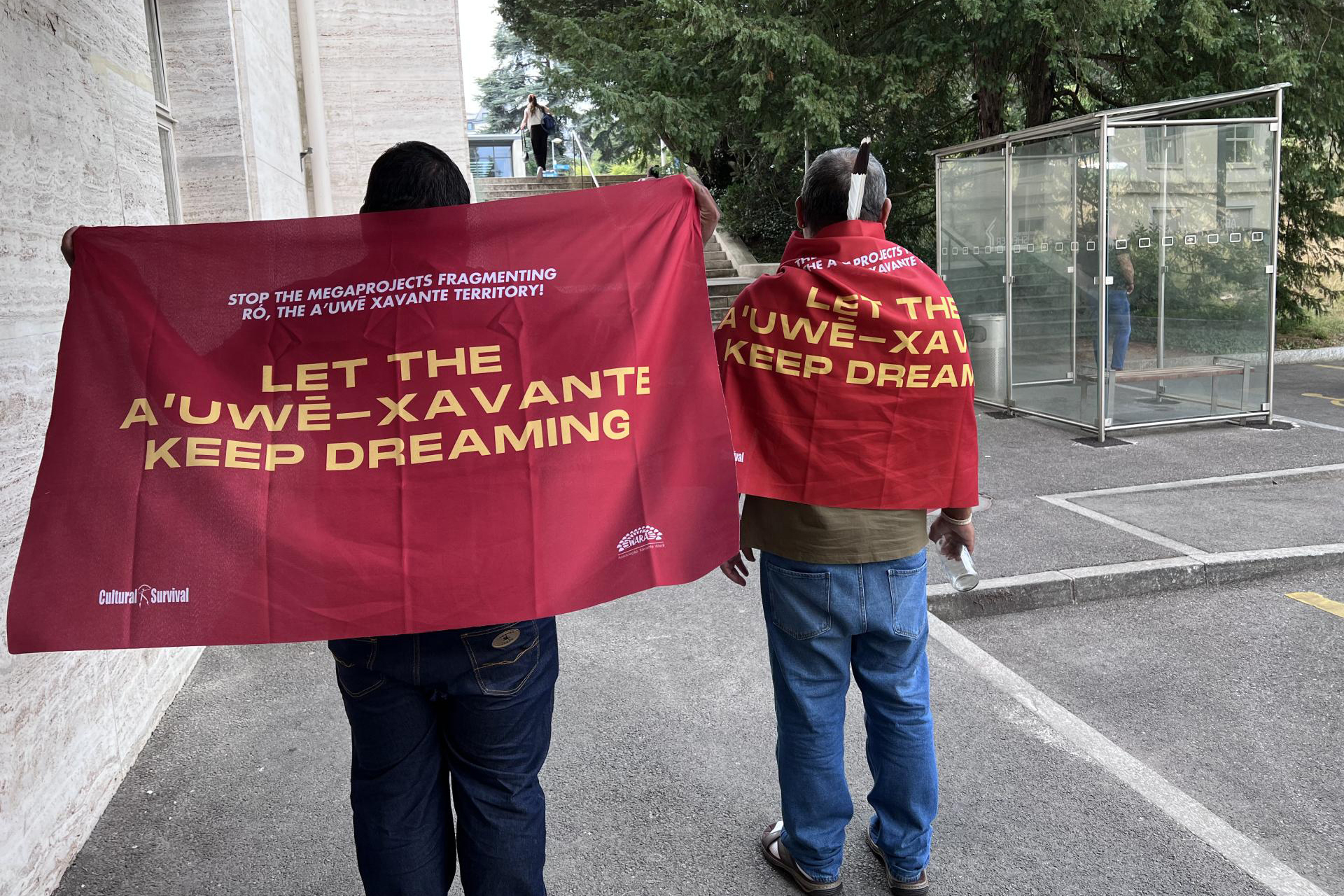
A delegation that included Hiparidi Top’Tiro, Xavante chief of the Abelhinha village in the Sangradouro territory; Missia Ihiwe Urace, another Xavante leader; and allies from the Xikrin people and the Indigenous rights advocacy group Cultural Survival traveled to Geneva in July to bring this issue to the United Nations’ 19th session of the Expert Mechanism on the Rights of Indigenous Peoples (EMRIP).
EMRIP is a mechanism within the U.N.’s Human Rights Council that provides expertise and advice on the rights of Indigenous peoples and assists member states in achieving the goals of the United Nations Declaration on the Rights of Indigenous Peoples.