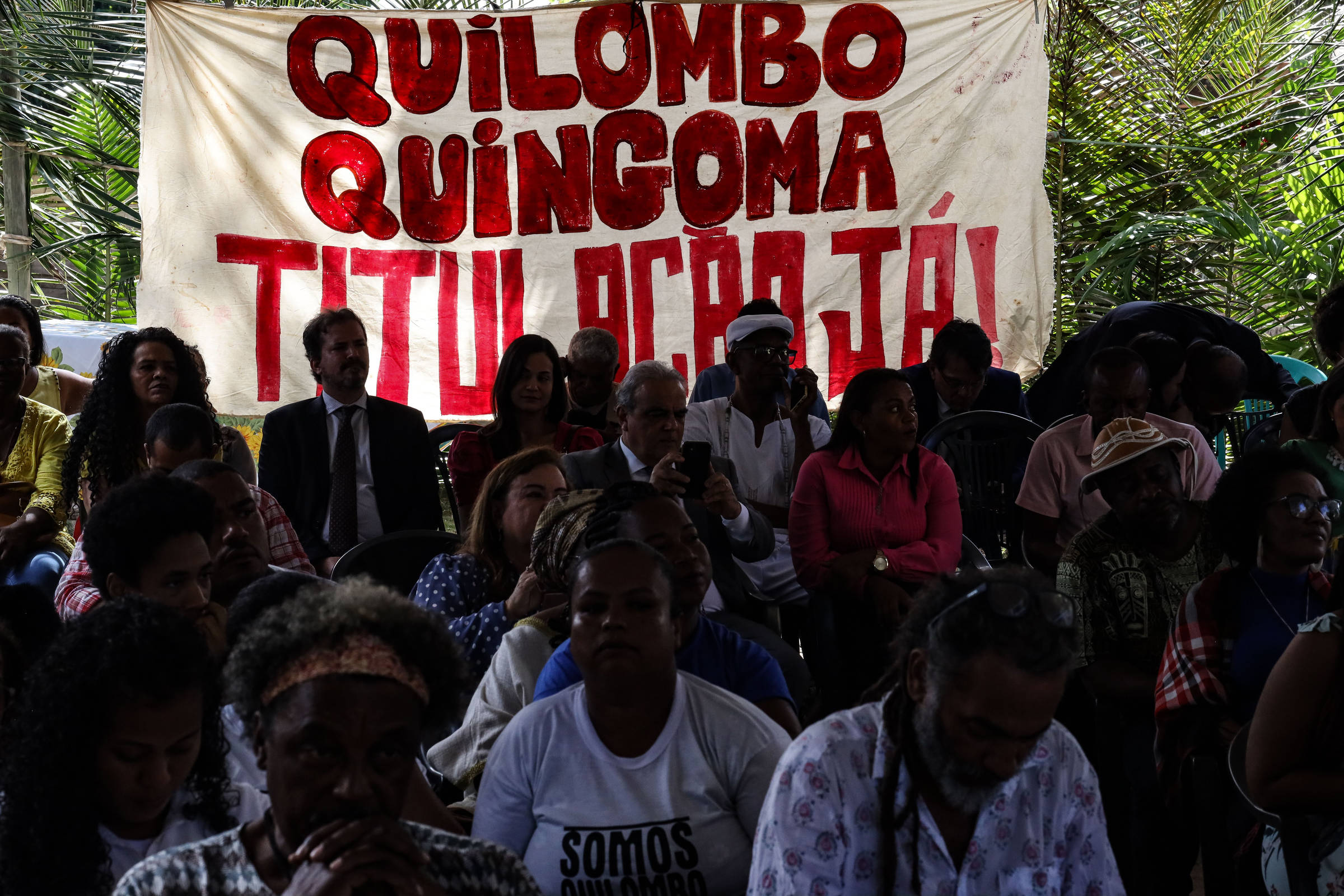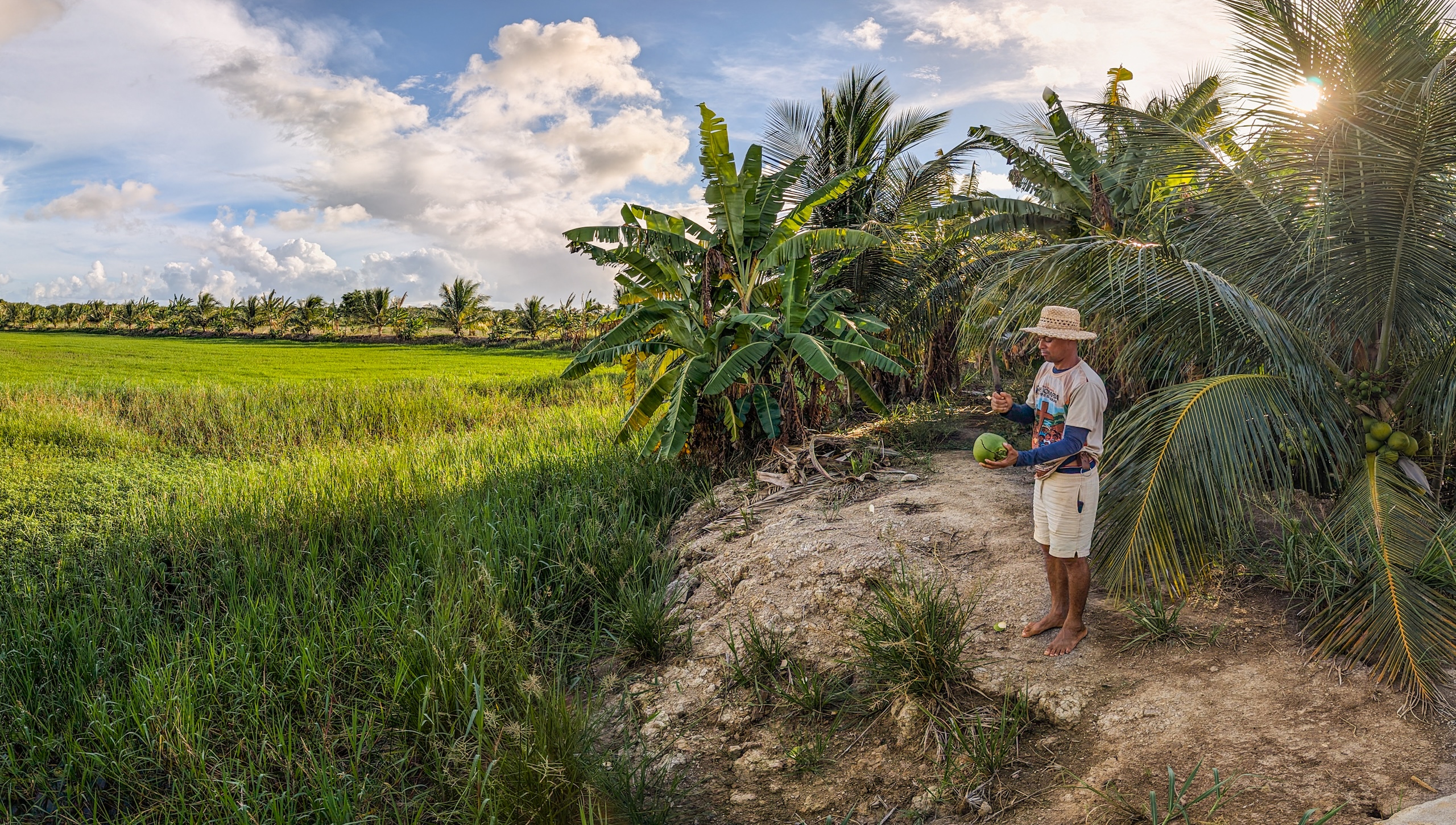
Officially recognized as a collection of quilombos, or traditional Afro Brazilian communities, by the government in 2023, Brejão dos Negros is still awaiting the land titles it has been demanding for 20 years.The federal land reform agency has demarcated more than 8,000 hectares (19,800 acres) of the territory, but the communities have been authorized to use less than a tenth of this area.This delay has left them vulnerable to land disputes; the encroachment of shrimp farms into mangrove areas, which harms fishing and shellfish gathering; and increased salinization of the São Francisco River, which affects their crops and hinders their access to potable water.Seeking new income sources, the community members are turning to pesticide-free farming; one of the communities has become the largest producer of agroecological rice in Sergipe state.
BREJÃO DOS NEGROS, Brazil — It’s hard to tell where one ends and the other starts. Here on Brazil’s Atlantic coast, where the São Francisco River meets the sea, waves ripple across the crystal-clear water. In the vast blue expanse, the green of islands and islets blends with fertile lands covered in Atlantic Forest remnants, white dunes, small docks, marginal lagoons, and mangroves — a biological heritage that serves as a nursery for countless marine species.