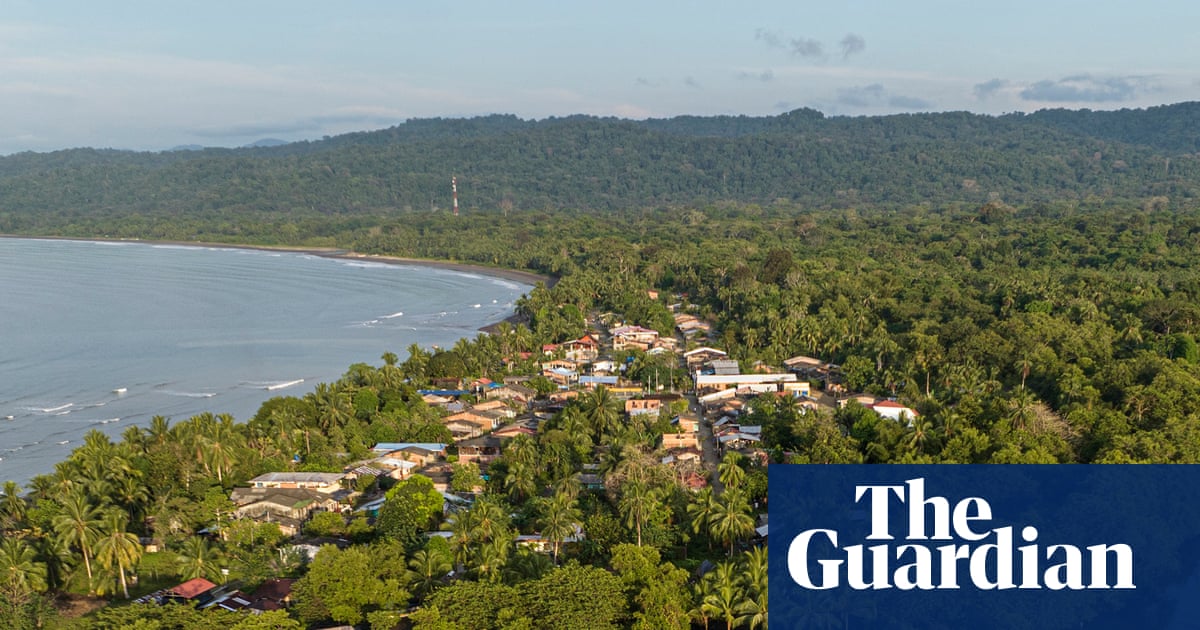
In the middle of the city, traditional growers blend crops with native species to preserve Pedra Branca state park’s biodiversity
T
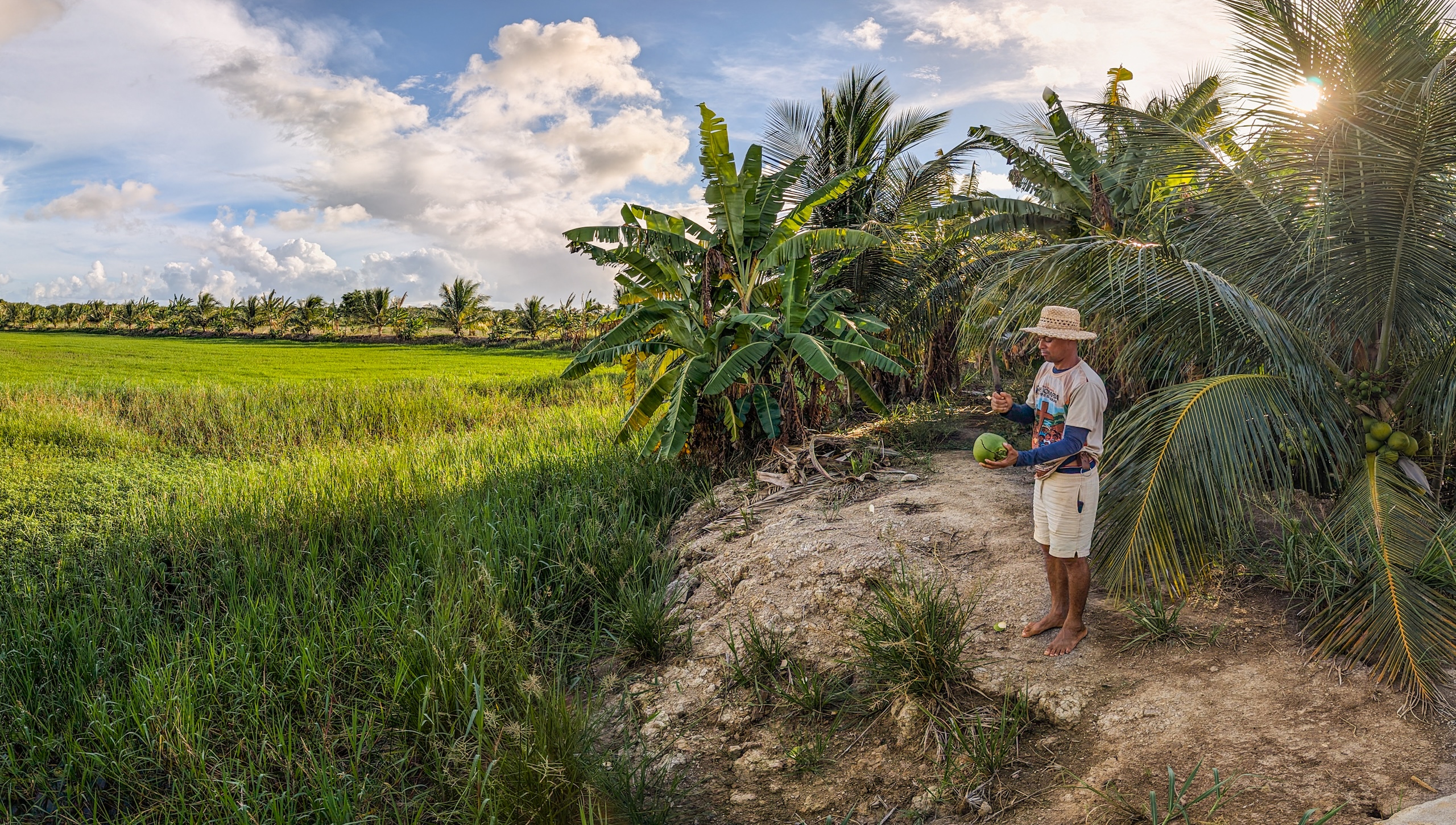
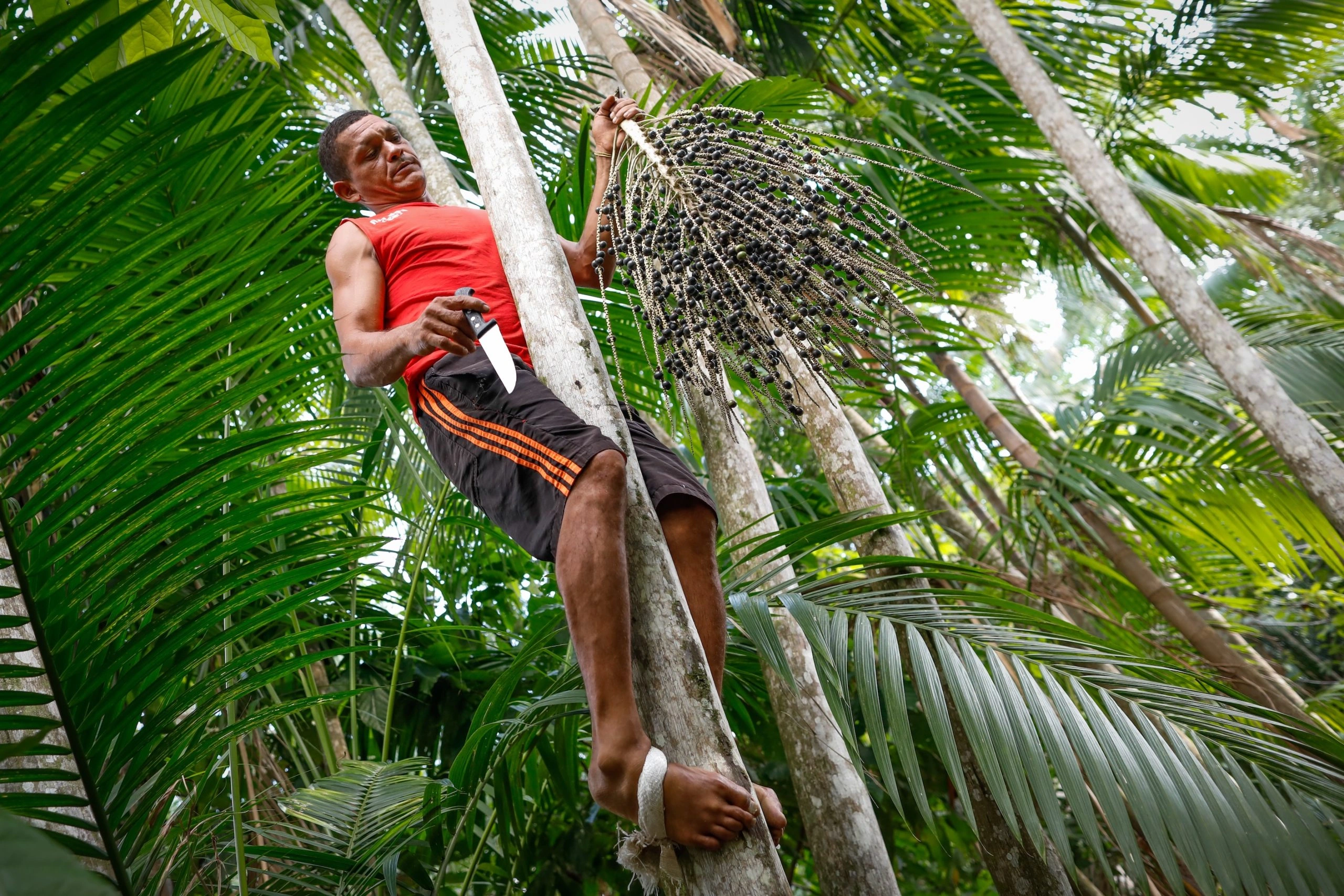
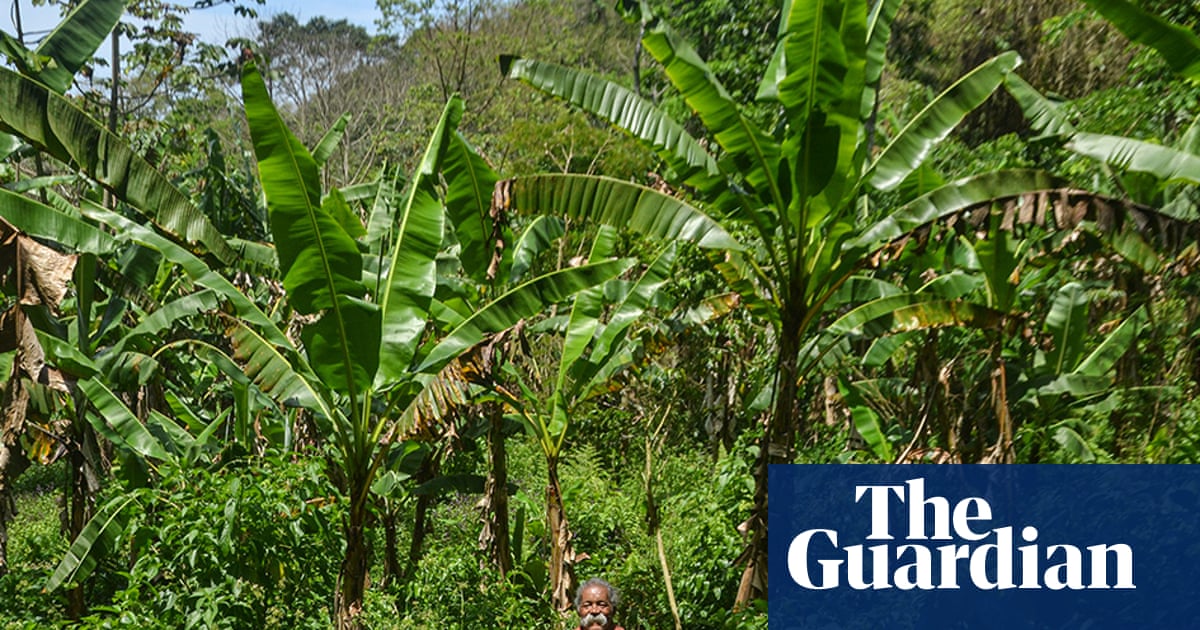
he sound of the scythes wielded by brothers Jorge and Ubirajara Cardia breaks the silence in the hills of Vargem Grande, in the south-west zone of Rio de Janeiro city. Quilombola from the Cafundá Astrogilda community, they harvest bananas the same way their ancestors used to. Every week, they select the bunches of prata, maçã, and Cavendish bananas, cut them down and, on the back of their mules, go down the hillside with the newly harvested crop.
Through sloping ways in the forest, they travel about 5km (3 miles) along paths first opened by the Indigenous Tupinambá people and enslaved workers of African descent.
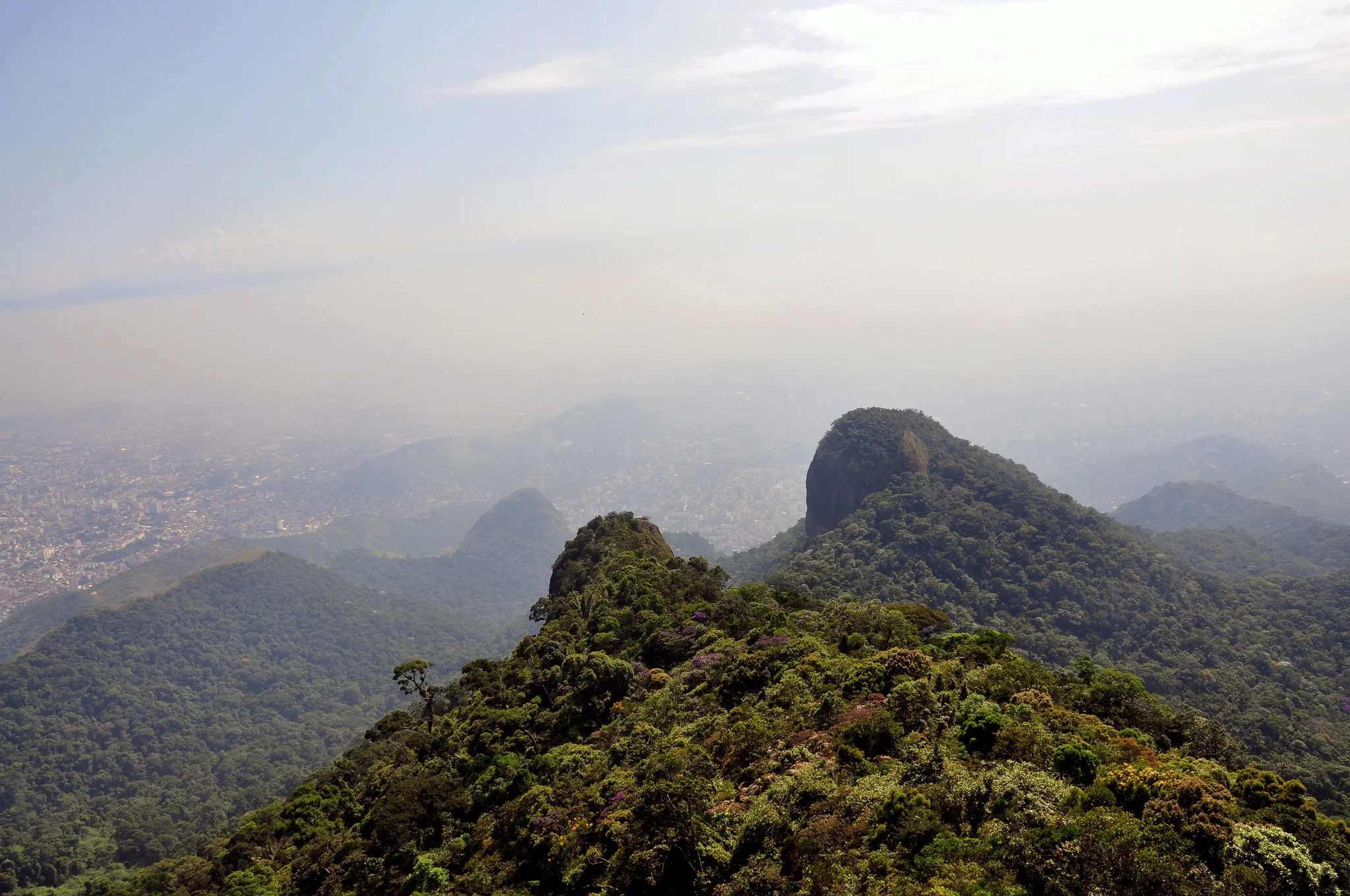
The abundant banana groves cultivated by quilombola communities and traditional farmers are part of the designated Pedra Branca state park conservation area. There, the banana growing tradition guarantees more than financial and food security for these communities.