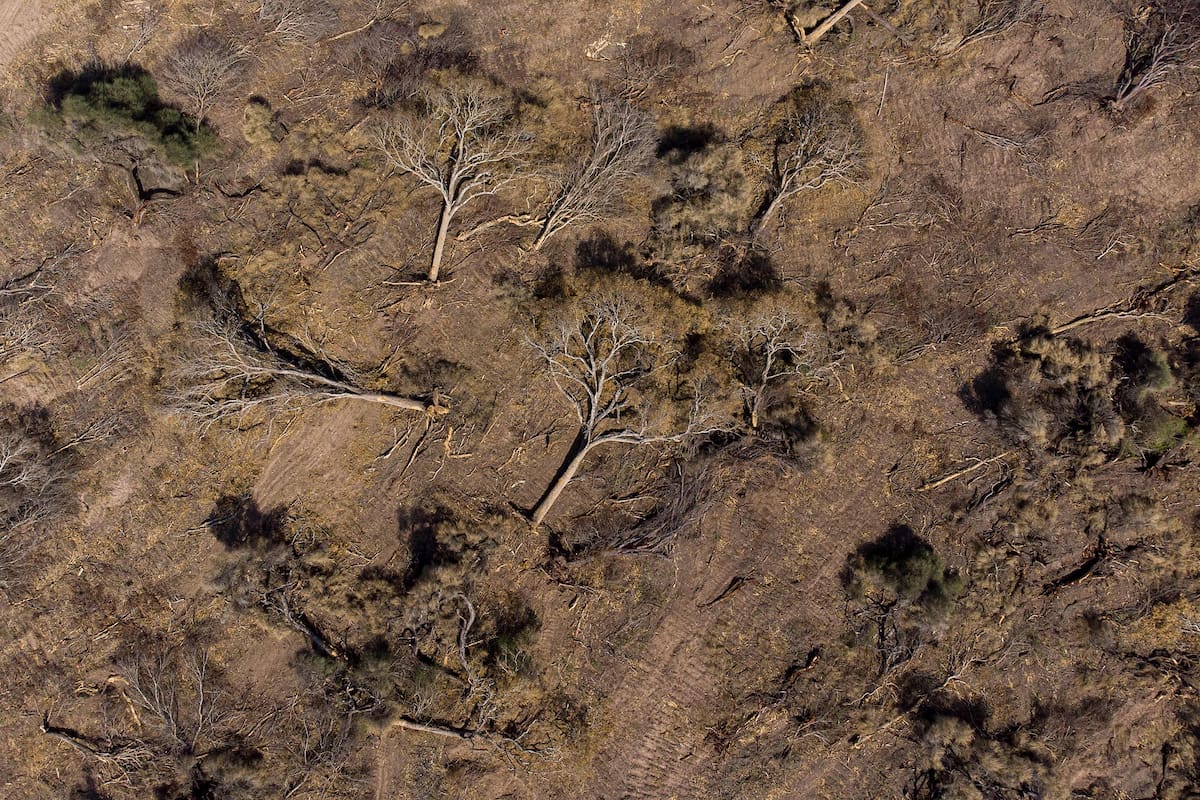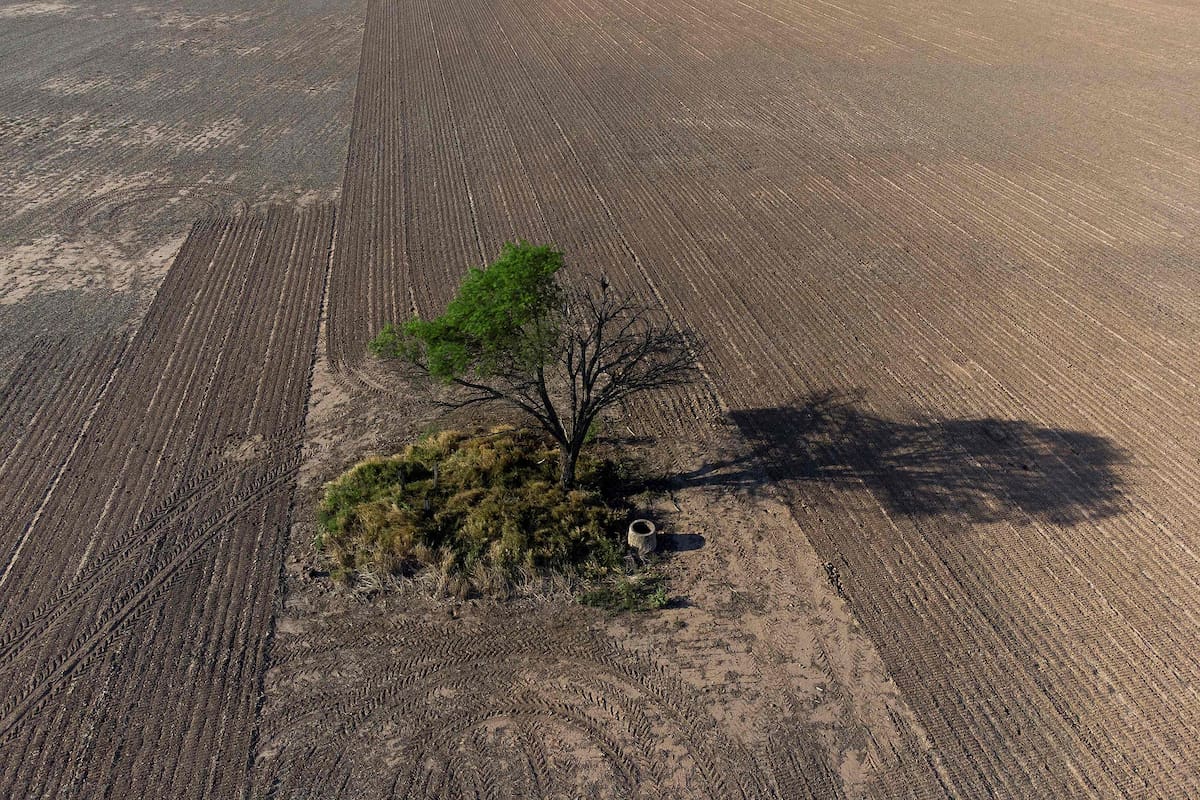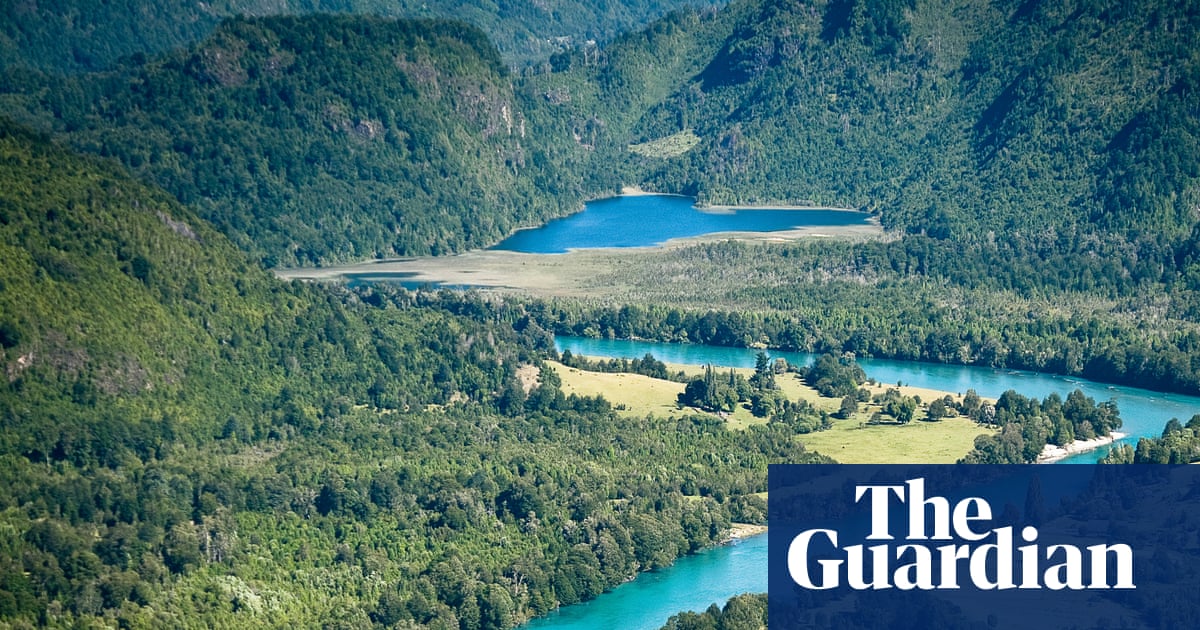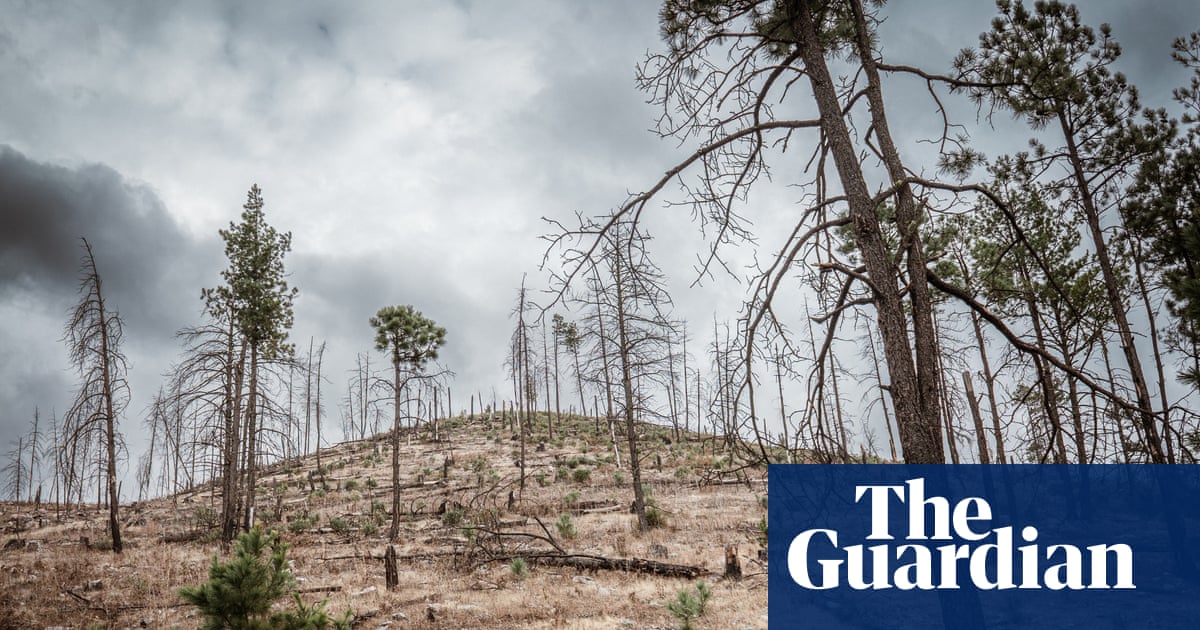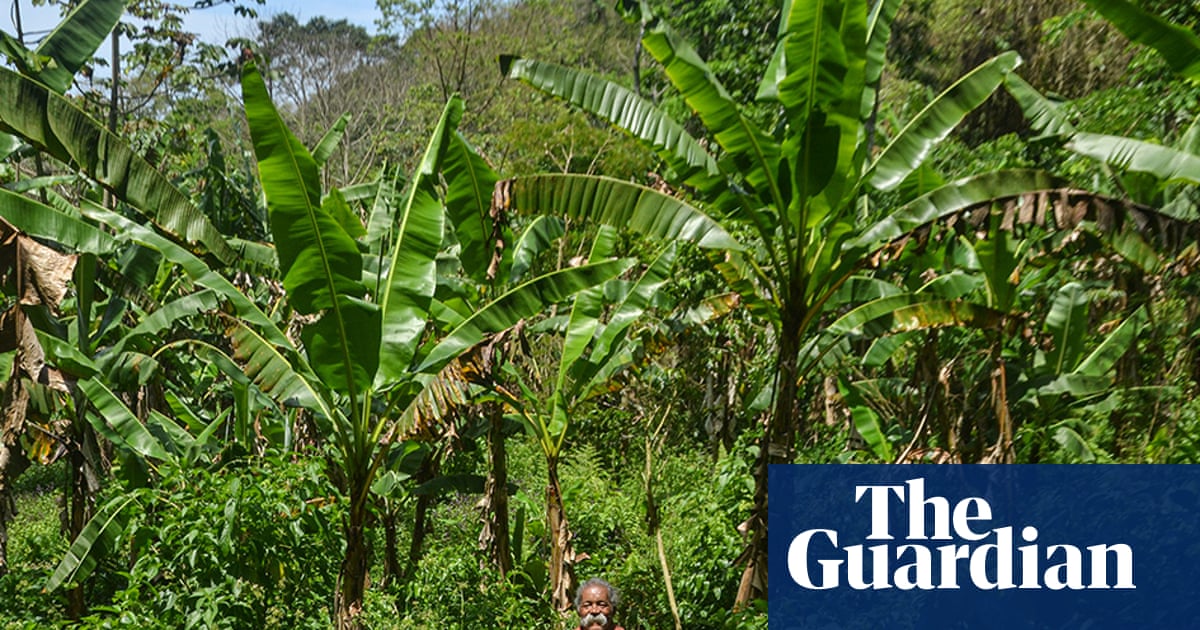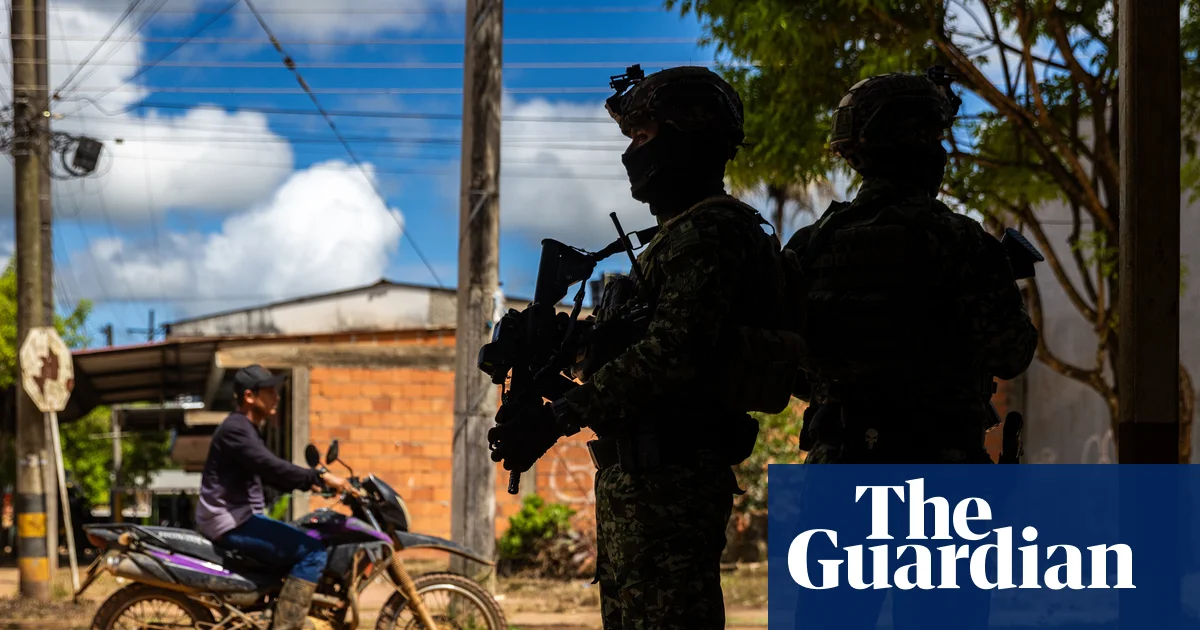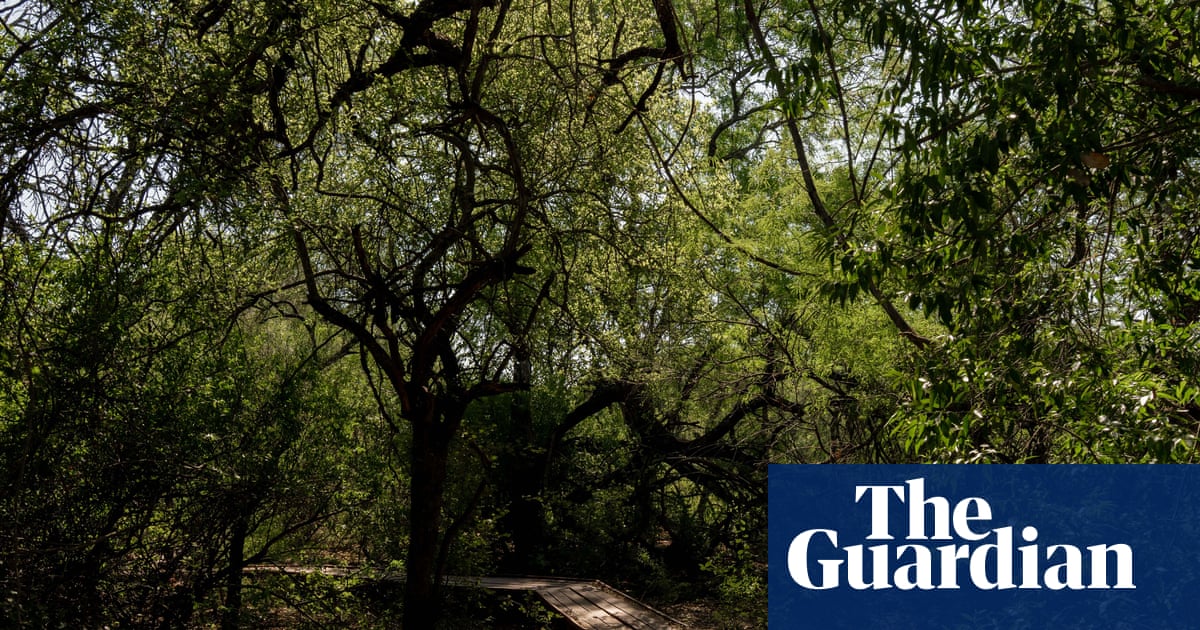
Small farmers and community-led conservation efforts are trying to protect one of the biggest semi-arid forests in the world – under threat from expanding agriculture, wildfires and the ‘logging mafia’
J
orge Luna stands in a piece of Argentina’s Gran Chaco forest that he calls his own. Birds sing as he surveys skyscraping molle trees, known as pepper trees, palo santo and algorrobo, or carob trees. “It’s good wood,” says Luna, 55. “I was about to cut them down.”
Selling timber promises quick and easy money in the sprawling ecosystem that covers parts of Argentina, Bolivia, Paraguay and Brazil. But it comes at a steep price, contributing to rampant deforestation and irreversible damage to the forest.
It is a dilemma faced by many small farmers such as Luna, who was eking out a living raising cows, goats, pigs and horses on his 40 hectares (100 acres) in Chaco province. Financial hardship, lack of information, or shaky land tenure are causing many to sell or lease their plots, often still covered with native forest.