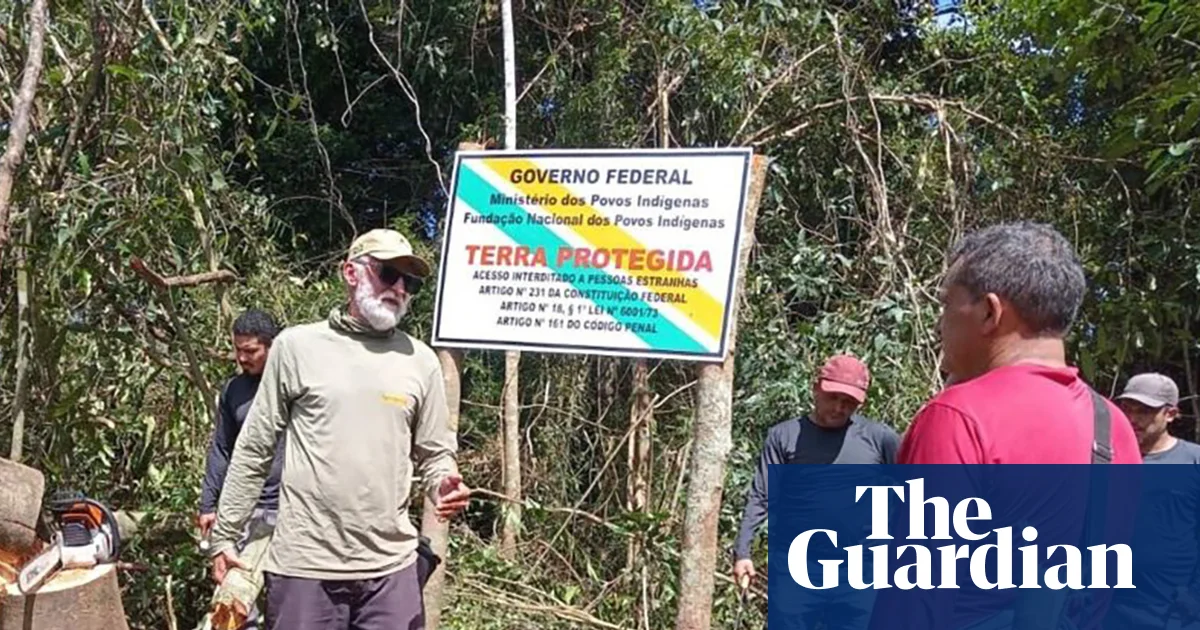
Across Brazil, orders known as land-use restrictions serve as temporary protective measures for the territories of recently contacted Indigenous peoples and those living in voluntary isolation.But while the measures are meant to allow time for the formal demarcation process to be carried out, they’ve now become an end to themselves, renewed repeatedly and failing to prevent the invasion and exploitation of these lands, says Brazilian federal public prosecutor Daniel Luís Dalberto.Dalberto told Mongabay in an interview that the measure is meant to be precautionary and accompanied by other protective measures by government agencies, such as monitoring work and operations to combat crime.He also raised concerns about the frequency with which issues affecting Indigenous territories are being raised to the country’s highest court, rather than being resolved at local courts and tribunals, which closes off an important front in the fight for fundamental rights.
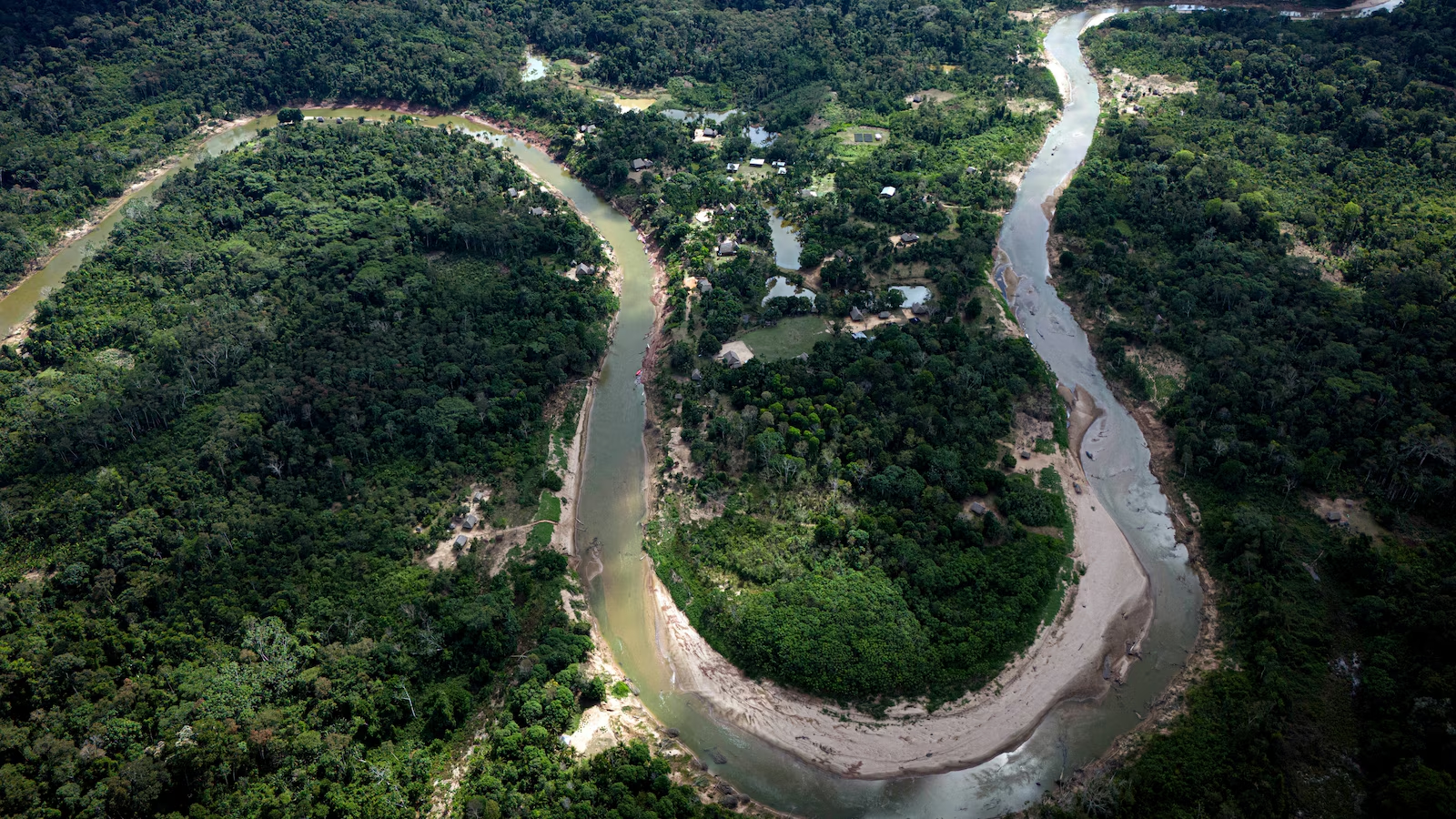
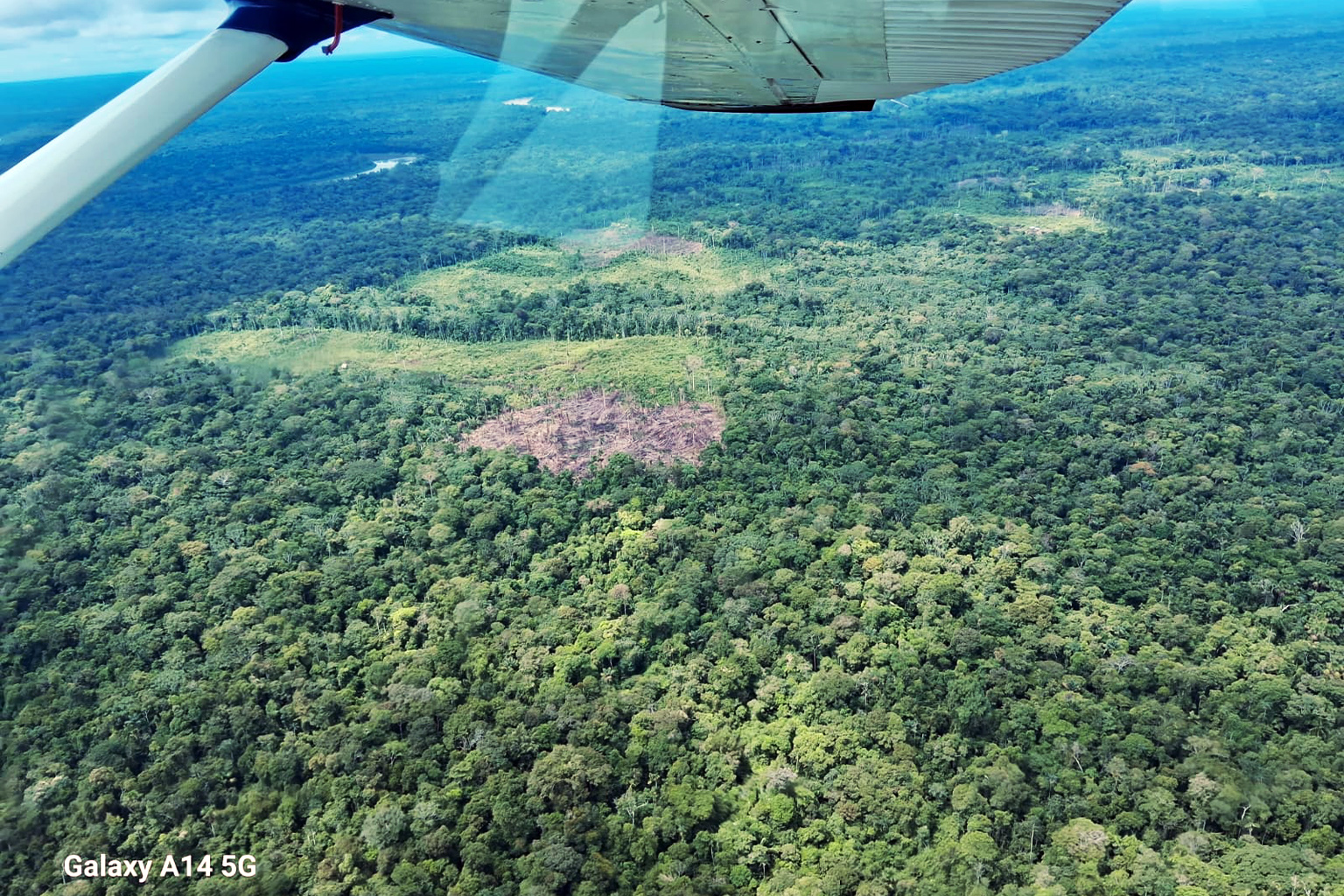
The year 2011 marked the first time a land-use restriction order was enforced for the Ituna/Itatá Indigenous Territory, a swath of Brazilian Amazon roughly twice the size of Singapore and home to people living in voluntary isolation. The order was meant to protect the latter by prohibiting unauthorized individuals from entering — but rates of forest loss and invasions grew. In 2019, Ituna/Itatá was one of the Indigenous territories with the highest forest loss, primarily due to illegal land grabbers.