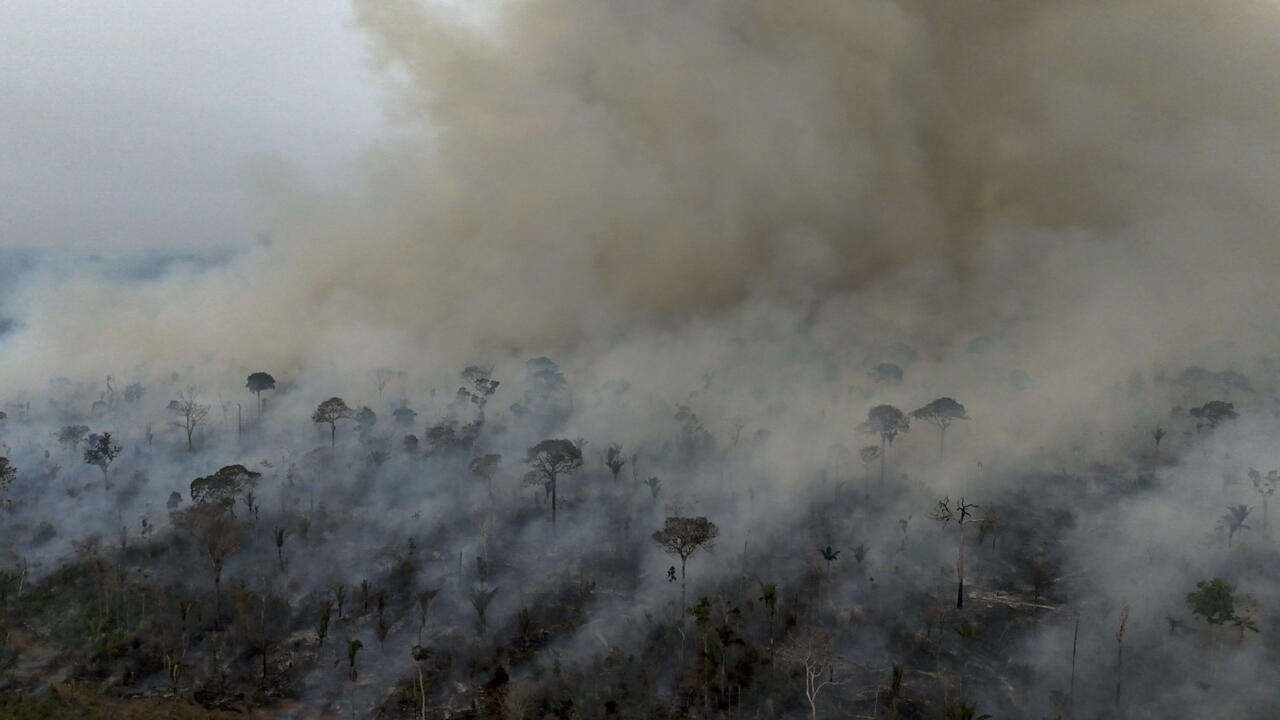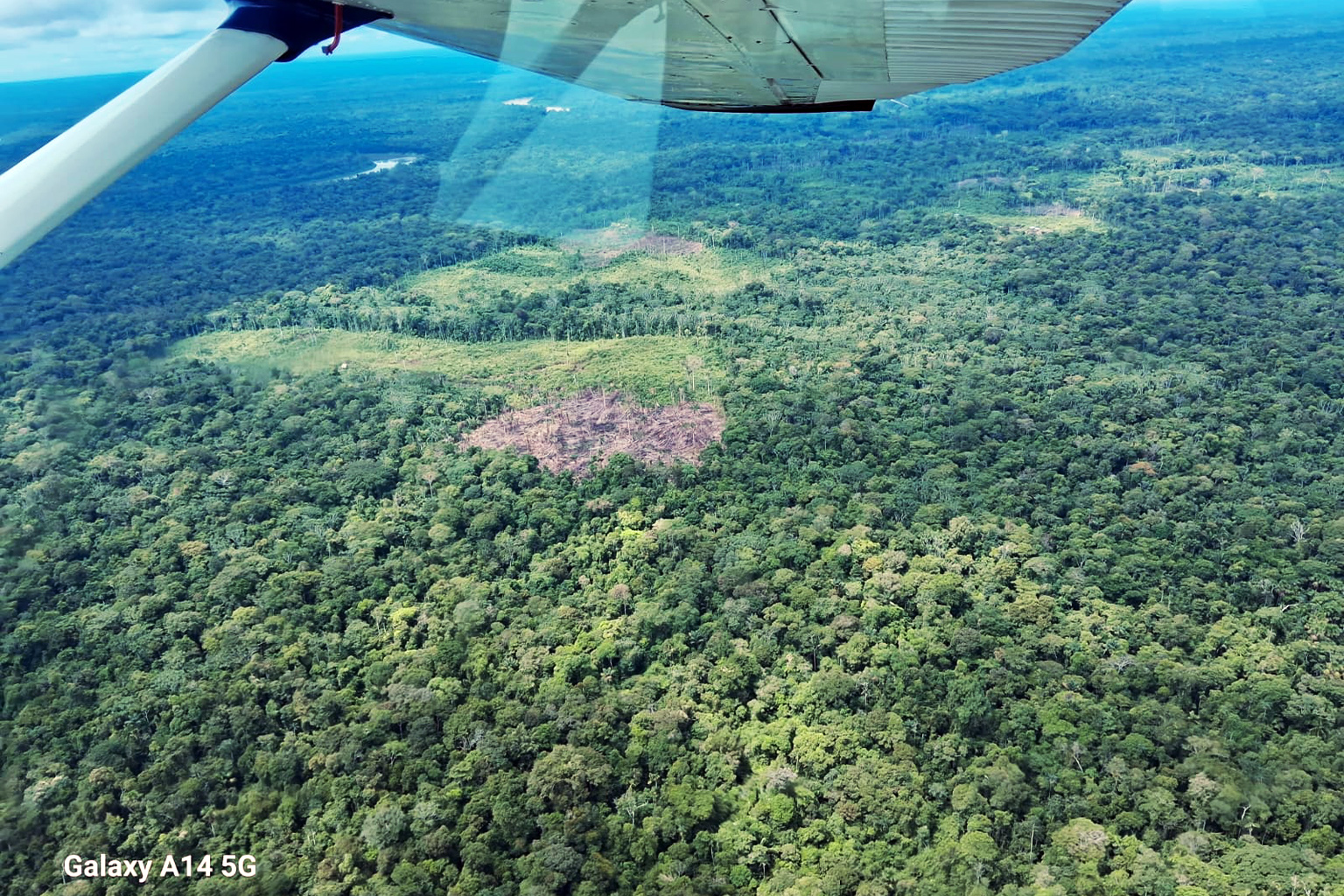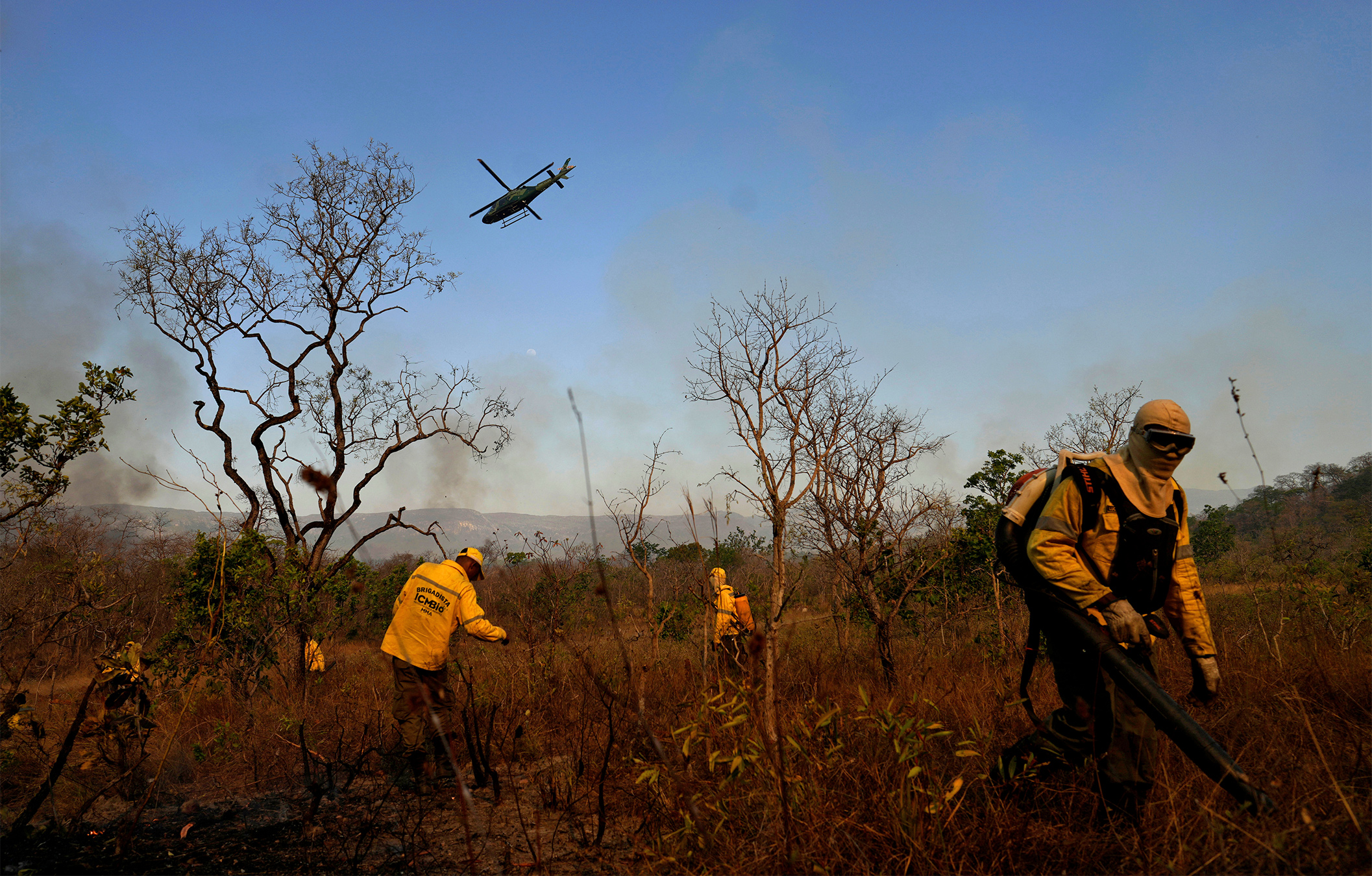
In 2025, fires caused a significant spike in forest loss in Indigenous territories in Brazil that are home to peoples living in voluntary isolation: Alto Turiaçu, Uru-Eu-Wau-Wau, and Apiaká do Pontal e Isolados.According to data from Global Forest Watch, fires were responsible for nearly all of the forest loss in each of the territories, destroying mostly primary forest.Indigenous leaders told Mongabay that fires are a threat to their way of life, including those living in voluntary isolation, negatively impacting health, vegetation, biodiversity, and food security.A climate expert warns the upcoming El Niño, predicted to be stronger than the 2023-2024 event, will likely lead to warmer temperatures and drier conditions across the Amazon Basin, making it more prone to fires.
In 2025, fires were responsible for a significant spike in forest loss in three territories in Brazil that are home to Indigenous peoples living in voluntary isolation, according to Global Forest Watch data analyzed by Mongabay.
Indigenous leaders from the Alto Turiaçu, Uru-Eu-Wau-Wau, and Apiaká do Pontal e Isolados Indigenous territories, told Mongabay that fire is a growing threat to their way of life and the isolated Indigenous people who share the same lands. It affects their productive practices and destroys the biodiversity and vegetation they depend on for hunting and gathering, thereby leading to food insecurity. Damage to health, such as respiratory problems caused by the smoke, is another impact frequently mentioned by sources Mongabay spoke to.