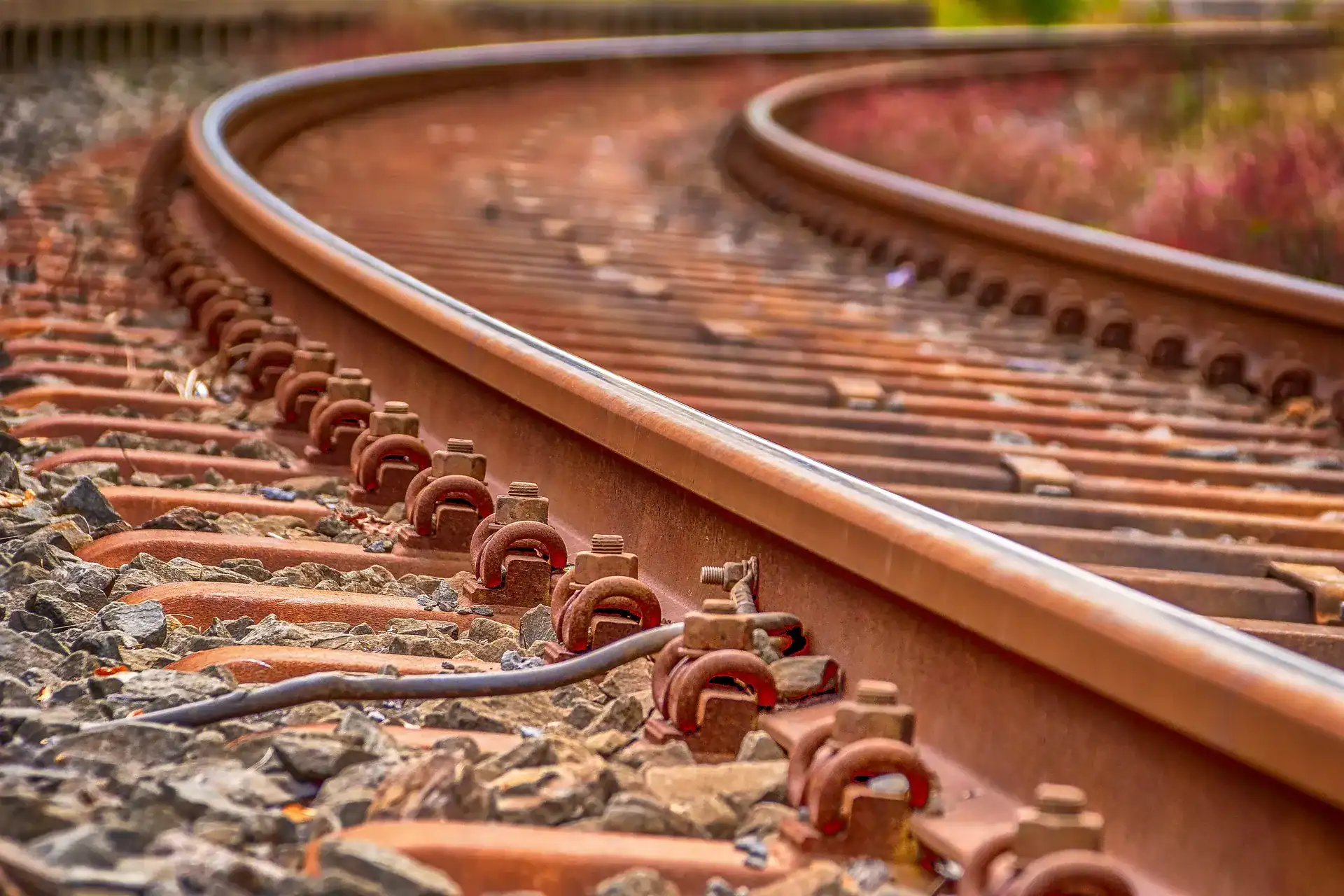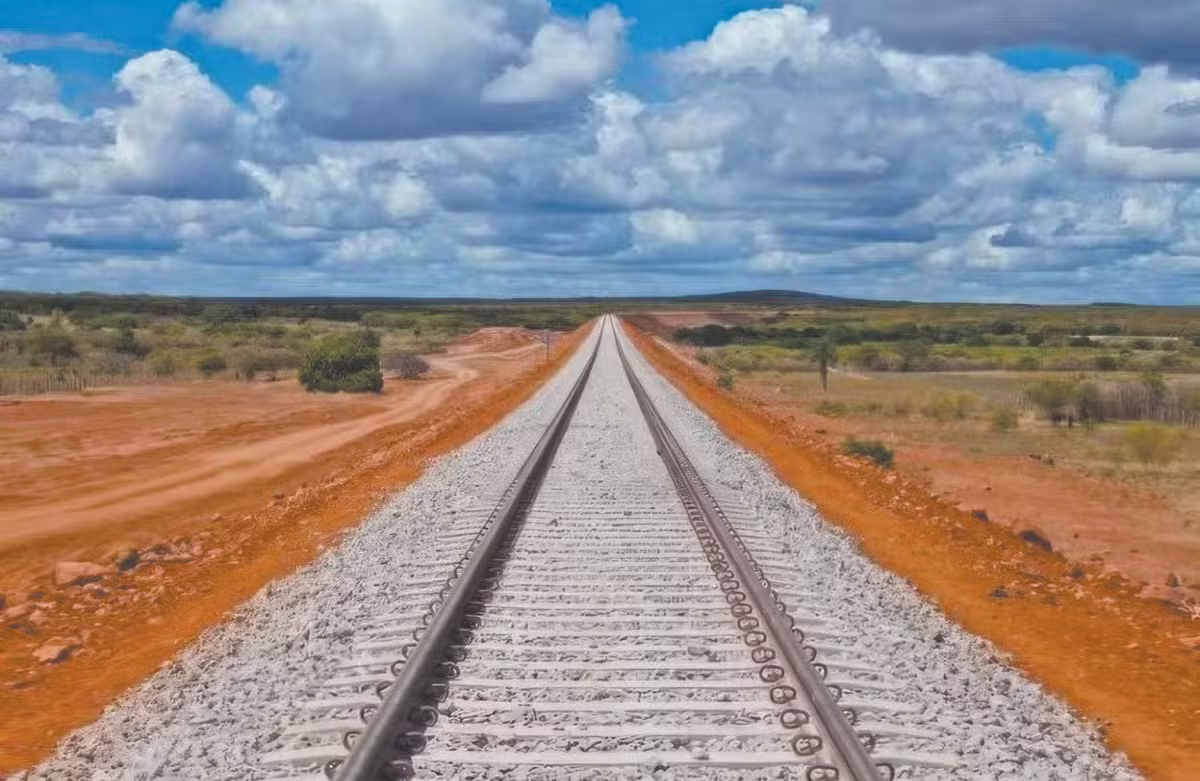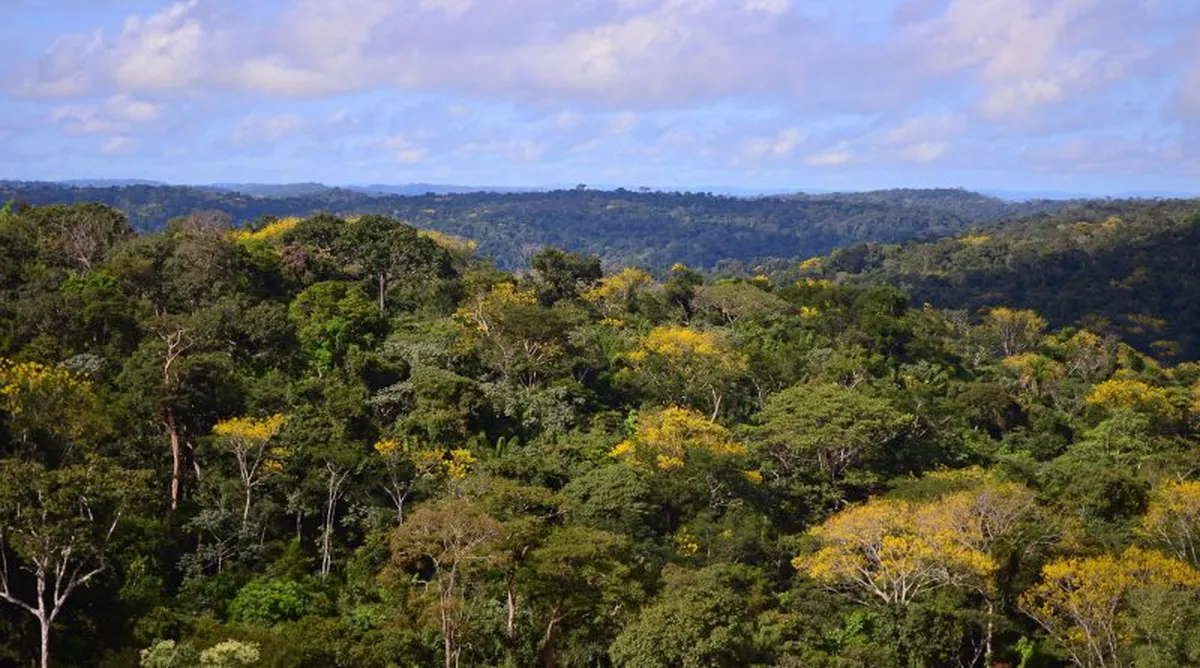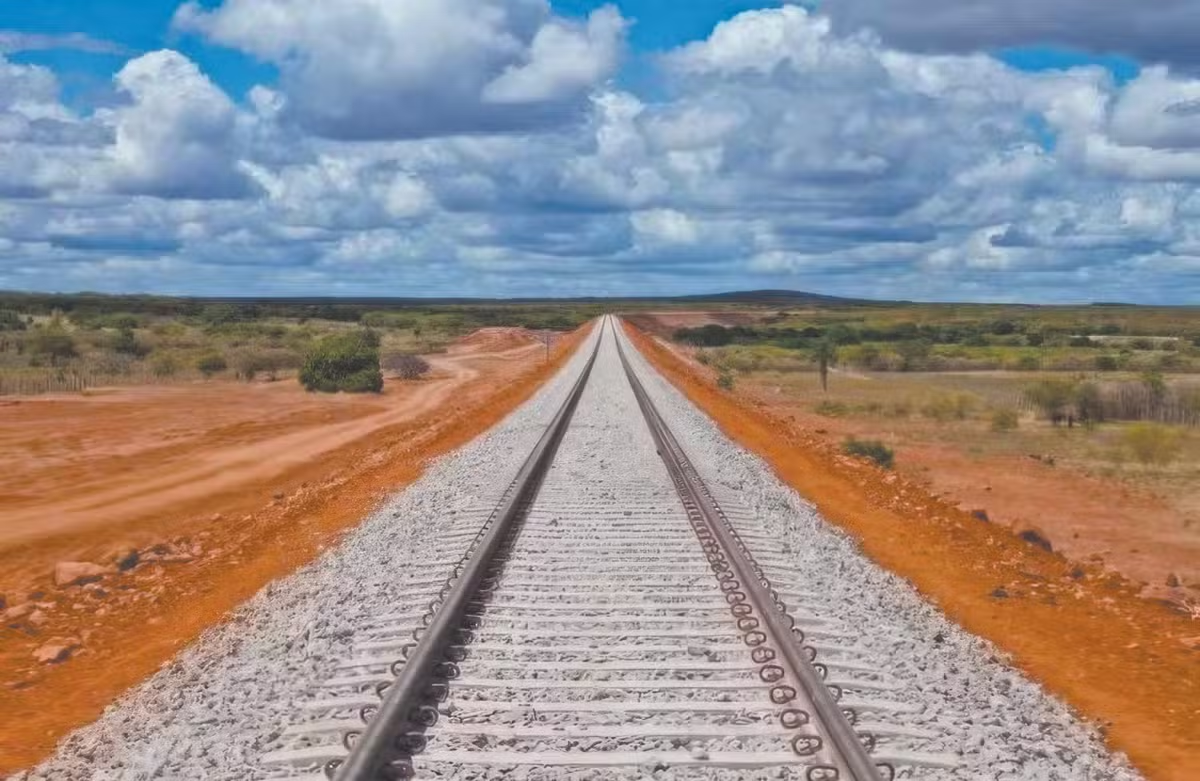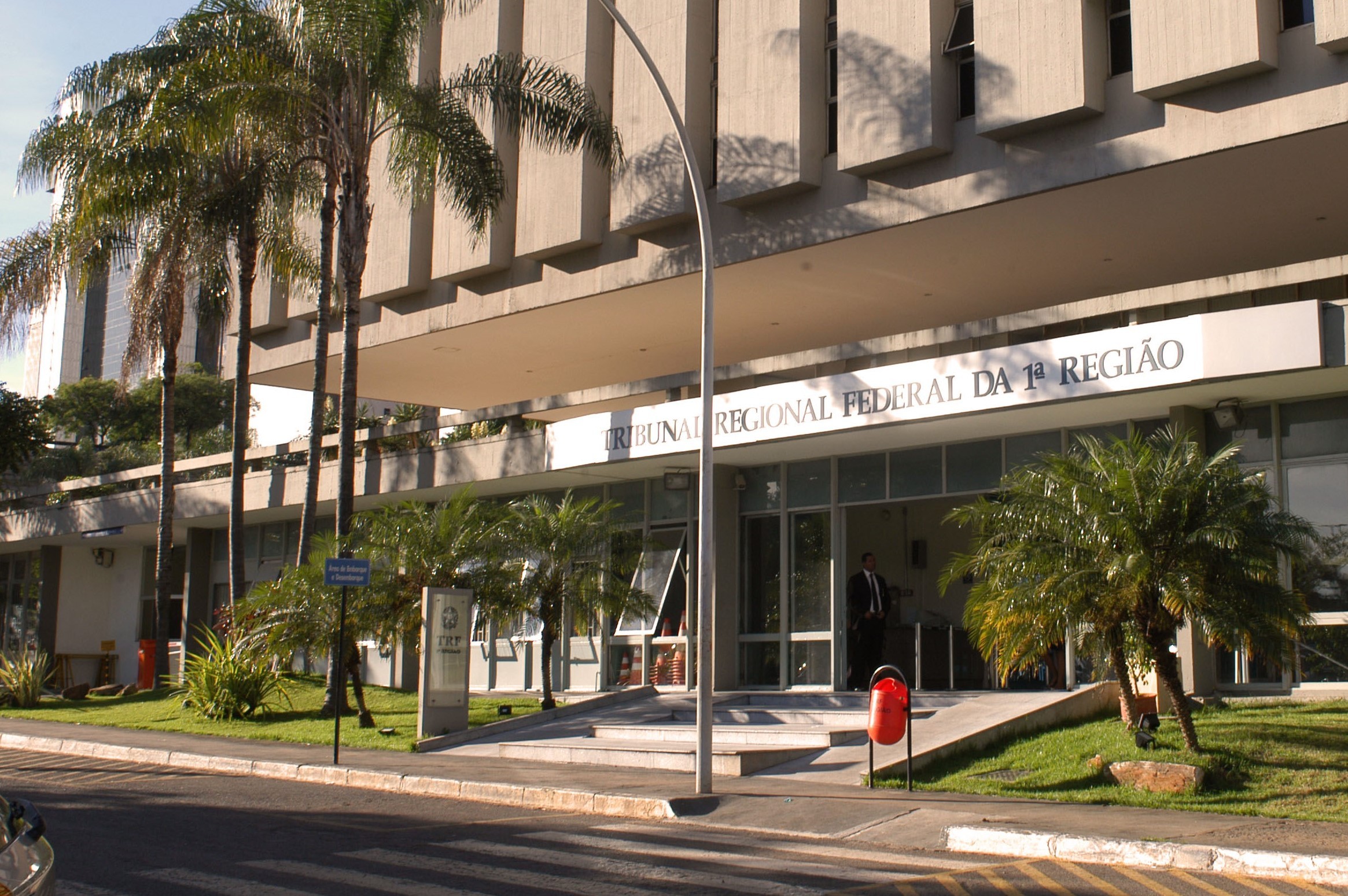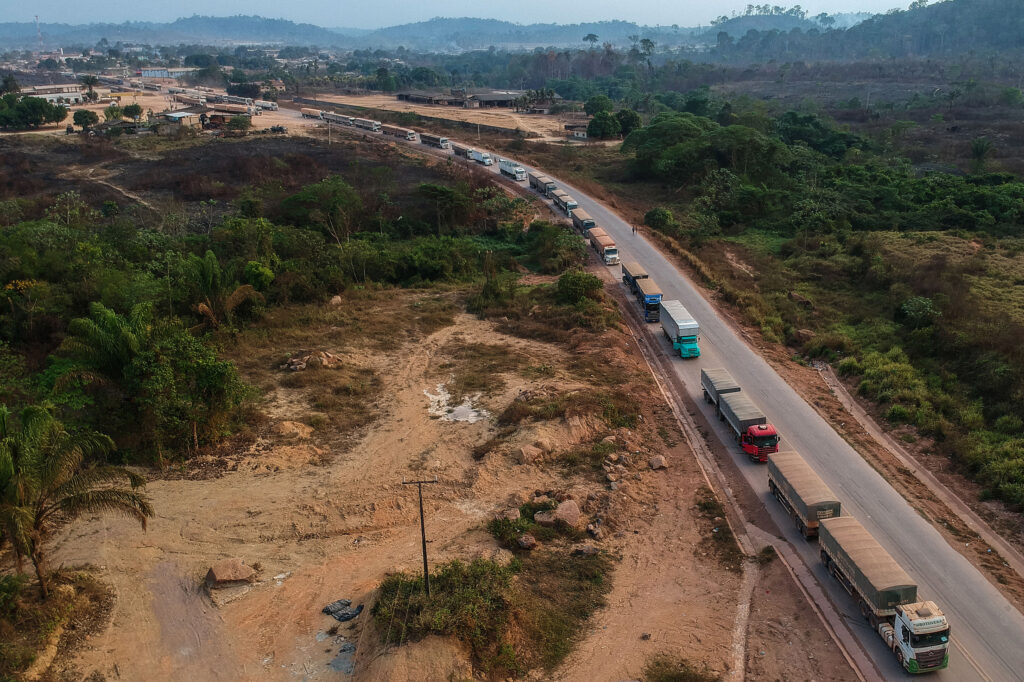
A nearly 600-mile railway that would cut through the heart of the Amazon rainforest got one step closer to reality Thursday when the Brazilian Supreme Court ruled that a national park could be resized to accommodate its passage.
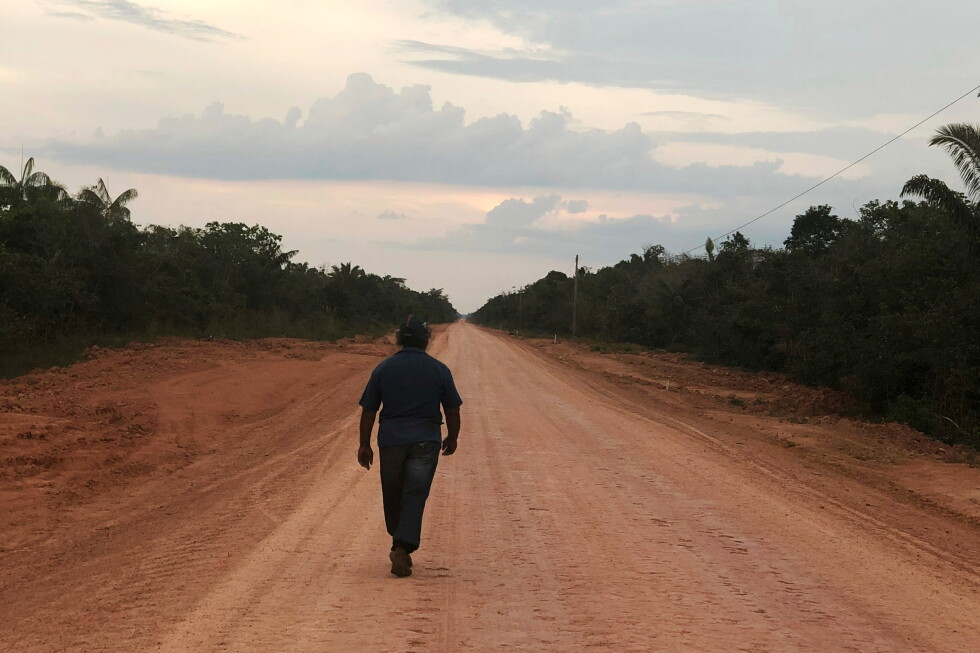
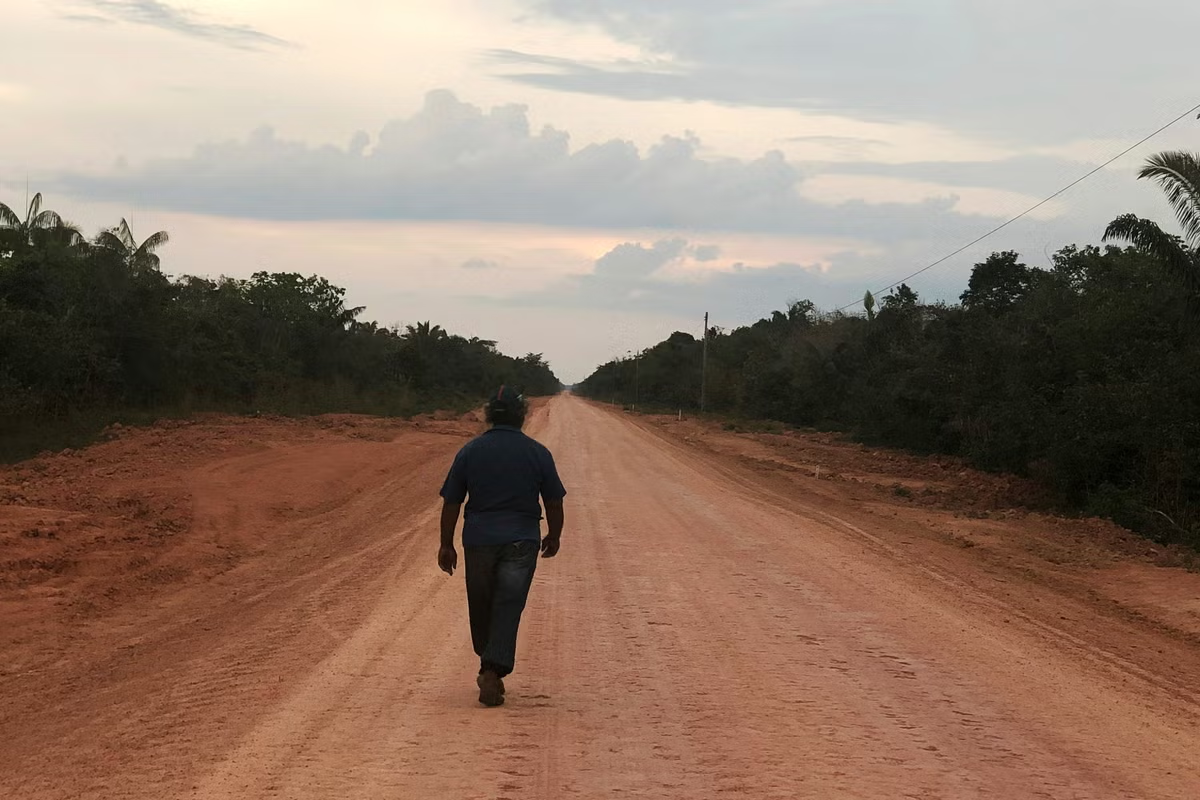
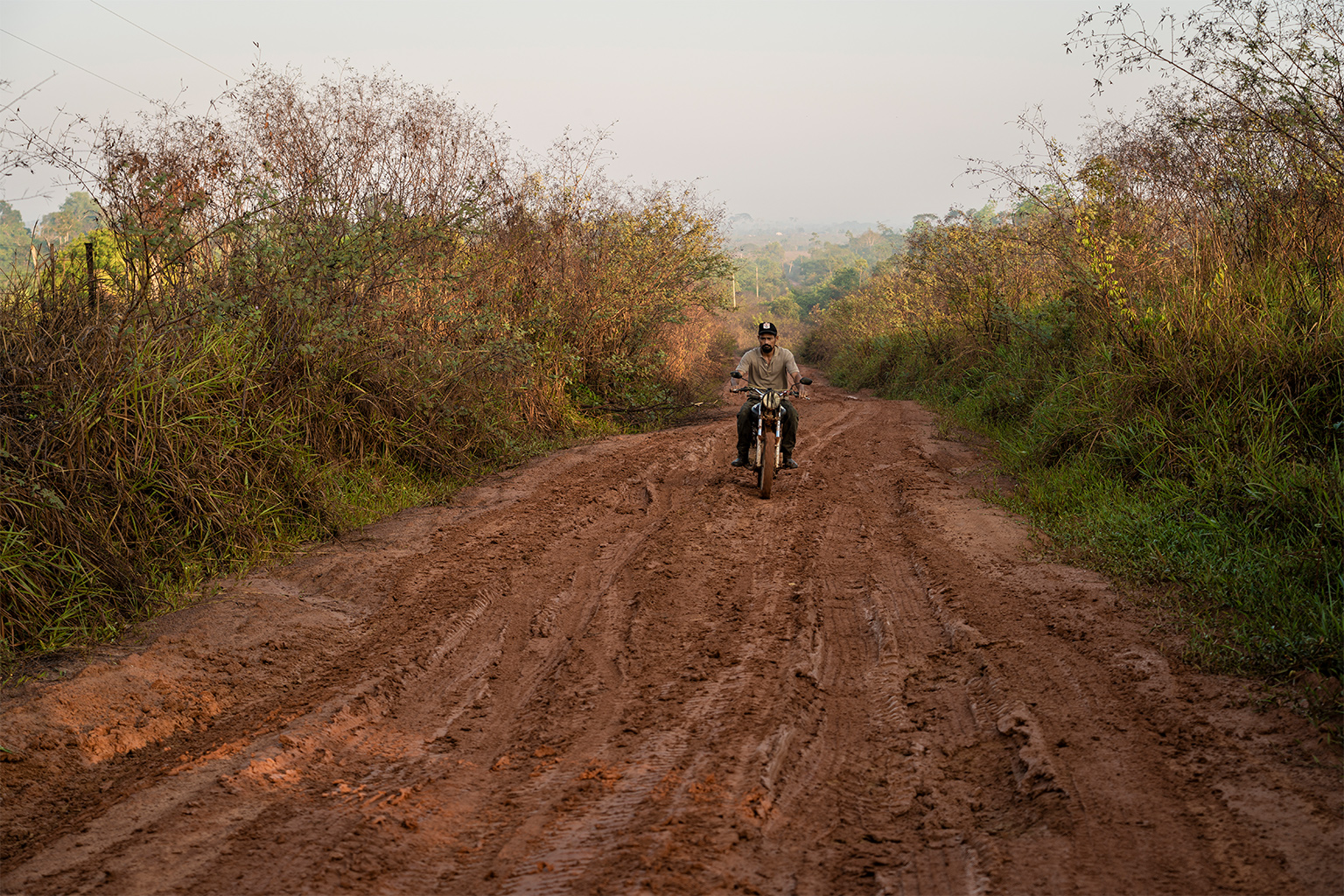
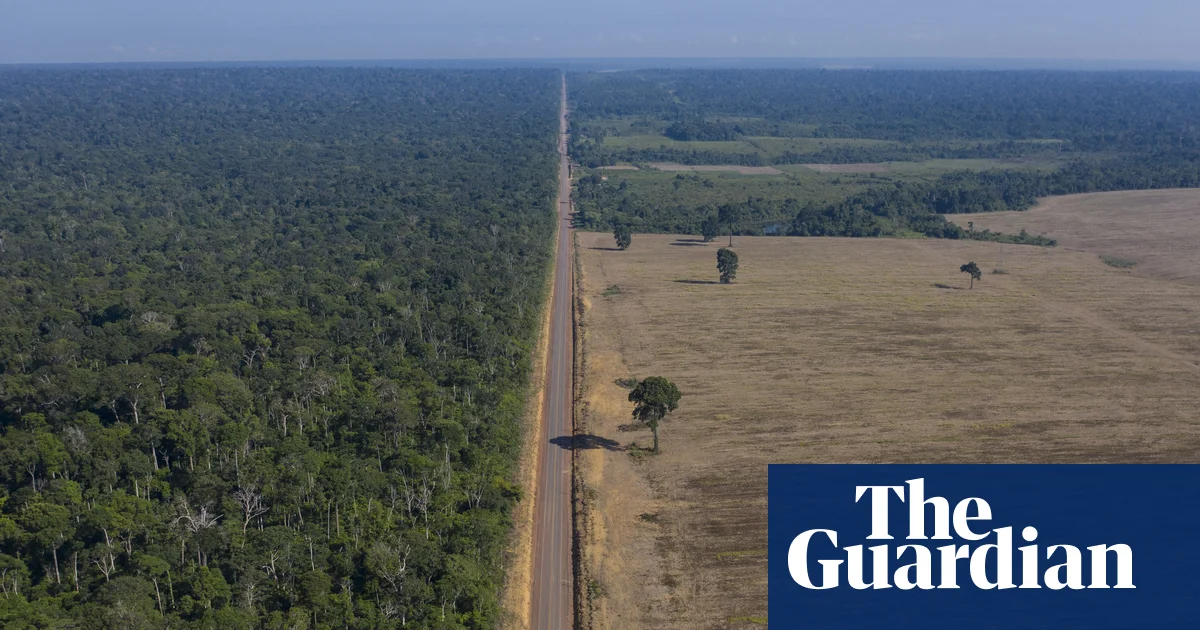
If approved, the Ferrogrão, or “grain train,” would run alongside a notoriously clogged and troubled road known as the “soy highway” that carries soybeans and corn from massive plantations to riverways in the Amazon basin—and from there to livestock feedlots across the world.
The project is supported in large part by major soy traders, including the American grain giant Cargill. Cargill and the Brazilian developers argue the railway is essential for economic growth in the region and is part of a broader effort in the northern Amazon to improve infrastructure and facilitate grain exports.
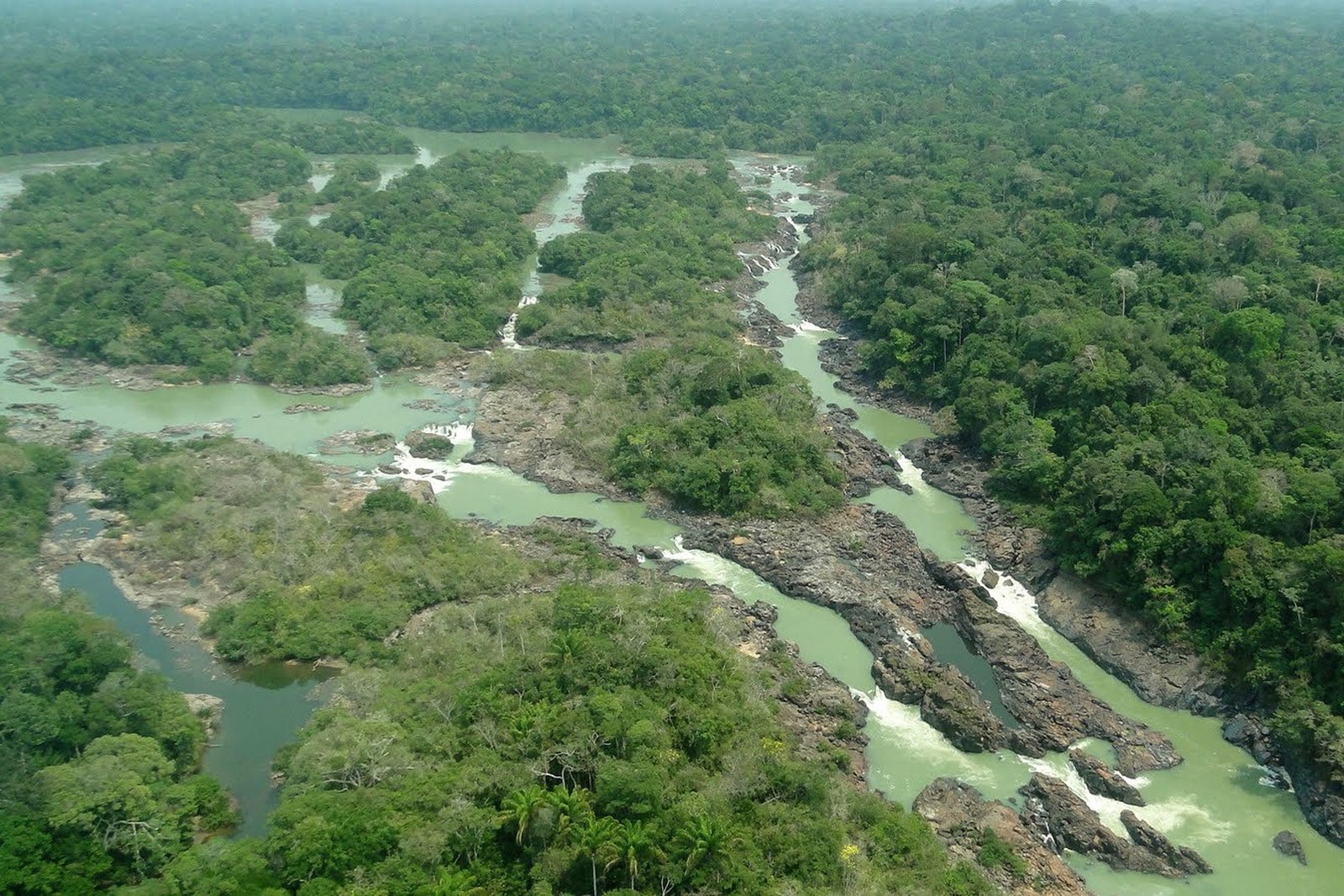
But Brazilian researchers have estimated the railway will directly lead to more than 1,500 square miles of deforestation, releasing 75 million tons of carbon, and that broader environmental impacts will affect an area of roughly 19,000 square miles, bigger than the state of Connecticut.
The Amazon rainforest is the world’s single largest reservoir of terrestrial carbon and essential to maintaining a stable atmosphere. The largest drivers of its loss are soy plantations and cattle ranching.