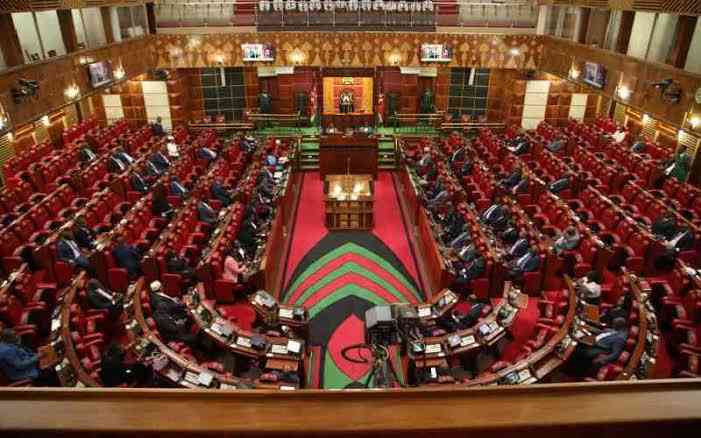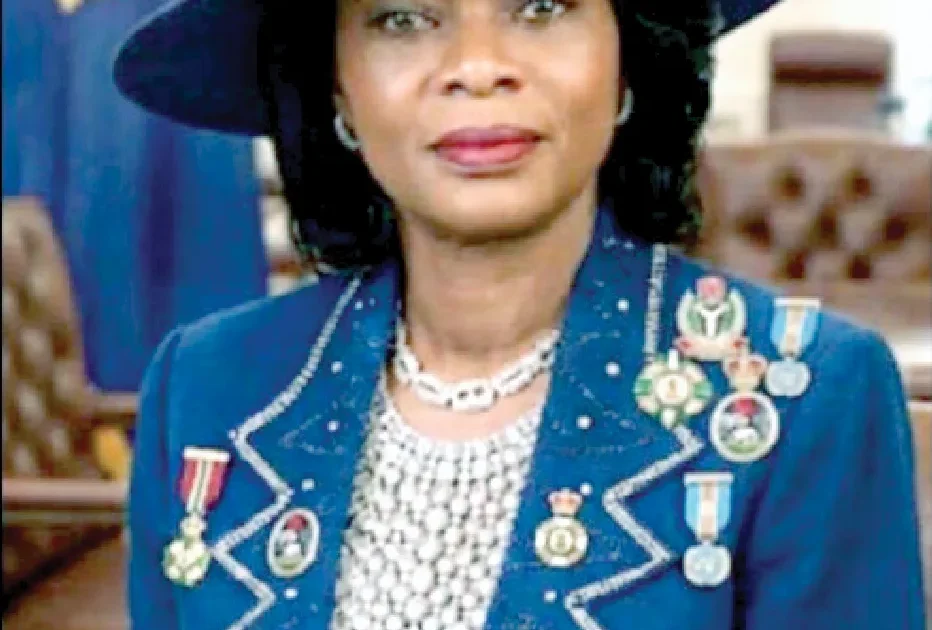
Women are believed to be half of the population of West Africa and should normally get half of everything, but the reality is that they do not get half the position at the table where things have been decided. Stakeholders including women in the sub-region recently came together in Nigeria’s capital, Abuja to discuss the issue. Michael Olugbode reports.
There are moments that redefine the trajectory of a region.
For the Economic Community of West African States (ECOWAS), the gathering of ministers, parliamentarians, electoral commissioners, development partners and women leaders in Abuja may prove to be one of those moments.
Just days after West African Heads of State adopted the Presidential Declaration on Strengthening the Representation of Women in Political Leadership in Freetown, Sierra Leone, Abuja became the stage for what many hope will be the beginning of a new political era—one where women are no longer spectators in governance but equal participants in shaping the future of the region.
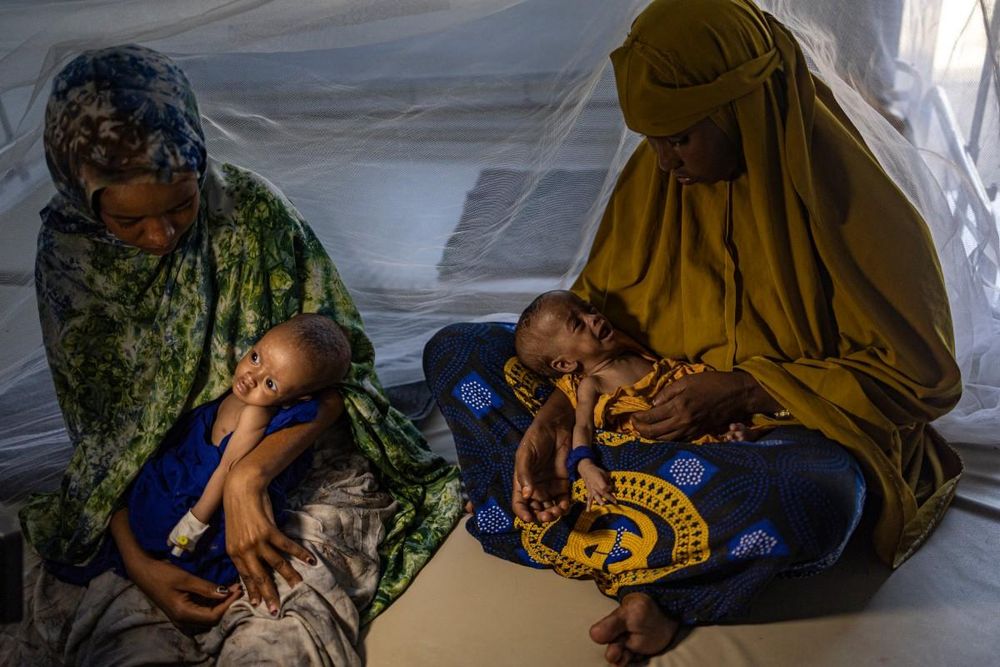
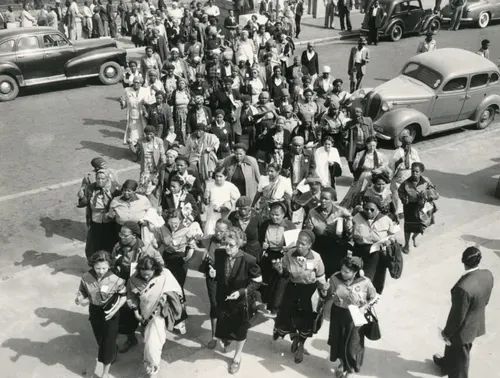
For decades, women have formed the backbone of West Africa’s economies. They dominate cross-border trade, sustain households, build businesses, nurture communities and mediate peace during conflicts. Yet when cabinet decisions are taken, budgets approved, laws enacted and governments formed, their voices remain disproportionately absent.