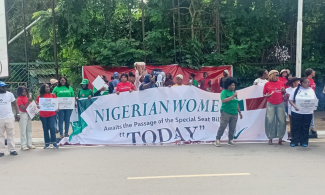
It’s a familiar pattern in the campaign for gender inclusion in Nigerian politics: a major reform proposal gathers momentum, draws public support, and then quietly stalls.
Every few years, as the nation approaches a major election, hope rises for the campaign. Speeches and promises are made, and bills are drafted.
However, as the electoral clock begins its final, frantic countdown, that hope is systematically strangled by procedural delays, silences, and “indefinite postponement.” It is, in many ways, beginning to feel like déjà vu.
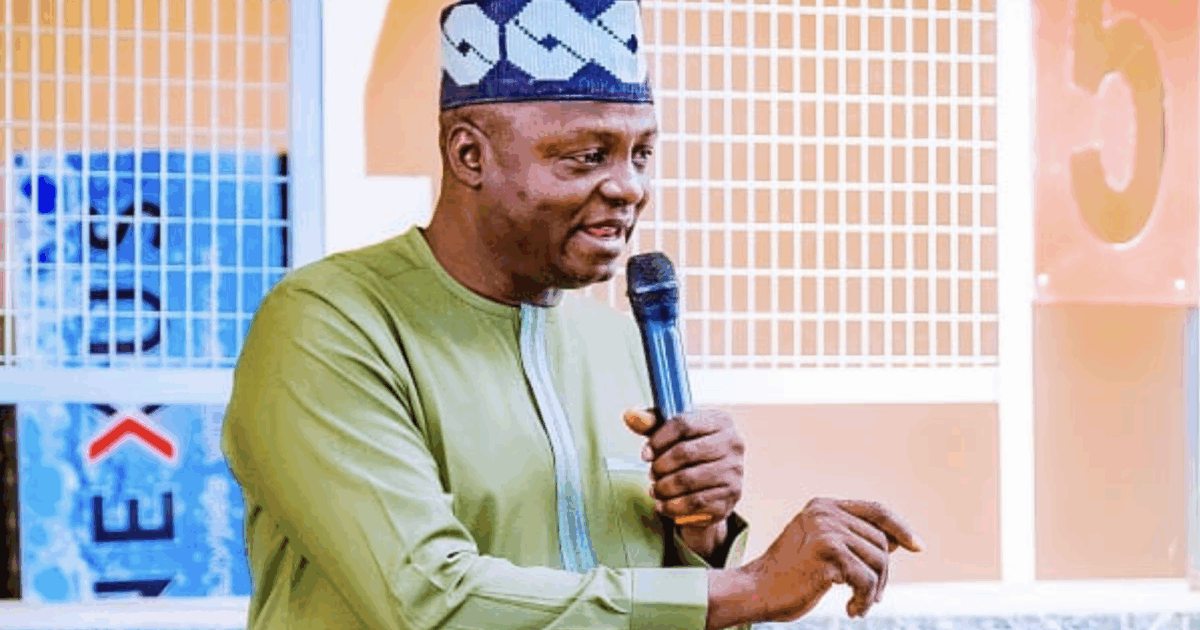
At the centre of this latest episode is the Reserved Seats for Women Bill, sponsored by the Deputy Speaker of the House of Representatives, Benjamin Kalu, alongside 12 other members of the House.
The proposal is one of the most ambitious attempts yet to correct Nigeria’s persistent gender imbalance in elective offices.