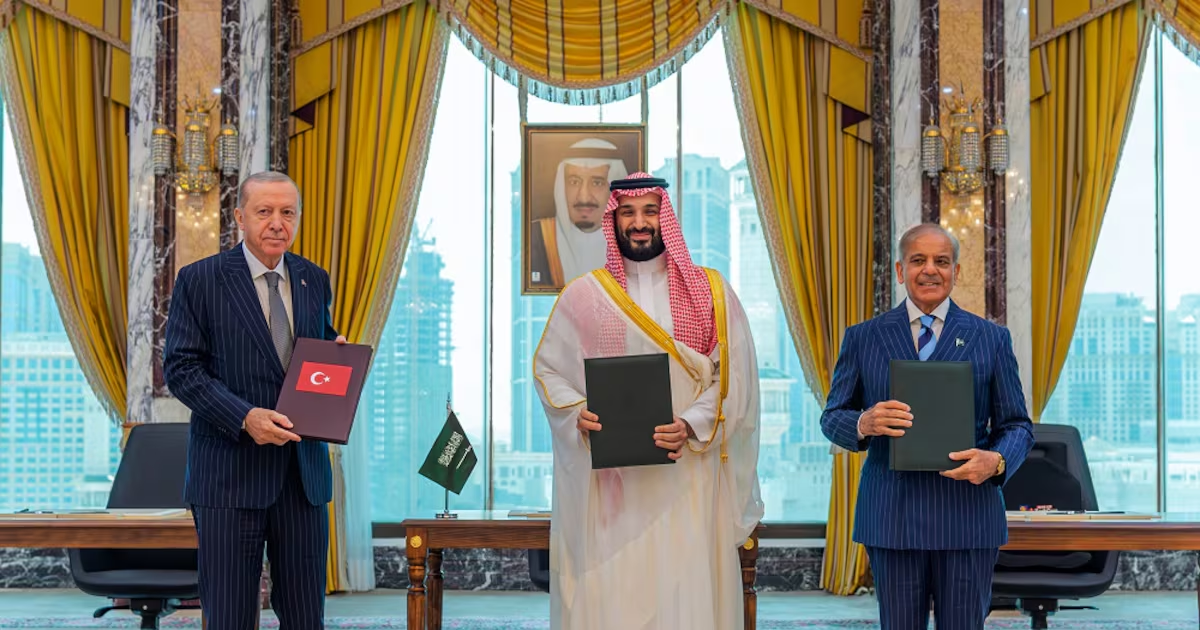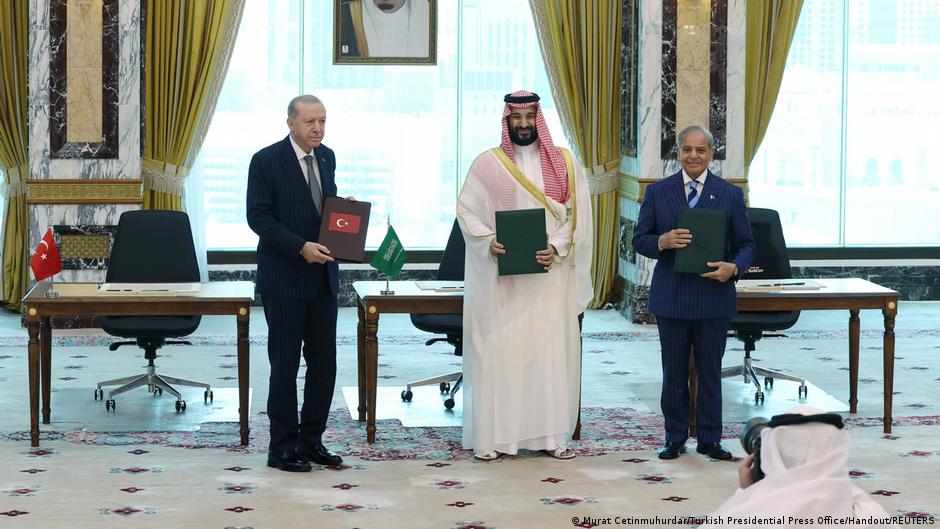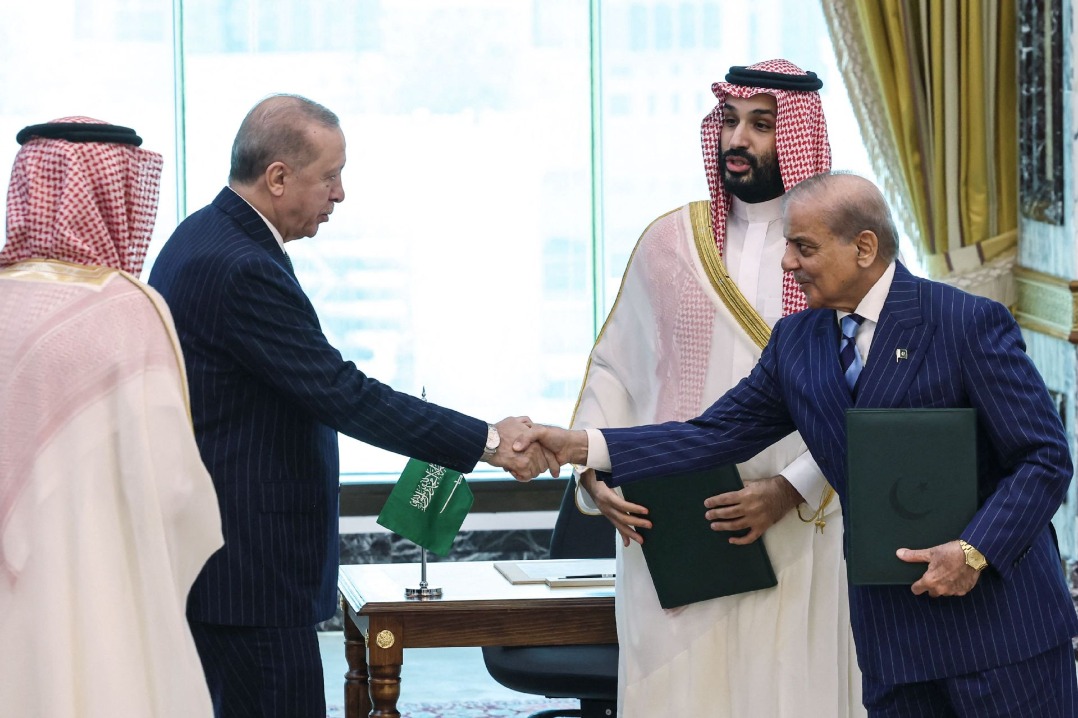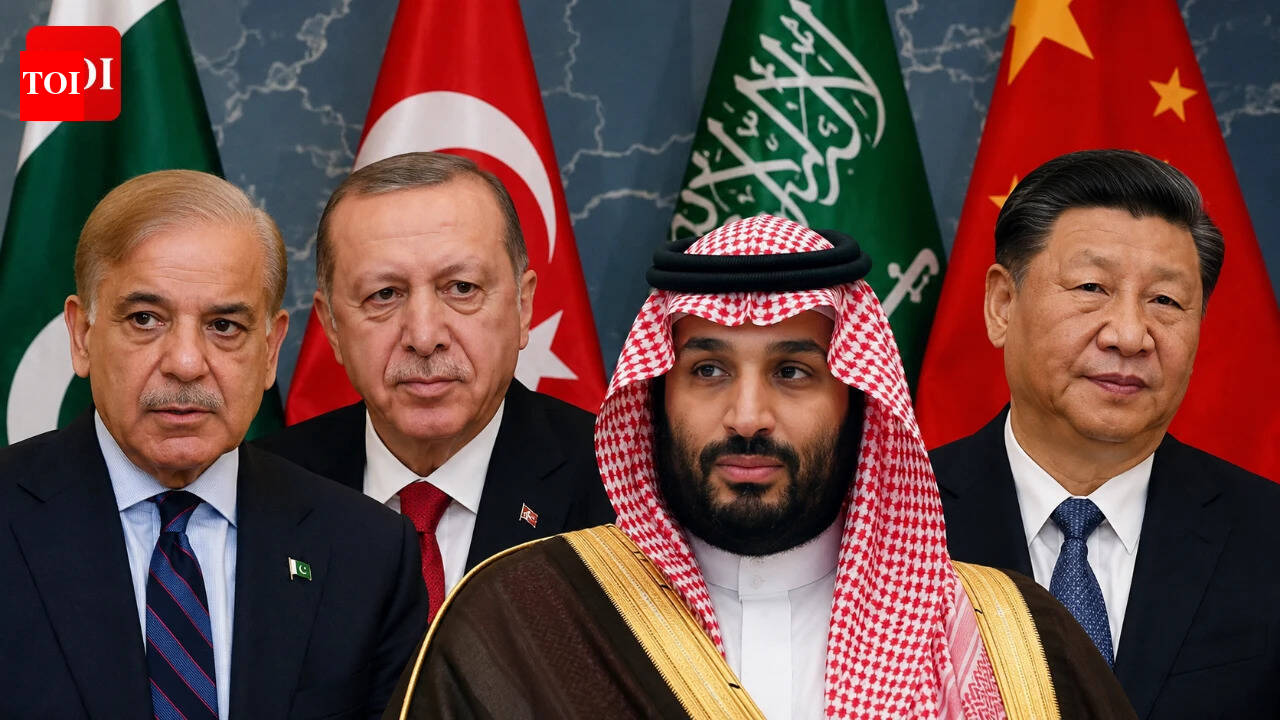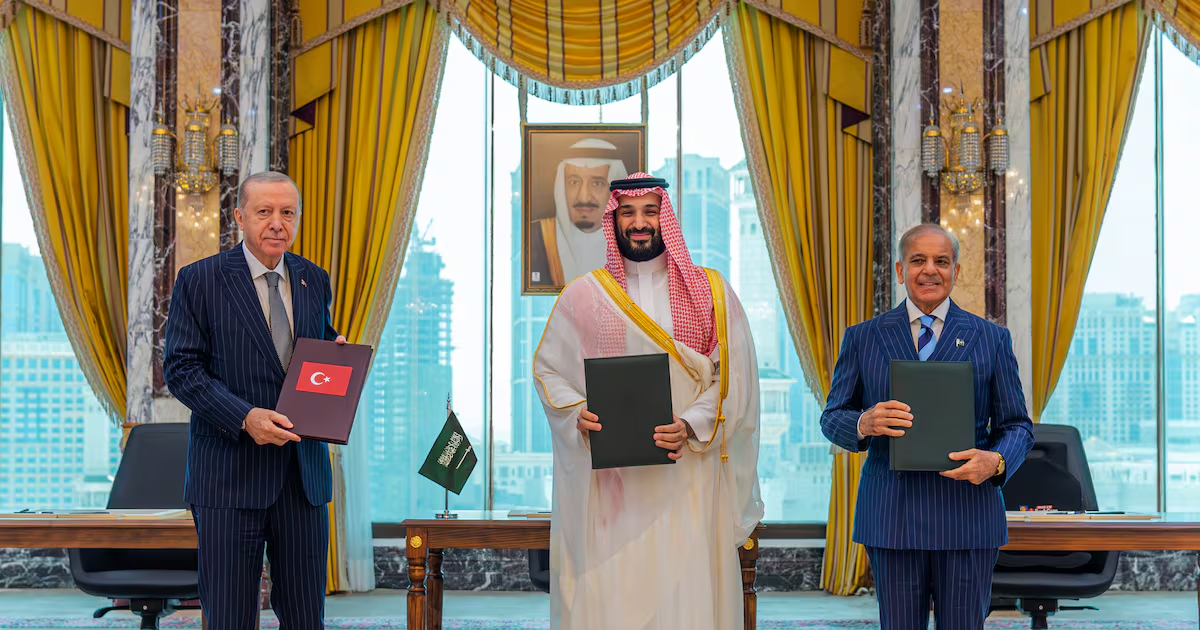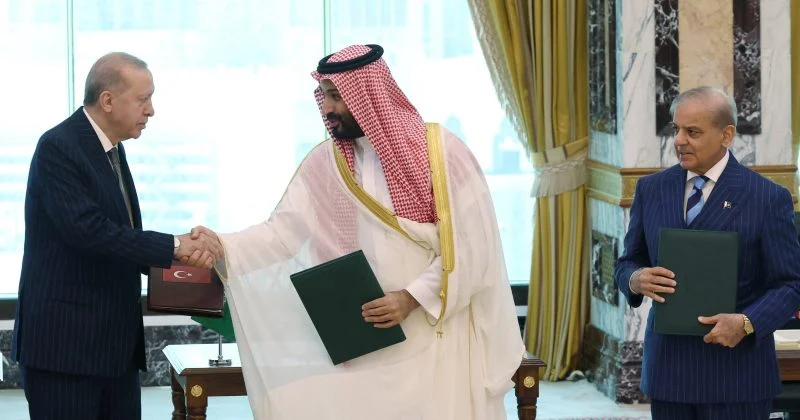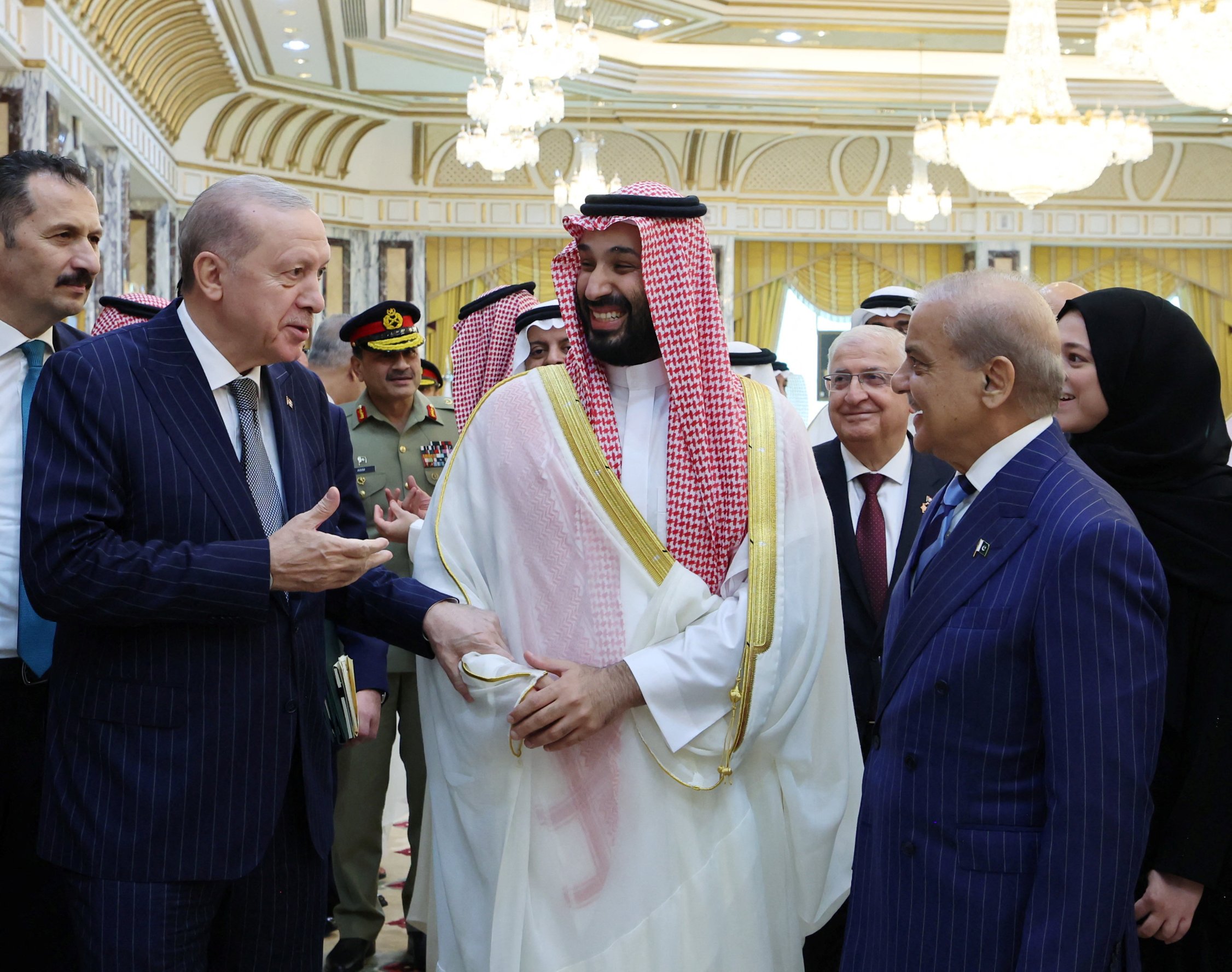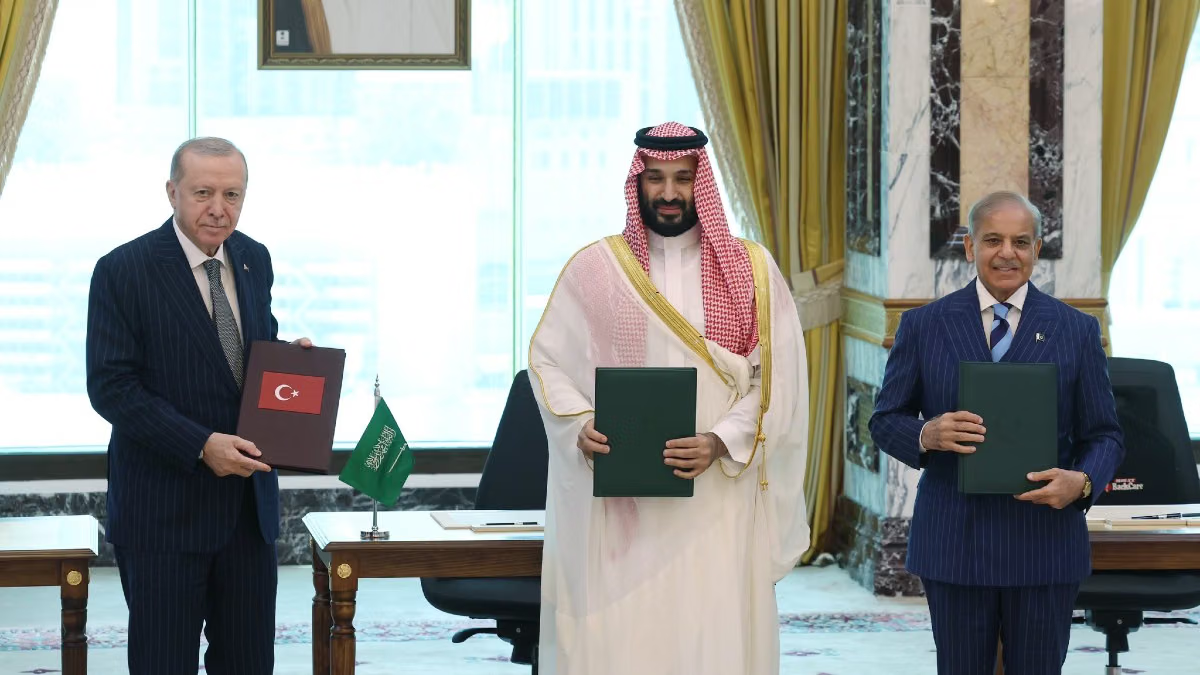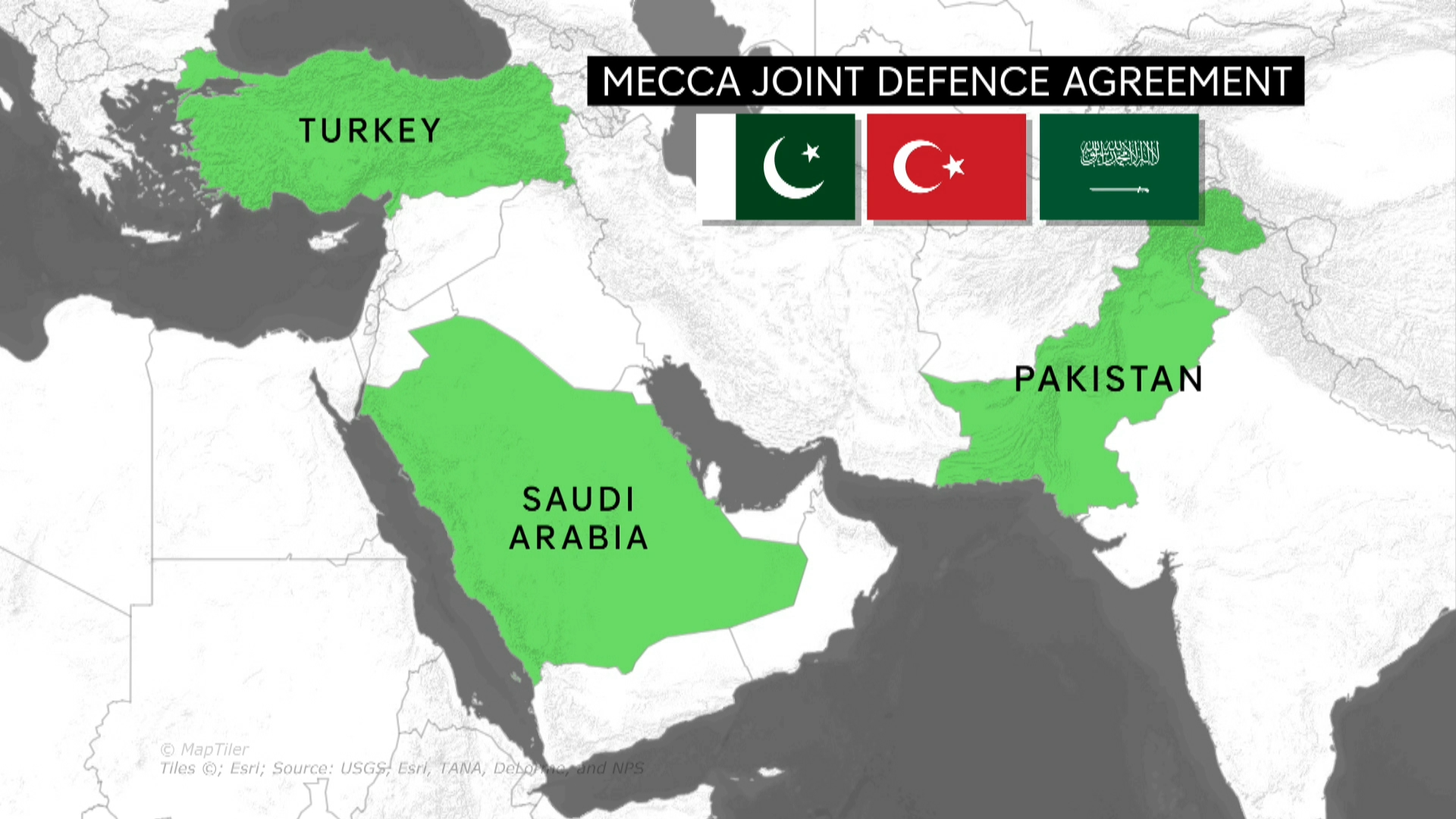
The security pact signed on Friday by three of the world’s most powerful Muslim nations with a vow to enhance collective deterrence remains far from what many are calling an Islamic Nato, according to experts.The Mecca Joint Defence Agreement between Saudi Arabia, the Persian Gulf’s top oil exporter, Nato member Turkey and Pakistan, a nuclear-armed South Asian state, will be challenged by diverging strategic interests and weak mutual defence capacity, they said.The Mecca pact’s statement that an armed attack on any of the three would be viewed as an attack on all is technically similar to the defence principle outlined in the transatlantic security alliance’s Article 5, Turkey’s top diplomat Hakan Fidan said on Saturday.However, he also stressed that the deal was not directed against Iran or any other country – as long as the pact’s member states were not attacked.Tehran appears unfazed, describing the Mecca pact – signed amid months of Middle East conflict sparked by the US-Israeli attack on Iran on February 28 – as a response to Israel’s ambitions and declining regional confidence in US security guarantees.00:59Trump thanks China’s Xi, Russia’s Putin for being ‘neutral’ in Iran warDespite agreeing to resume negotiations, Washington and Tehran have exchanged fire. Most recently, both sides have made fresh demands and opposing claims over the Strait of Hormuz, further dimming hopes for a comprehensive deal to end the war soon.
Saudi-Turkey-Pakistan Mecca pact ‘far from’ Nato-style defence alliance
Observers say diverging strategic interests and a weak mutual security capacity will be the main challenges facing the agreement.
229 words~1 min read