First published in Deník N.
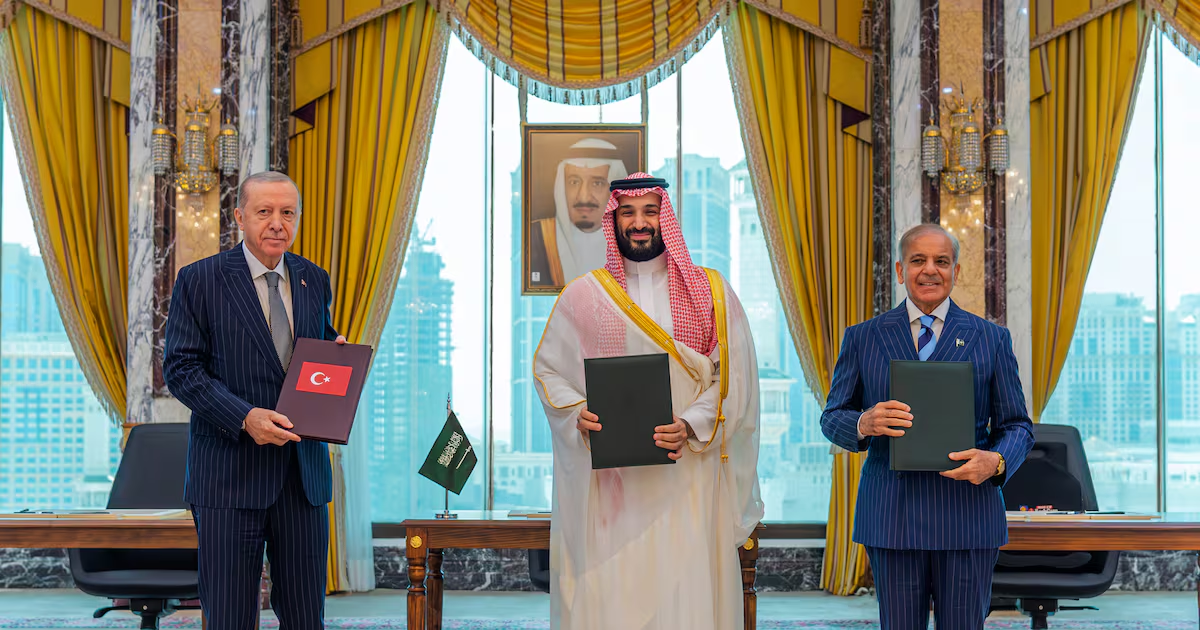
The new defence agreement from Mecca signals a growing effort by Saudi Arabia, Turkey, and Pakistan to strengthen deterrence and deepen military cooperation beyond the United States, as they prepare for a world less reliant on Washington — but with Iranian and Israeli aggression still shaping the region, the pact has yet to face the test of geopolitical reality.
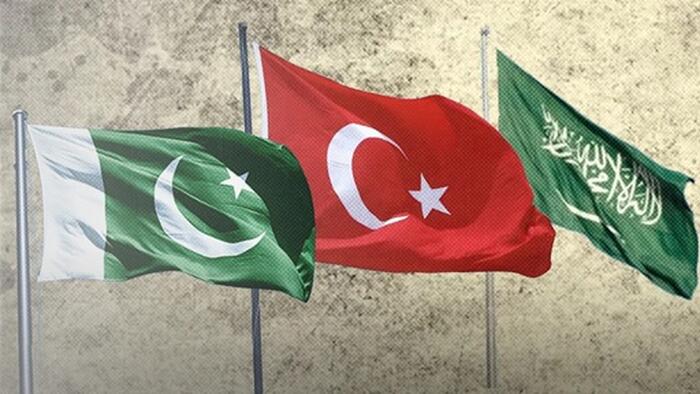
Turkey has Nato’s second-largest army and a rapidly growing defence industry. Saudi Arabia is home to Islam’s holiest sites and one of the world’s largest oil exporters. Pakistan, meanwhile, is the only Muslim country in the world with nuclear weapons.
In response to the instability most recently brought to the region by the US-Israeli war with Iran, the three predominantly Sunni Muslim countries are now seeking to deepen defence cooperation to provide deterrence and, in the event of an attack, could in theory also draw Ankara and Islamabad into a prolonged and costly conflict.
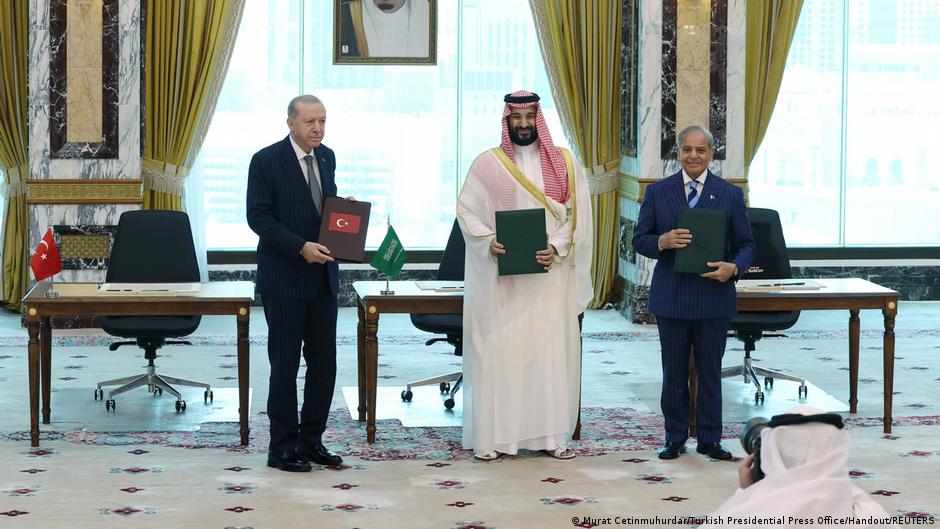
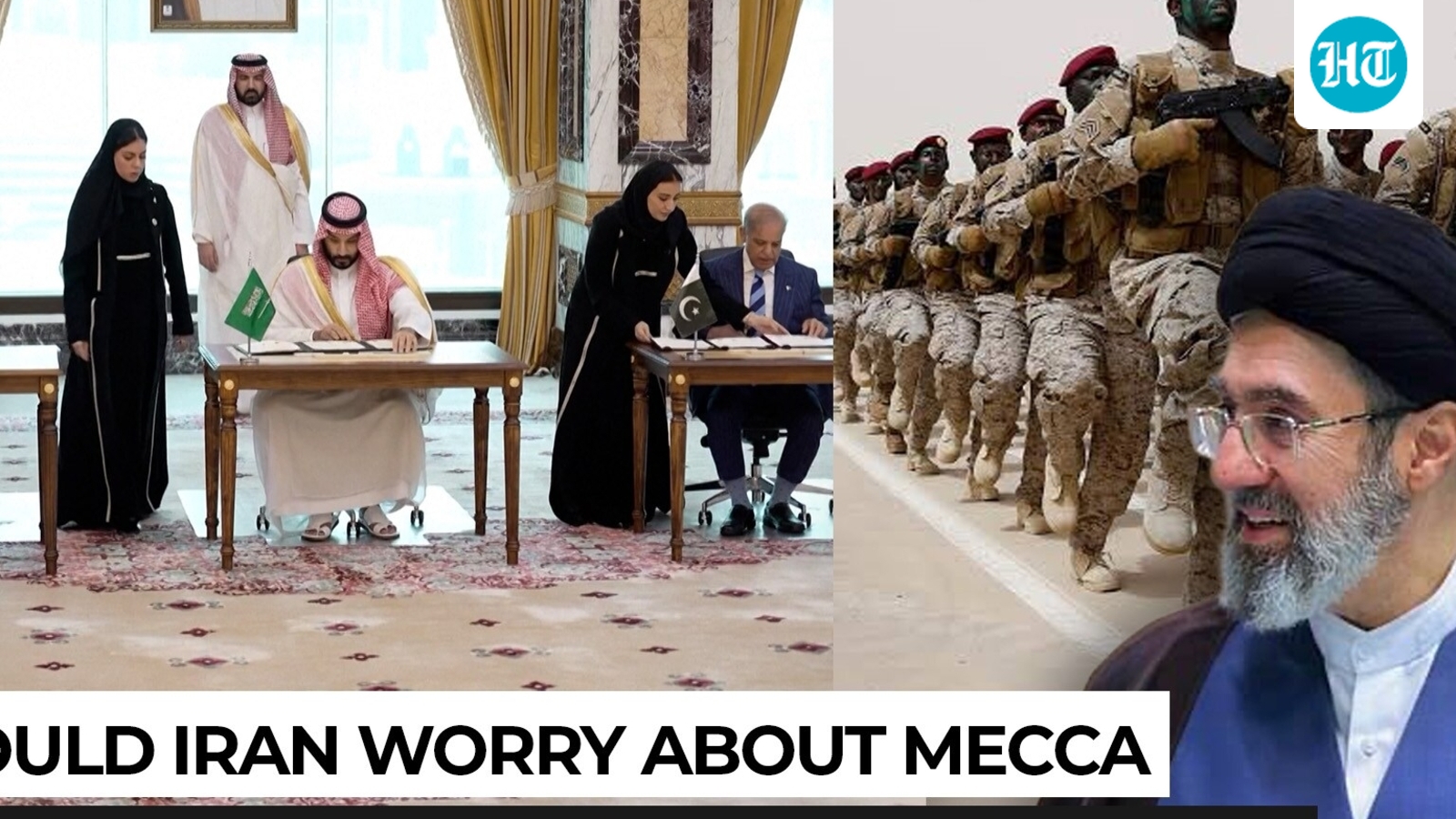
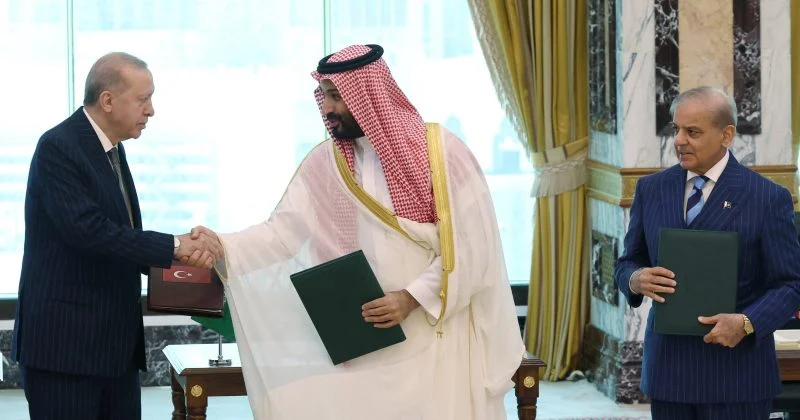
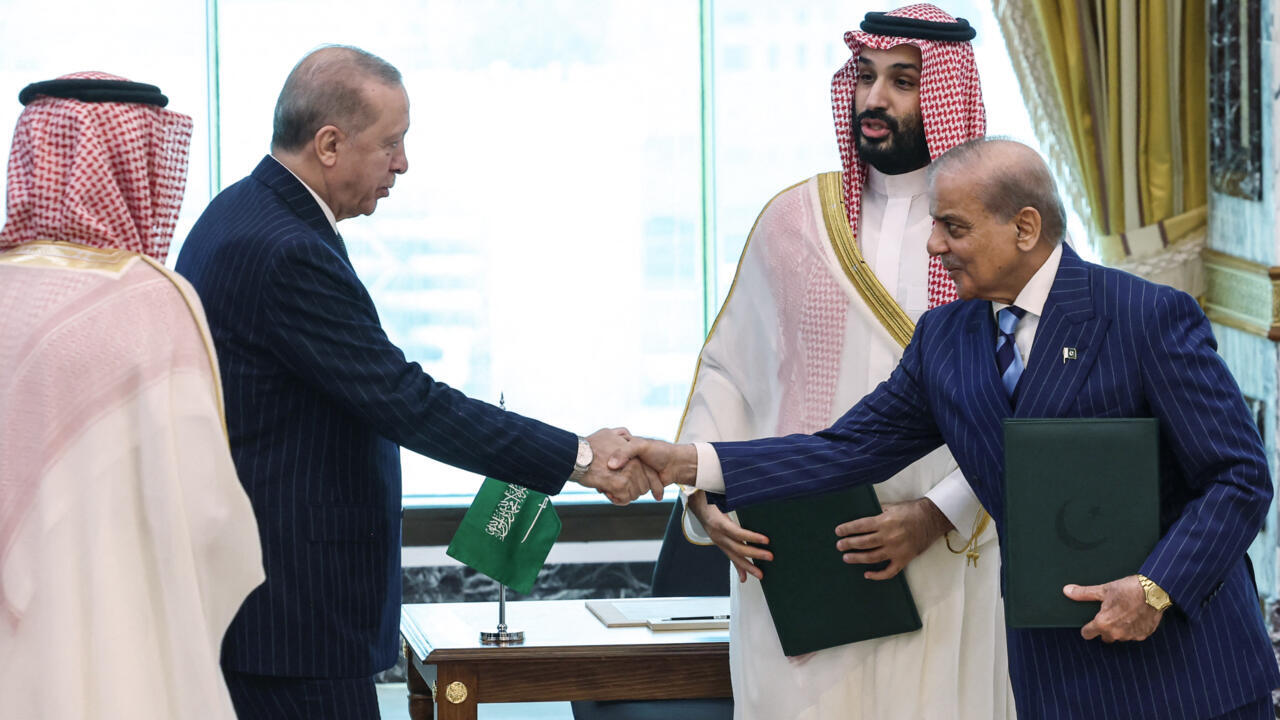
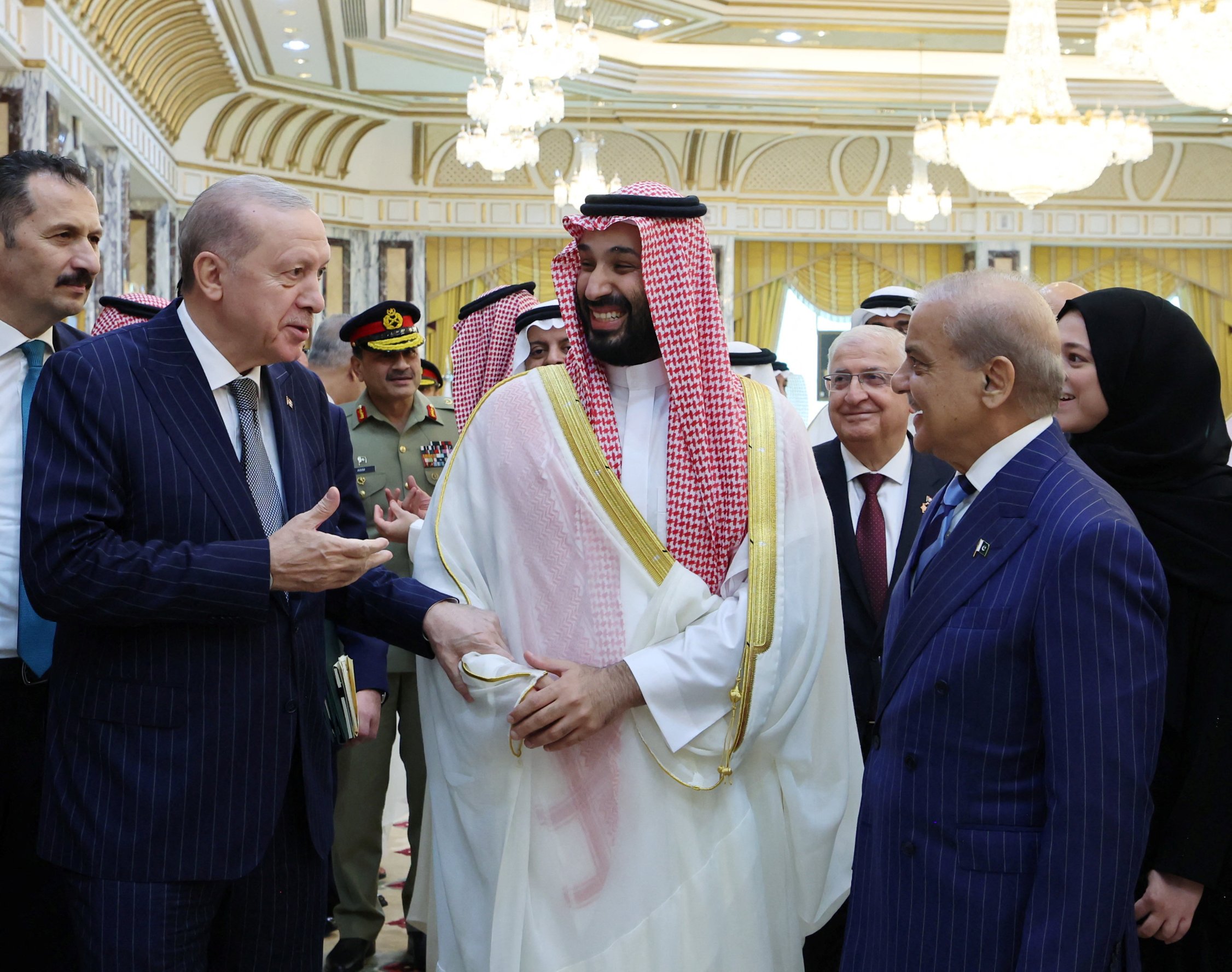
The mutual defence agreement, signed on 7 August in the Saudi city of Mecca, is sometimes compared to Nato, specifically to its Article 5 on mutual defence. Even Turkish foreign minister Hakan Fidan drew that comparison.