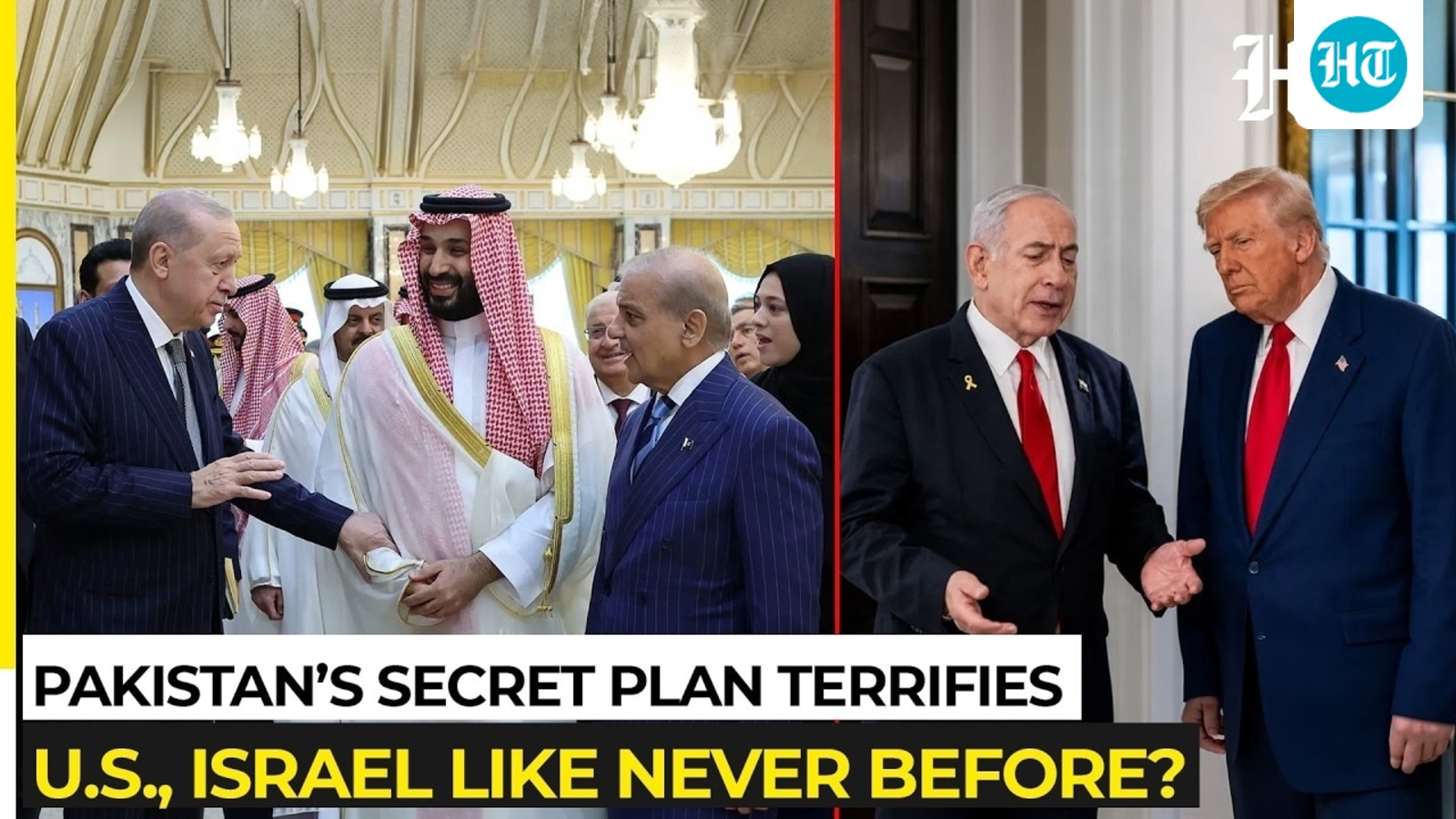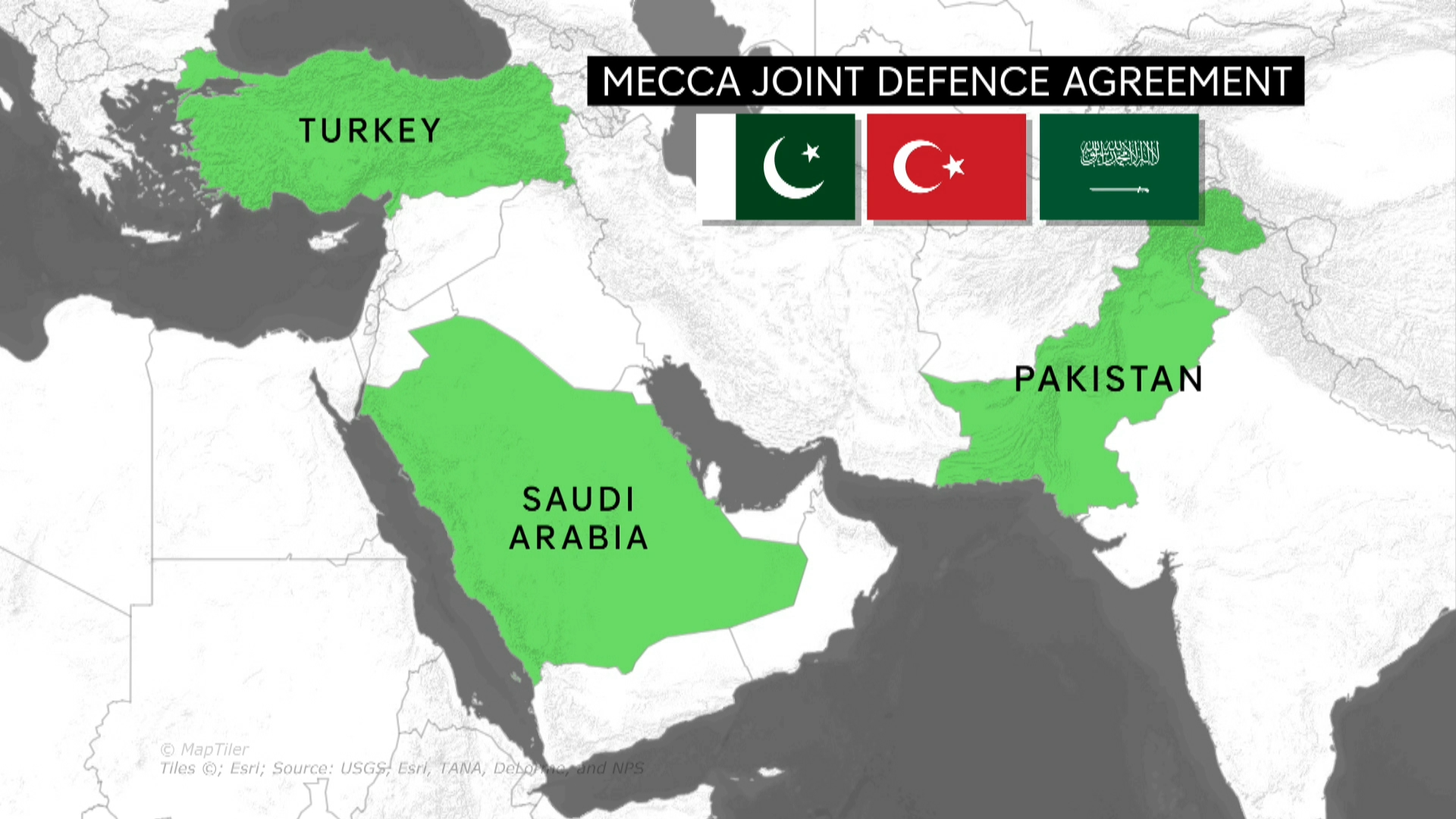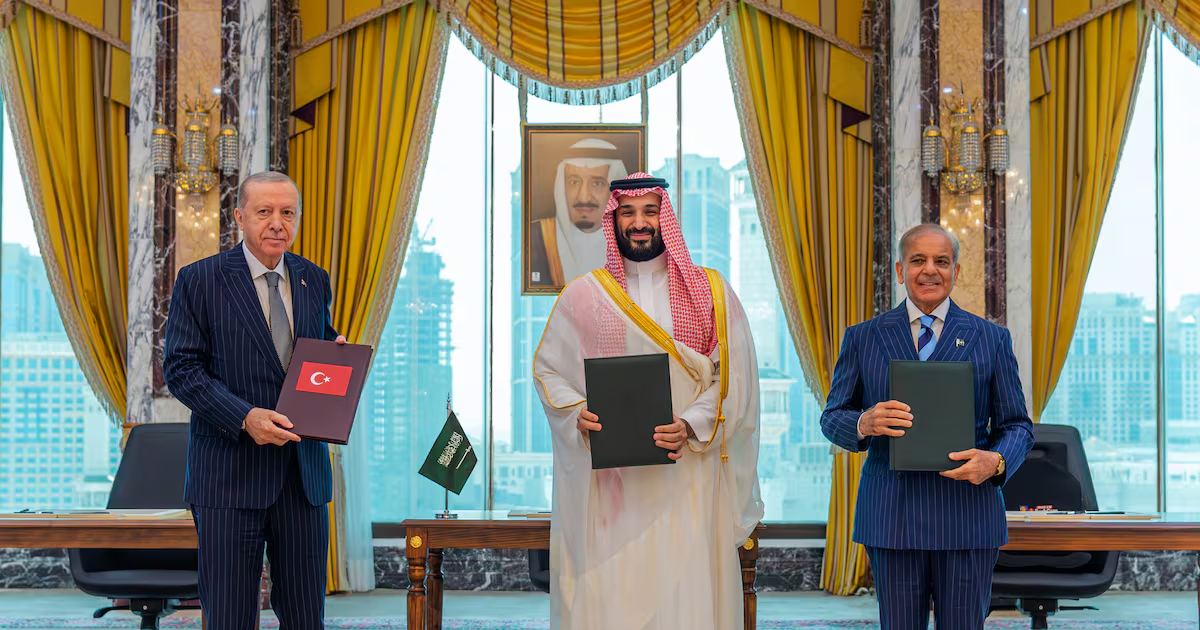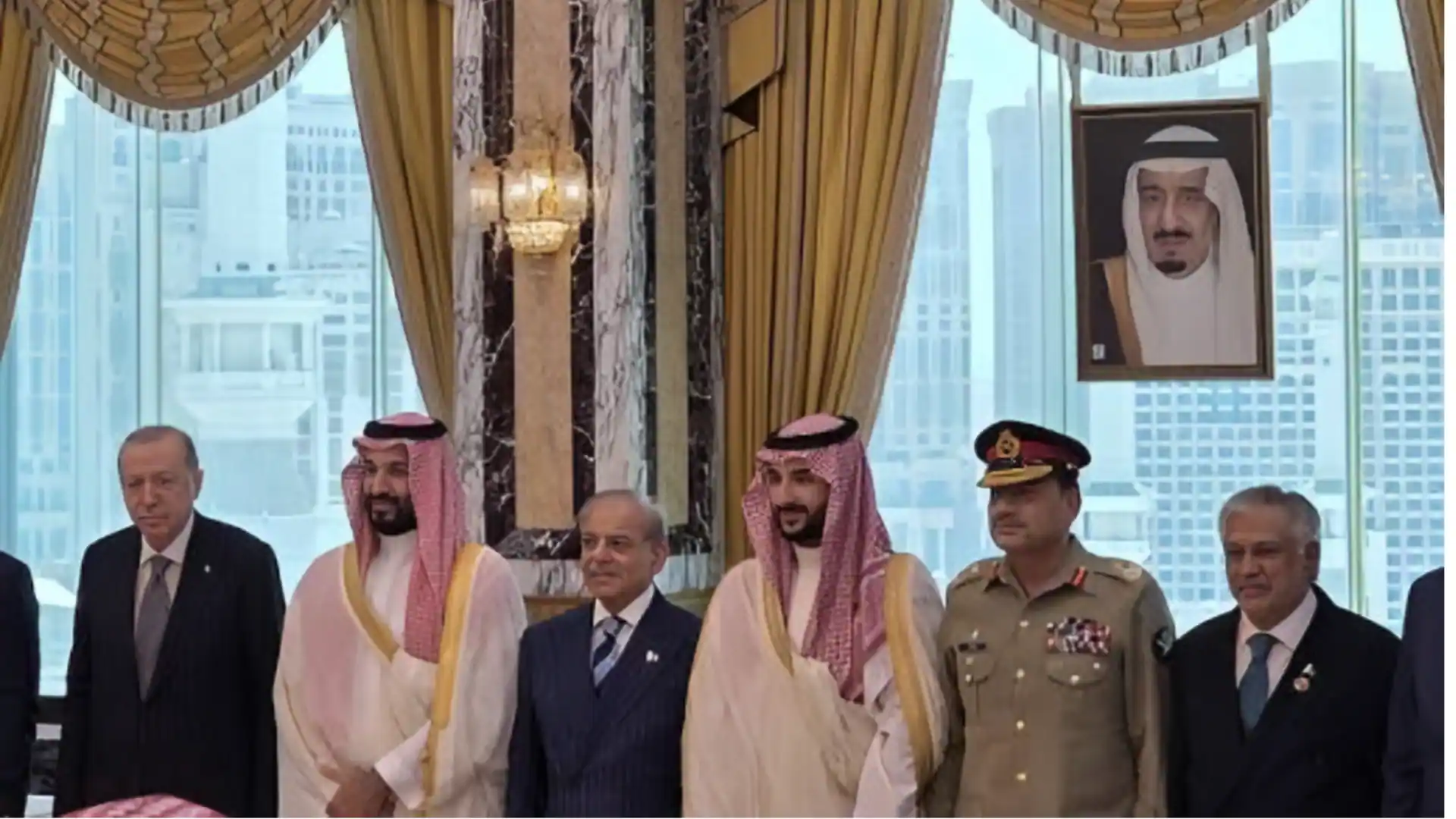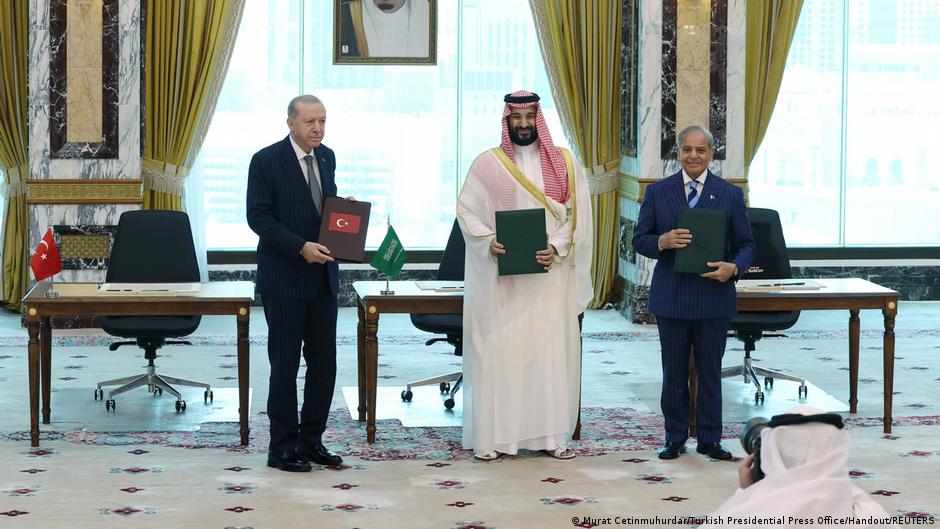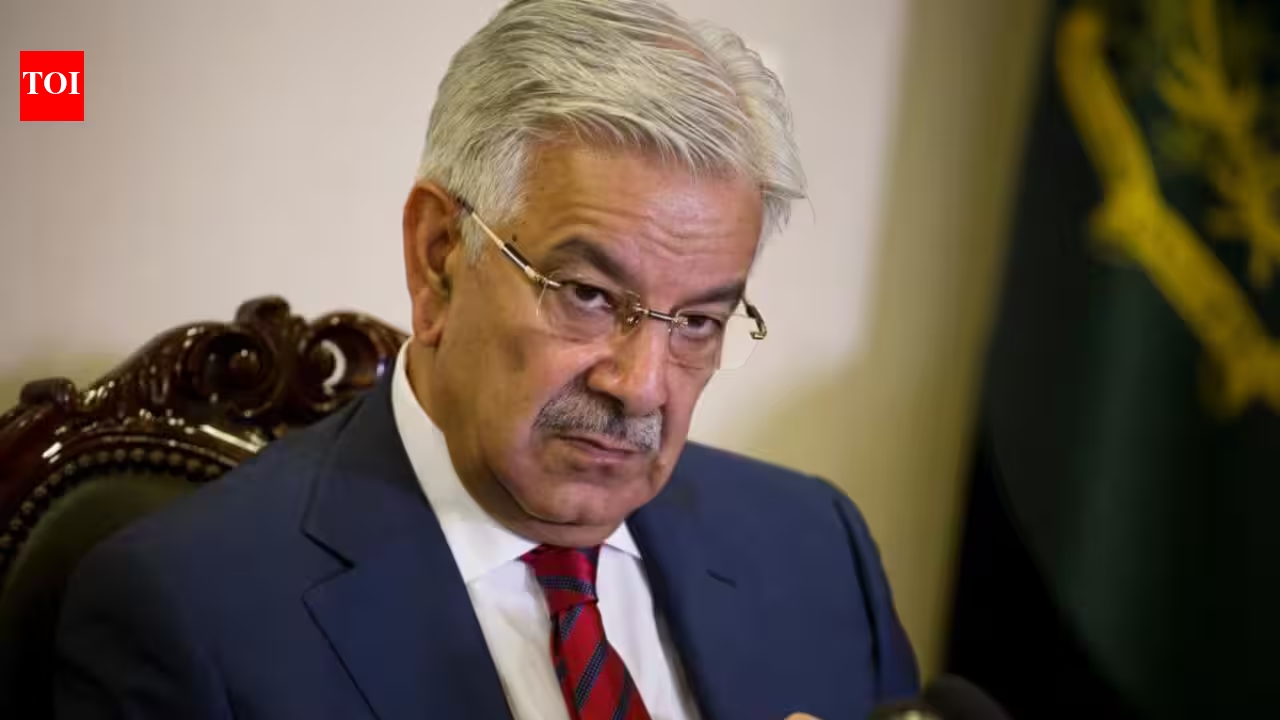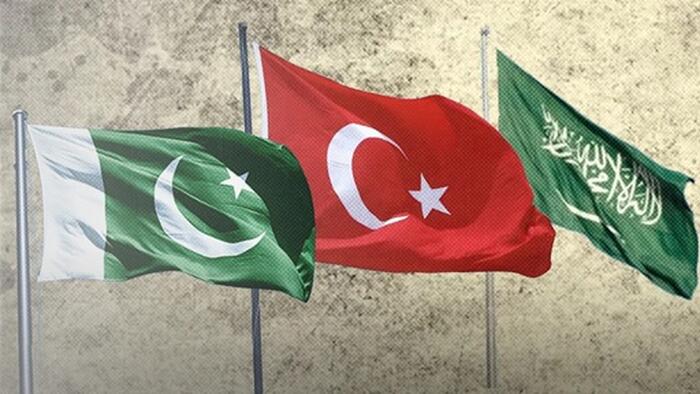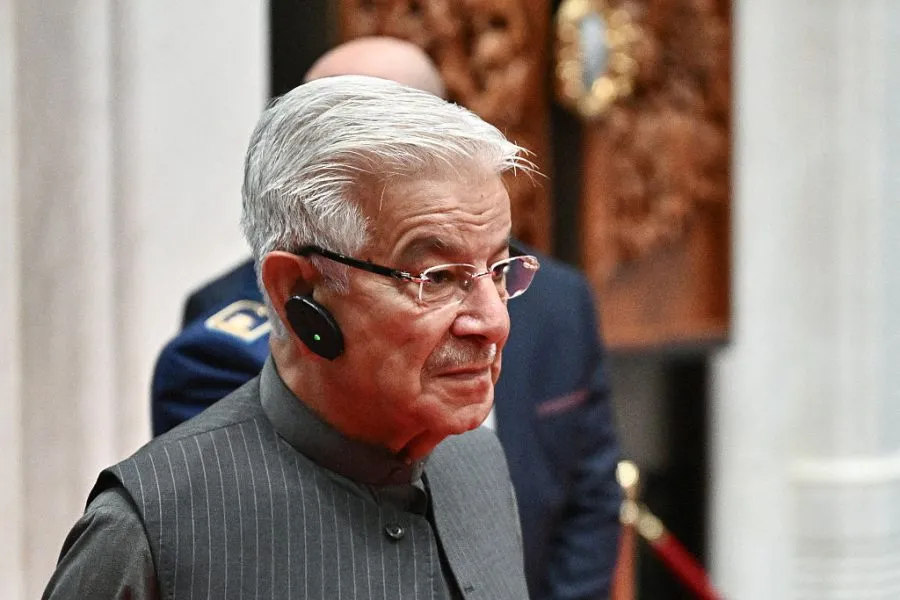
Pakistan’s defence minister, Khawaja Asif, rather excitedly proclaimed a new defence agreement – the Mecca Joint Defence Agreement – between Saudi Arabia, Pakistan and Turkey as the beginnings of a ‘Muslim Nato’ last week. He proceeded to call on Muslim countries to set aside their differences and join them. The key clause – that an attack on any one of the three countries would be considered an attack on them all – is virtually the same as Nato’s much-vaunted Article 5, widely regarded as the underpinning of that alliance. But, unlike Nato – whose historic purpose and focus was articulated by the alliance’s first secretary general, General Ismay, as ‘keeping the Americans in, the Russians out and the Germans down’ – it is very unclear what the strategic intent of this new defence accord is.
Certainly, closer defence and security co-operation between Saudi Arabia, Pakistan and Turkey may bring mutual, complementary benefits. Pakistan is the only Muslim country to own nuclear weapons and has over a million men under arms; Saudi Arabia brings its economic strength, the prestige of Guardianship of the Holy Places, and traditional regional leadership; and Turkey has the second-largest standing army in Nato, wide interests over Central and South Asia and a thriving defence industry. At least on paper, this is a formidable combination.