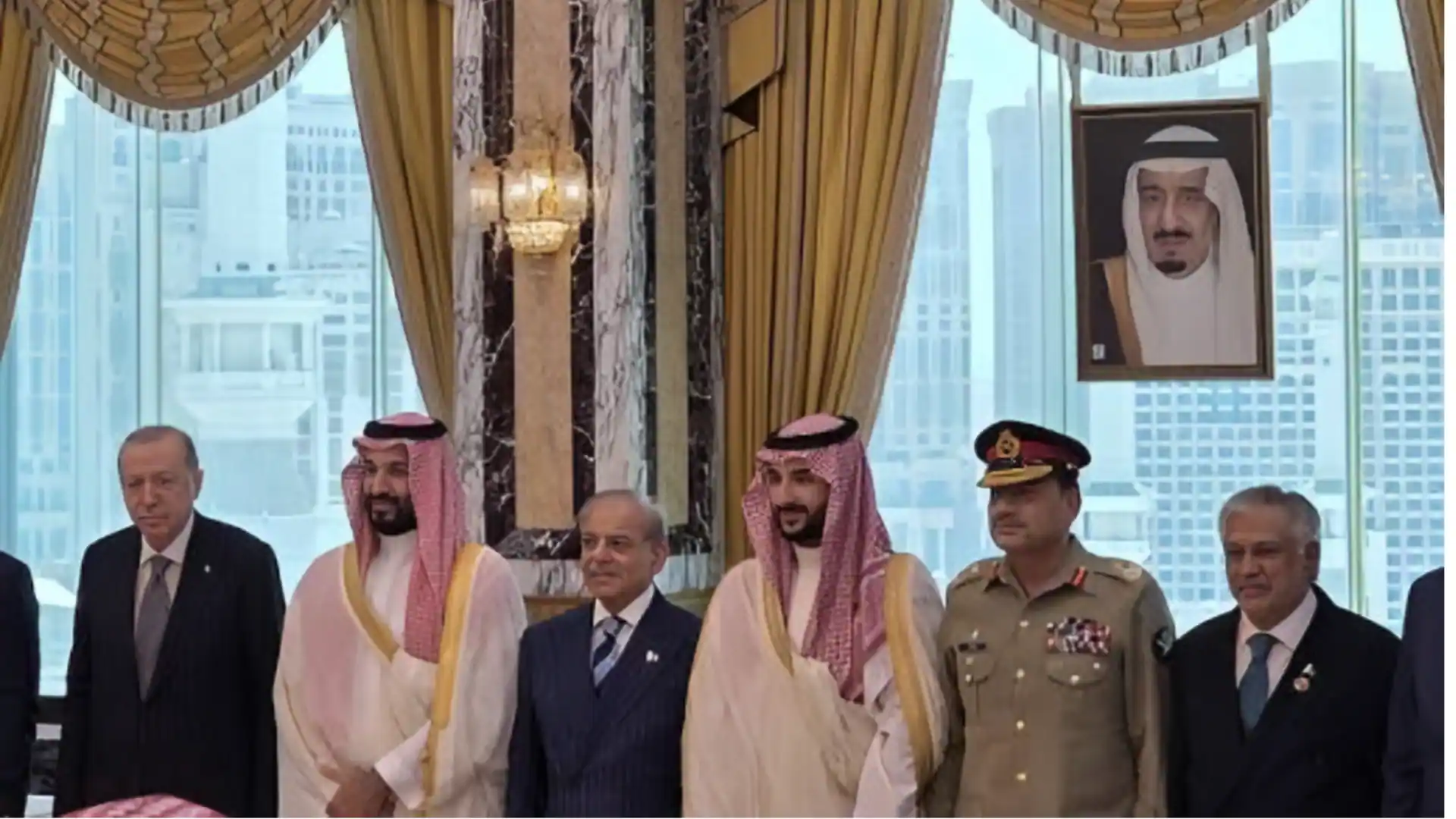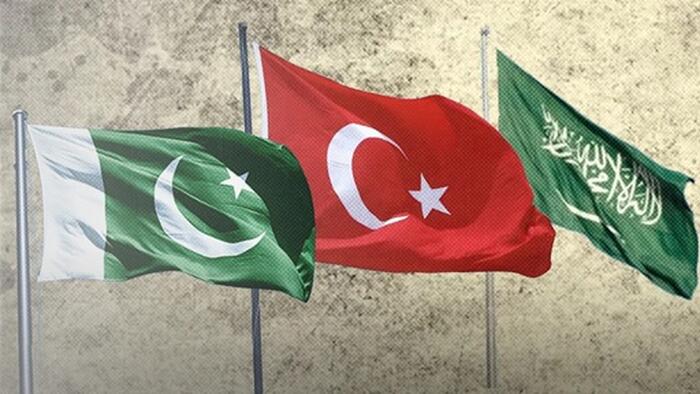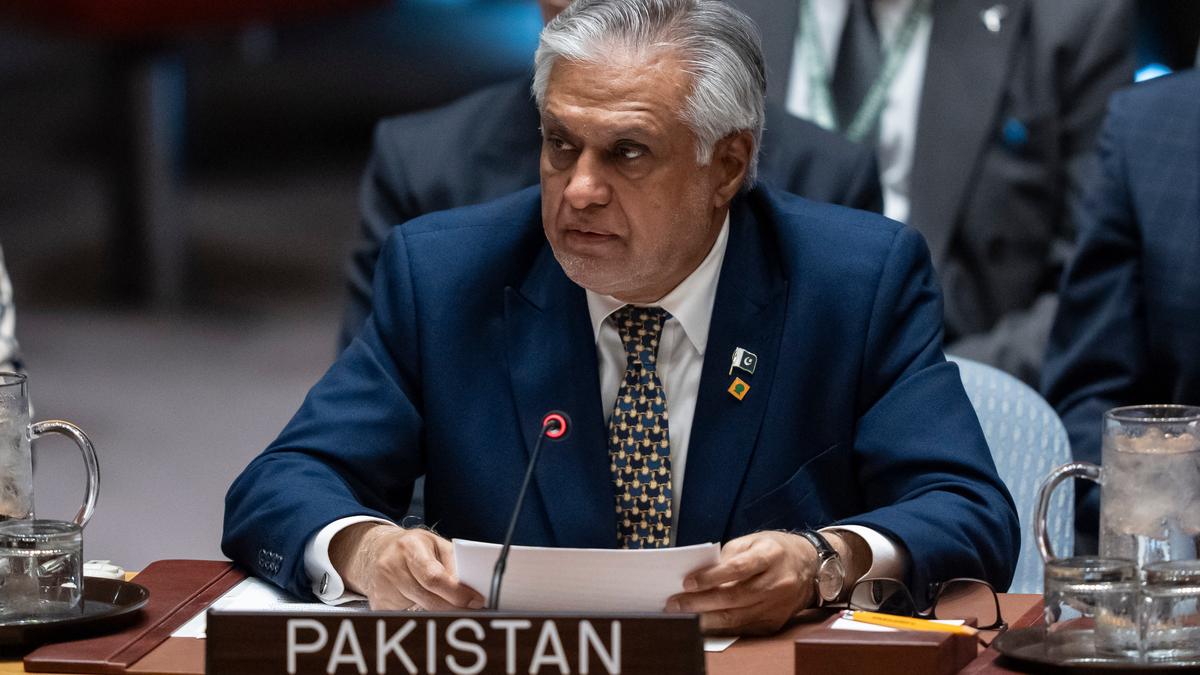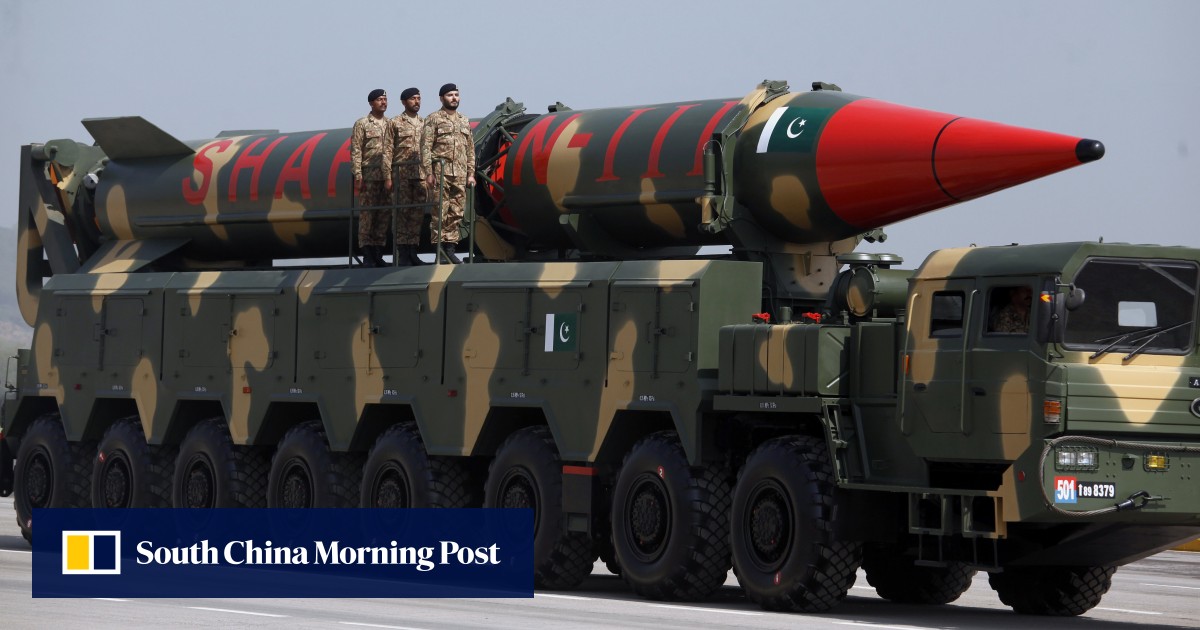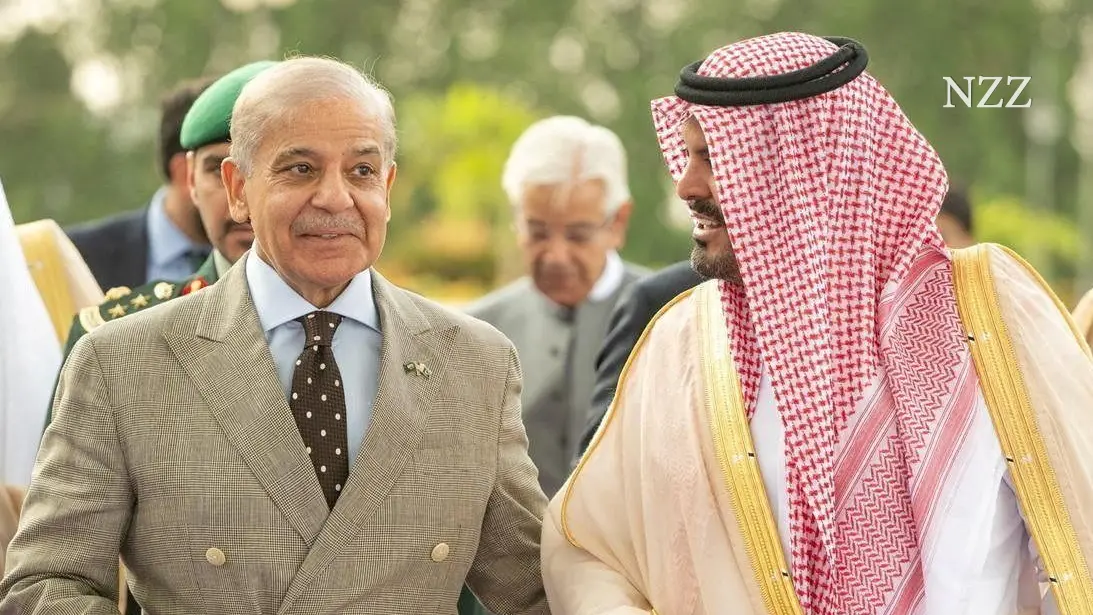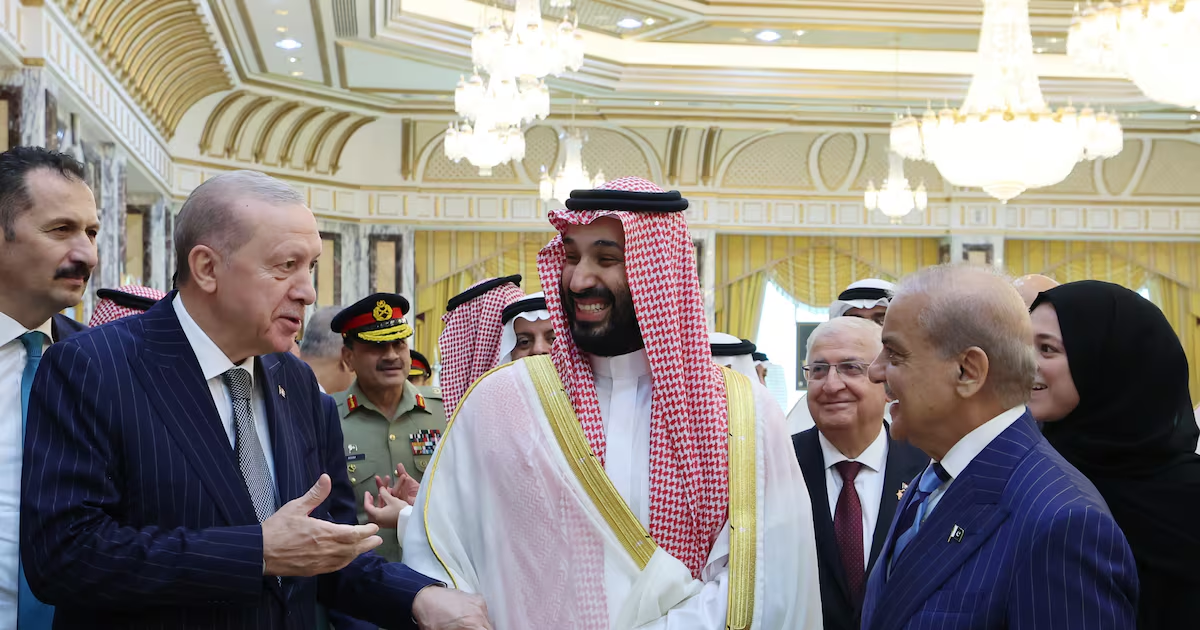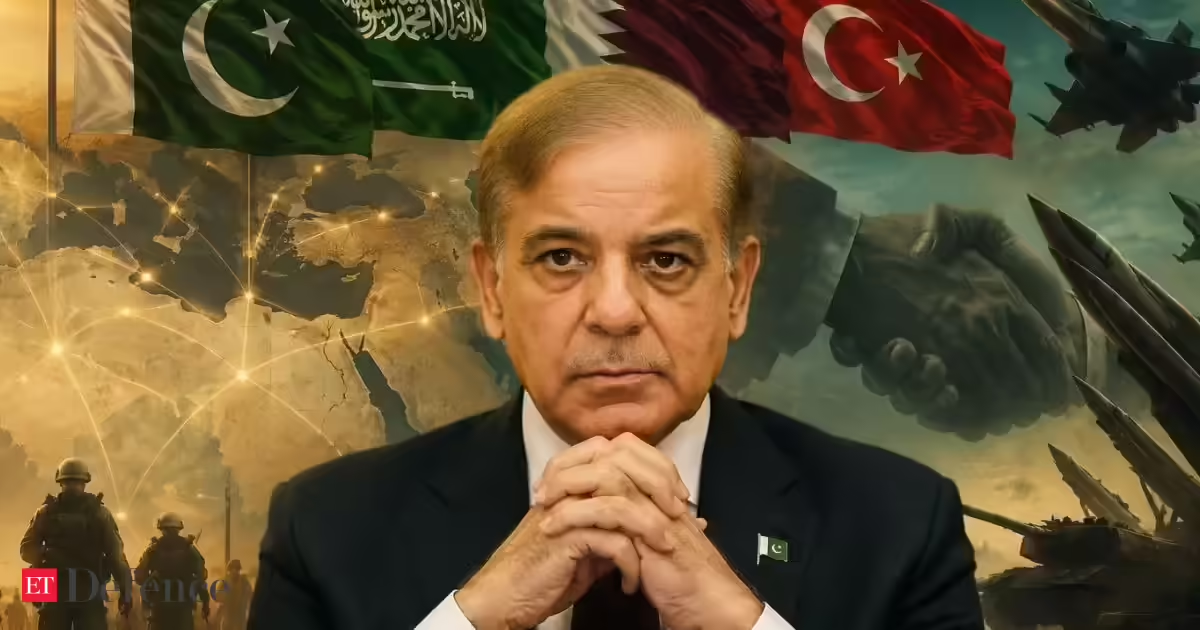
Pakistan’s Defence Minister Khawaja Asif, in an interview with Hum News on Wednesday, indicated more progress towards formalising a multilateral defence alliance among Muslim-majority states, the so-called Islamic NATO. He said that Qatar might become part of the grouping, which already includes Saudi Arabia and Pakistan, and noted that talks with Turkey were at an advanced stage. “The arrangement that has been finalised, or has been partially finalised, or is being finalised, is in process. This is an arrangement for the future, which obviously includes the present as well,” Asif said, as per an ANI report. “And if this already existing pact between Saudi Arabia and Pakistan, if Qatar and Turkiye also join it, then it will be welcoming that such an economic and defence arrangement among countries comes to our region here so that dependence on outside the region is minimised,” he added.Asif’s statement indicates that the concept of an Islamic NATO, initially a speculative idea, has moved into concrete planning. This follows a series of developments over the past year, ranging from Israel’s missile strike on Qatar to the formal Saudi-Pakistan pact, and now toward a broader multilateral framework.Also Read: Is Pakistan’s grey gamble sinking in the Strait?Islamic NATO, a regional security architectureThe genesis of this initiative can be traced back to September 2025, when Israel launched missile strikes targeting a Hamas meeting in Qatar. While the strikes were tactical, the broader reaction revealed structural vulnerabilities among Muslim-majority states in the Gulf, emphasising the absence of a coordinated security mechanism capable of deterring external threats. The event sparked high-level discussions among Saudi Arabia, Pakistan, and Turkey about establishing a joint defence pact. Beyond immediate security concerns, the proposal sought to create a formalised framework that could unify military and diplomatic responses across key regional actors, providing both deterrence and a shared strategic vision.The Saudi-Pakistan defence pact, signed last year, laid the foundation. It mirrored NATO’s Article 5 in stating that aggression against one signatory would trigger collective response obligations. For Saudi Arabia, the pact leveraged Pakistan’s nuclear capabilities and substantial military experience, while Pakistan gained enhanced strategic influence in the Gulf and strengthened defence ties with a major economic power. By early 2026, Bloomberg reported that Turkey was actively seeking membership, a move that would provide the alliance with one of the largest standing armies in the Muslim world, access to critical maritime routes and operational depth across both the Middle East and the eastern Mediterranean, as well as advanced defence technology.Also Read: Pakistan test fires Fatah-4 cruise missileKhawaja Asif’s recent remarks about Qatar’s possible inclusion point to a broader strategic vision. Qatar brings logistical advantages, advanced air and naval infrastructure, and the potential to act as a diplomatic bridge within the Gulf, besides deep pockets. Collectively, the alliance would represent a convergence of political, military, and economic interests aimed at deterring regional adversaries, counterbalancing Iranian influence, projecting power abroad, and presenting a united front in global diplomacy. The rapid evolution of the concept of Islamic NATO, from a reactionary idea in 2025 to near-formation in 2026, demonstrates both the urgency of the security vacuum in the Gulf and the willingness of these states to explore new, independent defence frameworks outside traditional Western alliances.Regional and global implications of Islamic NATOThe emergence of an Islamic NATO would carry significant implications for Gulf security, Middle Eastern power dynamics, and global strategic calculations. For the Gulf, the alliance could fundamentally alter the security architecture by consolidating military capabilities and fostering integrated defence planning. By pooling resources and establishing a collective deterrence mechanism, member states could respond more effectively to threats from Iran, non-state actors, or even unilateral interventions by external powers such as Israel. Analysts suggest that the alliance could also institutionalise military coordination, intelligence sharing, and joint exercises, strengthening operational cohesion that has historically been limited in the region.A critical implication is the potential redefinition of intra-Gulf relations. Traditionally, Gulf Cooperation Council members have pursued overlapping yet competitive security and foreign policies, with historical rifts between Qatar, Saudi Arabia, and other states. An Islamic NATO could mitigate these divisions by embedding defence cooperation within a formalised framework. This could transform the Gulf into a more cohesive security bloc capable of negotiating as a collective entity in both regional conflicts and global forums. Such a shift would also enhance bargaining leverage in energy markets, arms acquisitions, and strategic alliances with external powers, including the US, Europe, and China.Globally, the alliance introduces new complexities in strategic calculations. With Pakistan’s nuclear capability and Turkey’s substantial military strength, the bloc could alter deterrence paradigms, forcing traditional powers to reassess intervention strategies and alliance commitments. The alliance might also encourage a multipolar realignment in the Middle East, potentially reducing reliance on Western security guarantees. Additionally, by presenting a united Muslim-majority coalition, the bloc could amplify the political influence of member states in international institutions such as the United Nations, while also exerting pressure in regional conflict negotiations—from Yemen and Gaza to maritime disputes in the Red Sea and the Arabian Sea.Also Read: ‘Reflect on your reputation’: India’s sharp message to China over backing Pakistan during Op SindoorAnother dimension is technological and defence industrial collaboration. Member states could coordinate arms procurement, joint development of missile defence systems, and cybersecurity initiatives. This would reduce dependency on foreign suppliers and strengthen indigenous capabilities, further embedding the alliance as a credible security actor. Analysts caution, however, that institutional cohesion, command structures, and clearly defined operational protocols will be crucial, and without these, the alliance risks being symbolic rather than strategically functional. Yet the current trajectory suggests a deliberate effort to avoid past pitfalls of fragmented regional coalitions.Implications for IndiaFor India, the emergence of an Islamic NATO presents both strategic challenges and diplomatic opportunities. Pakistan’s central role in the alliance introduces a heightened risk environment. A multilateral bloc anchored by nuclear-armed Pakistan could embolden Pakistan’s strategic posture regarding India, particularly in Kashmir and the broader South Asian security context. Indian defence planning may need to account for not just bilateral threats but also the possibility of coordinated political or proxy pressure in the Gulf and Middle East, complicating traditional risk assessments.At the same time, the involvement of Saudi Arabia, Qatar, and Turkey adds complexity to India’s diplomatic engagement. These countries are key partners in trade, energy, investment, and expatriate labour flows, meaning India must carefully balance its economic interests with evolving security realities. India could leverage these relationships to encourage moderation and transparency within the alliance, while ensuring that regional conflicts do not spill over into South Asian theatres. Energy security, in particular, could become a central concern if the alliance exerts influence over maritime chokepoints, shipping lanes, or oil pricing strategies in the Gulf.Also Read: Why Pakistan backstabs the US, and always gets away with itStrategically, India may also need to deepen military and intelligence coordination with external powers, including the United States, Israel, and European allies, to hedge against potential destabilisation in the Gulf and Pakistan’s enhanced regional influence. Diplomatic engagement in multilateral forums could become more nuanced, with India seeking to preserve its strategic autonomy while navigating a bloc that combines historical adversaries as well as critical partners. Additionally, the emergence of an Islamic NATO could encourage India to accelerate modernisation of its armed forces, strengthen missile defences, and explore new partnerships such as with Israel to ensure deterrence remains credible across multiple fronts.An Islamic NATO would represent new regional power equations that India cannot ignore. While the immediate threat may be localised to Pakistan and its regional interactions, the broader implications—from Gulf security to maritime routes and global diplomatic negotiations—require India to adopt a comprehensive, multidimensional strategy that integrates defence, energy, and diplomatic policy. The idea of an Islamic NATO underlines the interconnected nature of regional and global security, compelling India to anticipate not just bilateral challenges but complex, multilateral dynamics in its strategic calculations.Yet, finally, the idea may not materialise in its full conceptual form but as a diluted alliance with many ambiguities and complexities which would prevent it from acquiring a hard NATO-like posture.
Pakistan is shaping up an idea that can worry India
Pakistan is pushing a proposed “Islamic NATO” with Saudi Arabia, Qatar, Turkey and Pakistan, aiming to build a regional defence bloc that reduces reliance on external powers. If it takes shape, it could reshape West Asian security dynamics and add fresh strategic concerns for India, particularly due to Pakistans central role.
1,340 words~6 min read