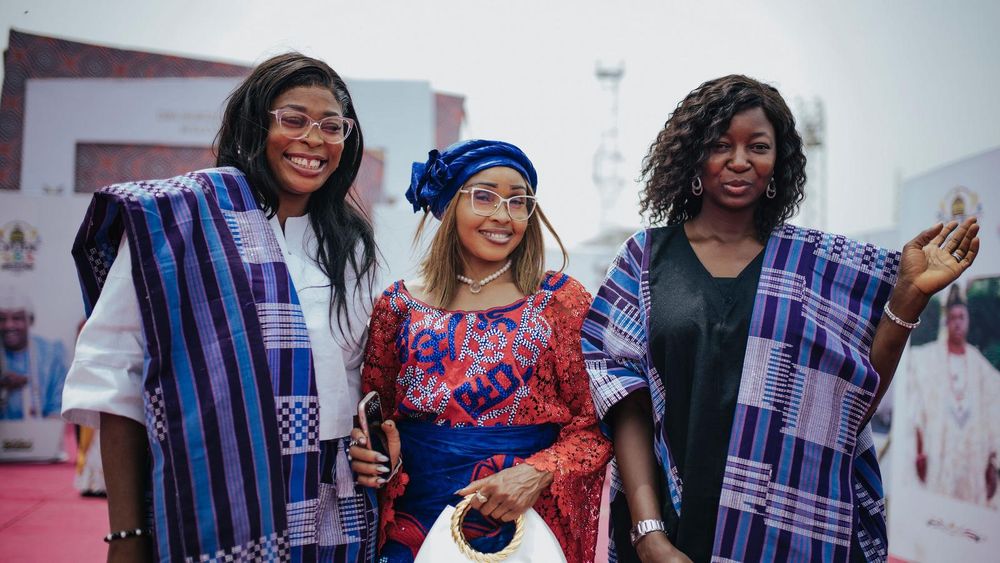
South African women have made substantial gains in education and employment over the past three decades, while marriage and household patterns have also changed significantly.
Statistics South Africa noted in a recent publication that, between 1996 and 2022, progress in equalisation of rights has been reflected in rising educational attainment, increased participation in professional sectors, and greater visibility in leadership roles.
“While challenges such as higher unemployment rates compared to men remain, women’s resilience and achievements have made a significant contribution to shaping South Africa’s democratic and developmental trajectory,” it said.
The Census figures suggest this is not simply a property or workplace trend. They show a longer-running change in how women are educated, where they work, the households they lead and the relationships they choose, all of which affect how they earn and manage money.
The changes start with education. The proportion of women aged 20 and older who had completed matric increased from a sixth in 1996 to almost 40% in 2022. Those with a post-matric qualification doubled from 6.4% to 12.8%.