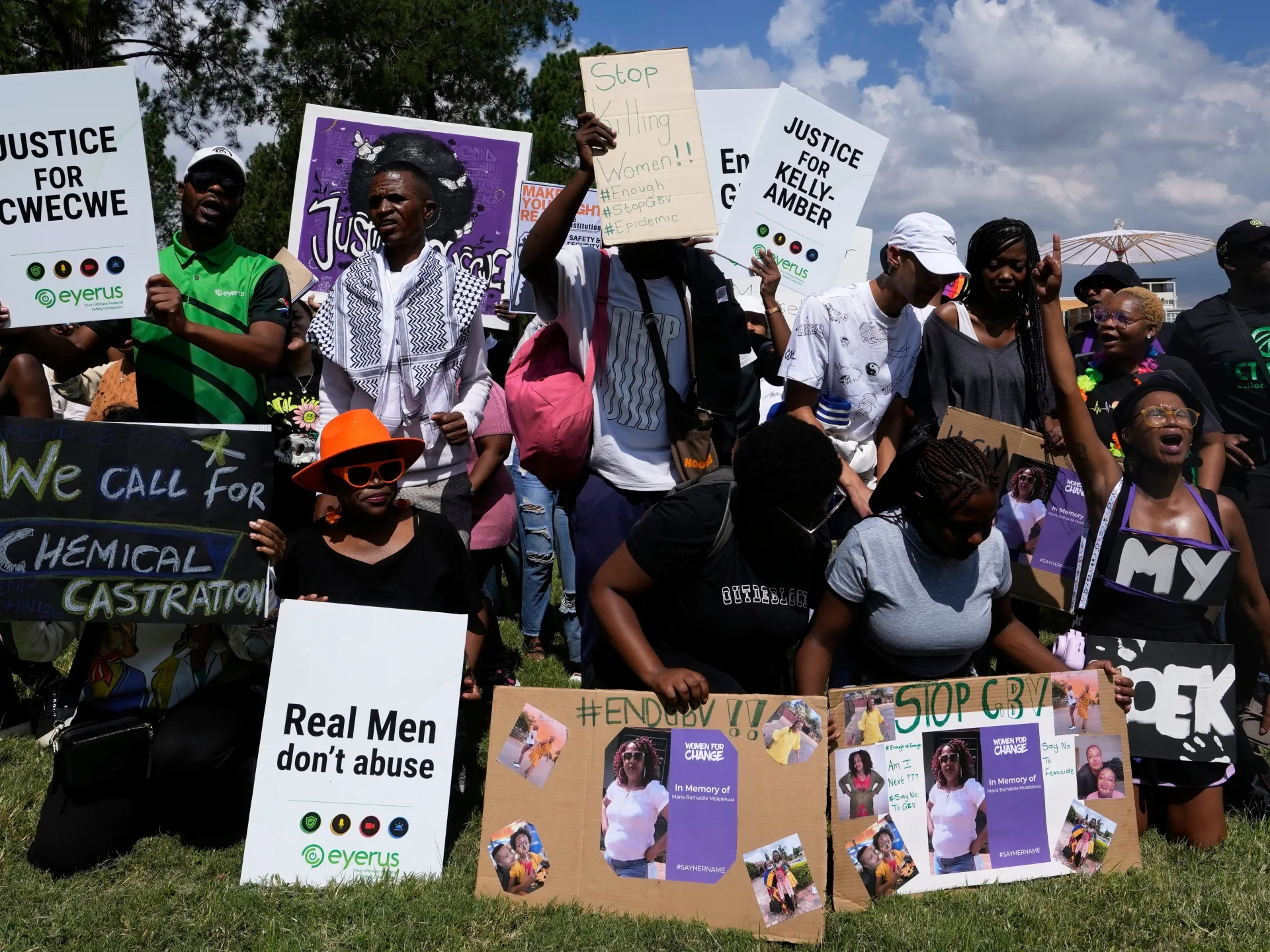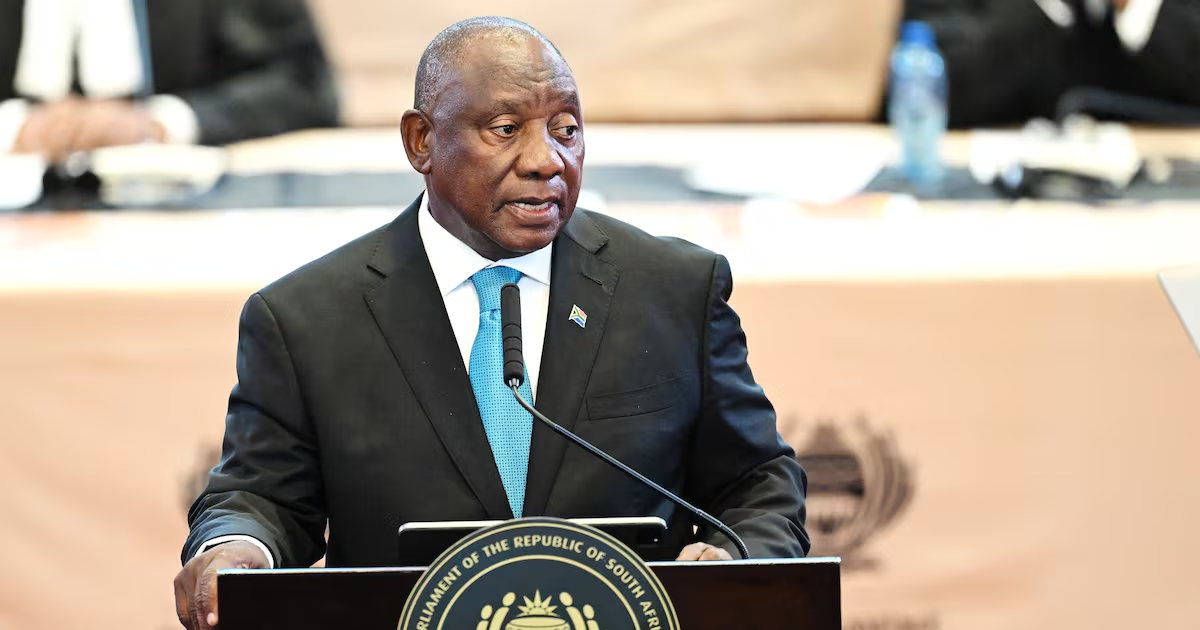
Seventy years after the march to the Union Buildings, women are better represented in education and the economy, but remain under-represented in senior corporate positions
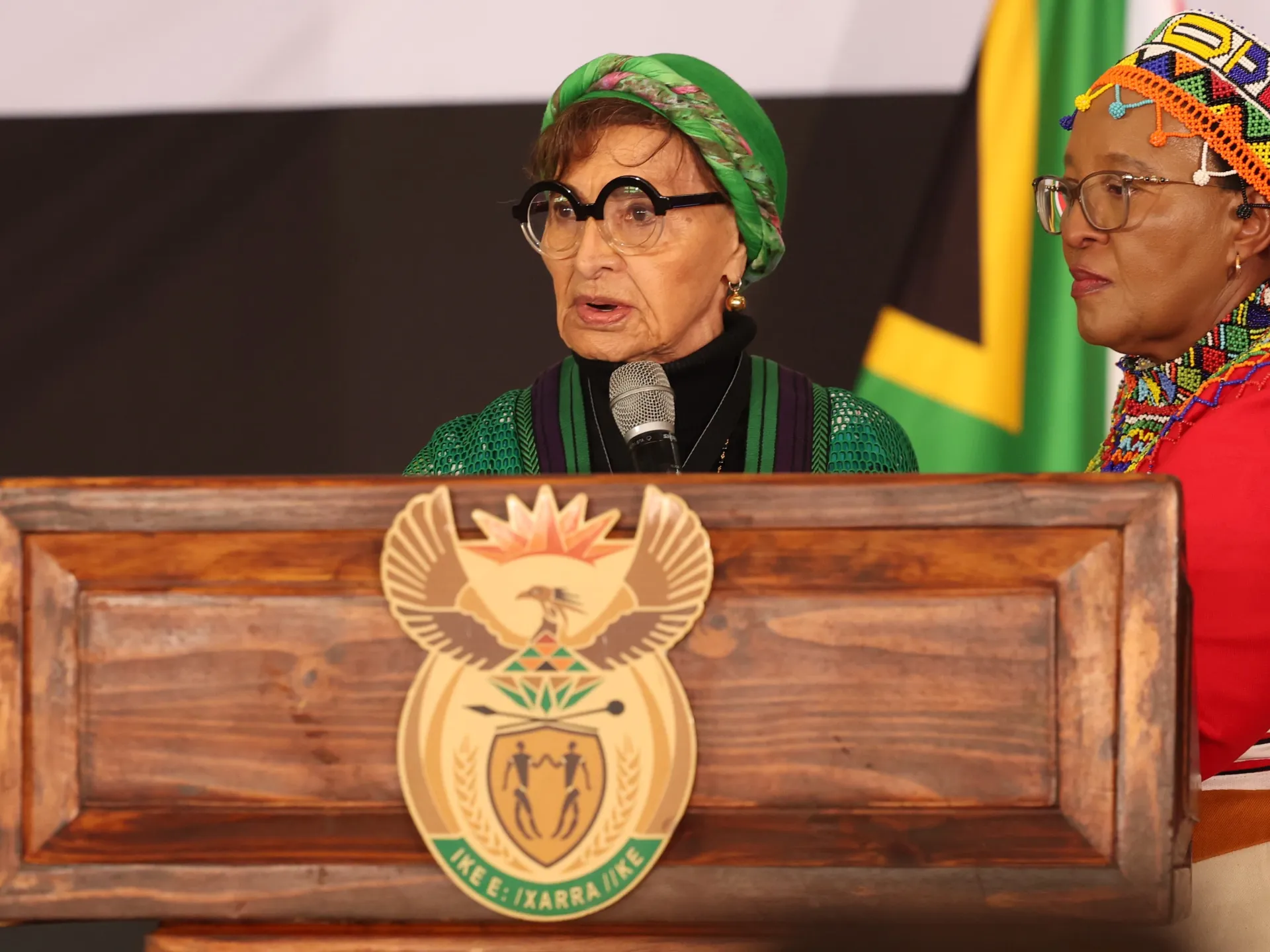
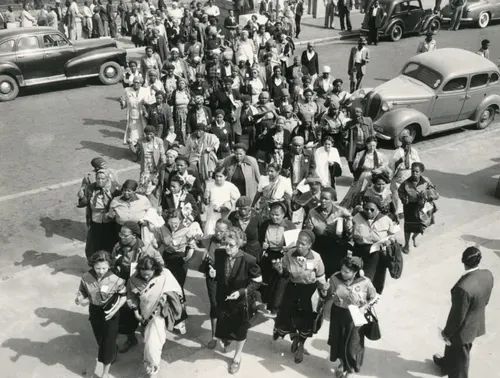
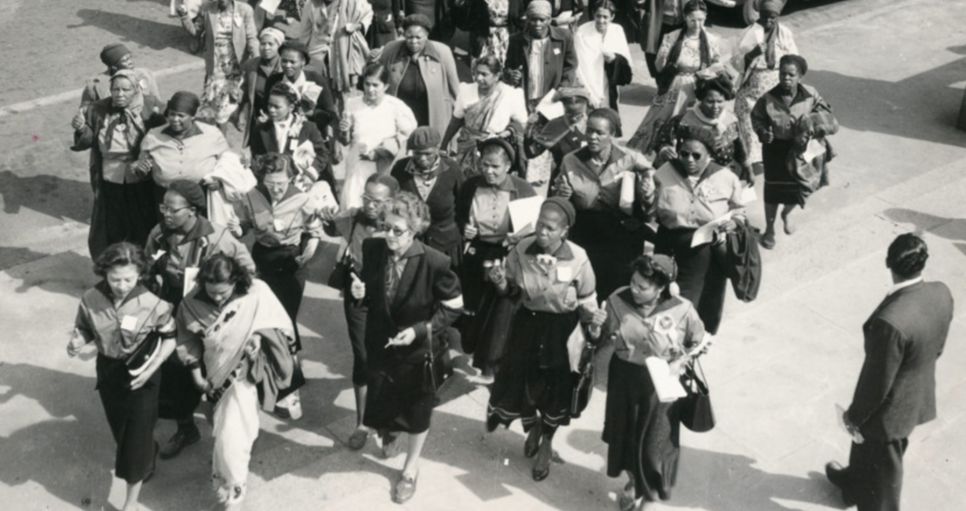
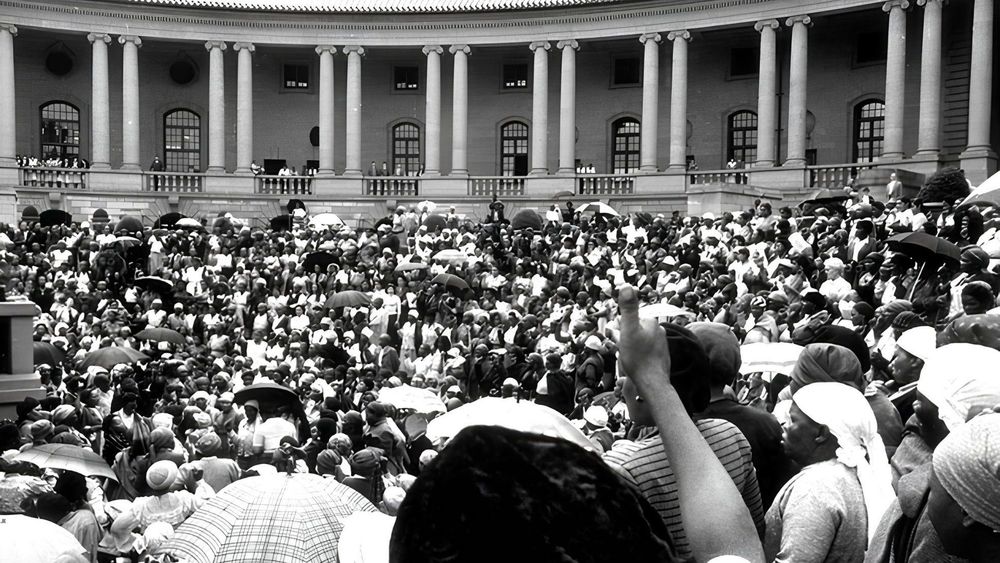
Seventy years ago, more than 20,000 women marched to the Union Buildings in Pretoria to protest the extension of apartheid pass laws to black women.
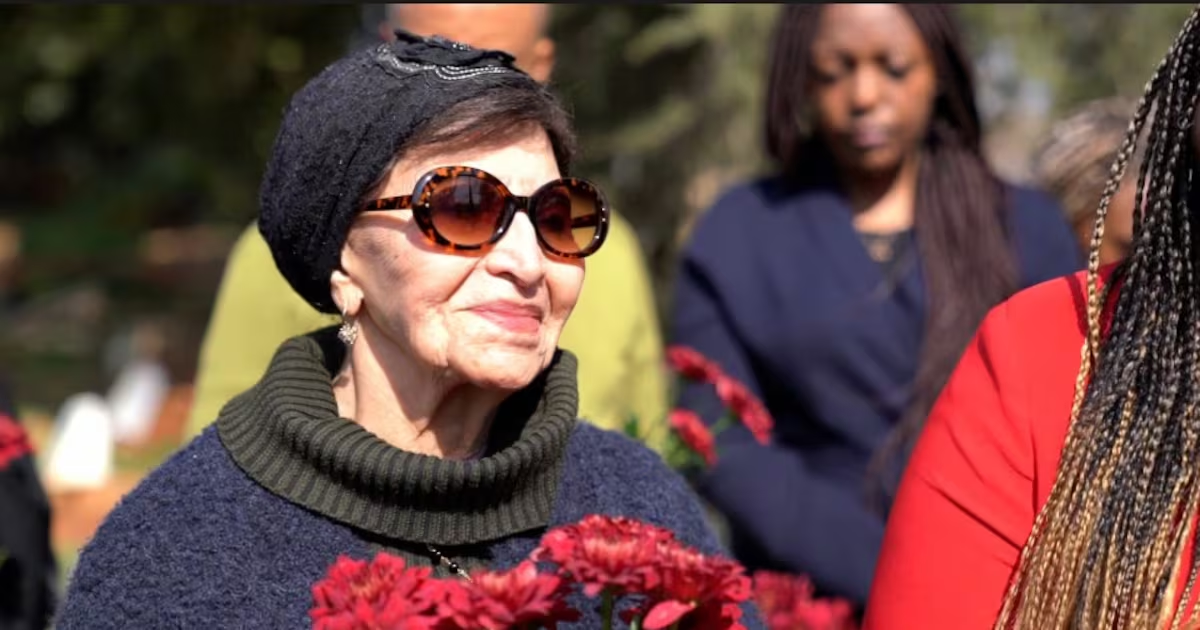
The August 9, 1956 march was organised by the Federation of South African Women, with women from different racial groups taking part. Lilian Ngoyi, Helen Joseph, Rahima Moosa and Sophia Williams-De Bruyn led the marchers, who presented a petition to the government of prime minister JG Strijdom.
But the women’s demands went beyond the pass laws. Their earlier submission to the Congress of the People had called for childcare, housing, education, equal pay and equal rights in relation to property, marriage and guardianship of children.
On the day of the march, the women stood silently for 30 minutes before singing Nkosi Sikelel’ iAfrika and the protest song Wathint’ abafazi, Strijdom!.