Winter causes significant changes in the behavior of Brazilian wildlife, including migrations, dietary changes and reduced activity, although the scarcity of research on the subject makes conservation strategies more difficult."In tropical and subtropical regions, changes occur in movement and diet. Animals alter their food consumption depending on seasonal availability," says researcher Roberto Fusco, a member of the Nature Conservation Specialists Network.
Among birds, only about 10% of Brazilian species migrate, according to ornithologist Marco Aurélio Pizo of Unesp in Rio Claro. Most move from the Southeast to the North of the country, returning from August onward — including the Fork-tailed Flycatcher, Southern Caracara and Swallow-tailed Kite, which spends the winter in Roraima and Venezuela.
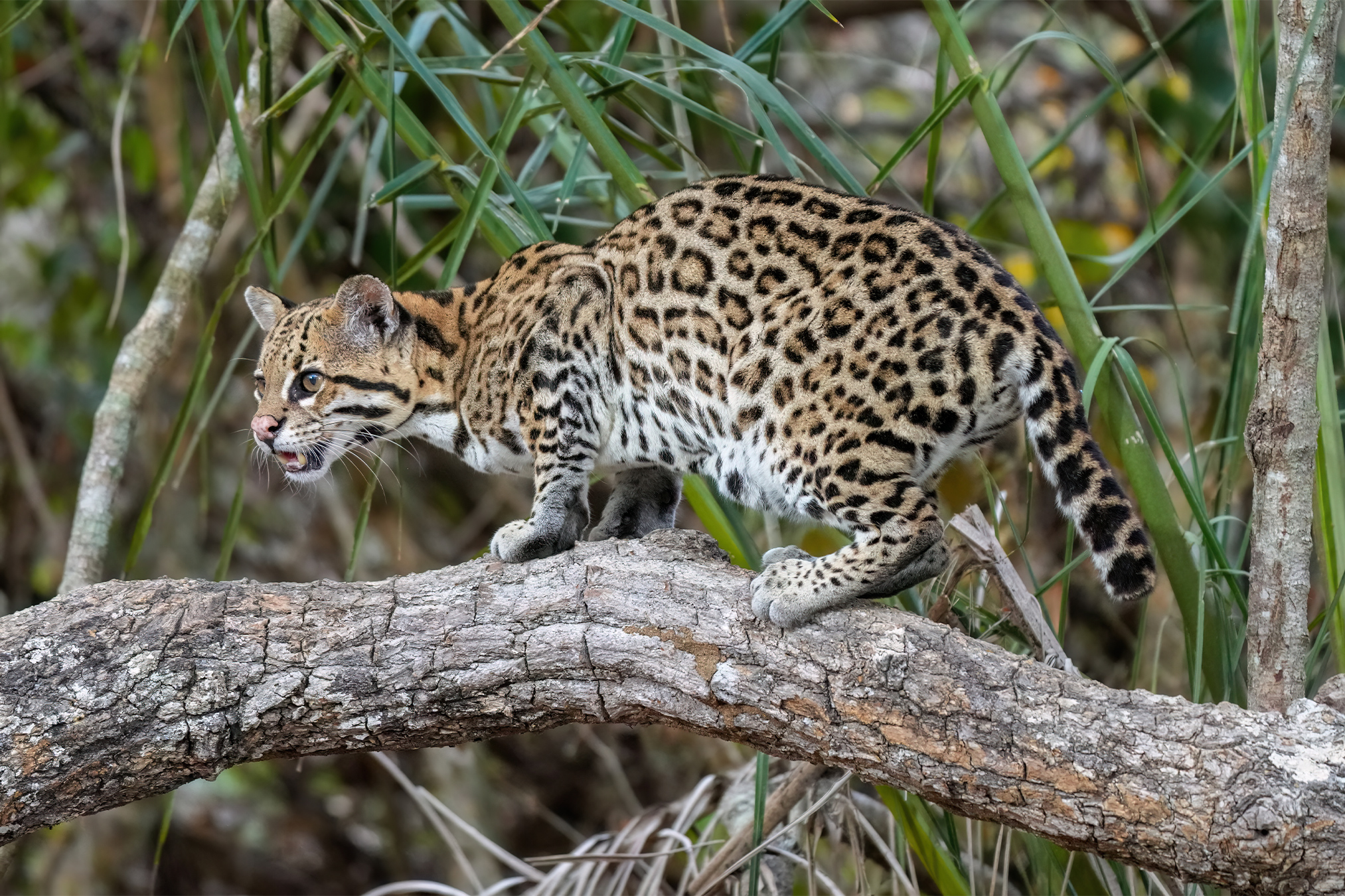
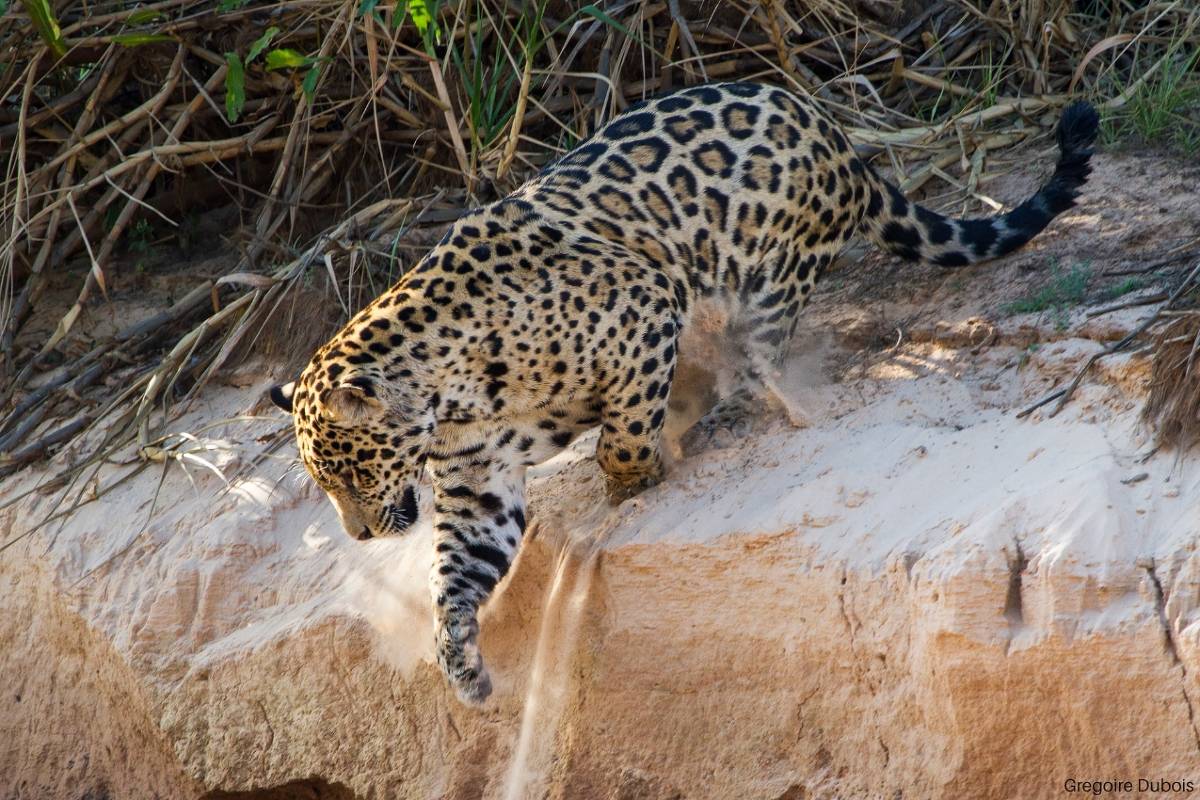
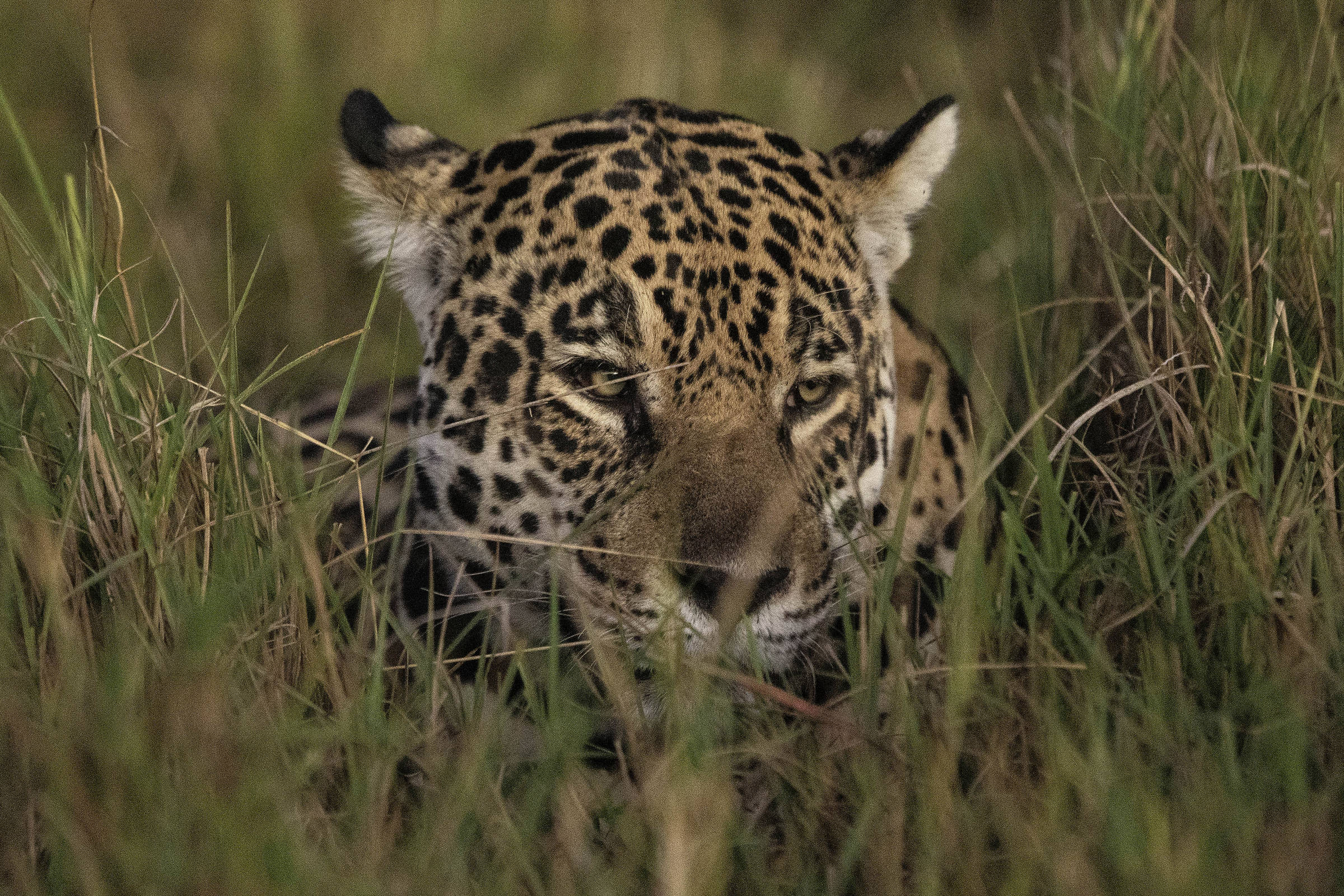
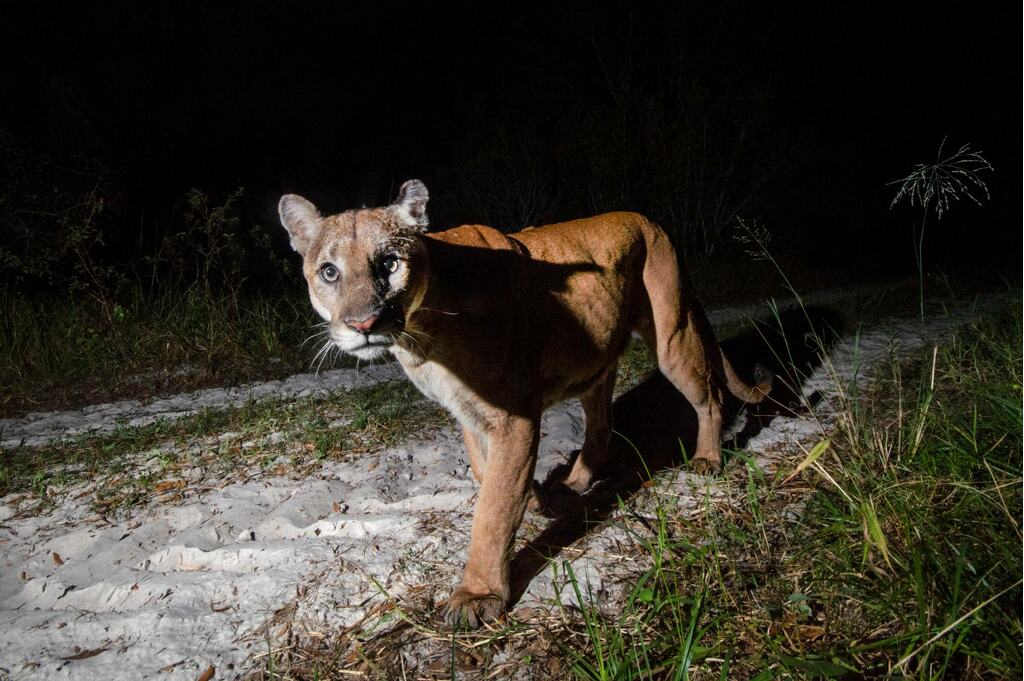
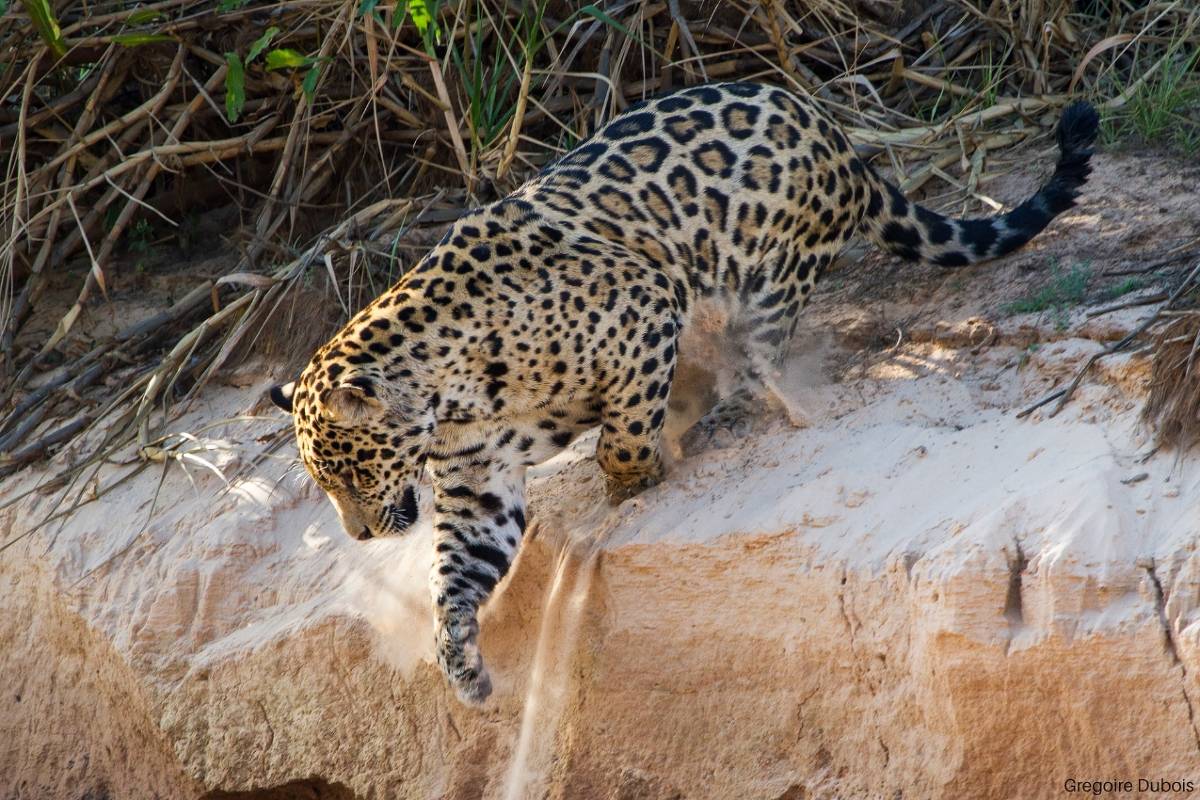
Mammals concentrate their activity during warmer hours: diurnal species such as agoutis and tayras forage in the afternoon, while ocelots begin hunting in the early evening. Jaguars, meanwhile, change their diet and expand their hunting range depending on the dry or rainy season, both in the Amazon and the Pantanal.
Read the article in the original language
News from Brazil