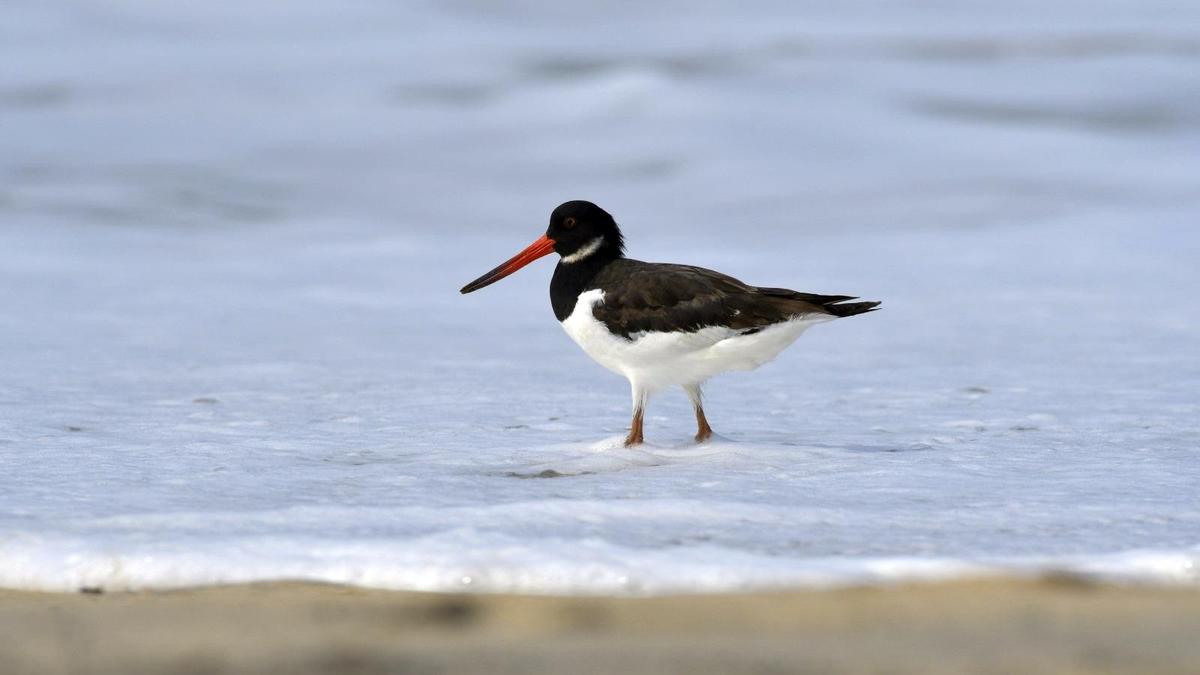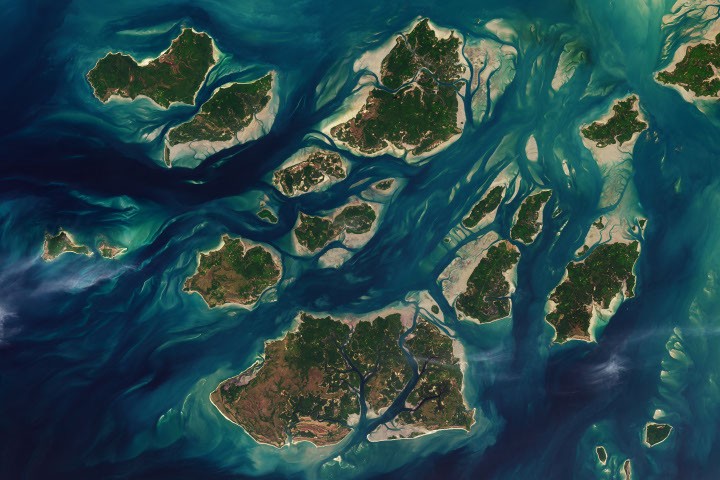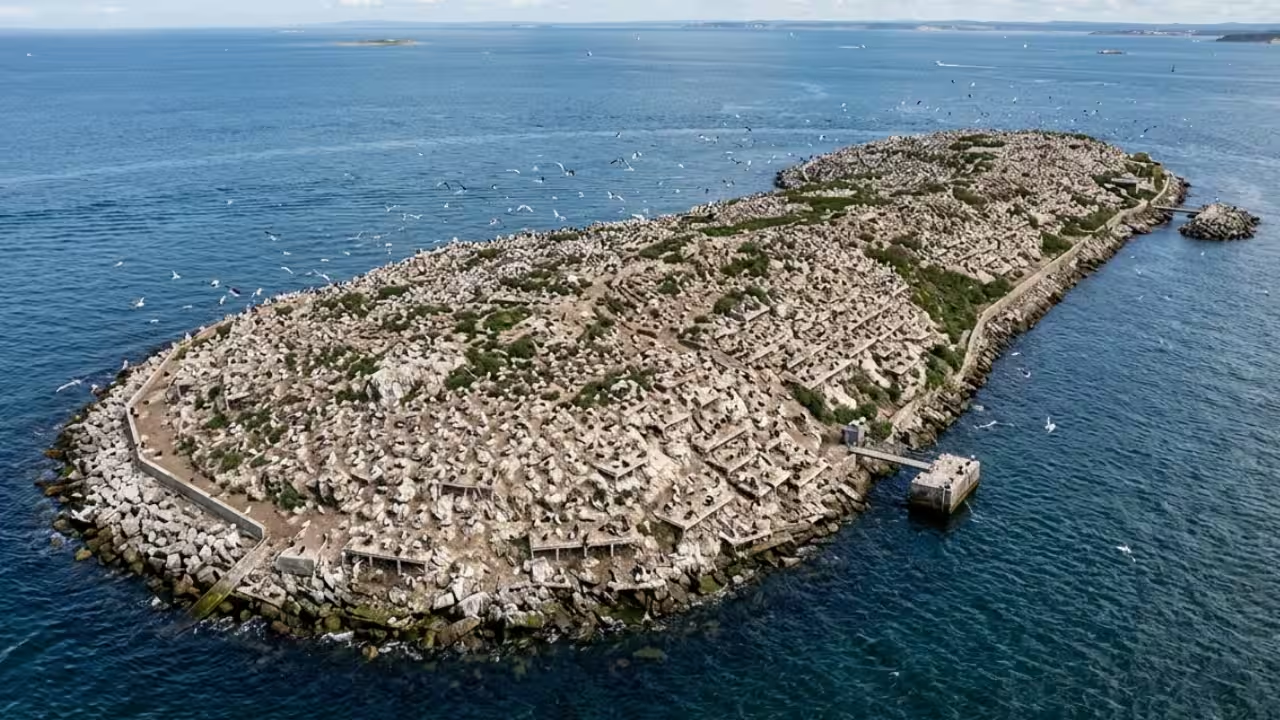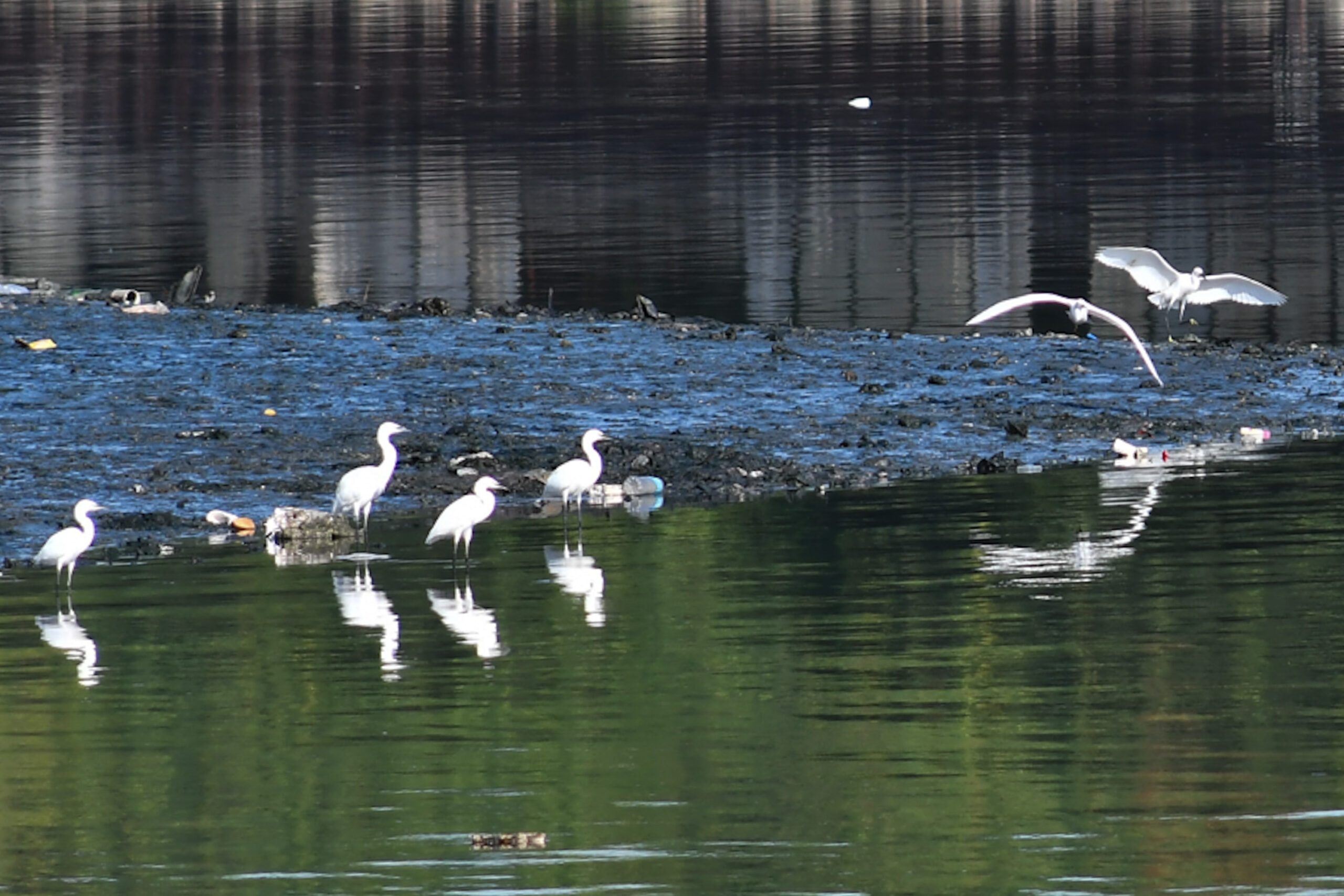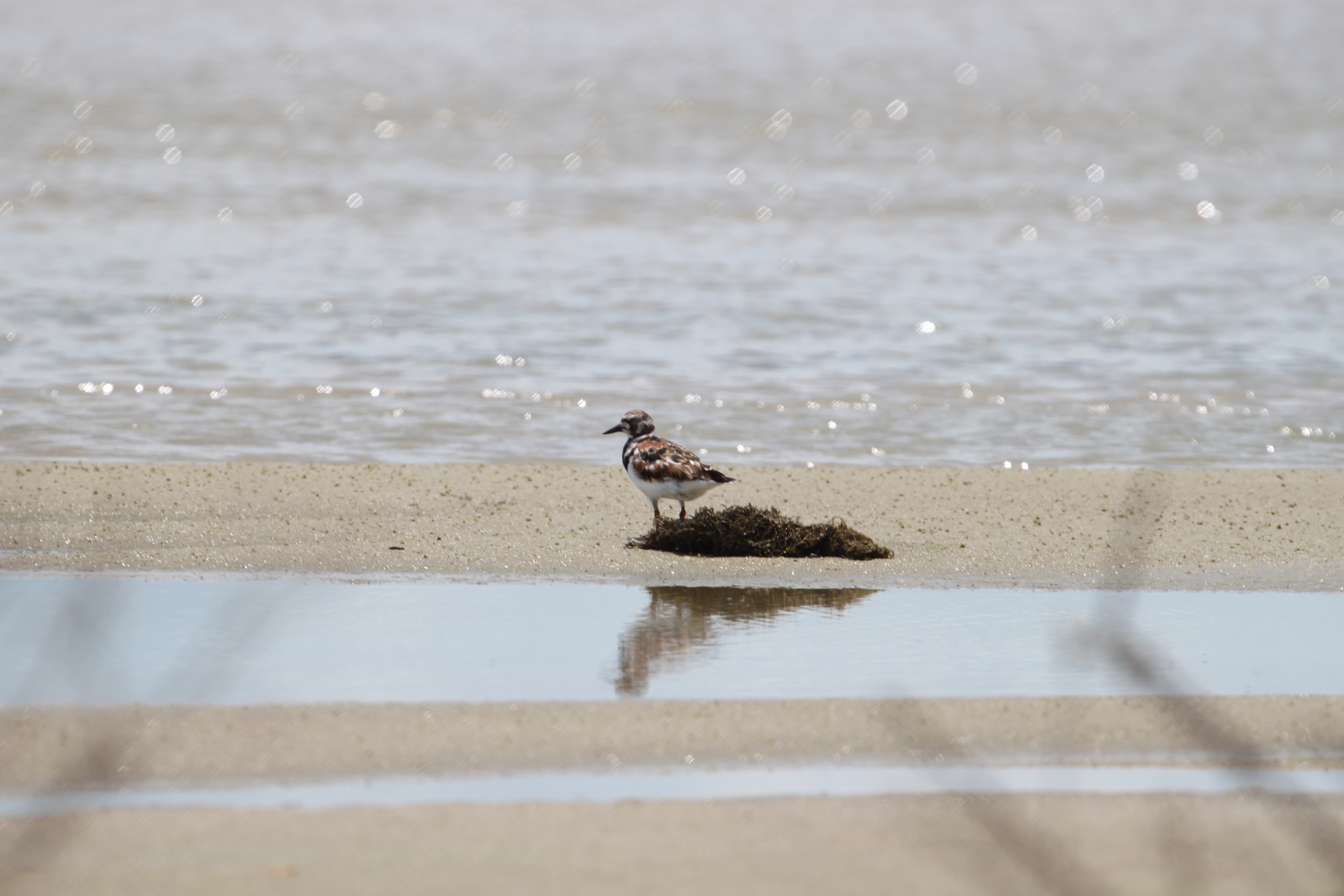
Among the many effects linked to climate change and damages to estuarine ecosystems, research indicates that migratory birds that depend on coastal wetlands could lose half of their habitats by 2050The impact is significant for Brazilian shorebirds: besides depending on a continuous chain of healthy wetlands to complete their long journeys between hemispheres, they suffer from the degradation of feeding areas such as mangroves.One the most threatened species is the red knot (Calidris canutus): low food availability could impair the bird’s preparation for the 8,000-kilometer (5,000-mile) journey it makes from Brazil’s northeast coast to the U.S. coast.Researchers are conducting censuses and conservation projects in areas of high shorebird biodiversity, including the Potiguar Basin in Brazil’s Rio Grande do Norte state, considered a “regionally important site” for these migratory birds.
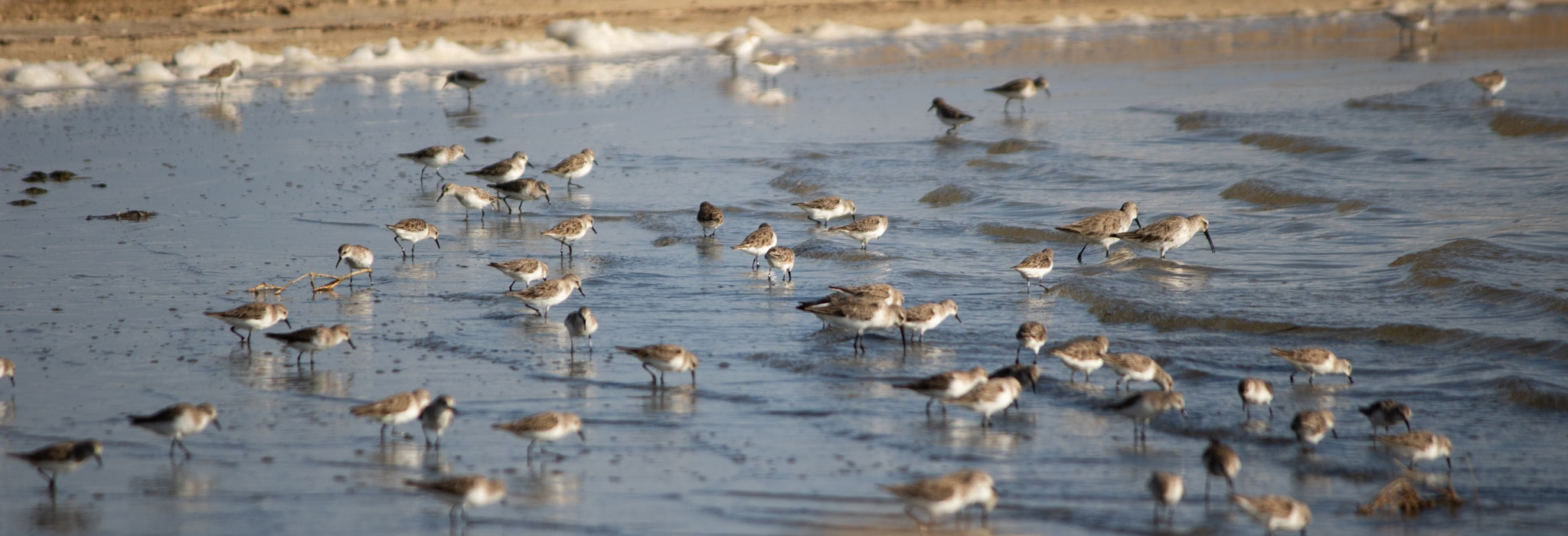
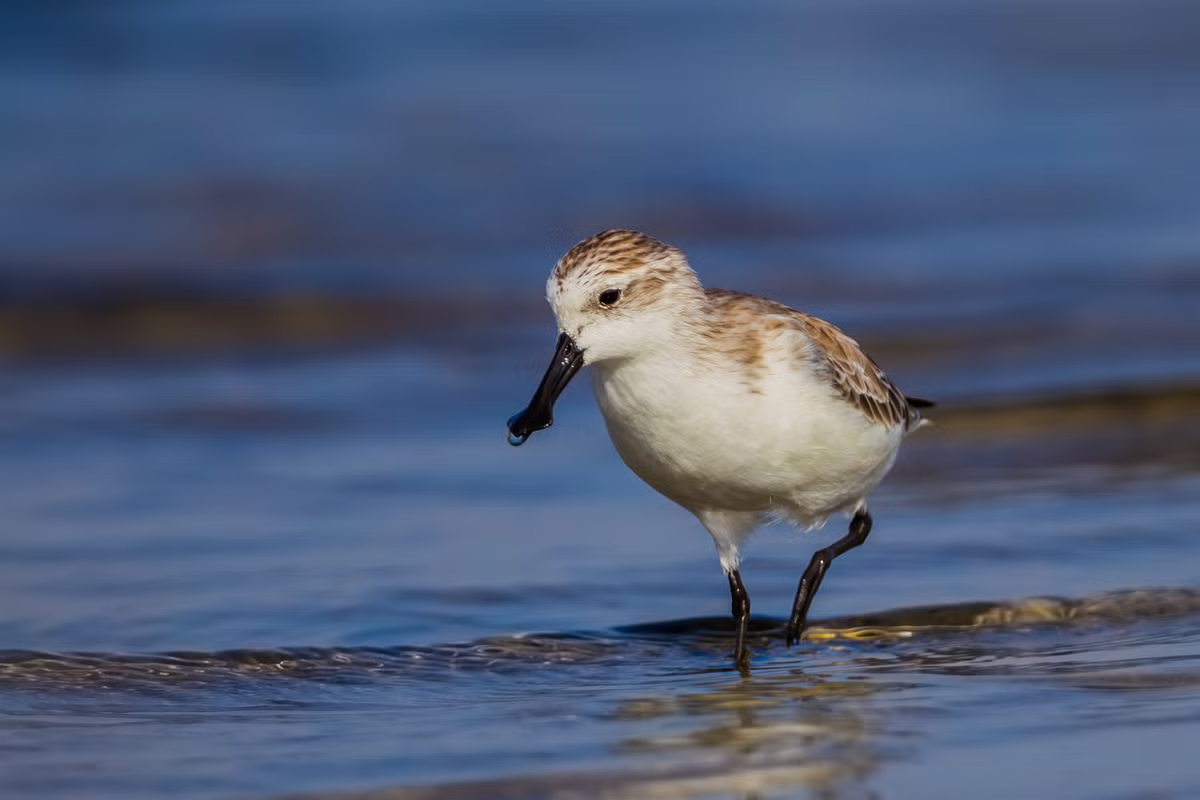
POTIGUAR BASIN, Brazil — On the estuary beaches where the Atlantic Ocean mixes with freshwater rising from mangrove soils, the shorebird known as the red knot has a single goal: to feed. While one member of the flock keeps watch, the others use their specialized, tireless beaks to capture clams, oysters, snails and earthworms that inhabit the muddy soils.