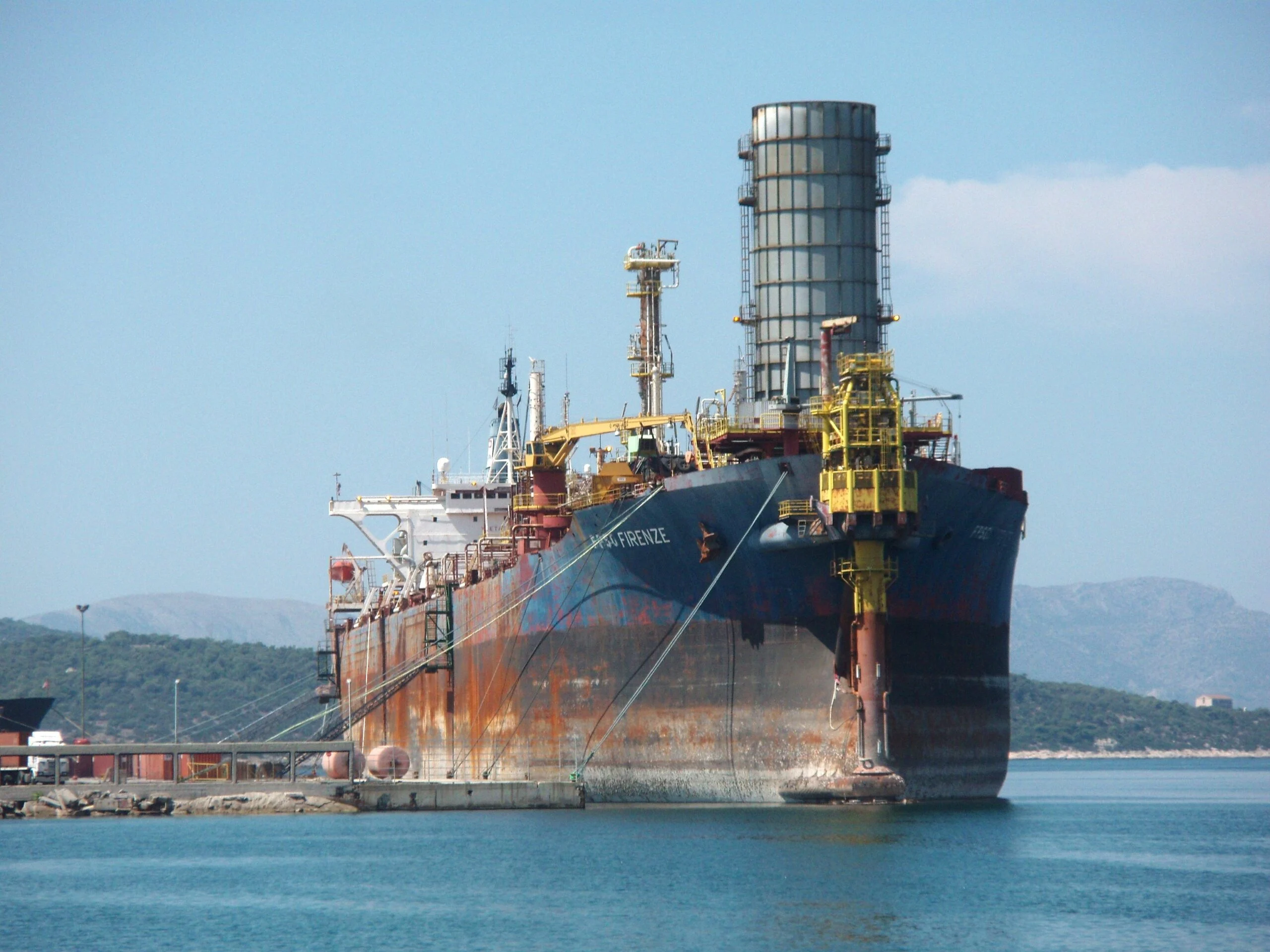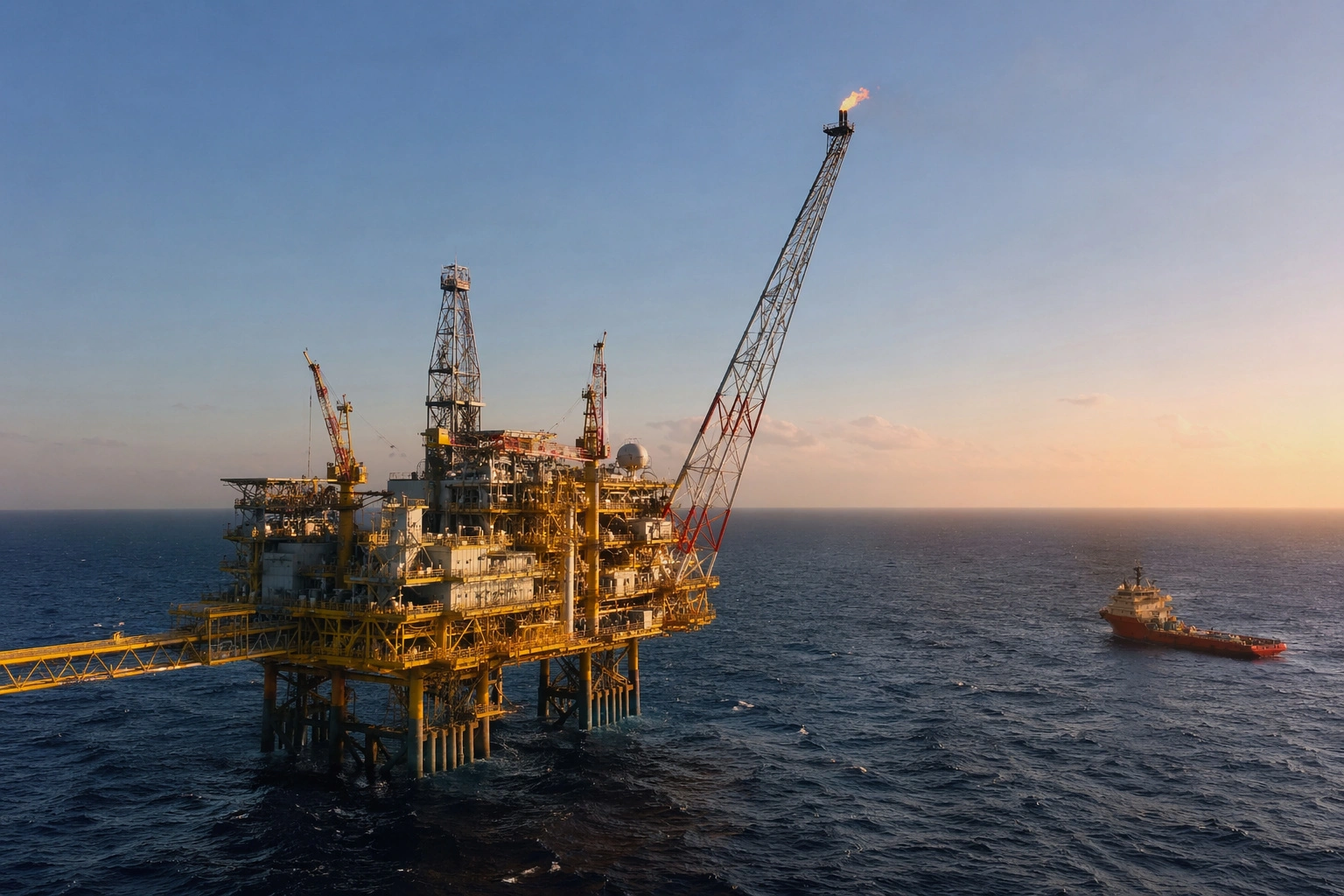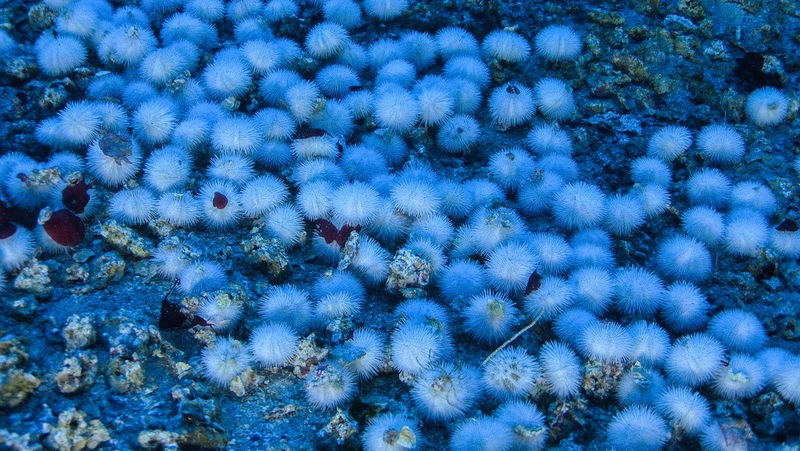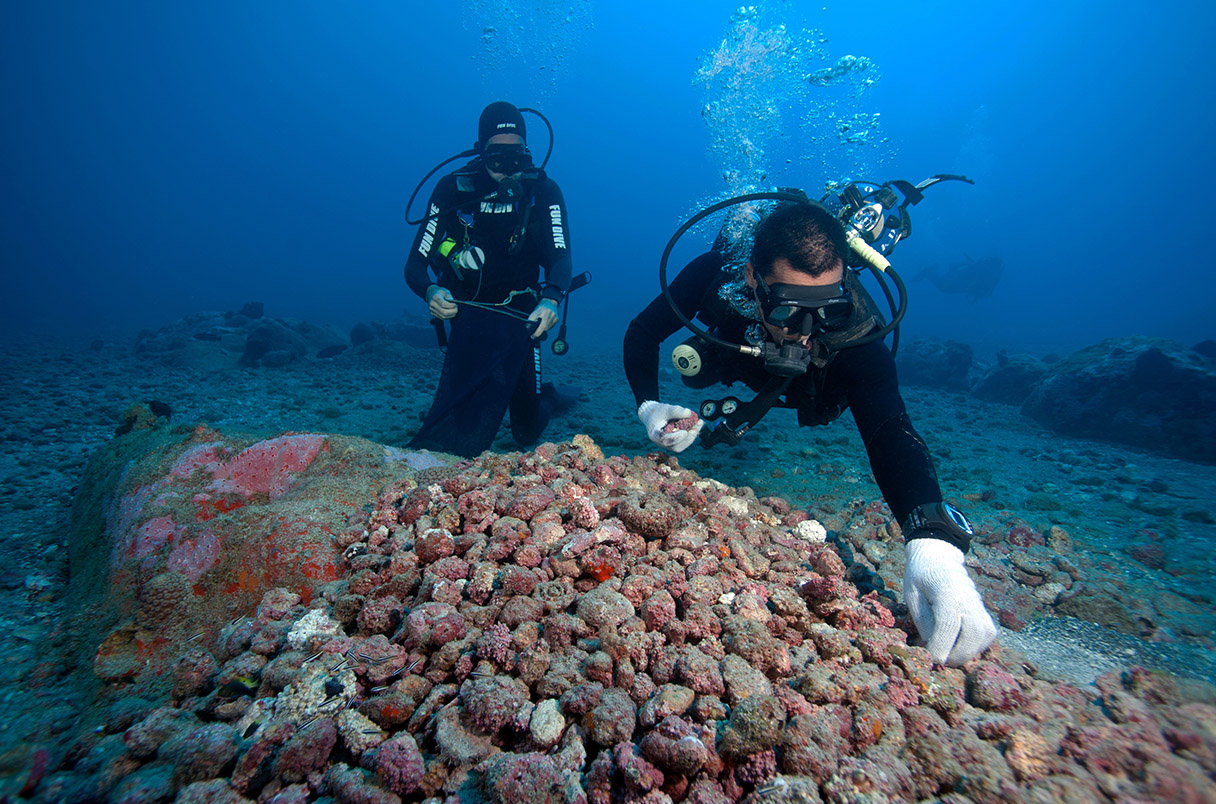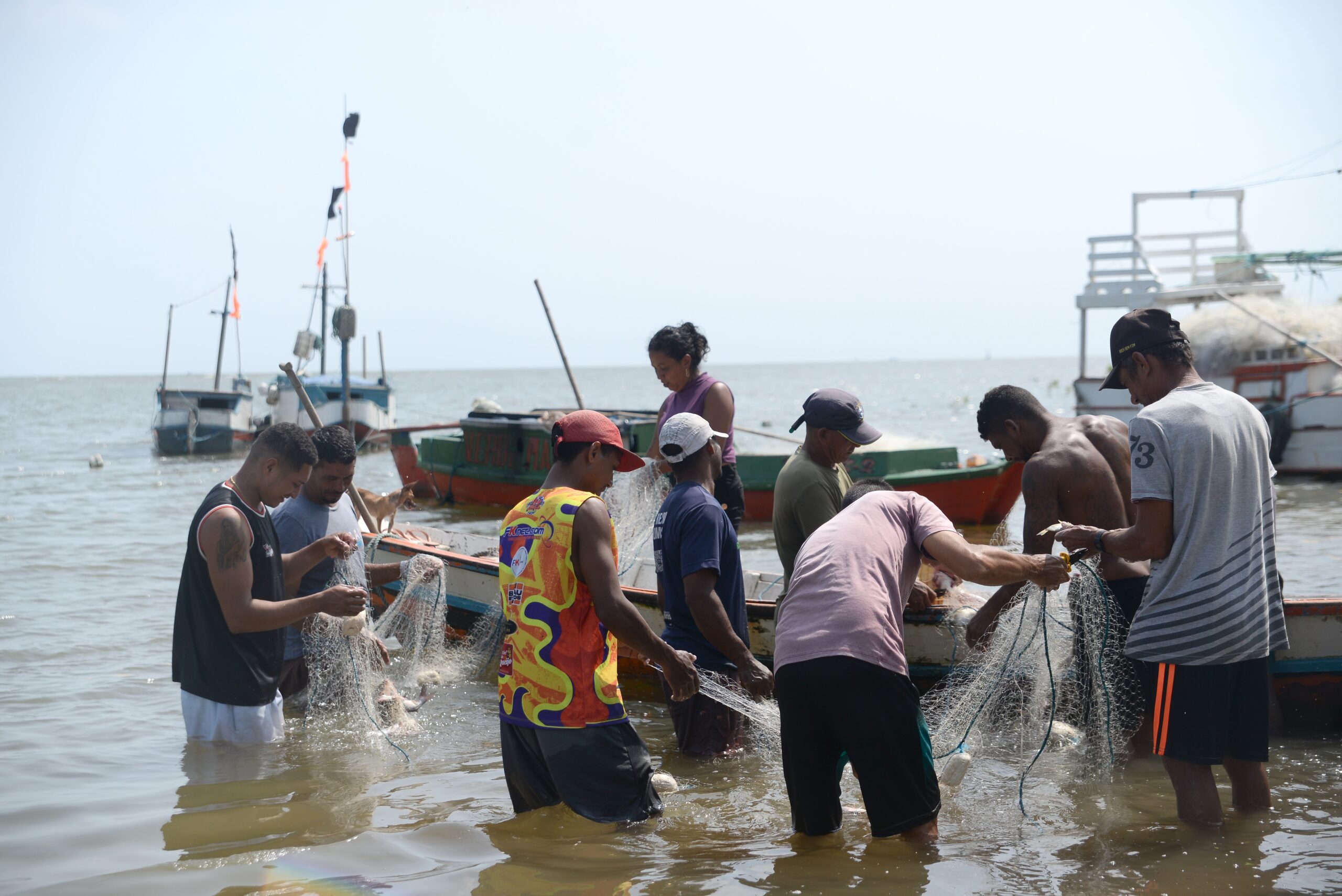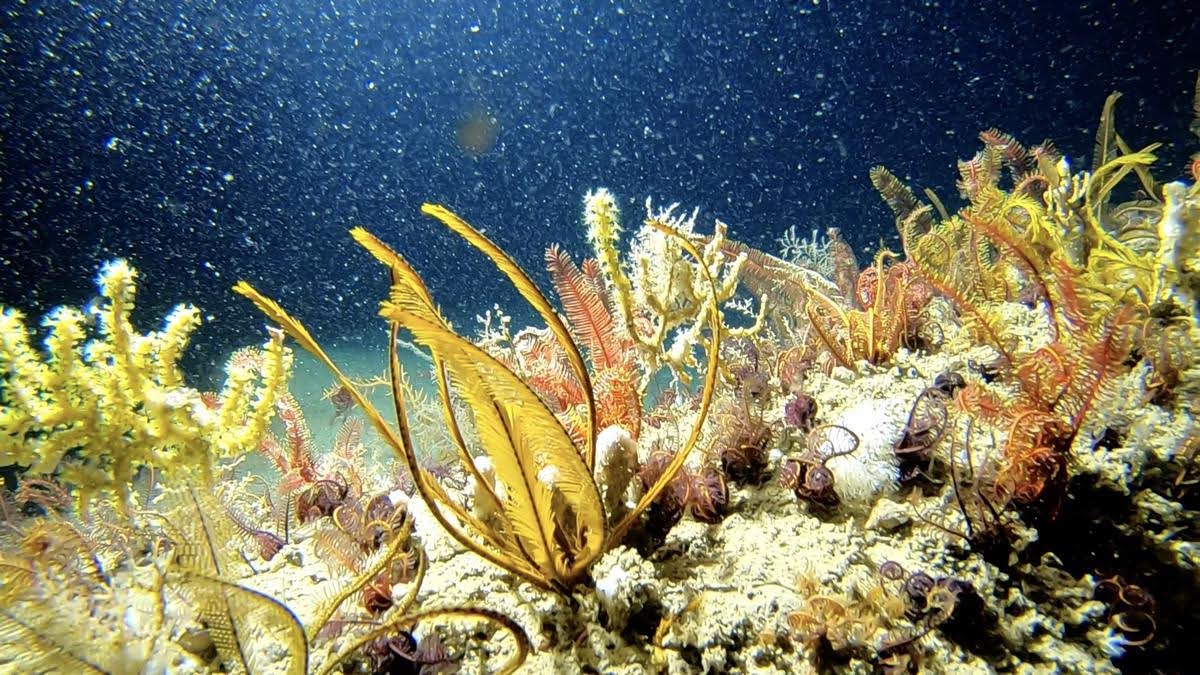
Fossil fuel exploration off the northeast coast of Brazil presents a greater cumulative risk of oil spills than previously expected, according to new modeling.Seagrass meadows and deep-water reefs in the Potiguar Basin are at greatest risk, as well as portions of the coasts of Ceará, Rio Grande do Norte and Amapá states.As the Brazilian government is pursuing rapid expansion of oil exploration in the region, researchers recommend prioritizing preparedness for emergencies where pollution would likely spread, and expanding Marine Protected Areas (MPAs) in low-risk areas.Campaigners worry that MPAs might restrict local fishing communities or be implemented too slowly.
In late August 2019, fishing communities along the northeast coast of Brazil reported black oily stains washing up on beaches, with crude clumping between the roots of mangroves, on the shells of turtles and on growing numbers of beached fish.
The origin of the spill was never confirmed: Then-president Jair Bolsonaro first blamed a Venezuelan tanker, then Greenpeace. What was soon clear, however, was the scale of the disaster. Carried by strong winds and ocean currents, by early 2020 the oil had contaminated thousands of kilometers of coastline across all nine Brazilian states in the region.