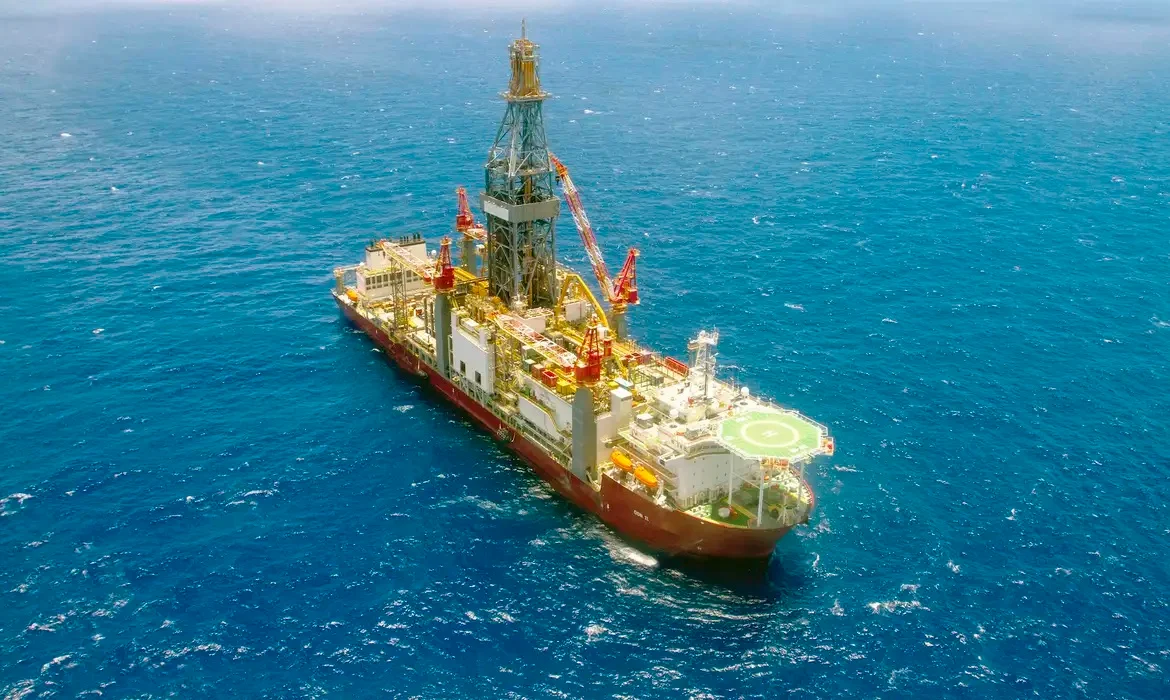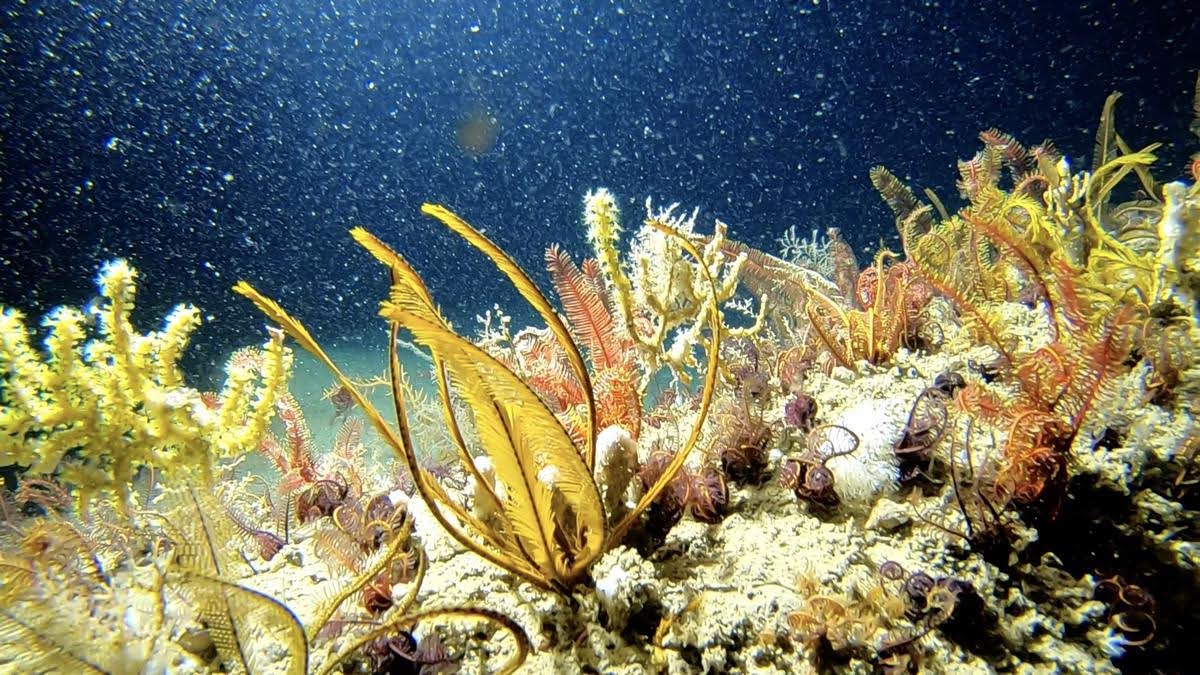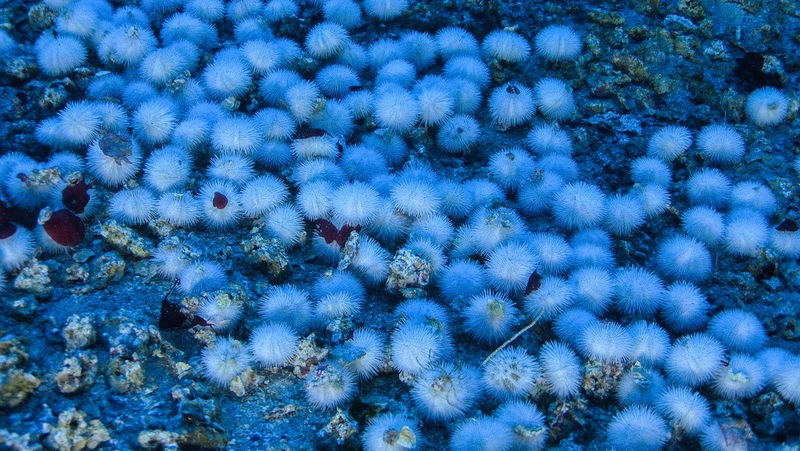
Brazilian state oil and gas company Petrobras has started drilling in the Equatorial Margin after years of political, scientific and environmental disputes over the risks posed by oil exploration at the mouth of the Amazon River.Researchers warn that the Amazon Reef system harbors a wealth of biodiversity and has not been widely studied, despite being close to Petrobras’s exploration block.Scientists disagree about the composition and extent of the Amazonian reefs, while environmentalists denounce attempts to downplay their ecological importance.Experts warn that an oil spill could reach mangroves, small-scale fisheries, and even neighboring countries, due to strong marine currents in the area.
The Amazon region always invites superlatives: the world’s largest tropical forest, the planet’s largest continuous mangrove belt, the river with the largest water volume and length on Earth. That makes any kind of exploratory activity in the region — and its potential impacts on this unique ecosystem — cause for great concern.
That’s the case with exploration activities currently being carried out by Brazilian state‑owned oil and gas company Petrobras in the area known as the Equatorial Margin. This area includes the coastal and offshore strip starting at the mouth of the Amazon river and fanning out into the Atlantic, off the Brazilian states of Amapá and Rio Grande do Norte.