Nelson Bastos wasn’t on the oil company’s programme. But he took the mic anyway.
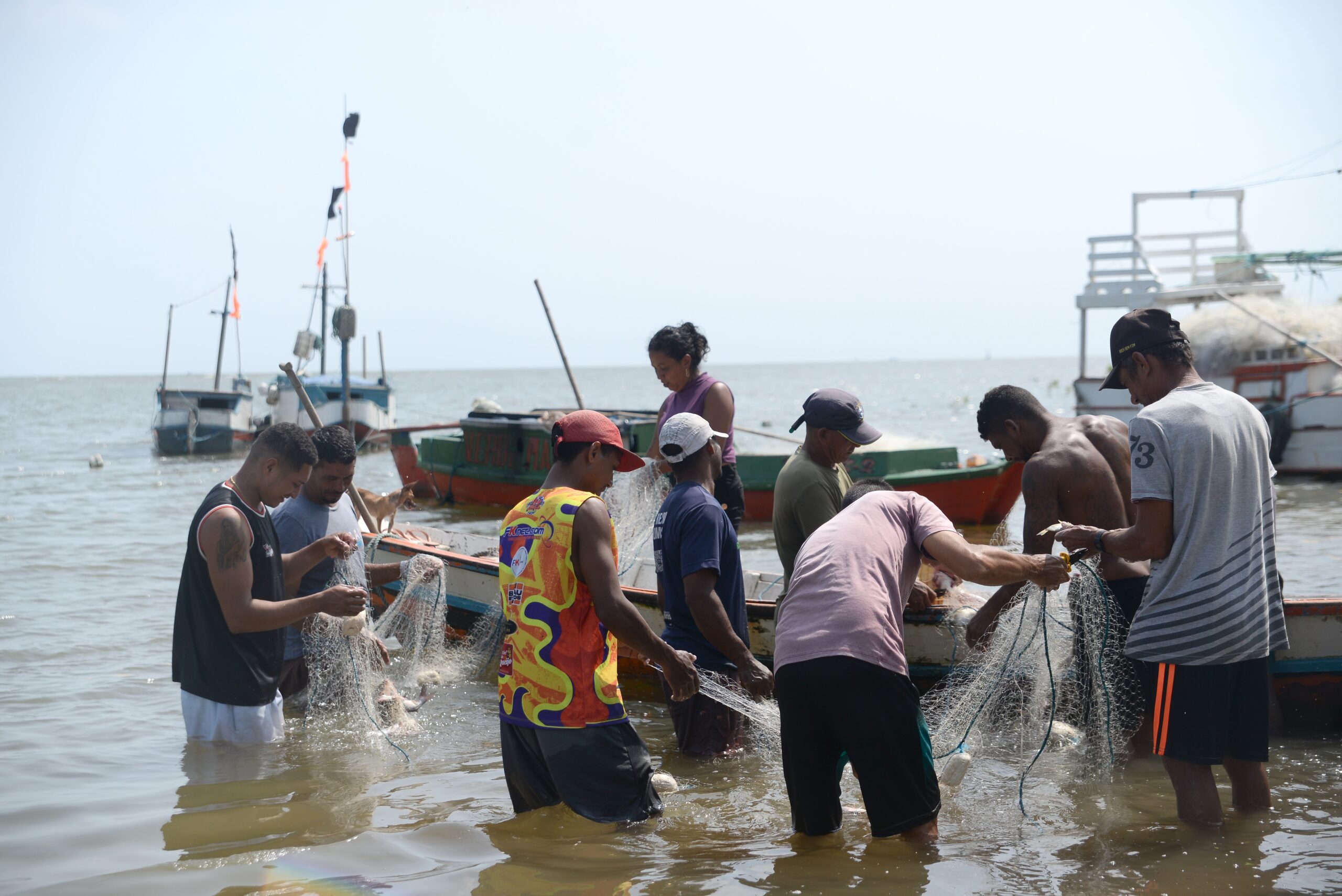
After a lifetime of studying the play of wind and tide in a stretch of ocean known as the Foz do Amazonas — Portuguese for “Mouth of the Amazon” — the 58-year-old fisherman wasn’t buying the corporate line.
“The people who fish out there, in the Foz do Amazonas, know there’s a wind called the Geral,” Bastos told families and fishermen gathered on a humid morning last November at the hut housing the local fishing association. “When one of our buoys breaks loose up there in the north, the Geral wind brings the buoy to the shore. It could bring the oil here, in the event of a spill.”
Murmurs of agreement rippled through the crowd. “He’s speaking the truth,” nodded one woman to her neighbour.
Petrobras — Brazil’s national oil and gas company — had staged the November 24 meeting for residents of a small town called Cachoeira do Arari. It’s the only significant inland settlement accessible by paved road on Bastos’ native Marajó, a riverine island of dense forest and wetlands roughly the size of Denmark.