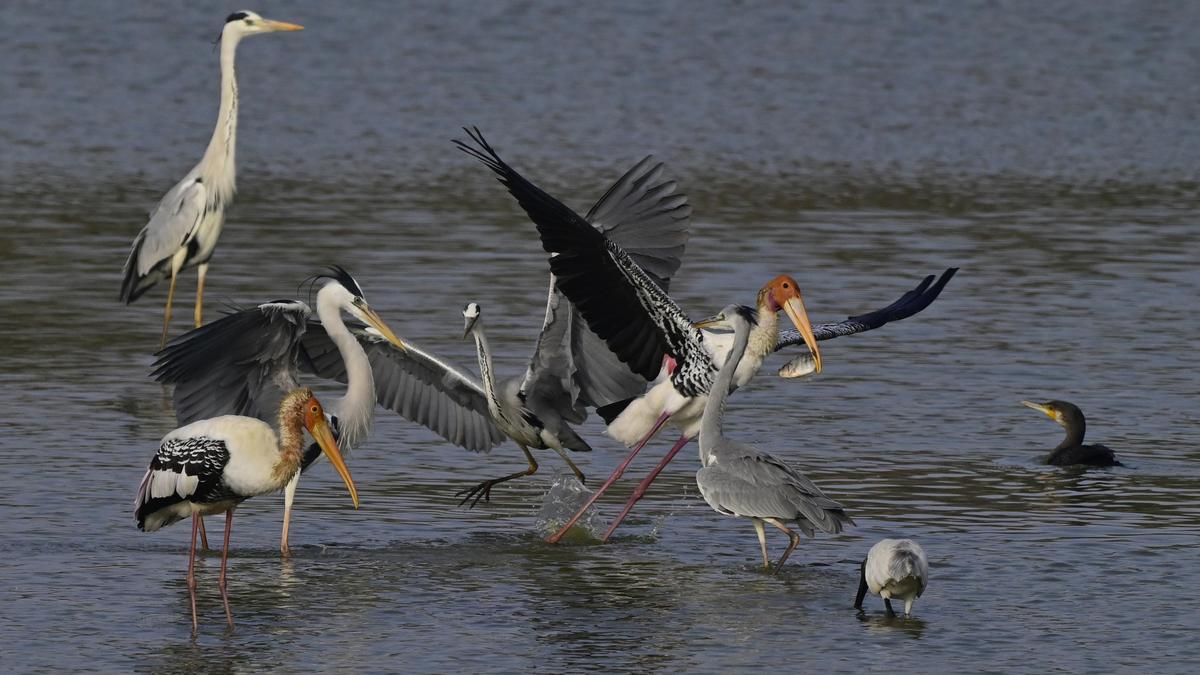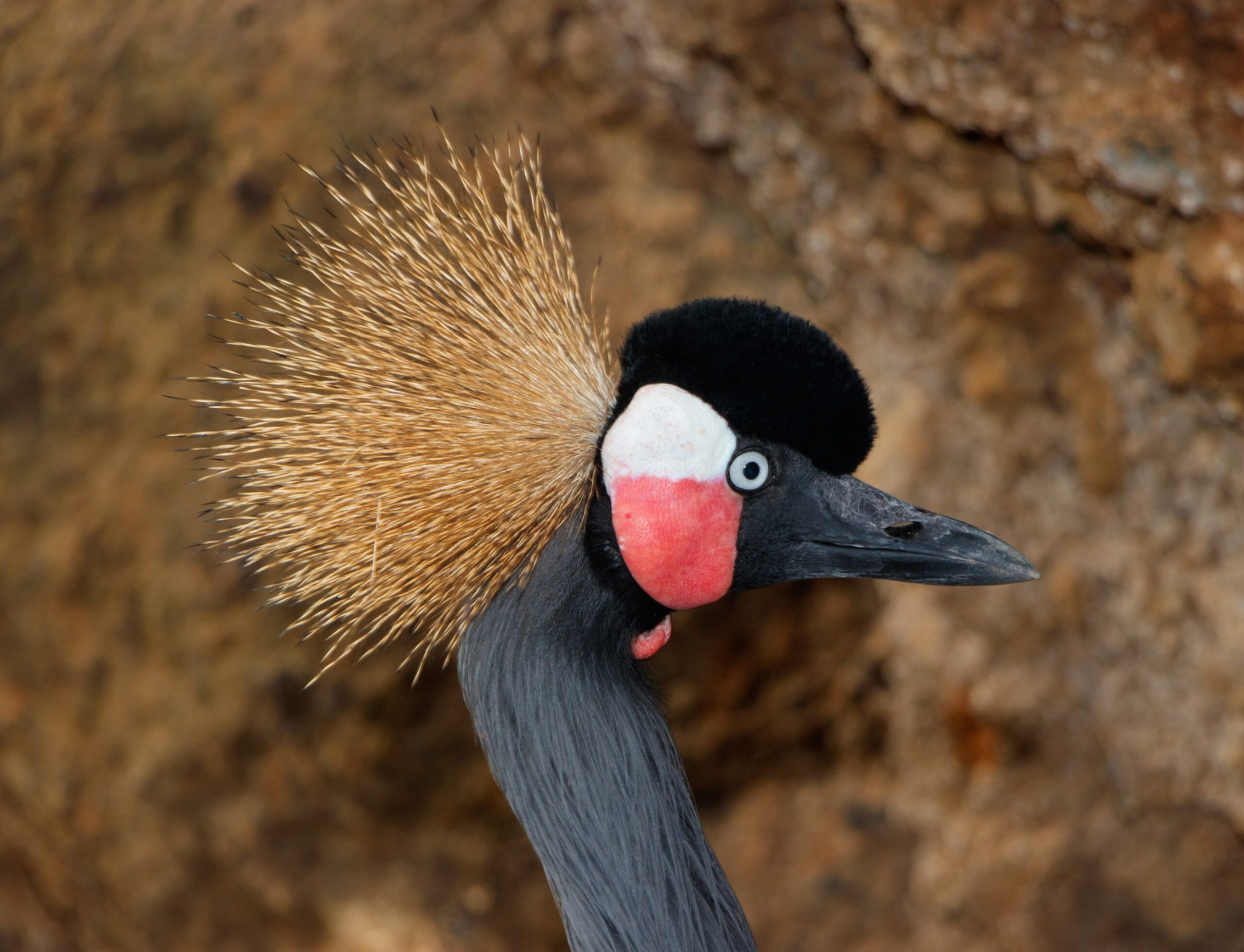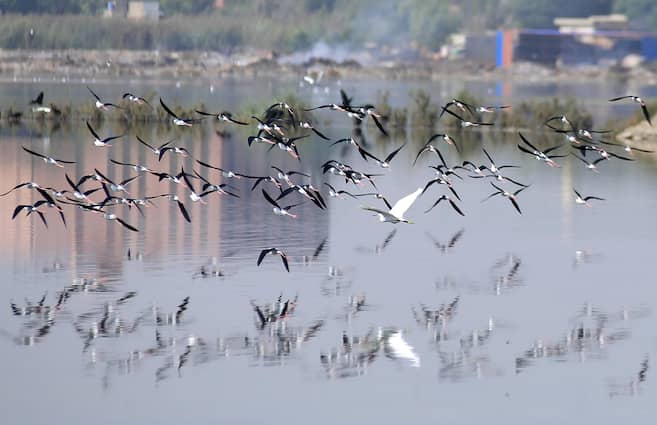
A U.N.-backed report finds that nearly half of the world’s migratory species protected under a global treaty are now decreasing — and about one in four now faces extinction.Habitat loss and degradation as well as hunting and fishing are driving these declines, but a deadly virus, Highly Pathogenic Avian Influenza, is also taking a heavy toll on bird populations.Wildlife corridors and protected ocean networks can play a pivotal role in conserving imperiled species: Animals need to move to find food, a mate and migrate.
From shorebirds flying between their Arctic breeding grounds and southerly foraging ranges to freshwater fish returning to native spawning streams, migratory animals are struggling. About half of all migratory species populations protected under a global treaty are now in decline, with the situation worsening in just the last two years, according to a new United Nations-backed report.
When the first State of the World’s Migratory Species report was published in 2024, 44% of migratory species populations listed under the U.N. Convention on the Conservation of Migratory Species of Wild Animals (CMS) were declining, according to data from the IUCN Red List, the world’s most comprehensive guide to global extinction risk. Since then, the proportion of imperiled CMS-listed species rose to 49%, according to updated Red List data and new research.