Vast journeys, among world’s great wonders, found to be under threat as freshwater fish populations crash by 81%
“It’s very hard to imagine what’s going on beneath the water when you look at a river – but you have billions of fish making these epic migrations, some of the largest animal migrations on Earth,” said Dr Zeb Hogan, at the University of Nevada in the US.
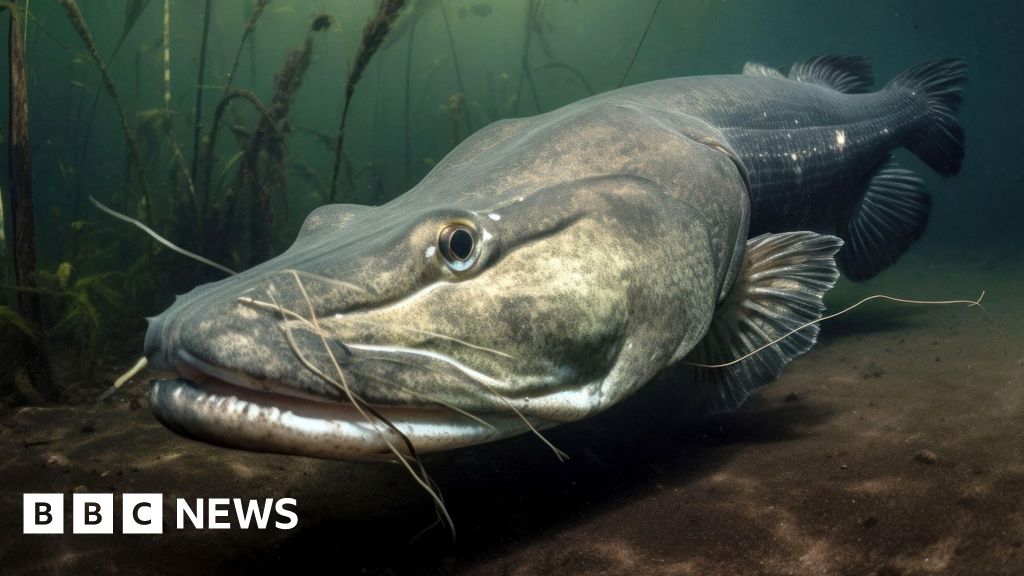
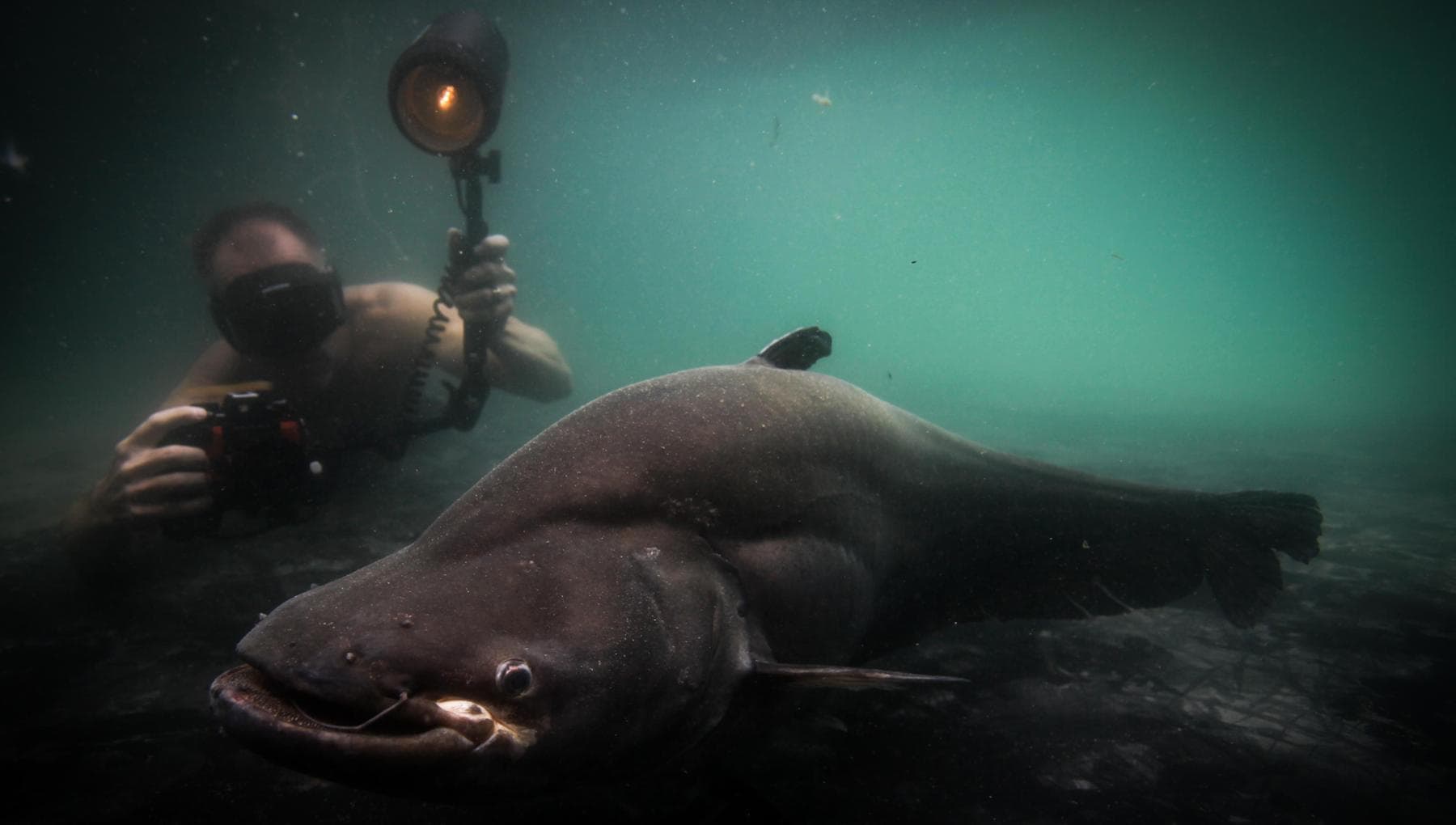
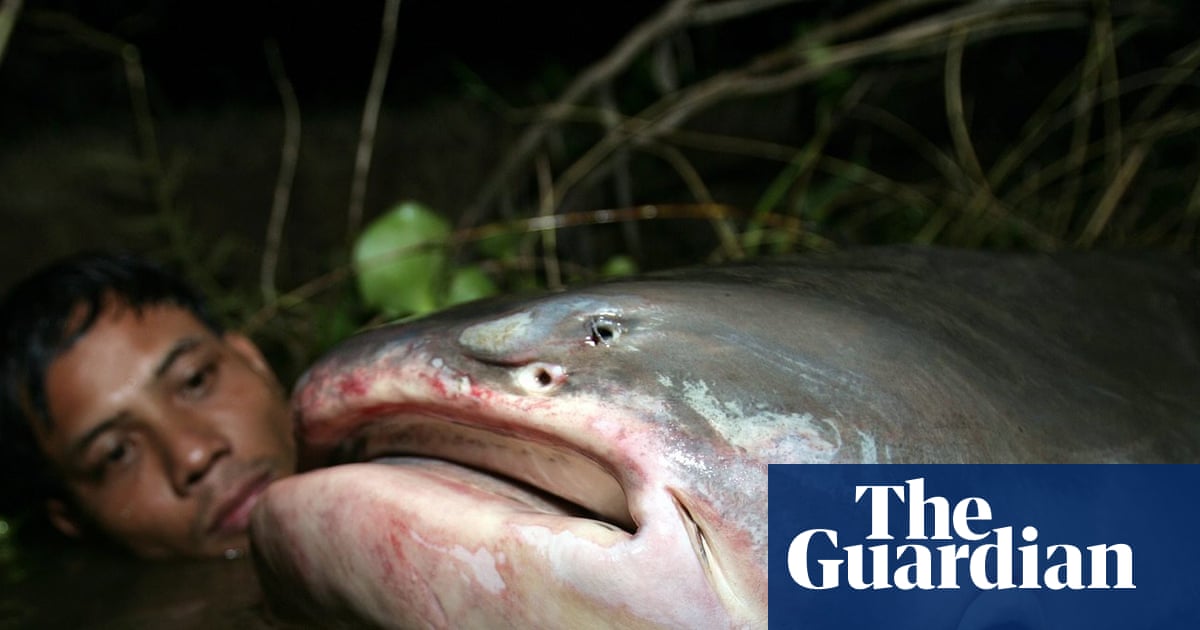
The longest migration of any freshwater fish species is the dorado catfish, which makes a migration of 7,000 miles (11,000km), from spawning in the foothills of the Andes to feeding in the Amazon estuary and back again. The silver-gold fish themselves were incredible, said Hogan: “They get to about 2 metres long.”
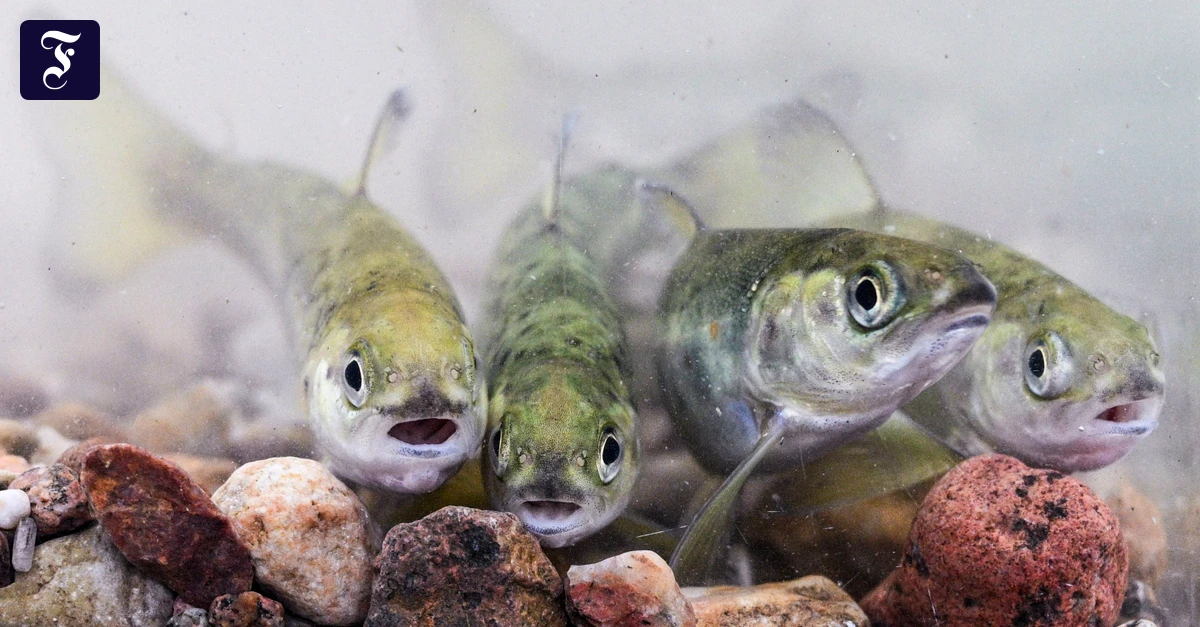
Such fish migrations happen in rivers across the world – salmon and eels are more familiar examples – but many are rapidly collapsing, according to the most comprehensive assessment to date. The analysis, by the UN’s convention on the conservation of migratory species (CMS) and led by Hogan, found freshwater fish populations worldwide have crashed by about 81% since 1970.
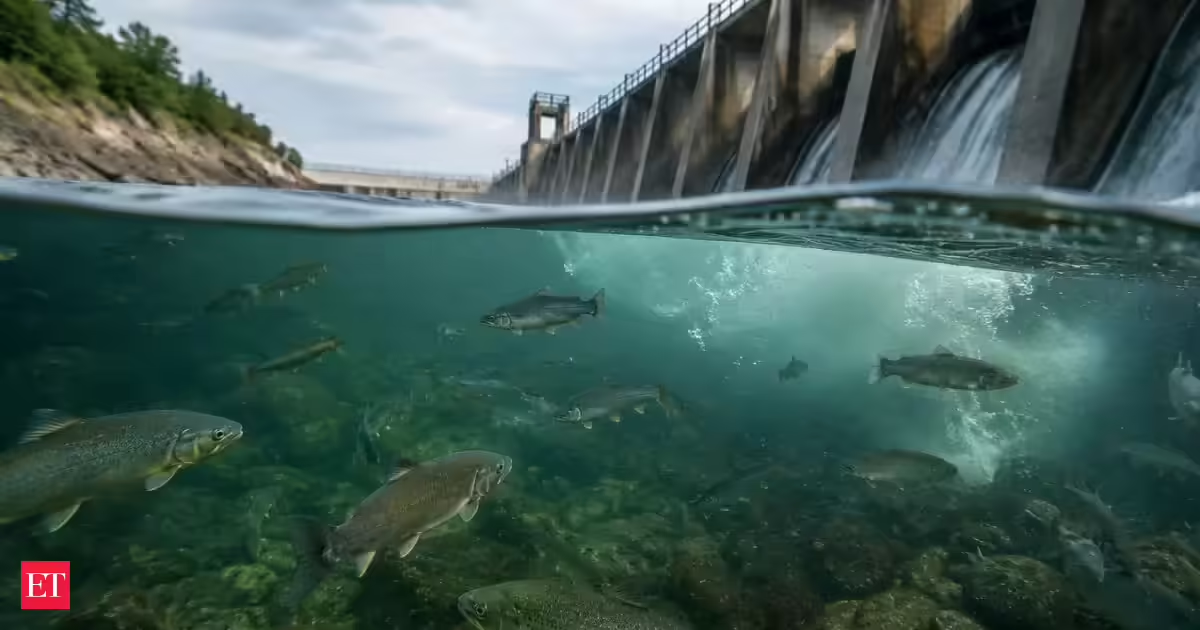
Freshwater species are especially vulnerable to harm caused by humans because pollution often drains into rivers and lakes, dams block vital waterways and overfishing decimates populations. The climate crisis is adding to the damage by raising water temperatures.