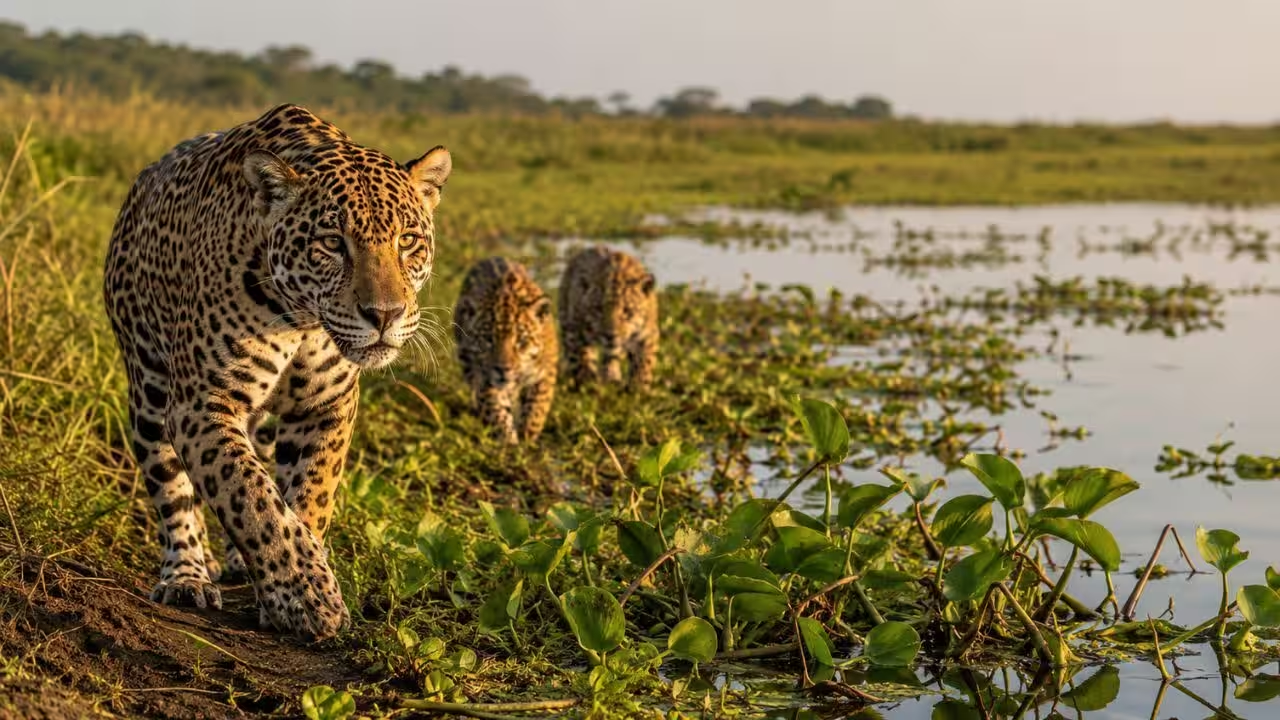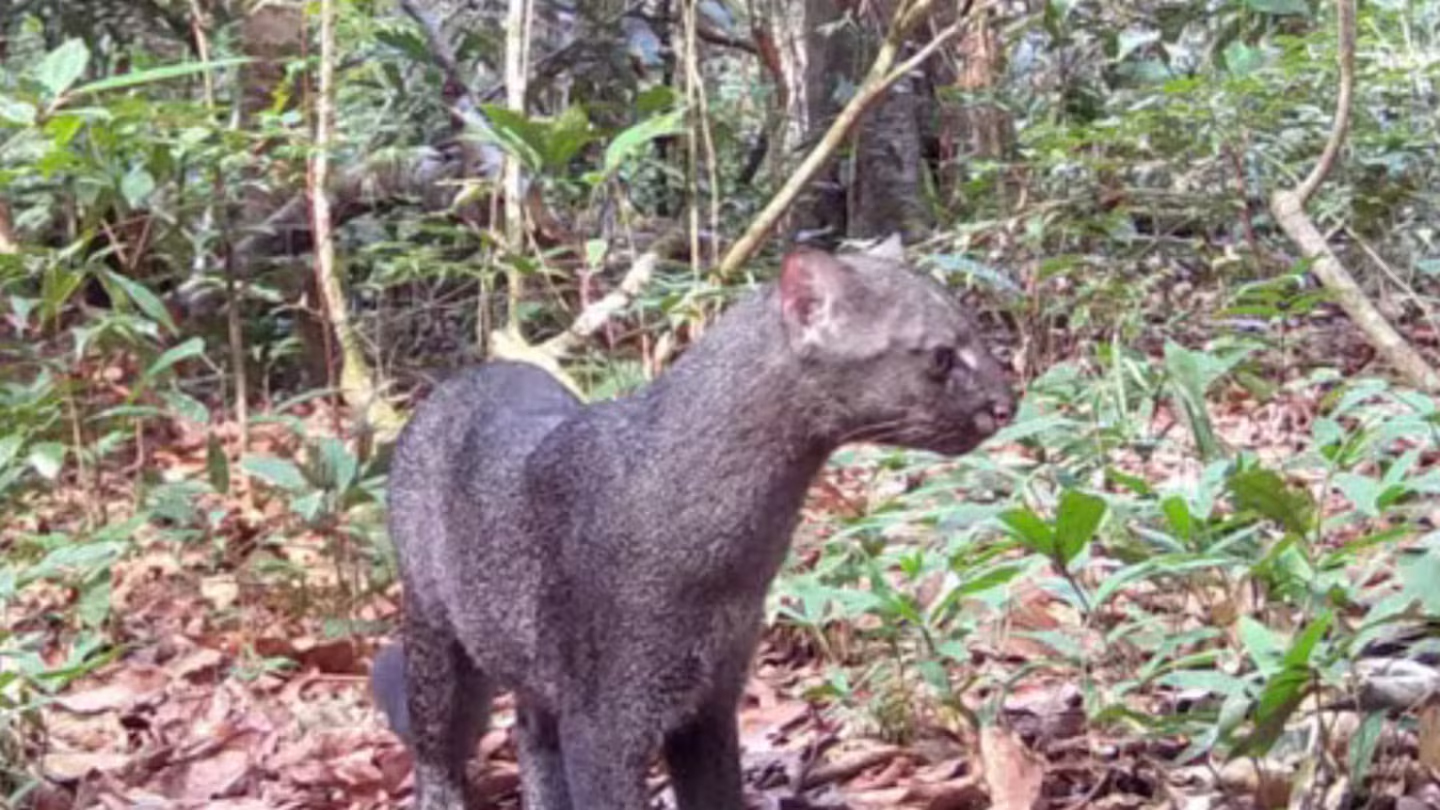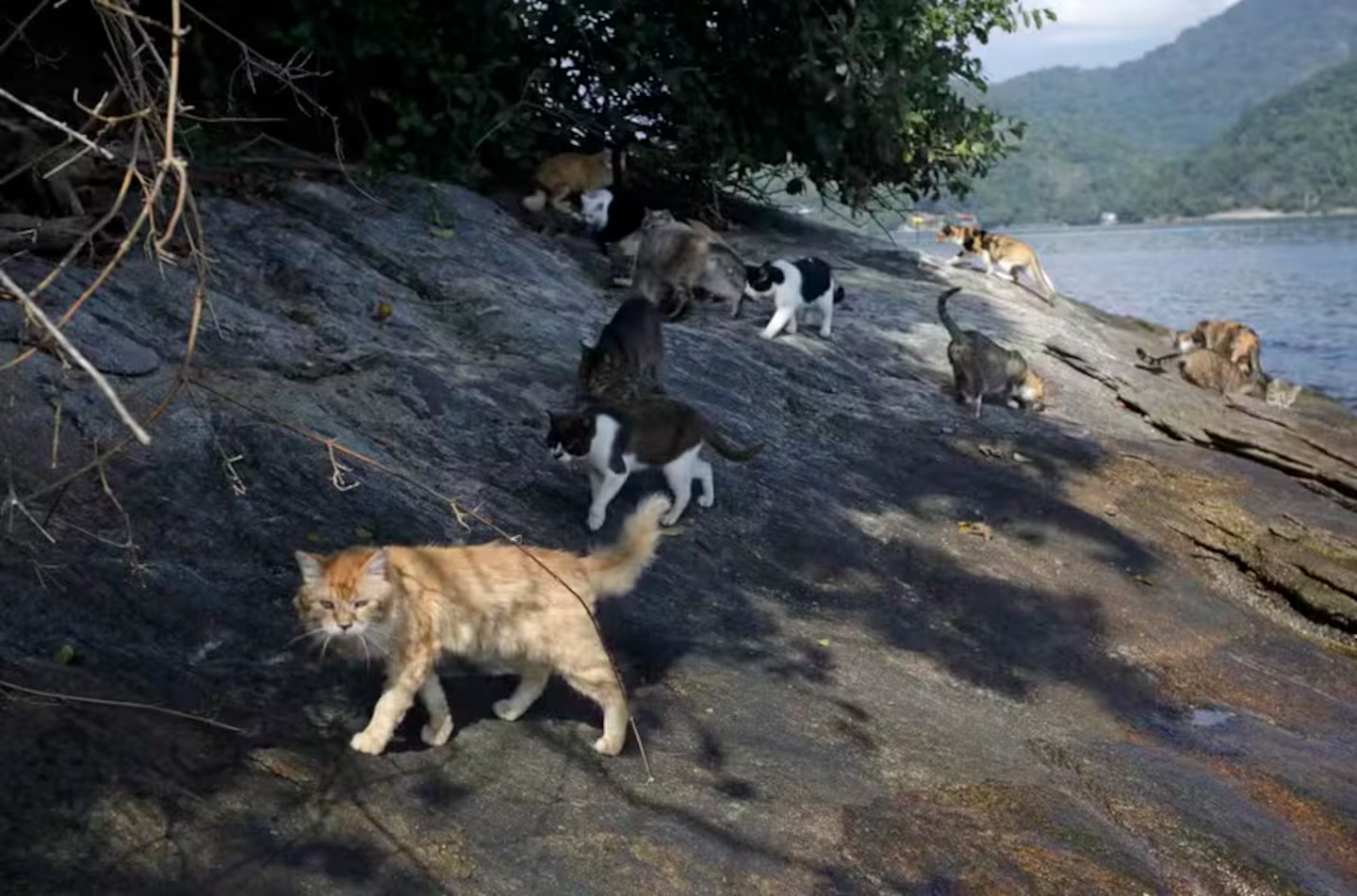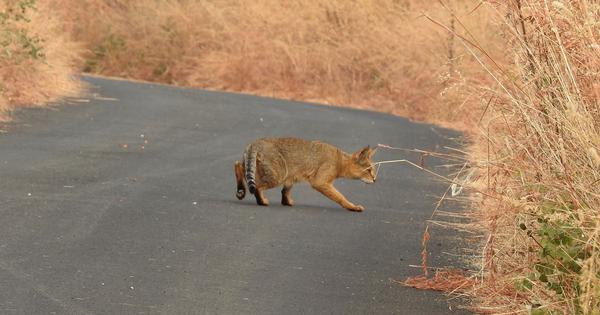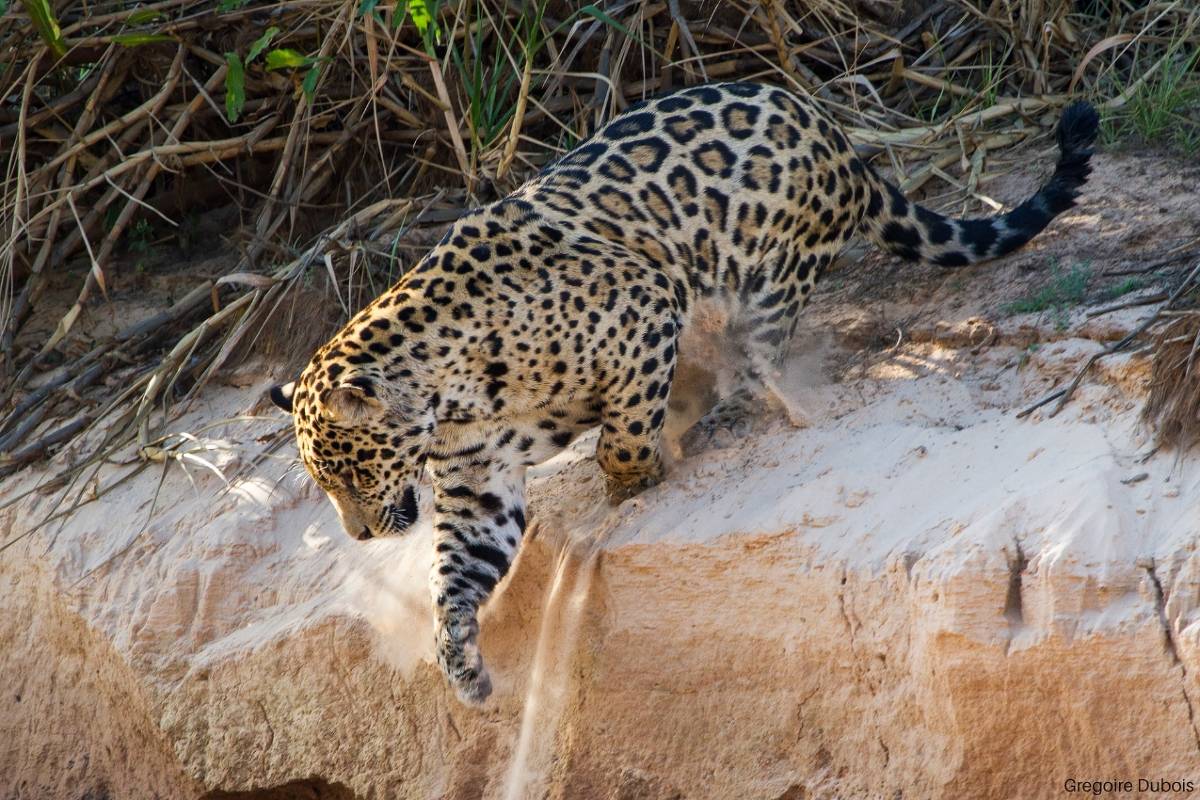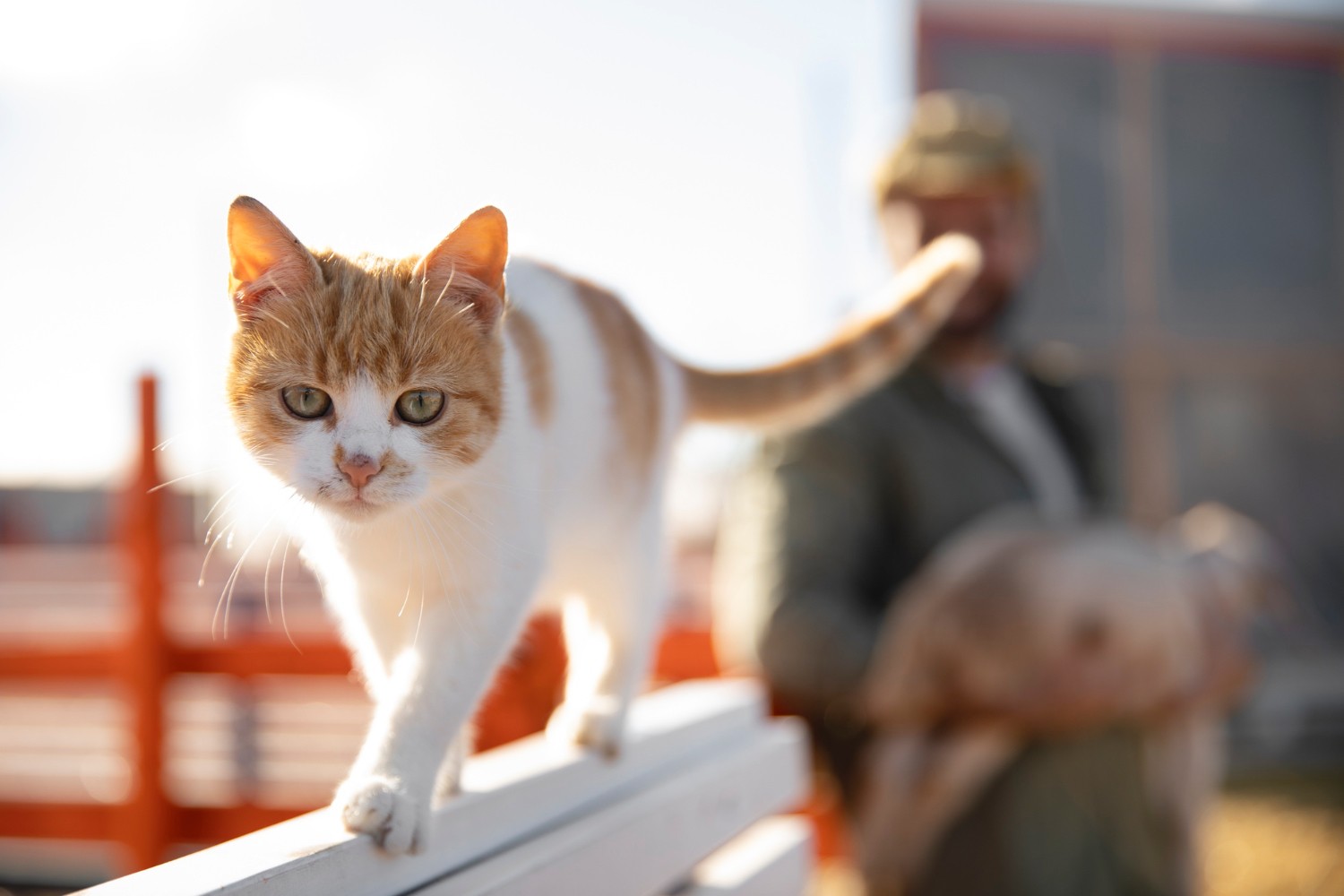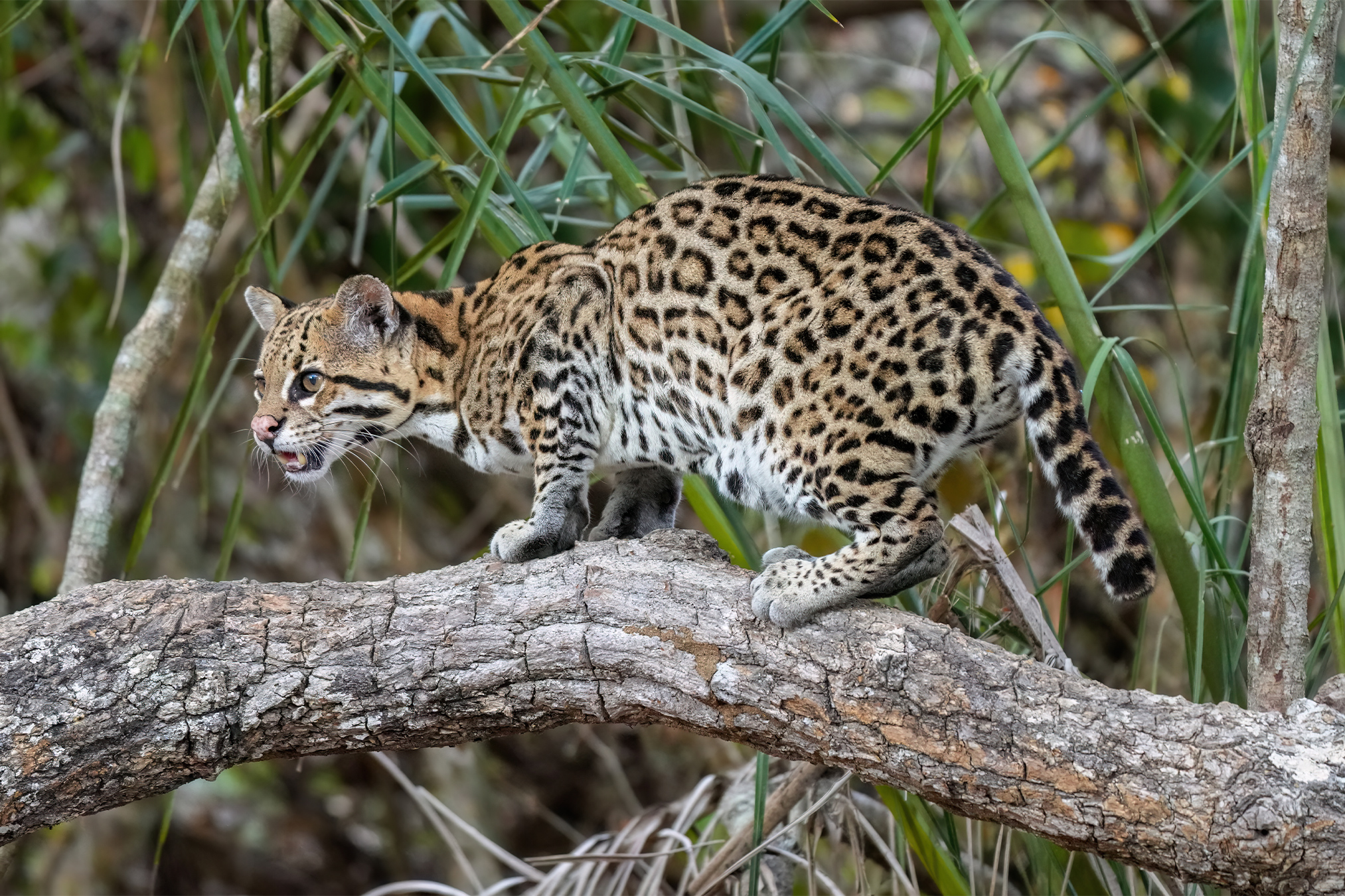
Throughout Brazil, the contact between domestic cats and wild felines has been exposing threatened, biologically vulnerable feral species to diseases, which can reduce their populations.According to experts, habitat fragmentation is a common denominator of this crisis, from the Amazon to the Pampa, where felines are forced to leave the boundaries of their native areas and approach sites modified by human action.From the imposing jaguar to one of the smallest and rarest, the pampas cat, no Brazilian feline escapes the risks of contracting fungi, bacteria, parasites, and known viral diseases, such as feline leukemia and others.Studies and veterinarians warn that mass vaccination of domestic animals and the preservation of natural areas are key pieces to address this problem.
Every day, millions of Brazilians recall how rich the country’s feline biodiversity is when they reach into their wallets: Since entering circulation in 2010, the ‘50 real’ notes have carried a printed drawing of a jaguar (Panthera onca), the largest feline in the Americas. In Brazil, one can even trace the animal that inspired the design of the popular banknotes: It is the jaguar called “Gabi,” a 2002-born female that lived in the old Rio de Janeiro Zoo (today Rio’s BioParque). The “model” Gabi died in 2022, but she remains alive in the imagination of Brazilian consumers in every day-to-day cash transaction.