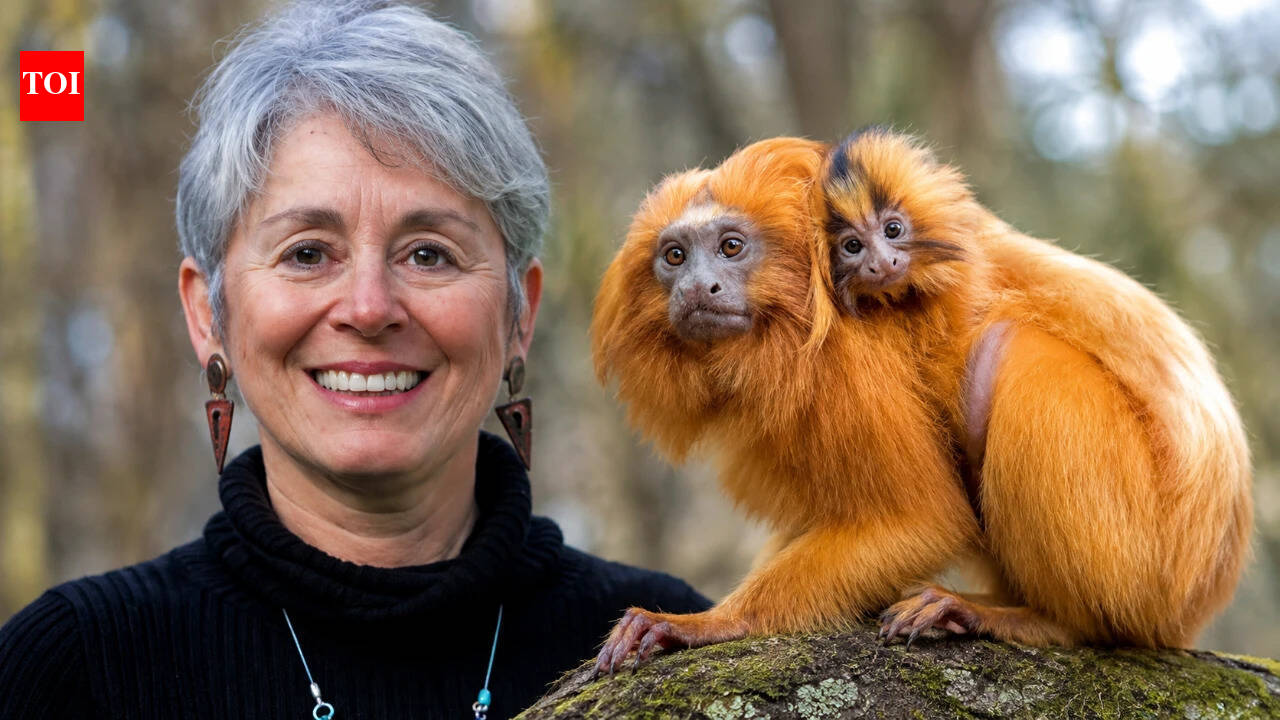
The small golden lion tamarin is one of Brazil’s most recognisable animals, but its presence on the R$20 banknote represents much more than national wildlife.
The species (Leontopithecus rosalia) was once pushed dangerously close to extinction, with only about 200 animals remaining in the wild in the early 1970s.
Brazil’s central bank describes the tamarin on the note as a symbol of the struggle to preserve endangered Brazilian species.According to Smithsonian’s National Zoo & Conservation Institute, its recovery became one of the landmark stories of modern primate conservation, and zoologist Devra G.
Kleiman played a central role in building the programme that connected captive breeding, field research, education and the eventual return of captive-born animals to Brazil’s forests.Devra Kleiman helped turn captive breeding into part of a wider conservation strategyDevra Kleiman, a research zoologist at the Smithsonian’s National Zoo, became one of the key figures in this effort.
The conservation programme she helped establish did not view zoos simply as places where endangered animals could be kept alive.In the 1986 conservation paper Conservation Program for the Golden Lion Tamarin, Kleiman and her co-authors argued that successful conservation required a combination of captive propagation, habitat protection, field research, management and public education.The paper specifically documented work on captive breeding and management, ecological studies and the reintroduction of golden lion tamarins into Brazil.