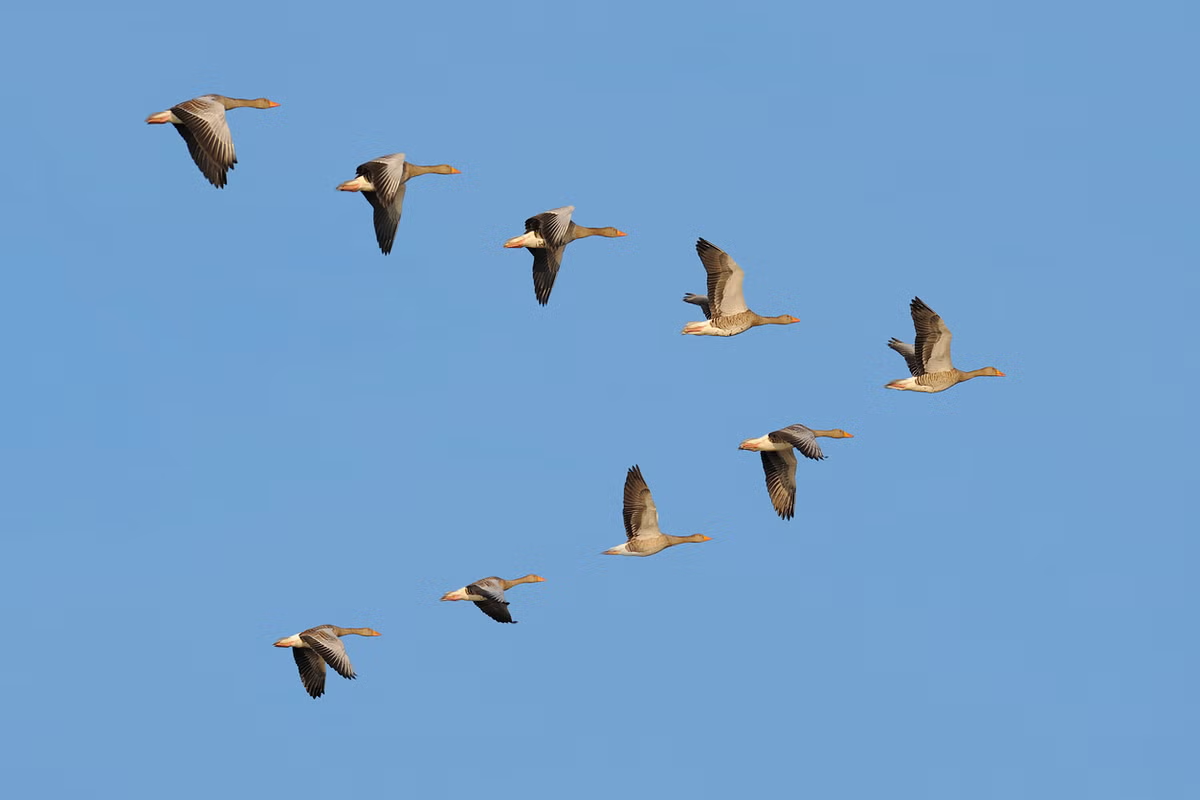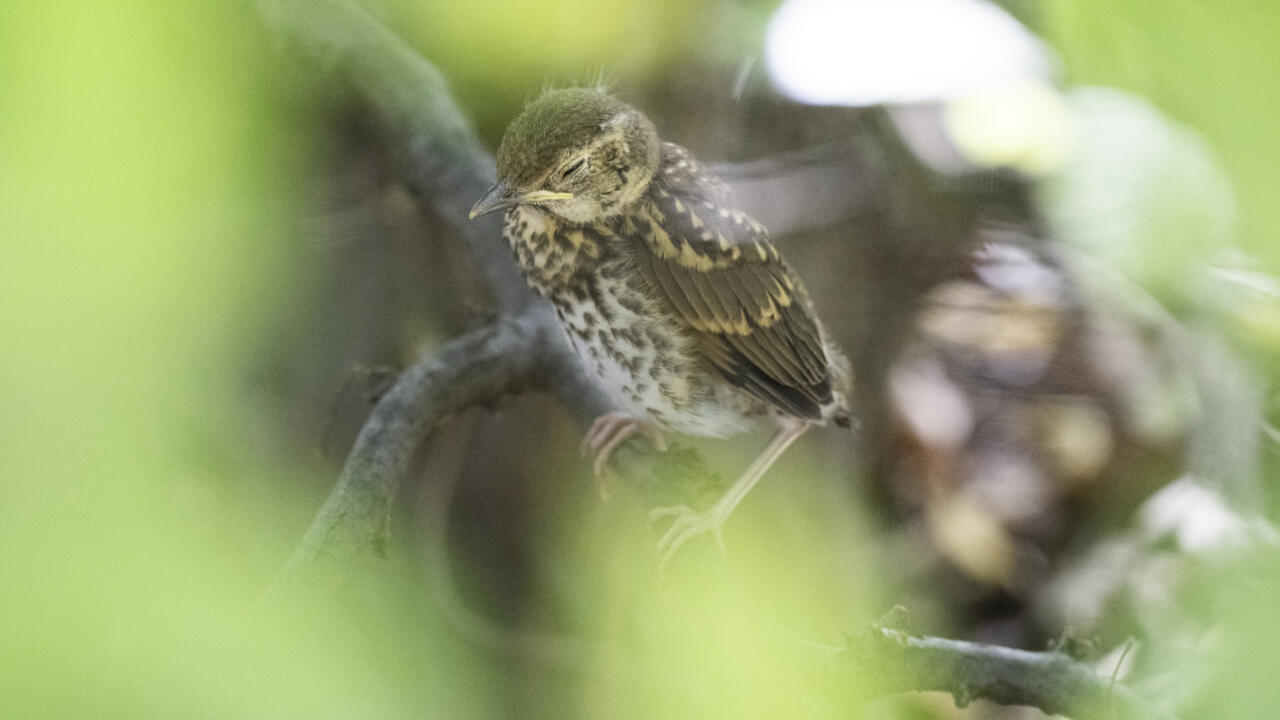
Ecologists expected many species to shift northward or upslope in response to warming temperatures, but only about half of observed range shifts so far align with their projections.Species responses are likely shaped by multiple factors — changing habitat, rainfall and food availability — not just temperature. Some species may be unable to move, trapped within a fragmented habitat.Research shows animals that move toward higher latitudes don’t necessarily fare better.These mismatches between predictions and reality create more uncertainty for conservation planning and how best to support species adaptation through corridors.
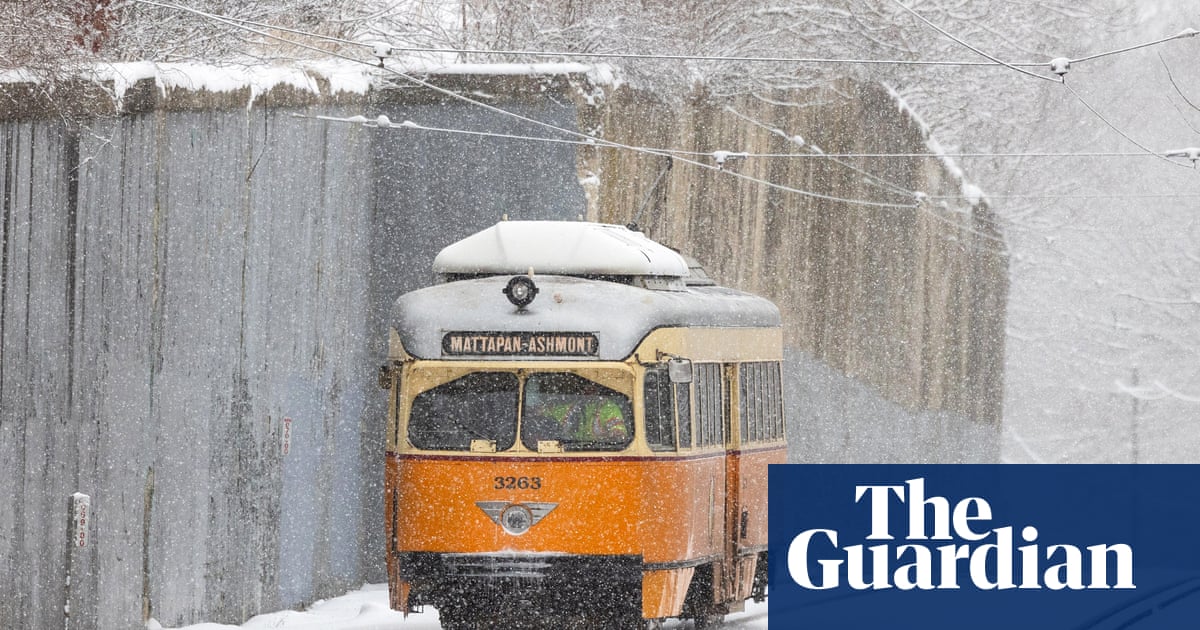
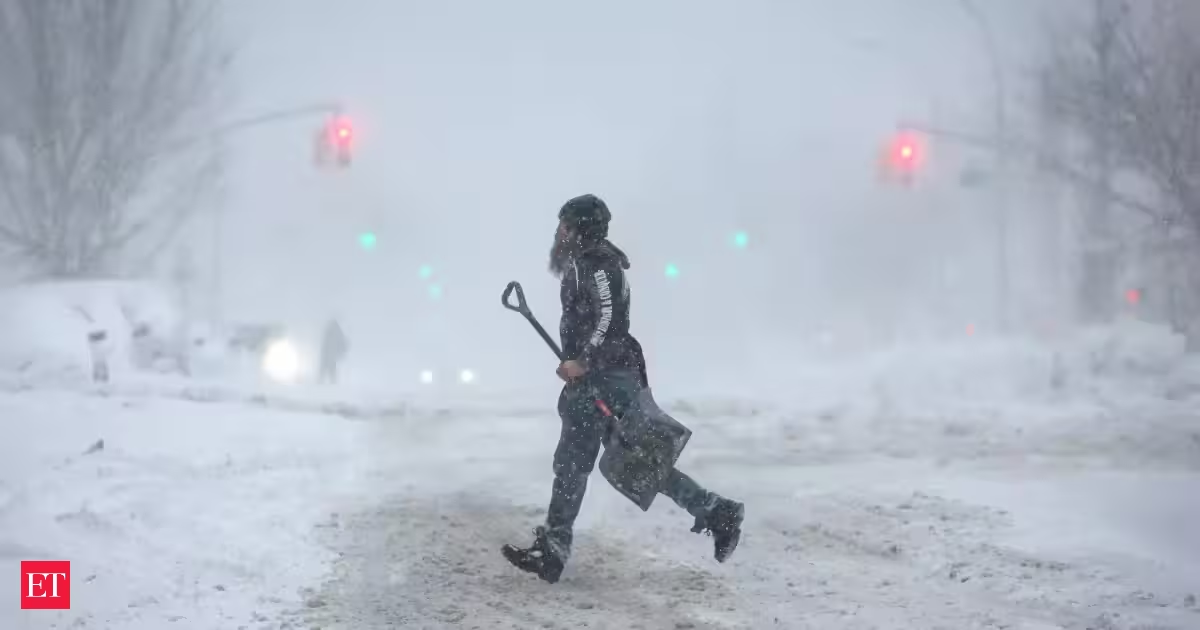
New England’s winters have long been a punishing force. Forests fade in and out of deep freezes. Animals pile on fat for warmth in anticipation of the harsh weather to come. Others flee south, seeking warmer refuges. However, over the past 50 years, winters there have become much milder. In the northeastern U.S., winters now average between 4 and 5 degrees Fahrenheit (2.2 and 2.7 degrees Celsius) warmer than in the 1970s. Snowfall can be sparse, and there are usually fewer days of extreme cold.
For decades, ecologists have expected that animals living within narrow climate niches would adapt to rising temperatures by moving northwards or upslope to higher elevations. For example, they thought the American red squirrel (Tamiasciurus hudsonicus) in the northeastern U.S. would move up into the mountains in search of cold.