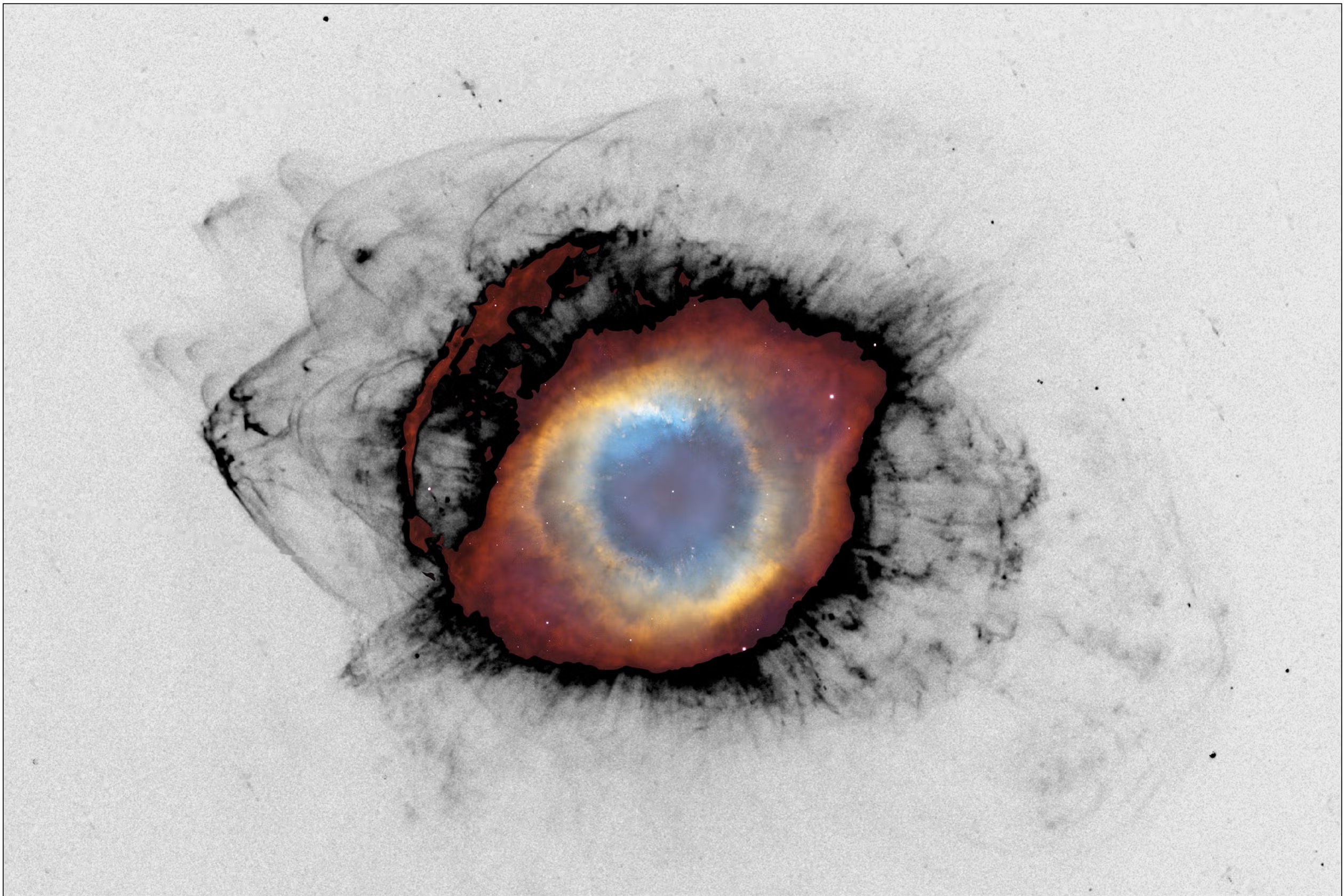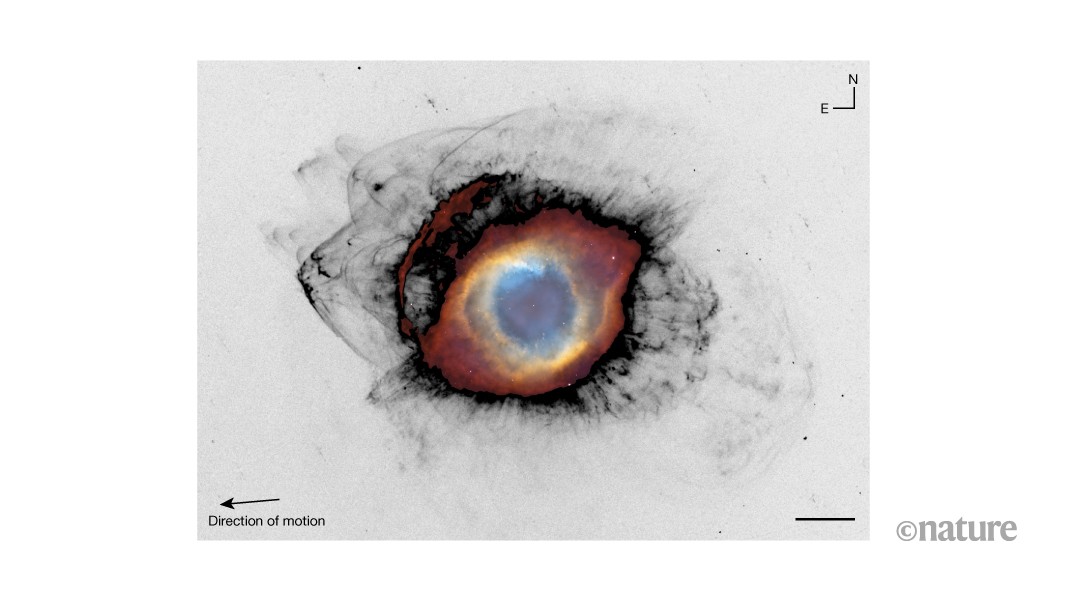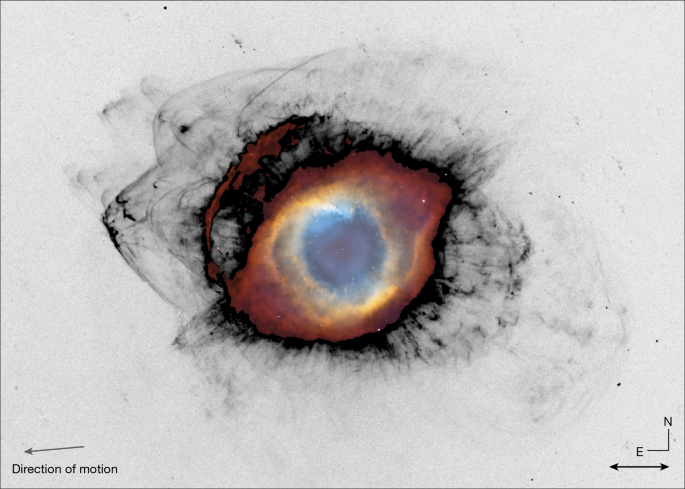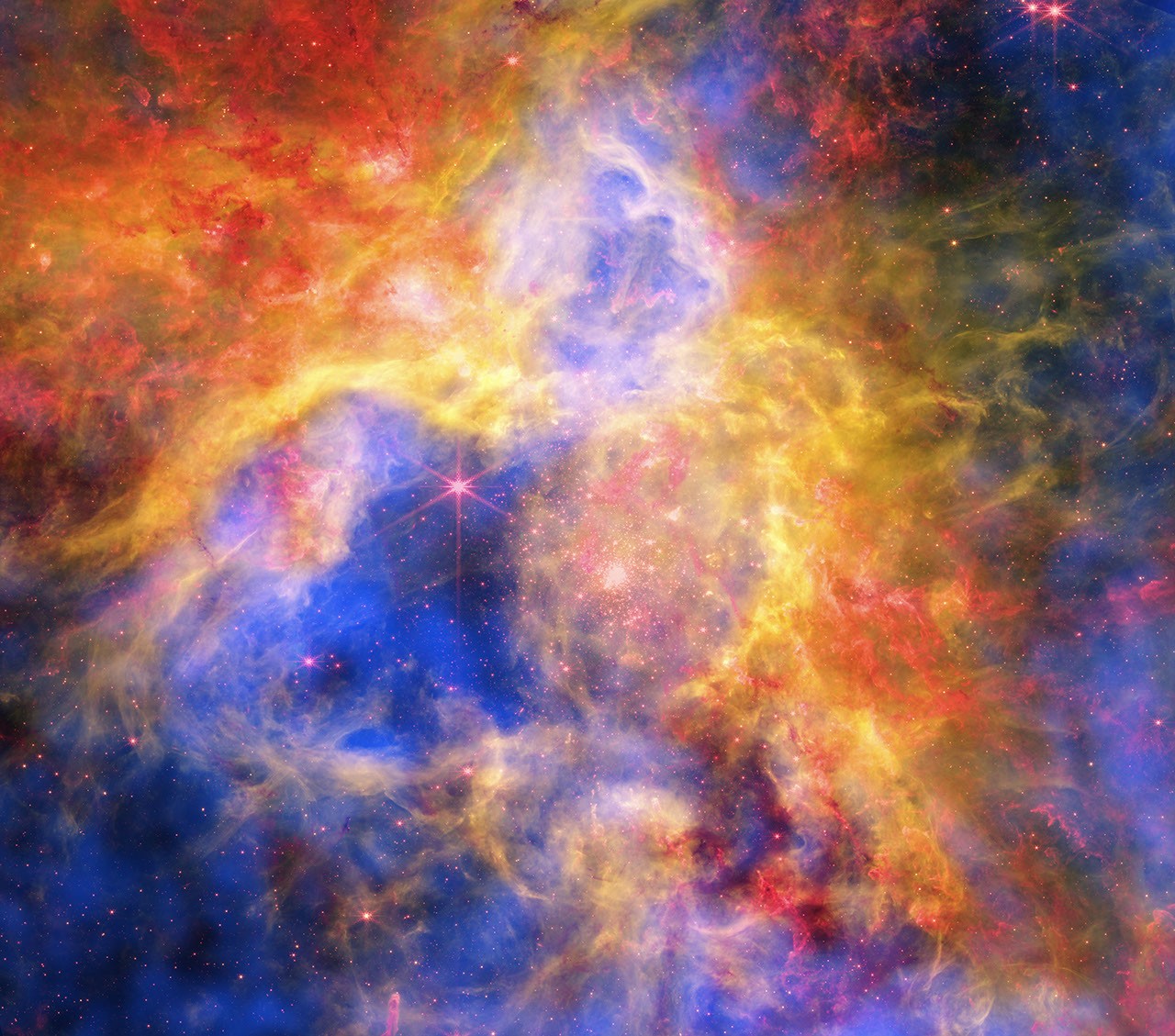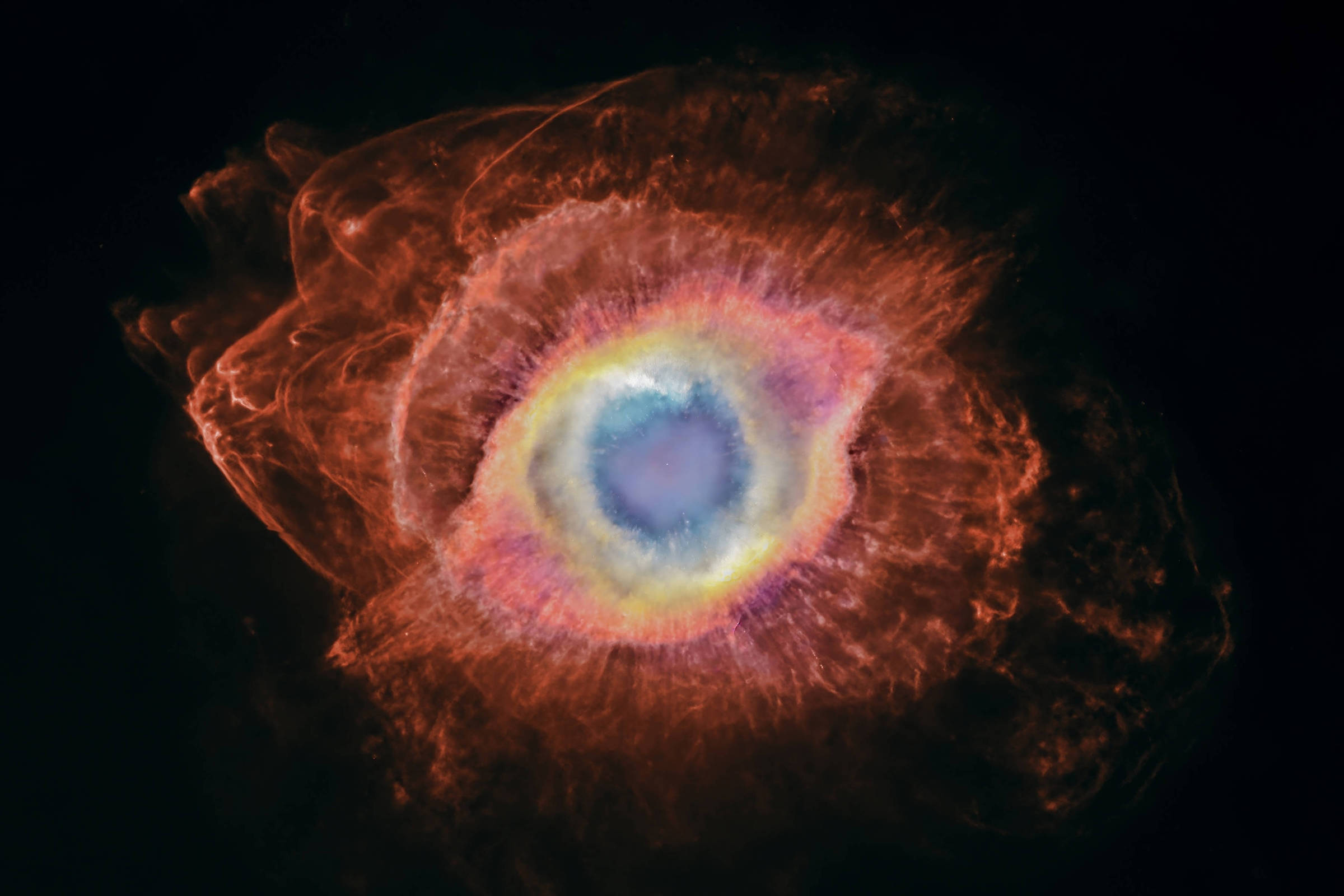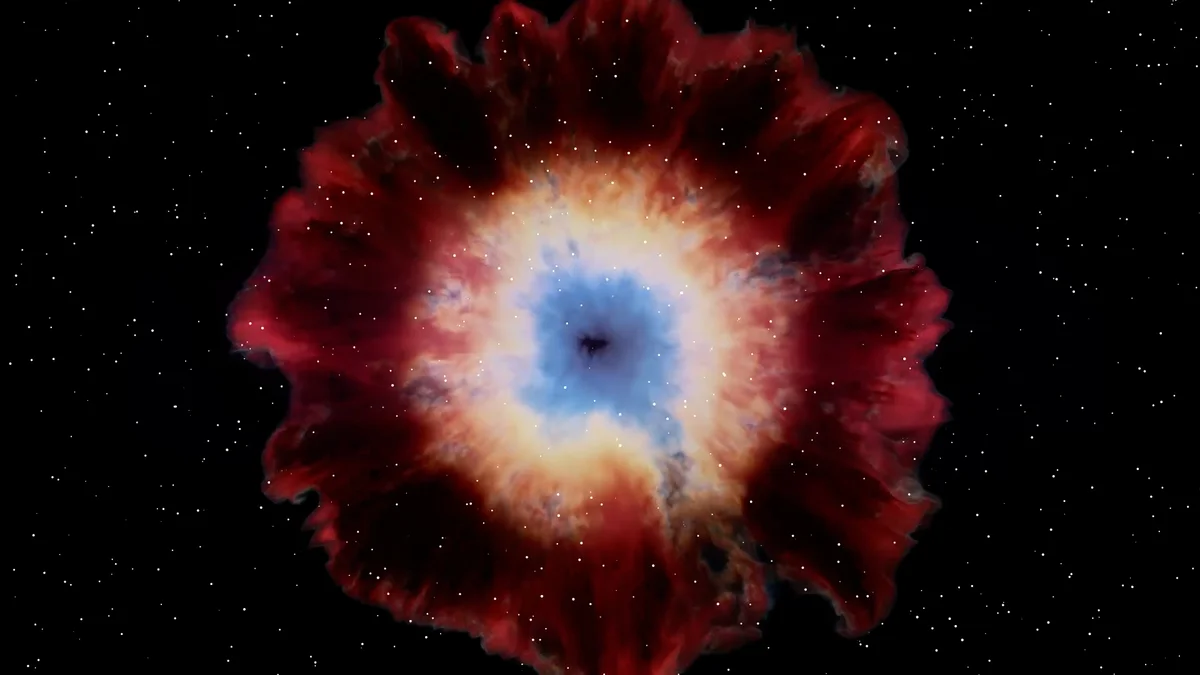
Astronomers just captured a never-before-seen detail of how matter makes its way from stars into planets and eventually even living things—and they did it entirely by accident.One night in November 2025, Pieter van Dokkum and Roberto Abraham were putting the Modular Optical Telephoto Hyperspectral Robotic Array (MOTHRA) telescope in Chile through its paces. Fatefully, they chose to test the instrument, which remains in development, by observing the iconic Helix Nebula, a slowly expanding cloud of debris from a recently expired star some 650 light-years from Earth.What they saw lurking within the resulting “mind-paralyzingly awesome images,” was something neither of them had expected, says Abraham, an astrophysicist at the University of Toronto.On supporting science journalismIf you're enjoying this article, consider supporting our award-winning journalism by subscribing. By purchasing a subscription you are helping to ensure the future of impactful stories about the discoveries and ideas shaping our world today.“It happens a few times in your career, that you take an image and realize no one’s ever seen this before,” says van Dokkum, an astrophysicist at Yale University. “It’s the best feeling.”Astronomers have long known that most elemental building block of life—carbon, oxygen and nitrogen, for example—are created by stars. When stars die, they release those elements back into space, where they can go on to contribute to the creation of new stars, planets and even—at least our own small terraqueous orb—life. But many granular details of this process of stellar destruction and creation remain mysterious.“That grand recycling of material ultimately ends up in us and creates everything we know around us,” van Dokkum says.Now, for the first time, we can see the exact moment in which material expelled from dying stars mix with interstellar gas, he adds. The researchers’ finding appears in a paper published today in Nature.
Stunning new images reveal cosmic cycle of death and rebirth
A new study of the Helix Nebula shows never-before-seen details of how dying stars recycle elements. Researchers found it by accident
974 words~4 min read