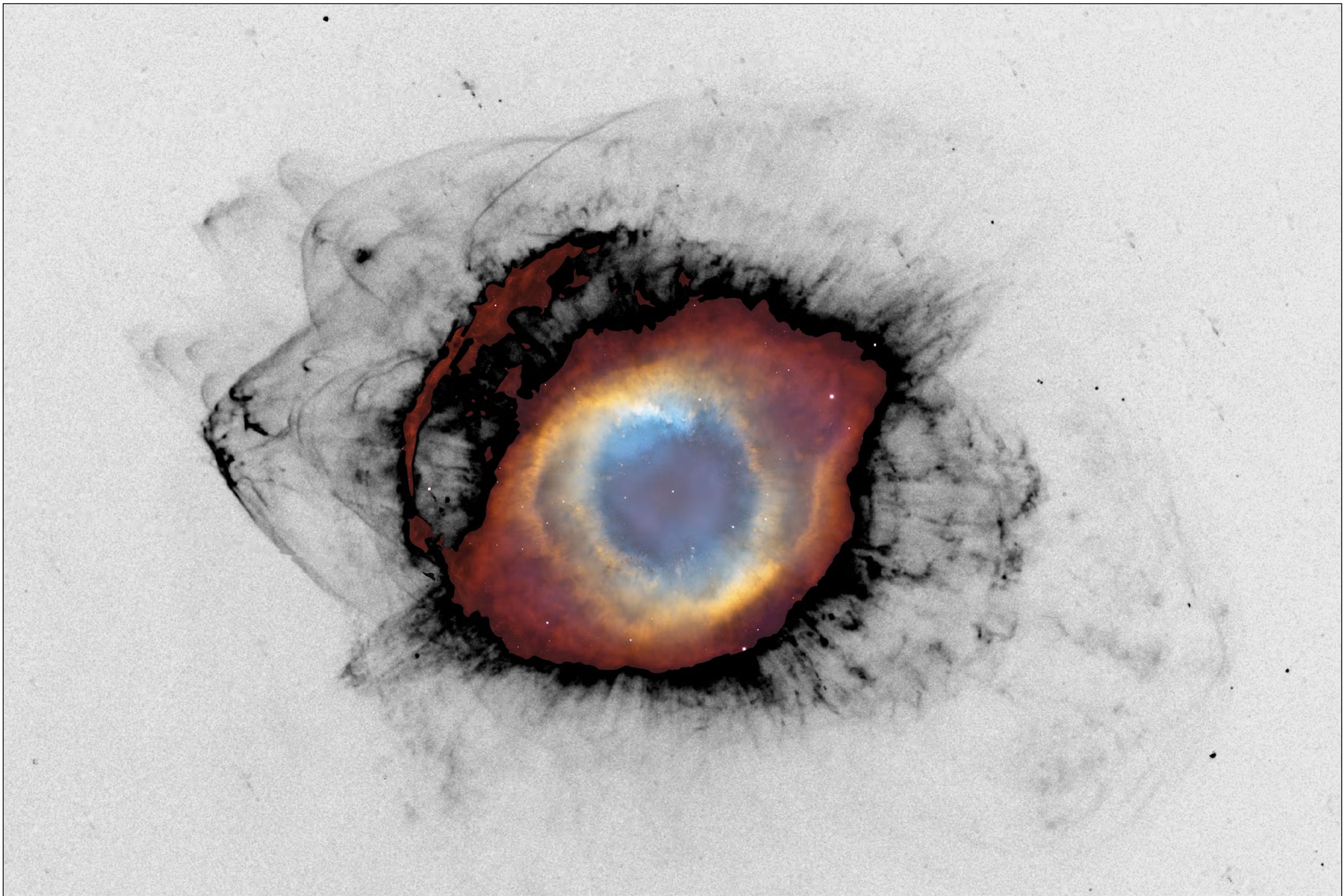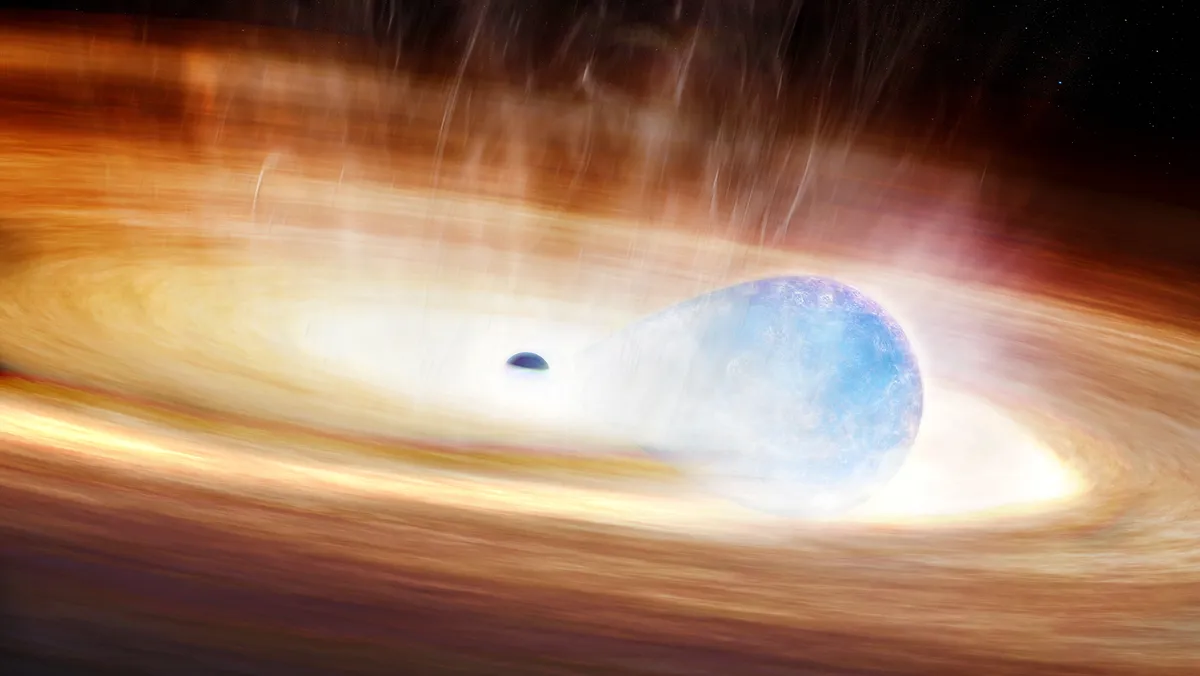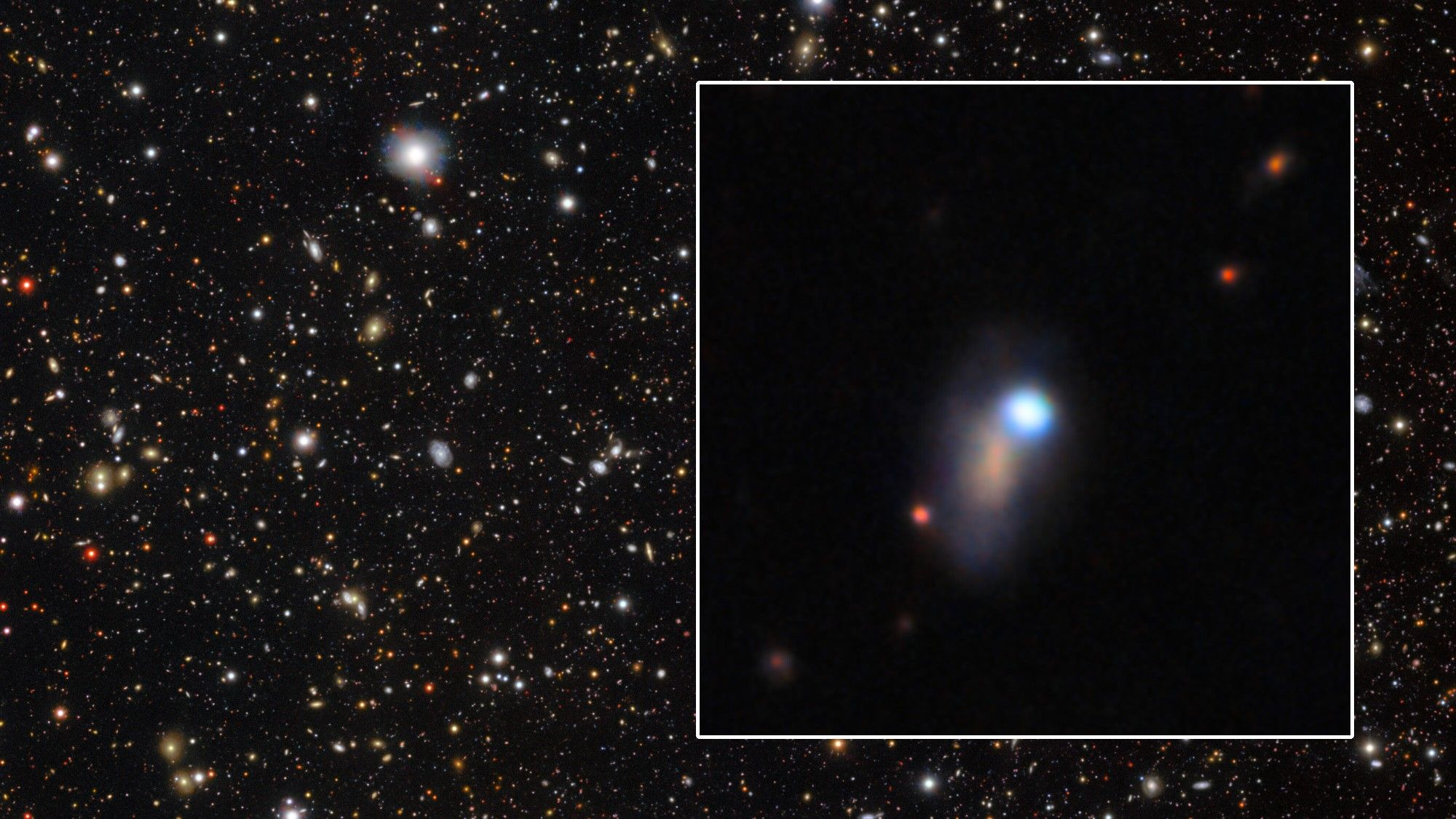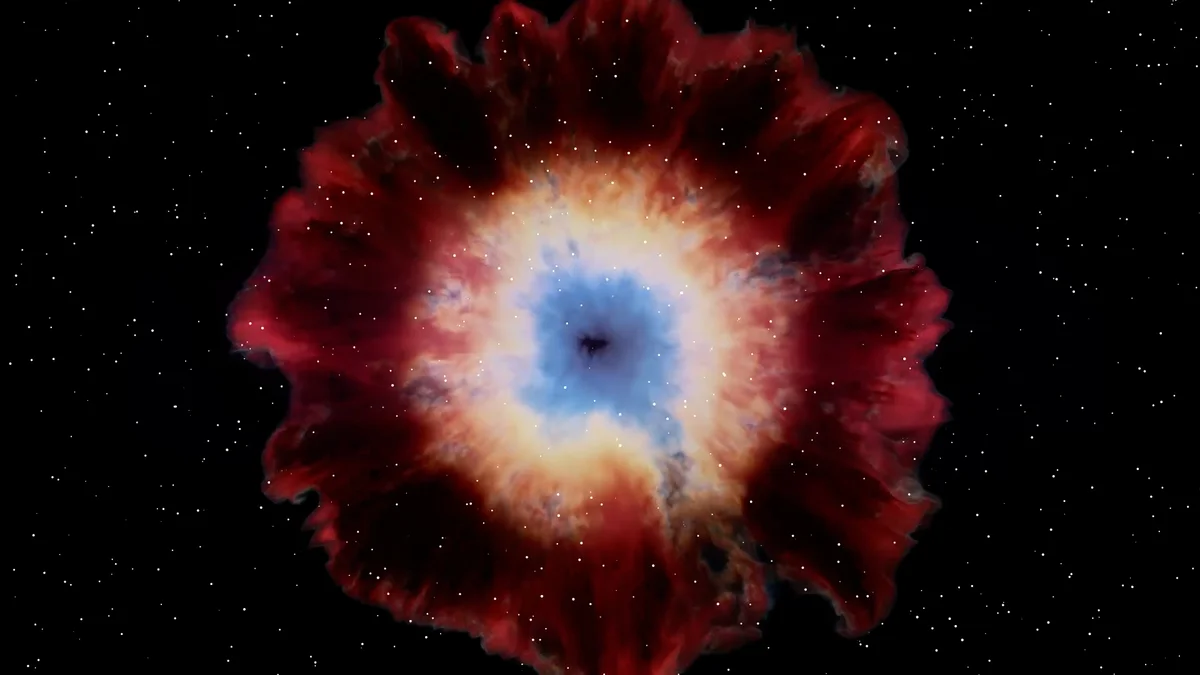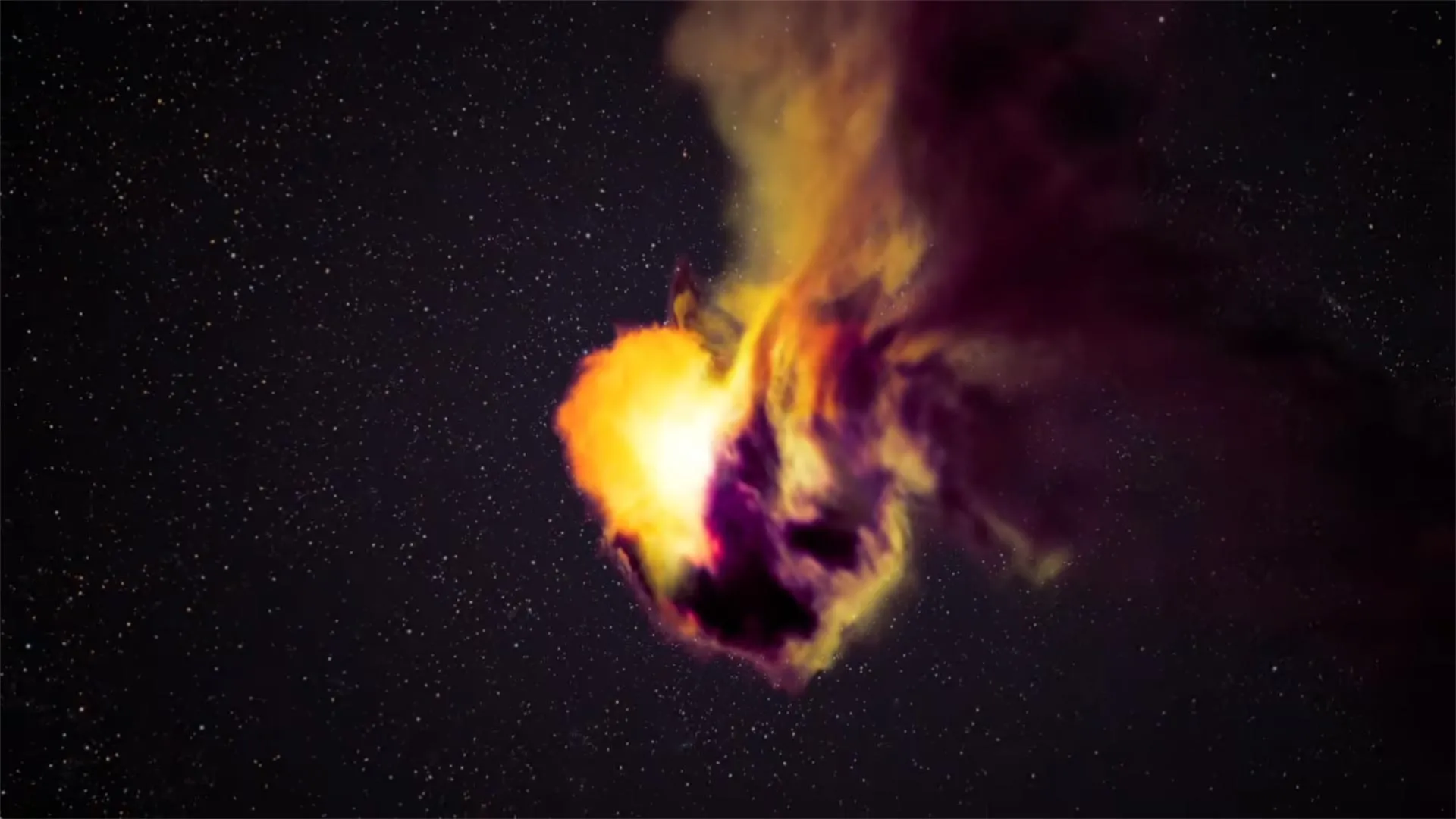
Astronomers have glimpsed the inner structure of a dying star in a rare kind of cosmic explosion called an “extremely stripped supernova.”
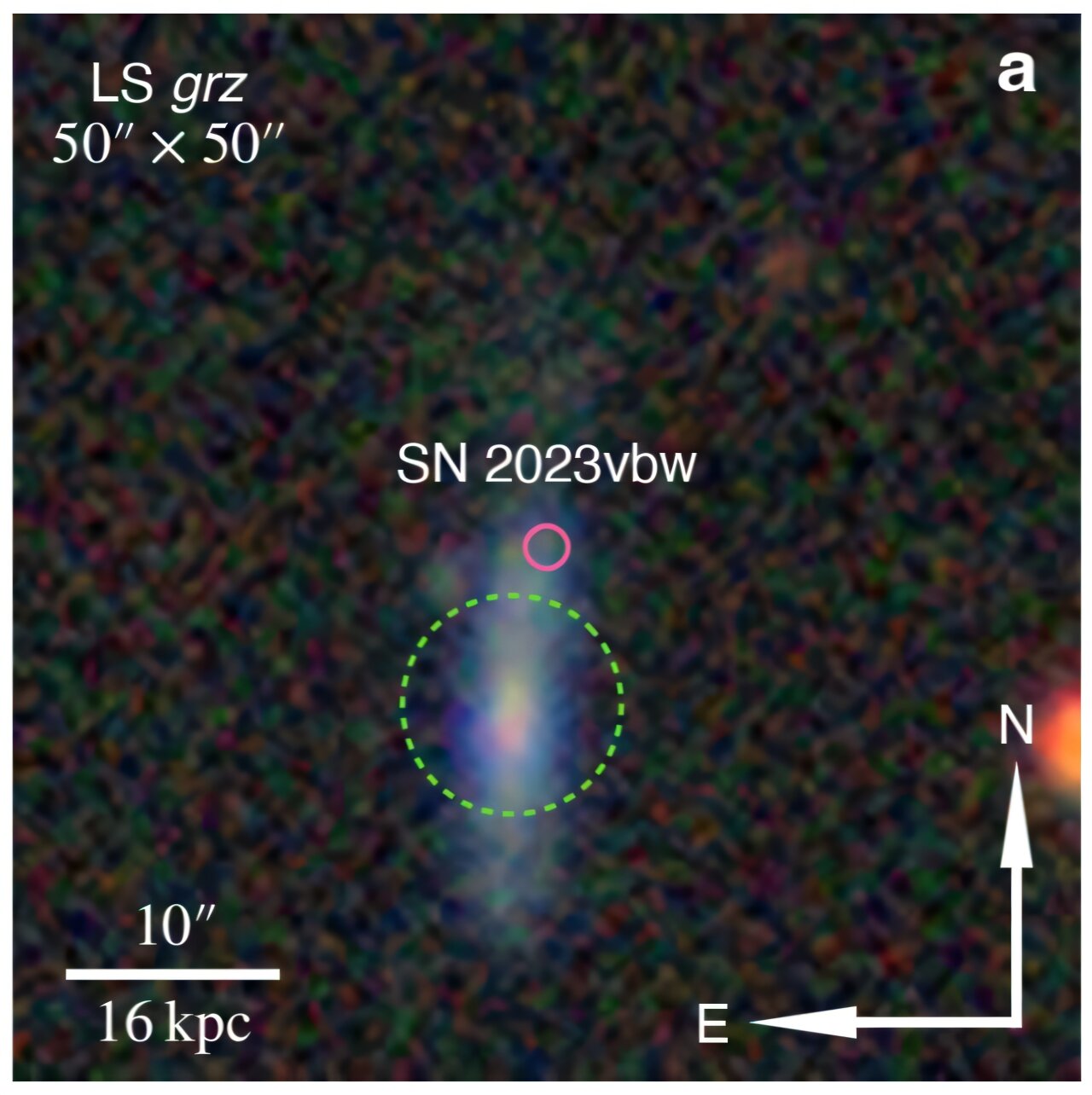
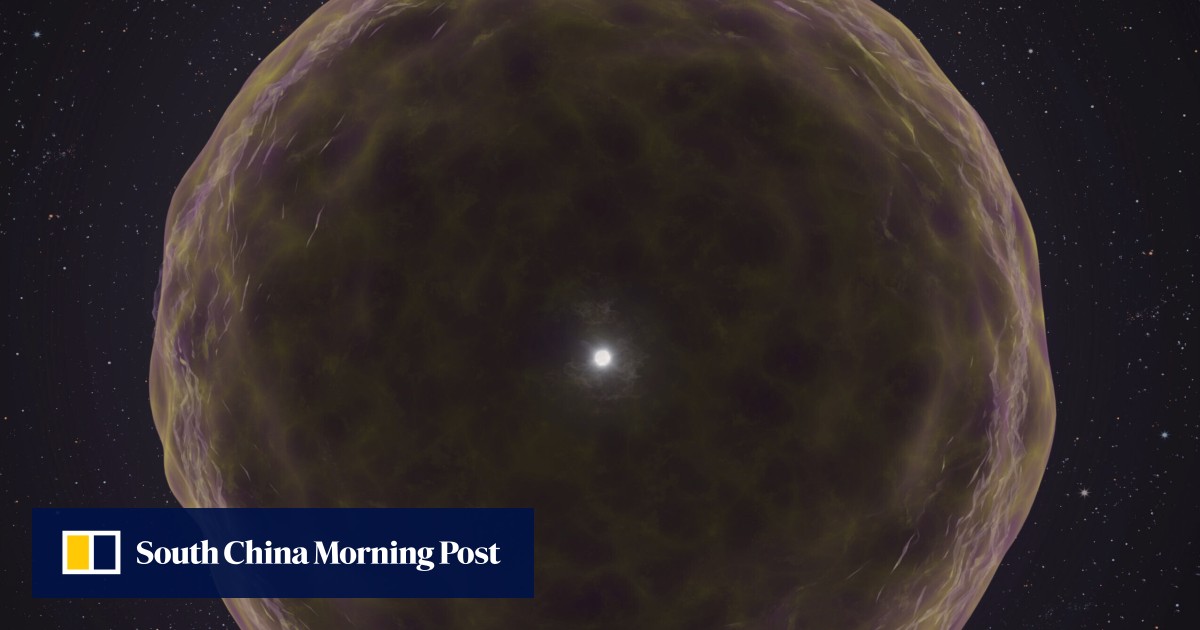
In a paper published in Nature, Steve Schulze of Northwestern University in the United States and colleagues describe the supernova 2021yfj and a thick shell of gas surrounding it.
Their findings support our existing theories of what happens inside massive stars at the end of their lives – and how they have shaped the building blocks of the universe we see today.How stars make the elementsStars are powered by nuclear fusion – a process in which lighter atoms are squished together into heavier ones, releasing energy.
Fusion happens in stages over the star’s life. In a series of cycles, first hydrogen (the lightest element) is fused into helium, followed by the formation of heavier elements such as carbon. The most massive stars continue on to neon, oxygen, silicon and finally iron.
Each burning cycle is faster than the previous one. The hydrogen cycle can last for millions of years, while the silicon cycle is over in a matter of days.