An unexpected way to go for a star 20 times the size of our sun
7:00 AM CDT on August 10, 2026
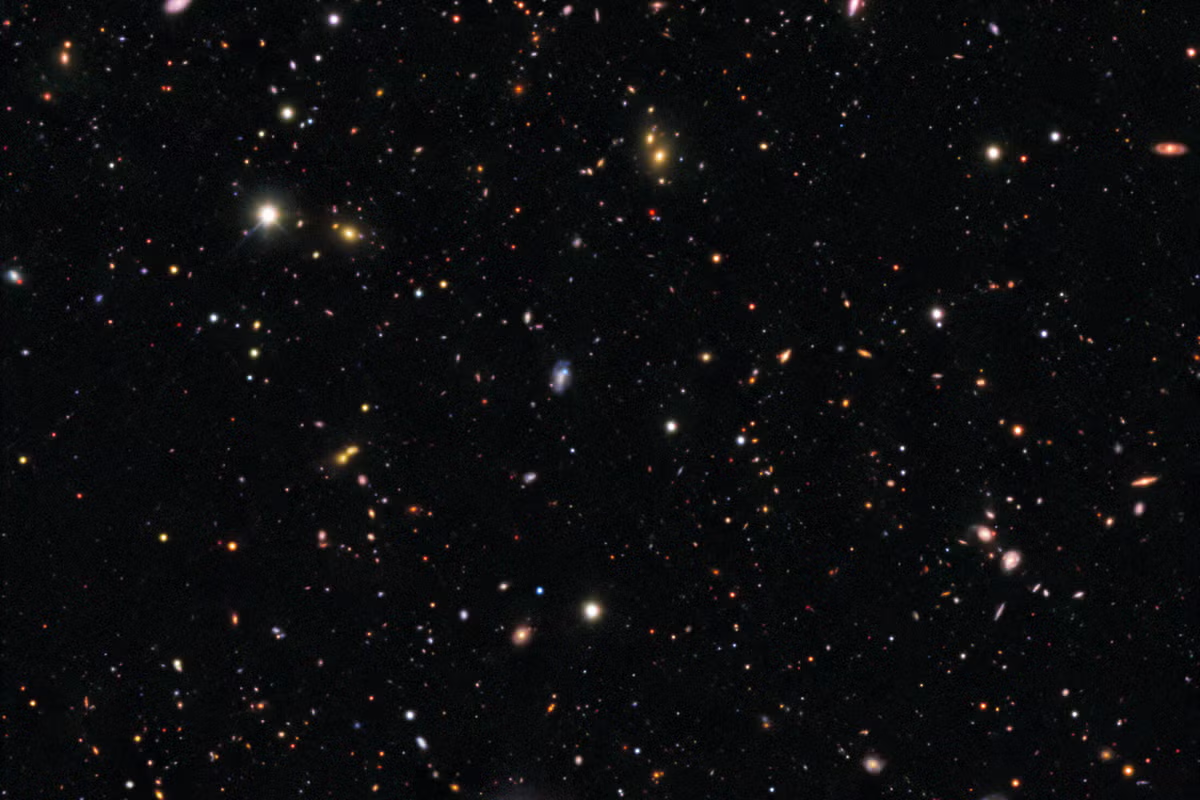
Back in March, the Einstein Probe telescope in low-Earth orbit captured a cosmic event of such potential significance that it had astronomers around the world scrambling to get a better look.
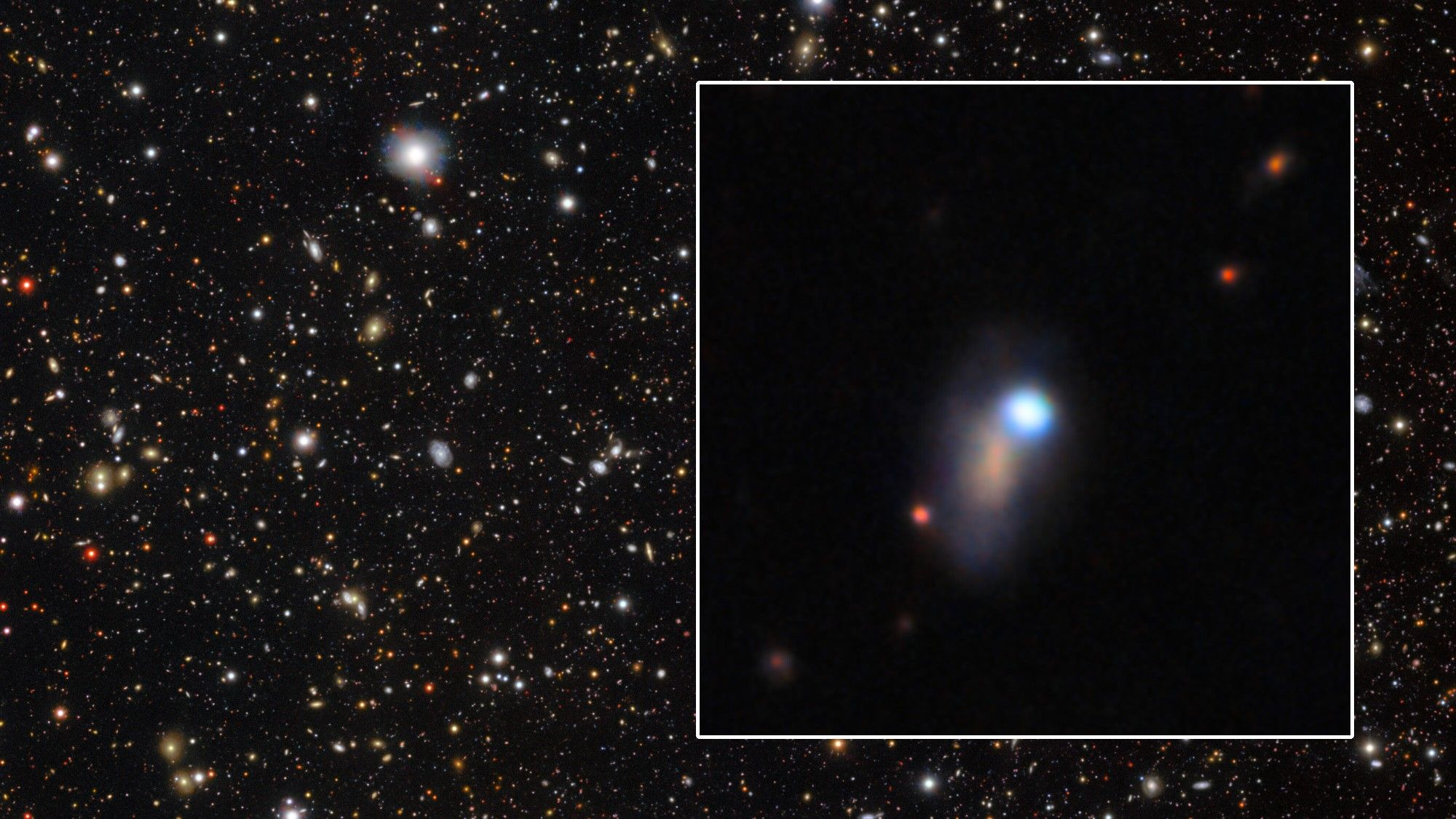
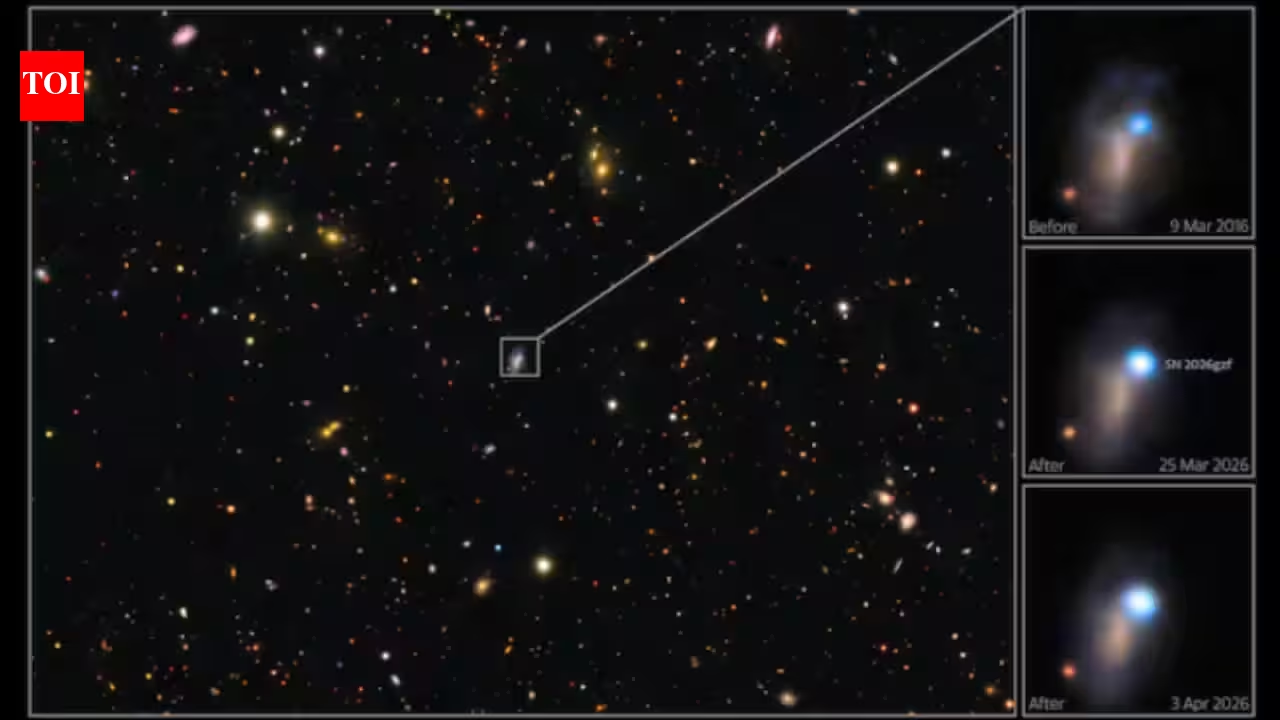
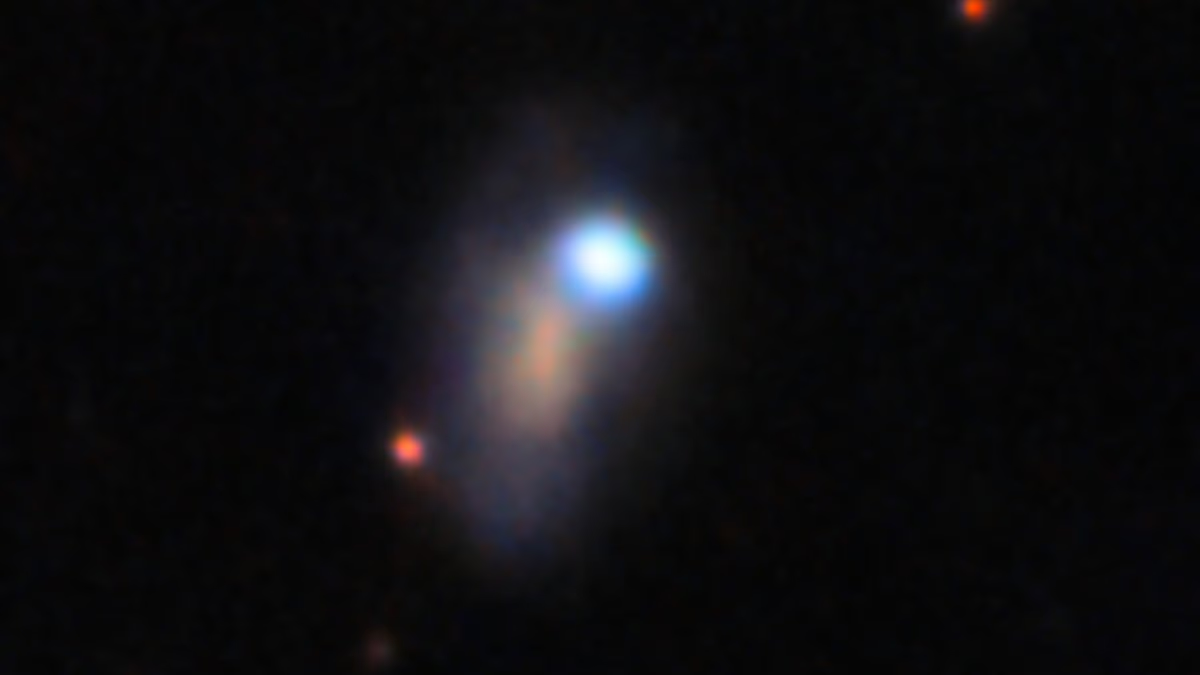
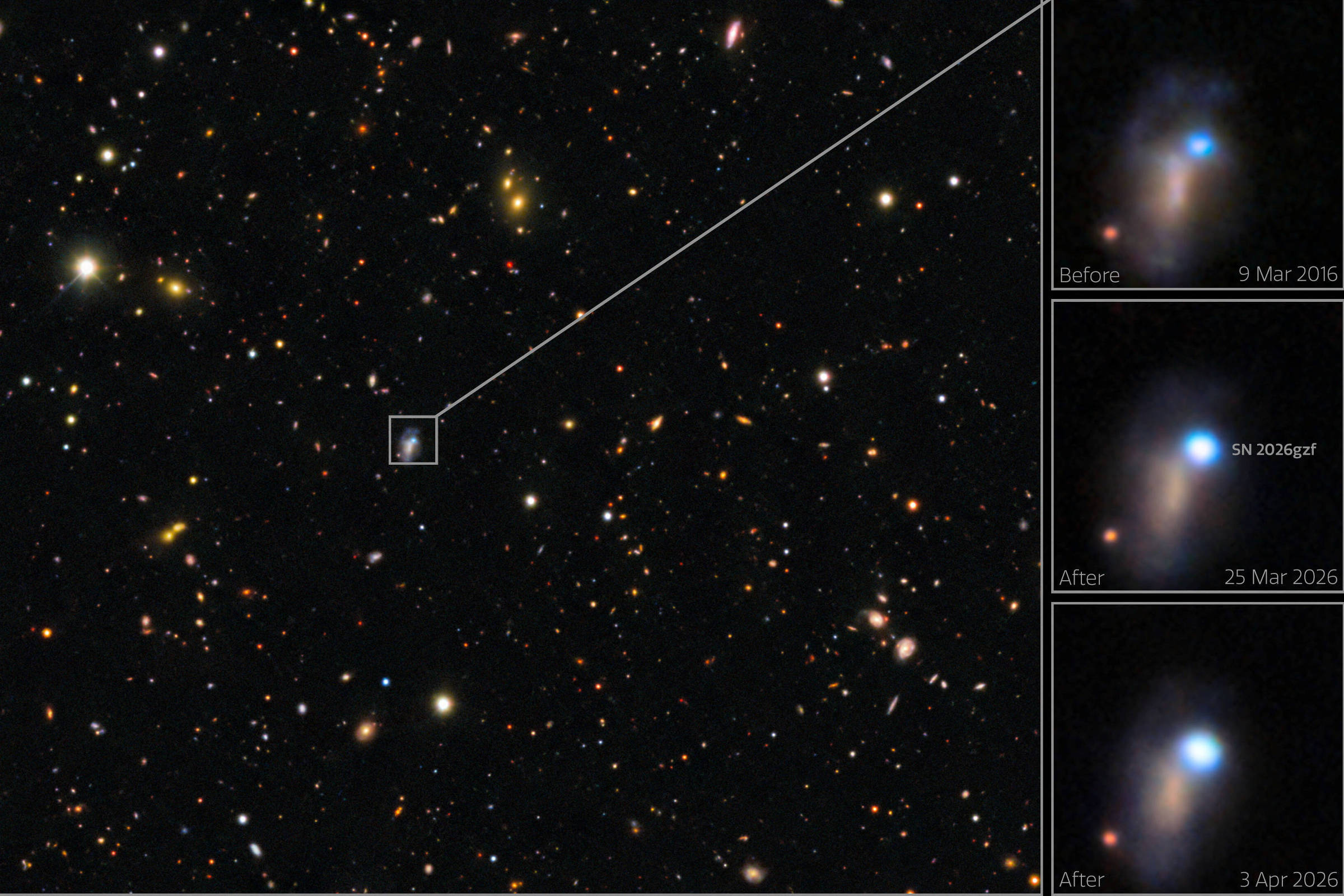
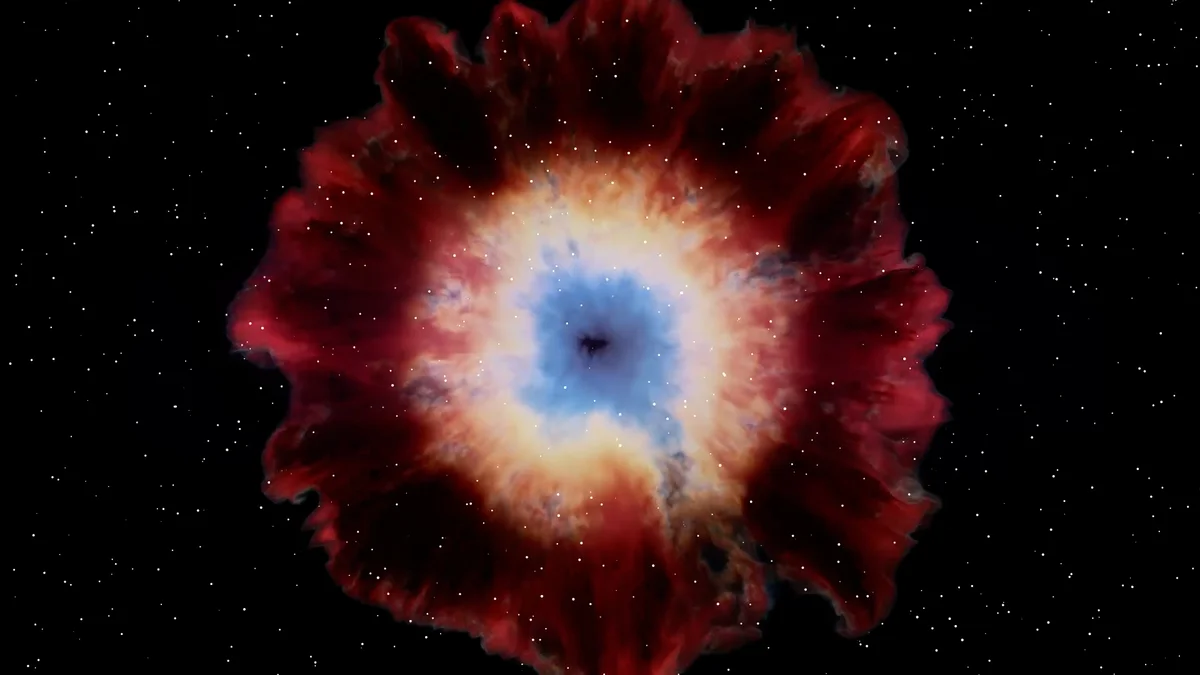
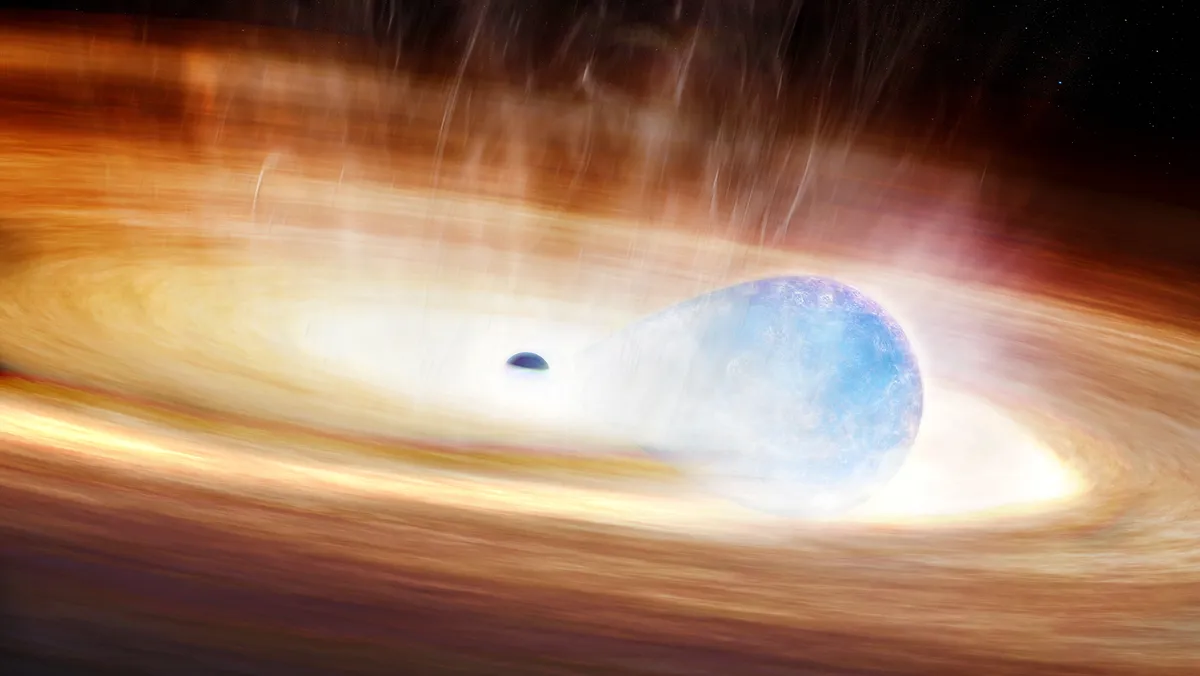
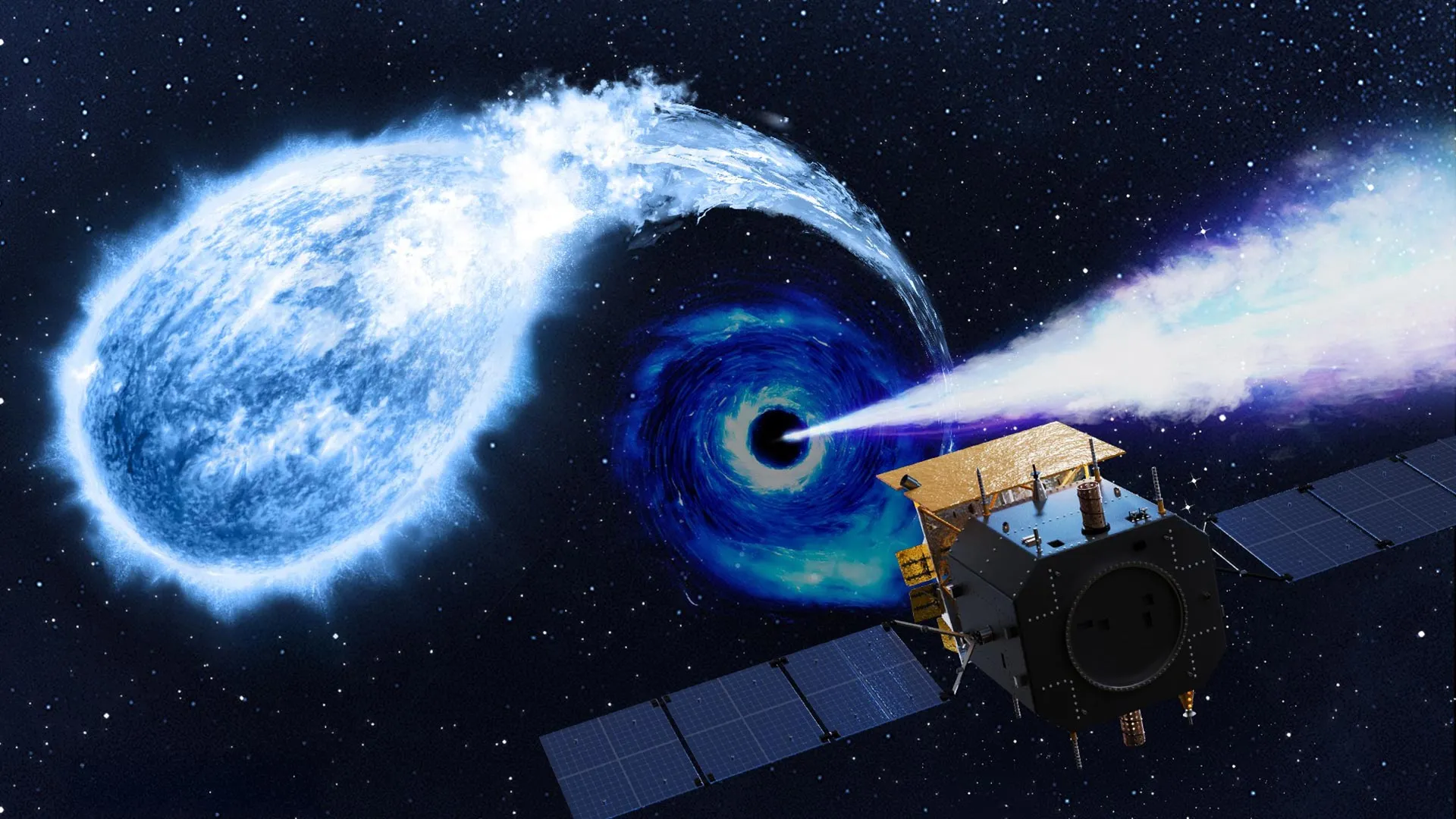
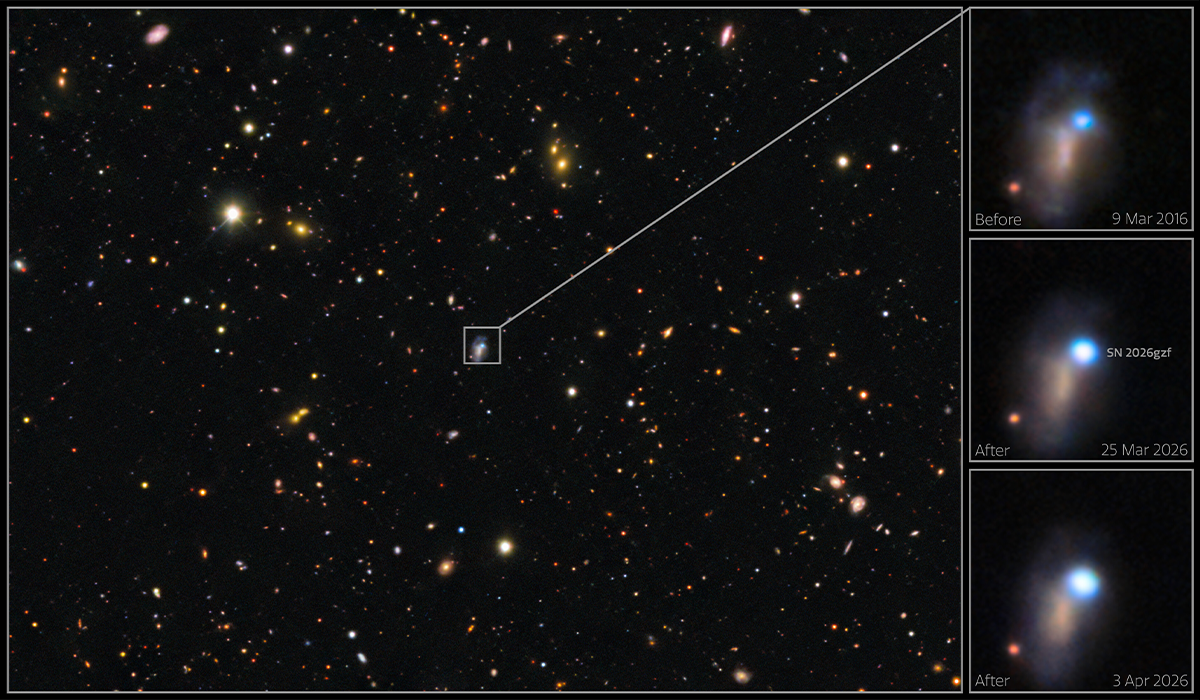
That event was a brief flash of X-rays some 500 million light-years away, a flash given the designation EP260321a. It was what’s known as a “shock breakout”: the first moment that a massive dying star reveals itself, as its collapsing core shoots a blast of X-rays and ultraviolet light from trapped energy breaking through the star’s surface.
Experts responded within an hour of the first detection, and eventually more than a dozen telescopes were trained on the spot in the sky where the ongoing supernova explosion—now dubbed SN 2026gzf—was marking the end of the star’s life.