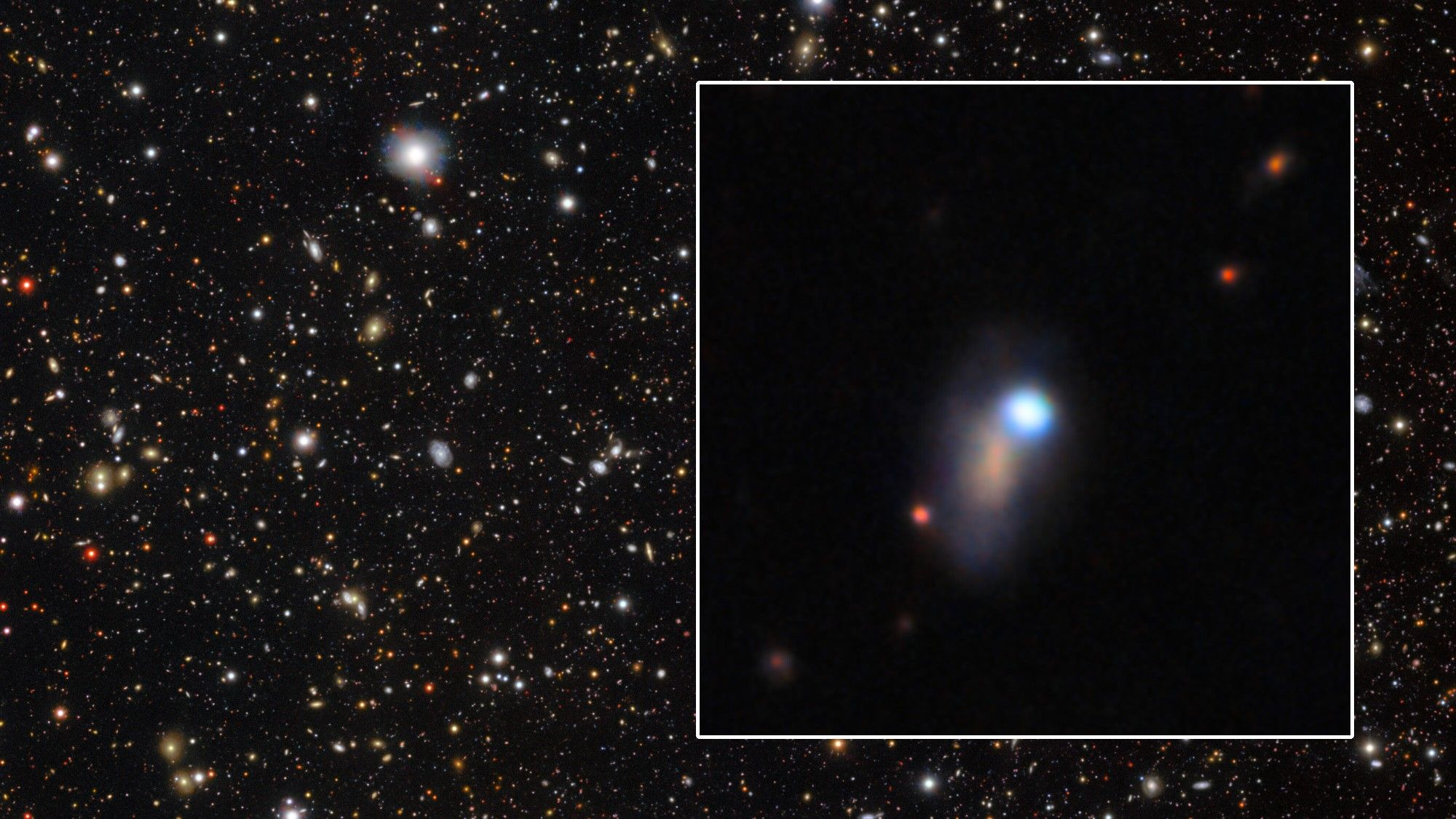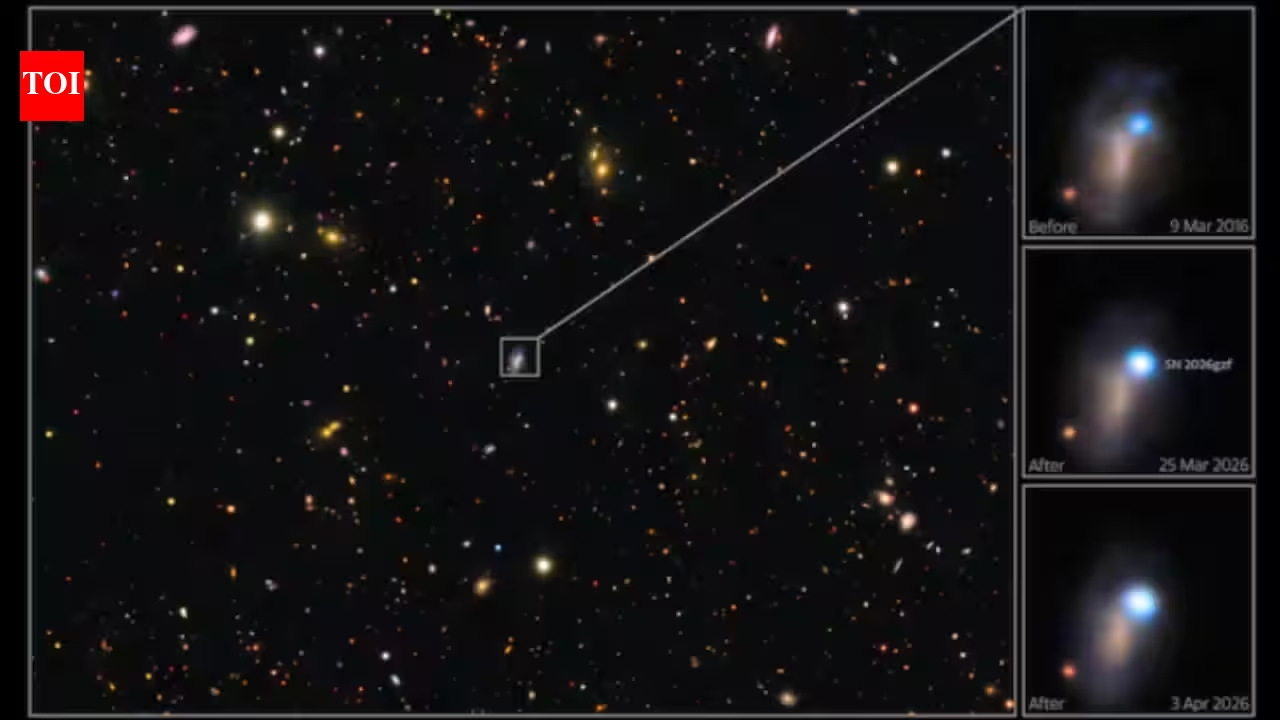
The Karoo-based Southern African Large Telescope (SALT) has played a significant role in an urgent international collaboration to monitor a rarely observed phenomenon: the actual start and development of a supernova explosion.
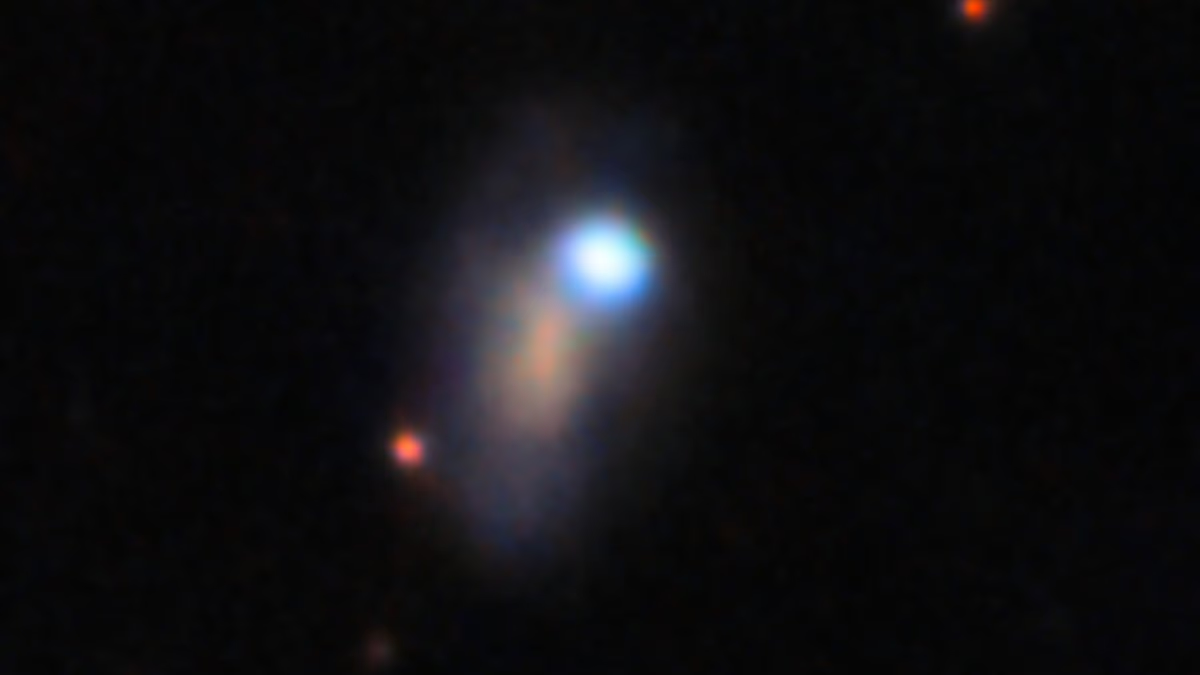
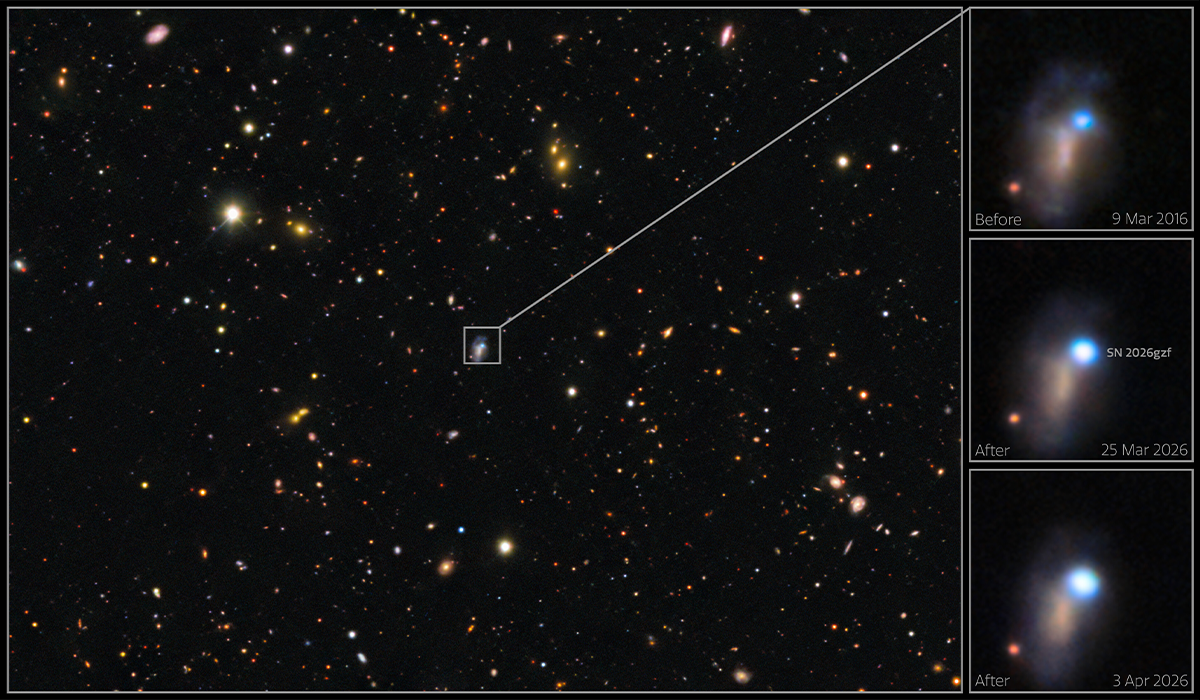
It started in March, when the Chinese-European Einstein Probe X-ray space telescope detected a brief flash of soft (lower energy) X-rays, from a galaxy some 500-million light-years distant (this flash was designated EP260321a). A global monitoring campaign was immediately implemented – ground-based telescopes started their observations of EP260321a within an hour of its discovery. These established that the phenomenon was a supernova, subsequently designated SN 2026gzf, that was brightening rapidly.
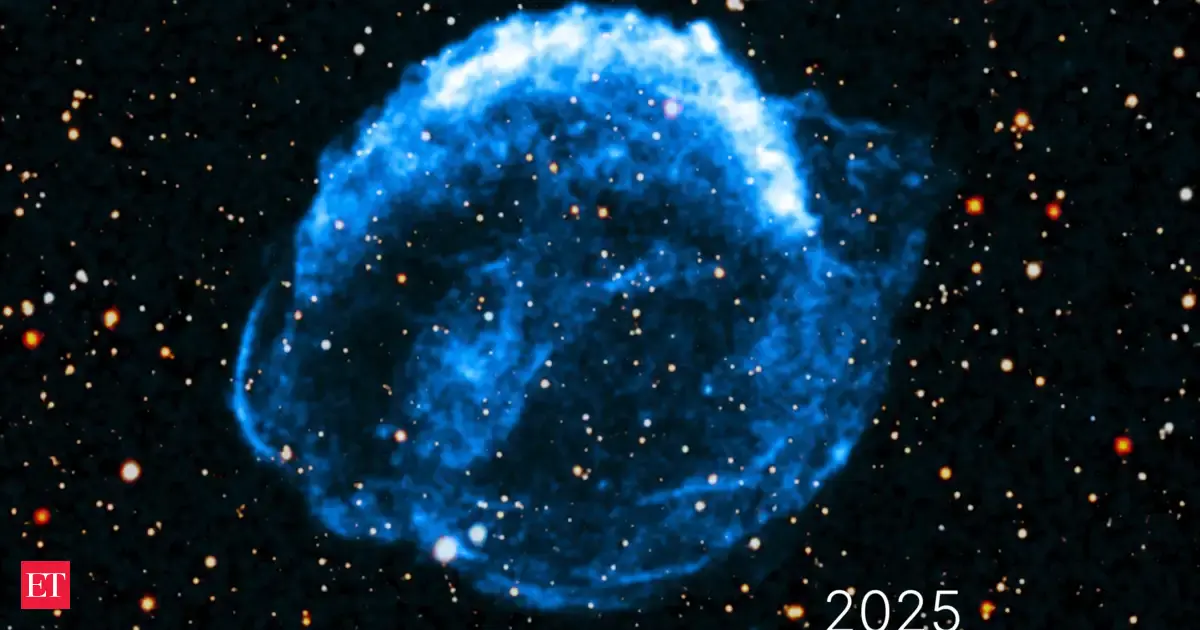
Two separate teams, both led by US scientists, independently determined that the original flash had been what was called a shock breakout, which was the moment that the shock wave from the star’s explosion erupted through its surface and released the first light of the supernova. This happens with all supernovas but is incredibly rarely seen; the EP260321a event is only the second time that a shock breakout has been definitely observed.
The two teams also established that SN 2026gzf was a broad-lined Type Ic (Ic-BL) supernova. Such supernovae typically produce jets of material with speeds close to that of light (“relativistic” speeds) and are usually associated with gamma-ray bursts (GRBs), which are the most powerful and brightest explosions in the universe. But SN 2026gzf did not have relativistic jets, nor was there an associated GRB. A further oddity was that SN 2026gzf’s shock breakout was the faintest ever for a Ic-BL supernova (although the supernova explosion itself was not likewise weak).