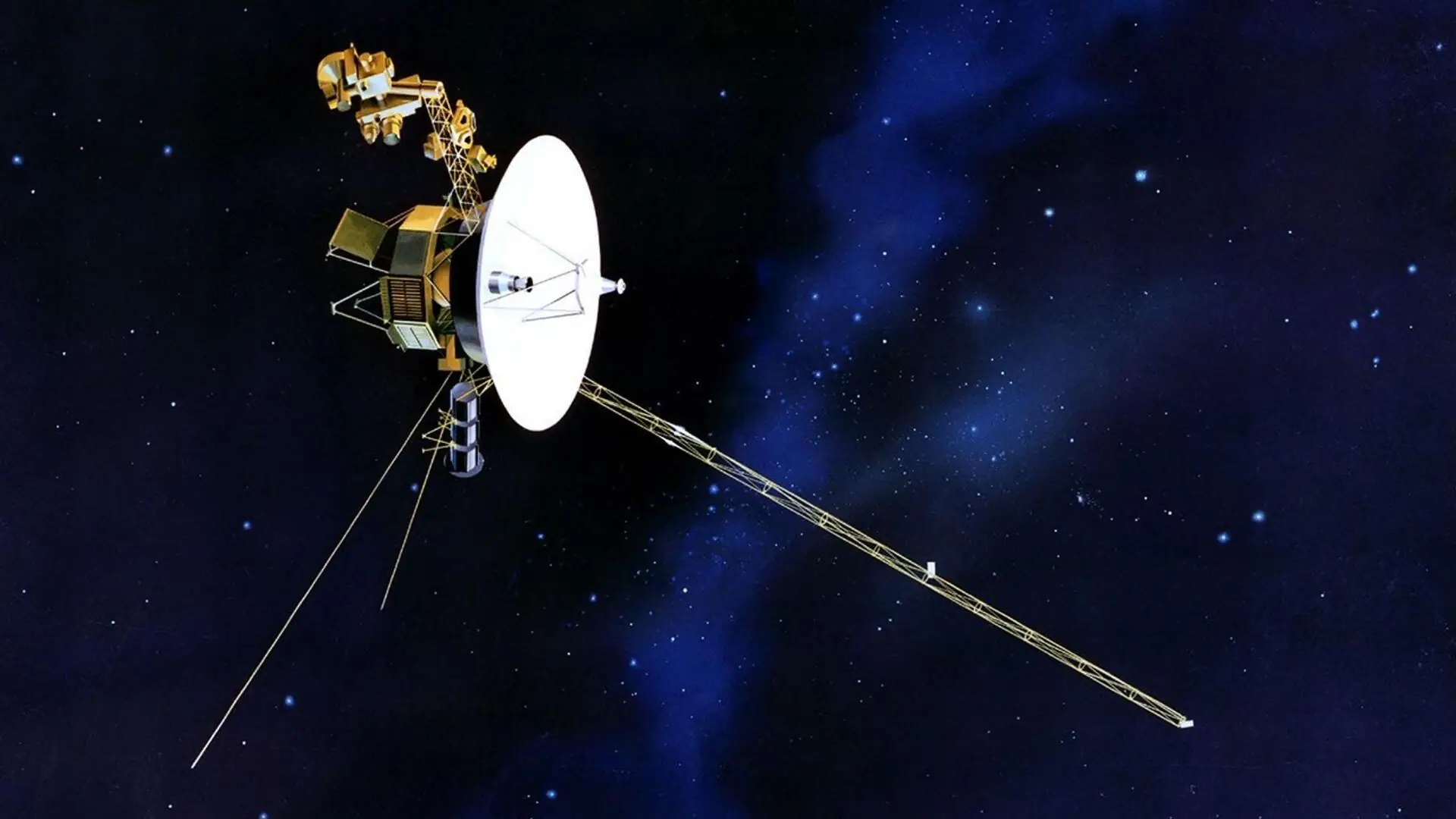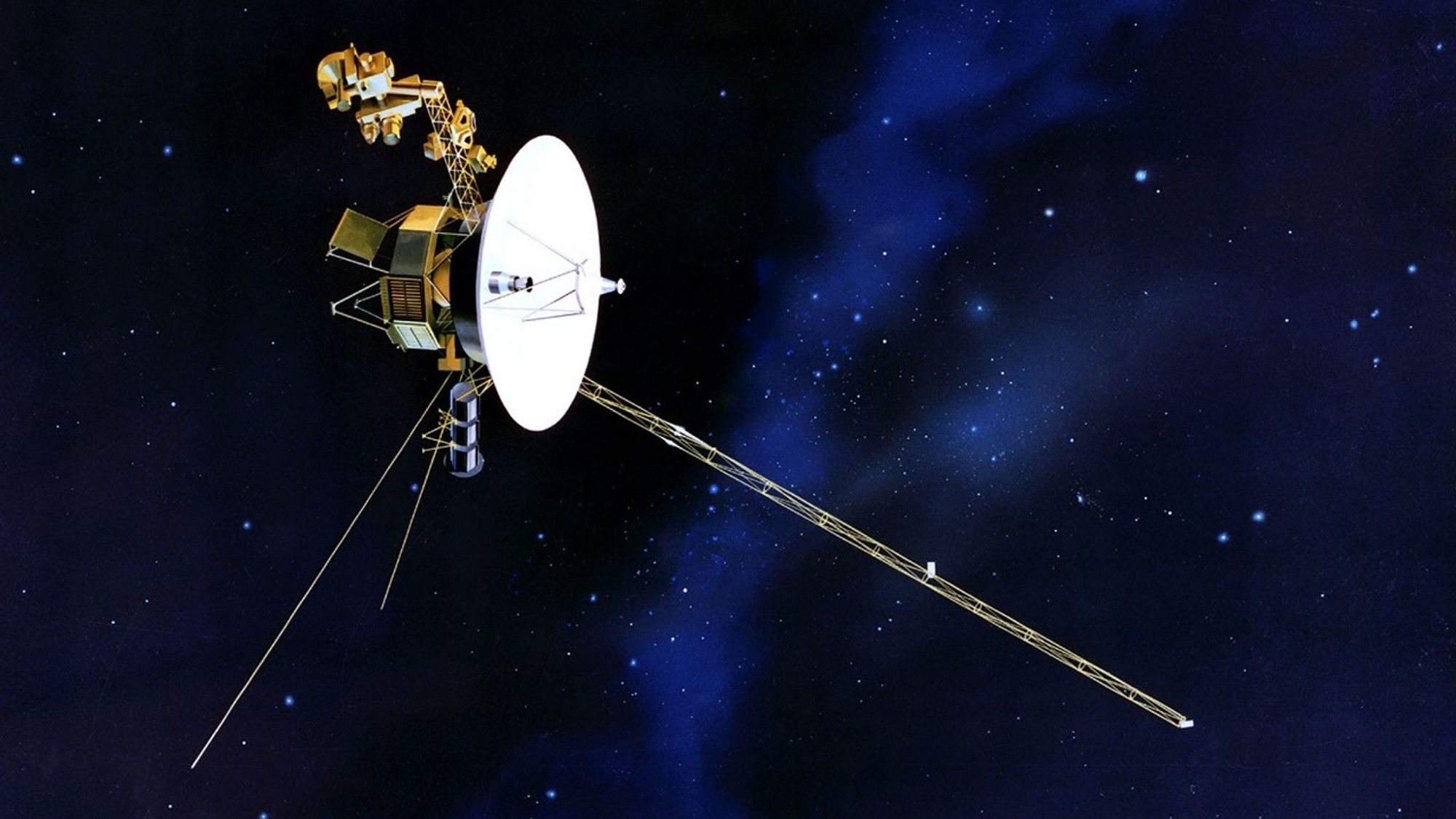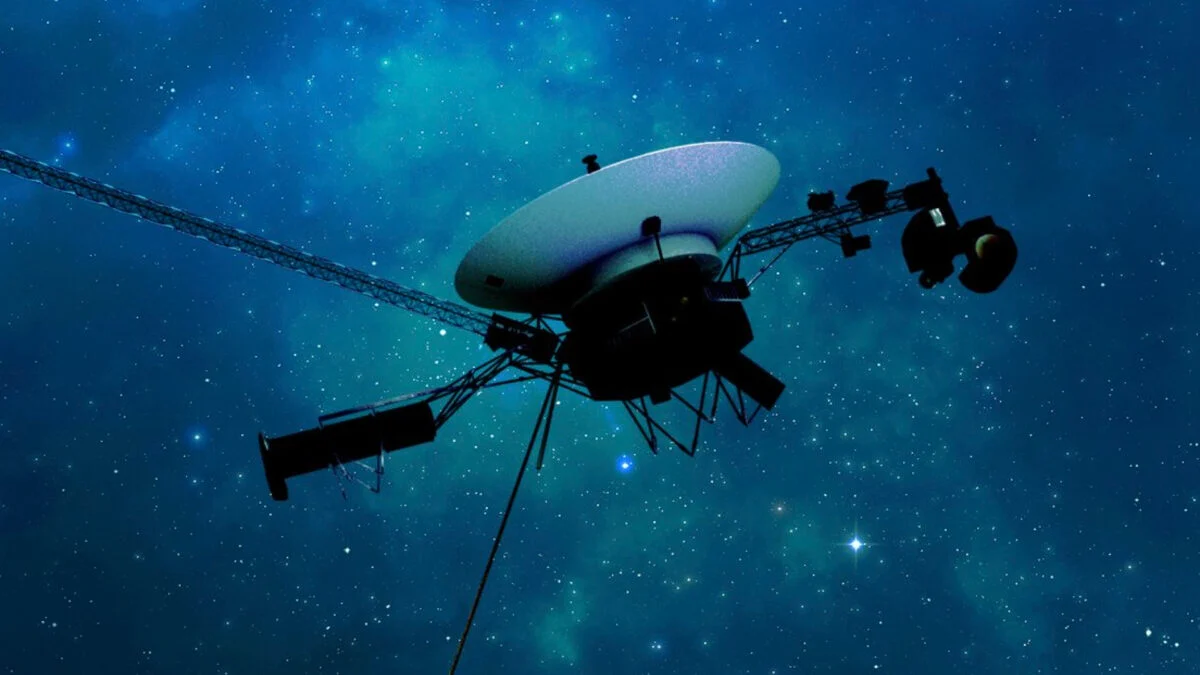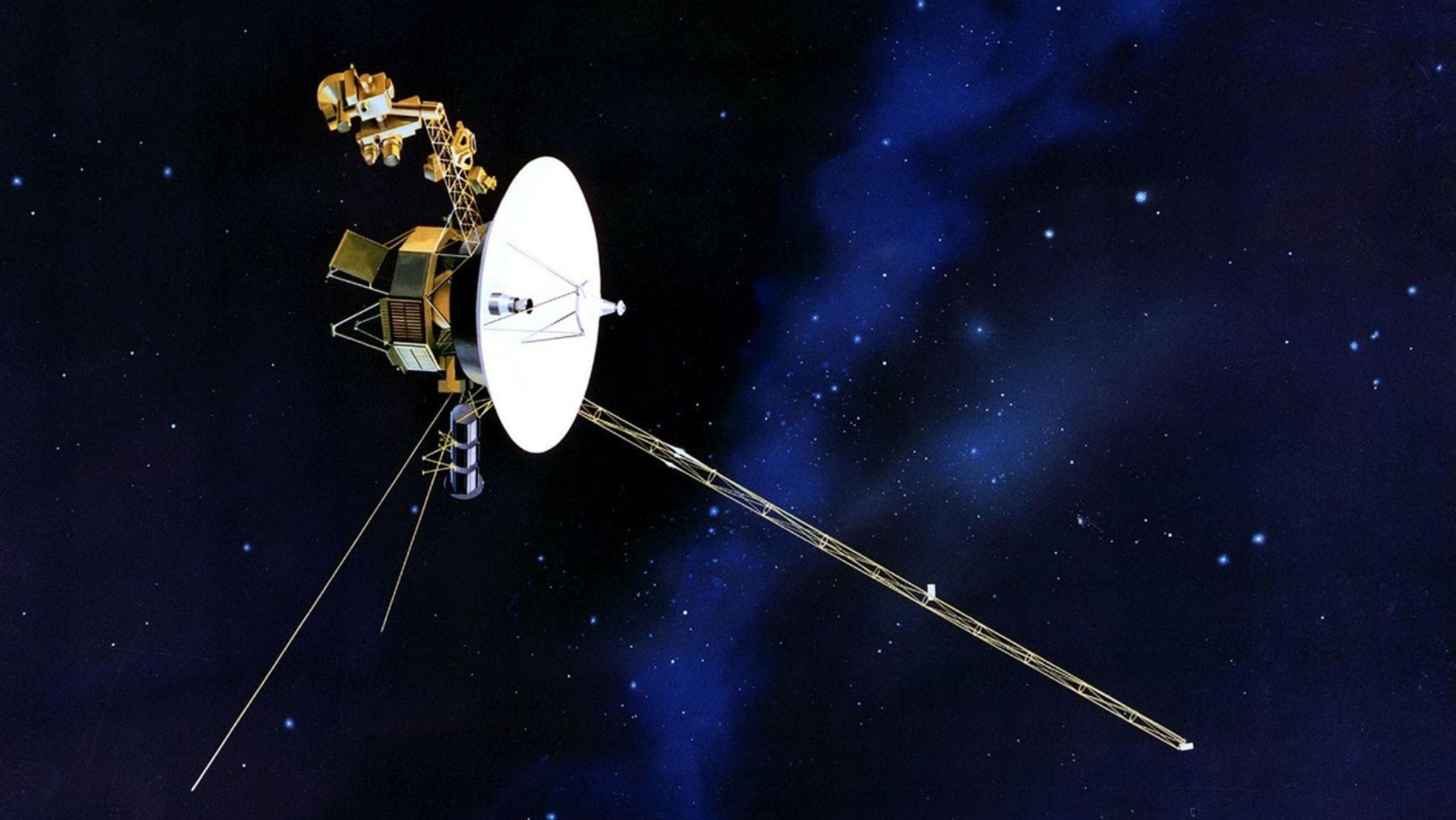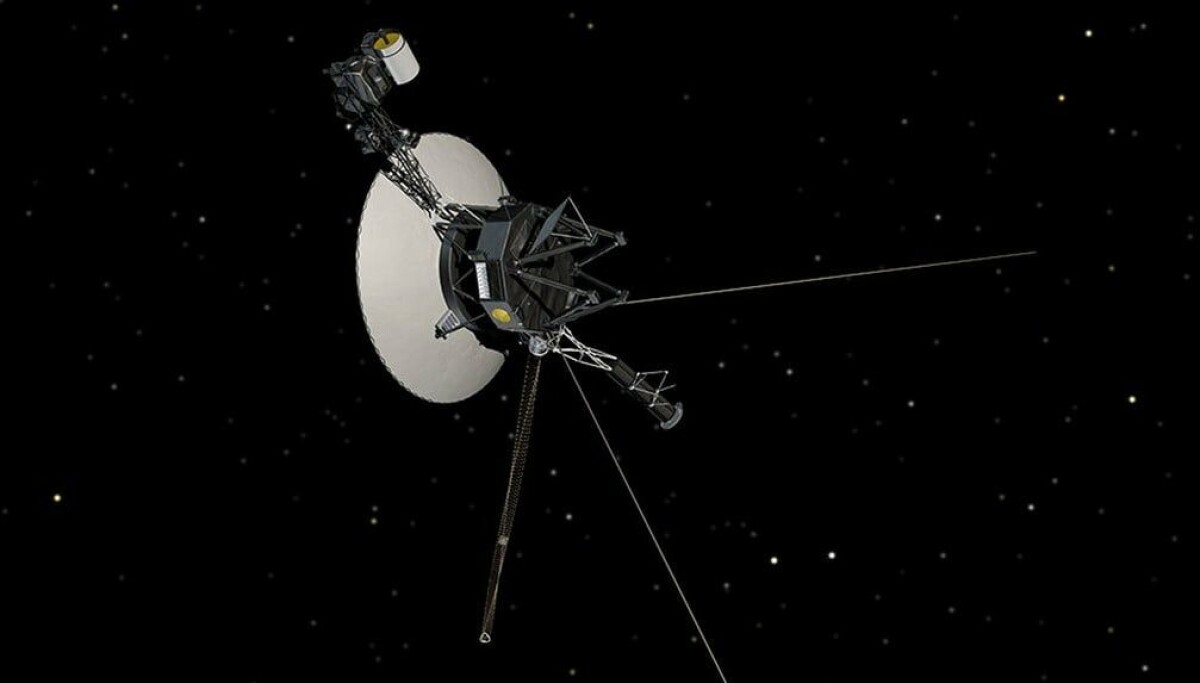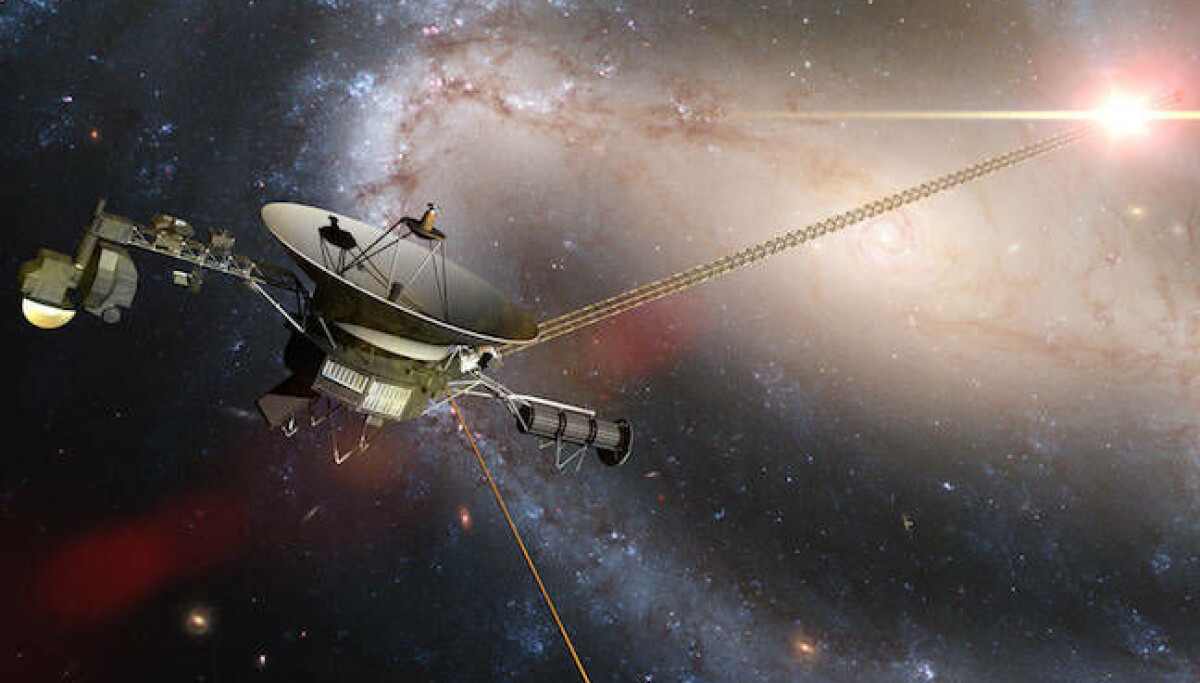
SPACE EXTENDERS Adding a few extra years to Voyager 2's prodigiously long life was the result of an effort that began more than a year ago, as engineers and managers pondered how to eke out a few more watts from the spacecraft's dwindling power supply. "We came up with the 'Big Bang' idea probably more than a year ago now," recalls Suzanne Dodd, Project Manager for the Voyager project."We were looking for ways to extend the lifetime of the mission, which means really extending how long we can operate the instruments."
Power and thermal requirements are key. "We either run out of power, or we get too cold so that our propellant lines freeze and we can't point the spacecraft at the antenna anymore."
The original plan was to turn off the spacecraft systems sequentially to save power. "The problem with turning things off in serial is that you get the power, but you don't get the extra thermal heat when you do that… and all we really have left to turn off is instruments," Dodd explains.A few years earlier, the team had established that the instruments could survive without their heaters. It had now reached the point where keeping the remaining instruments powered would require shutting one down.That prompted the approach that became the Big Bang. "The idea behind the Big Bang… If we were to switch systems and do a lot of power switching all at once within the bus of the spacecraft, we would gain a lot of power and it would still keep the electronics warm, as opposed to when we do it serially (in a series), it doesn't provide enough of the heat input to keep the propellant lines warm."The approach required careful power and thermal modeling. The draw of each component had been documented, but the figures were nearly 50 years old and might contain some hidden margins. "We're talking about a half a watt, or two tenths of a watt, and that makes all the difference on the spacecraft," Dodd explains."So if something in the documentation written 50 years ago that says it's four watts and it's really 3.8 watts, that makes a difference to us."After extensive testing on Earth, the only way to validate the model was to see how the spacecraft reacted. The first orbital test focused on the power commands: Voyager 2 entered the new configuration for a few minutes before switching back. Enough telemetry would be generated in that time to show that "the power commands acted as we expected and that they drew the amount of power that we expected and they did."The team then had to test the thermal model. "Thermal is much more difficult to predict," says Dodd. "It's not instantaneous… it kind of cools slowly or the heat rises slowly over like a 48-hour period so it's harder to model and it's harder to predict."After confirming that the power commands behaved as expected, the team sent them again at the beginning of June. This time, Voyager 2 remained in the new configuration for six hours – long enough to reveal the thermal trend while limiting the danger if the model proved wrong.