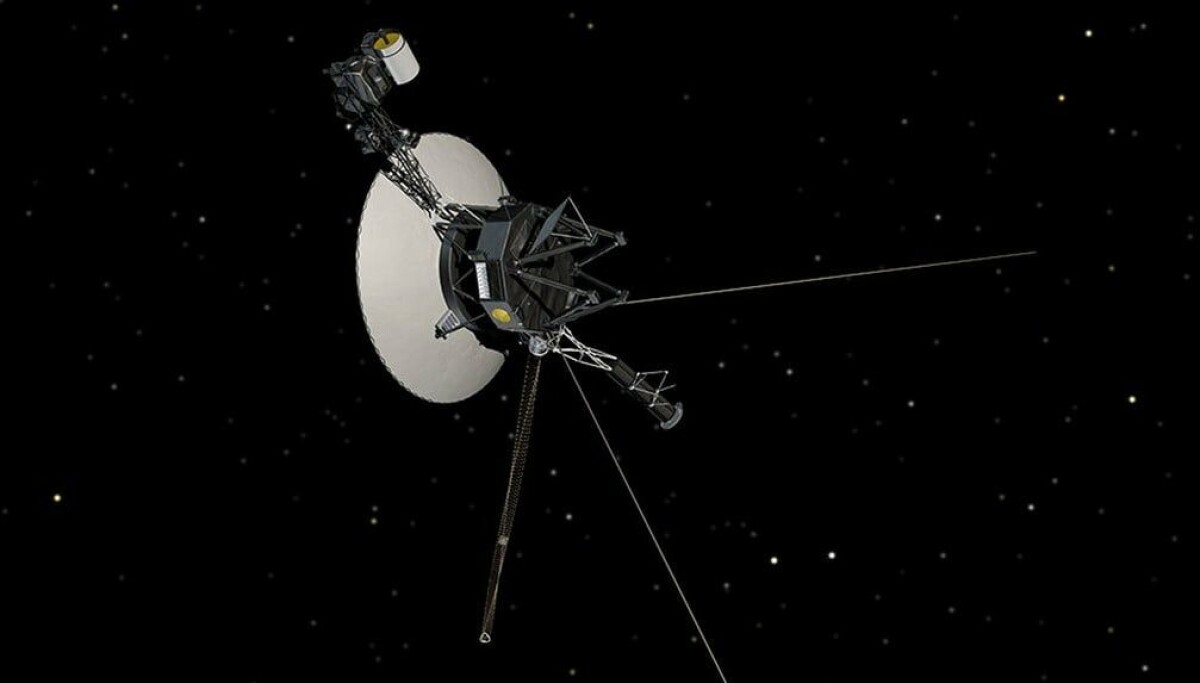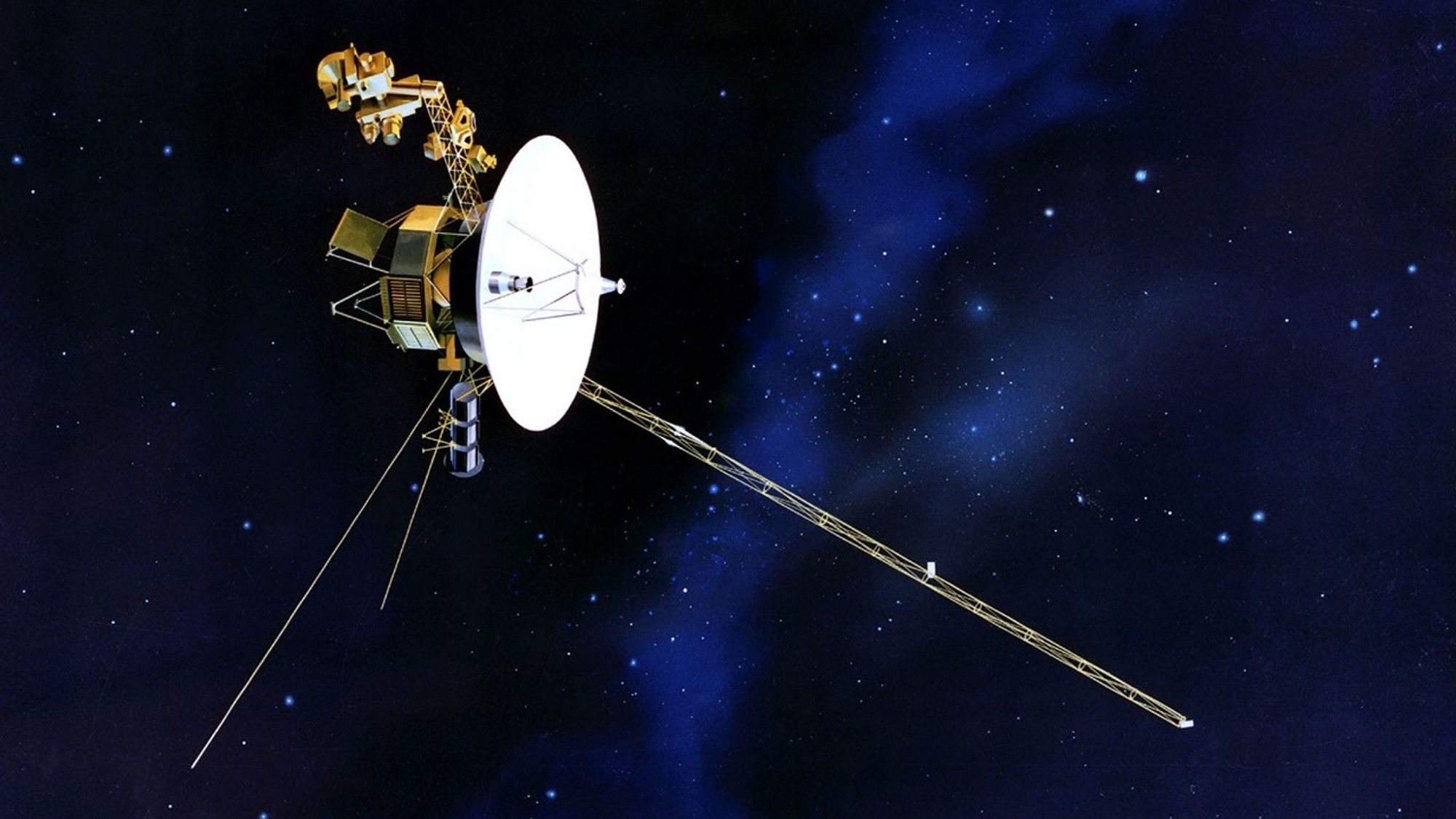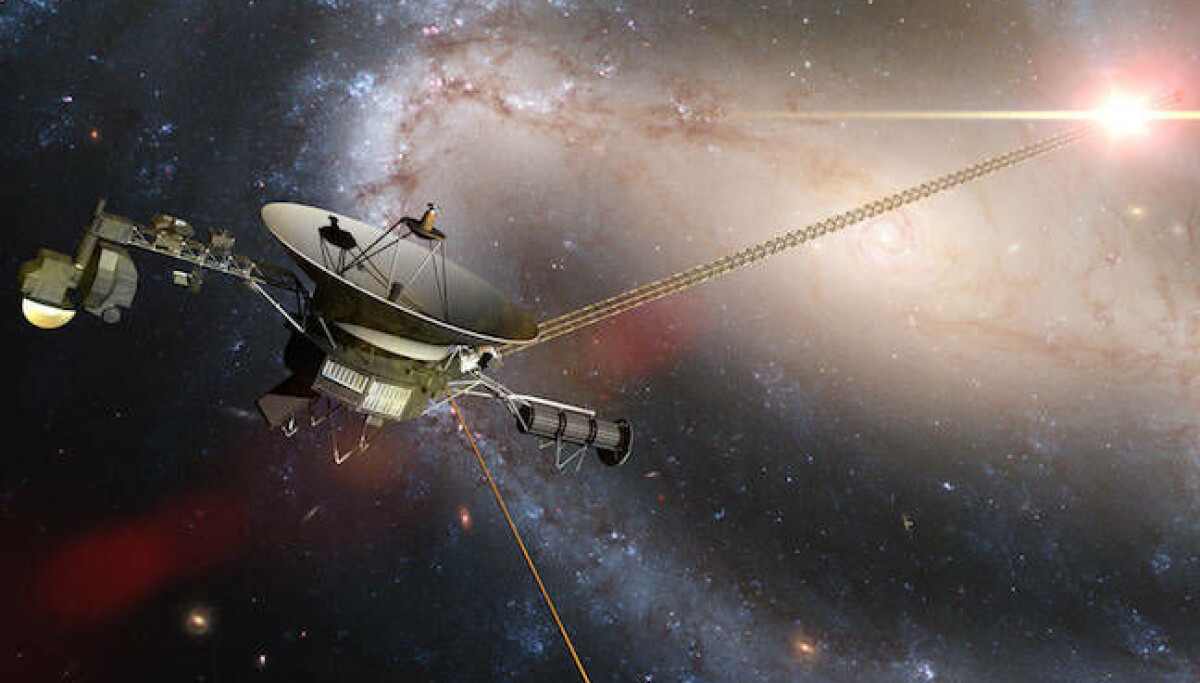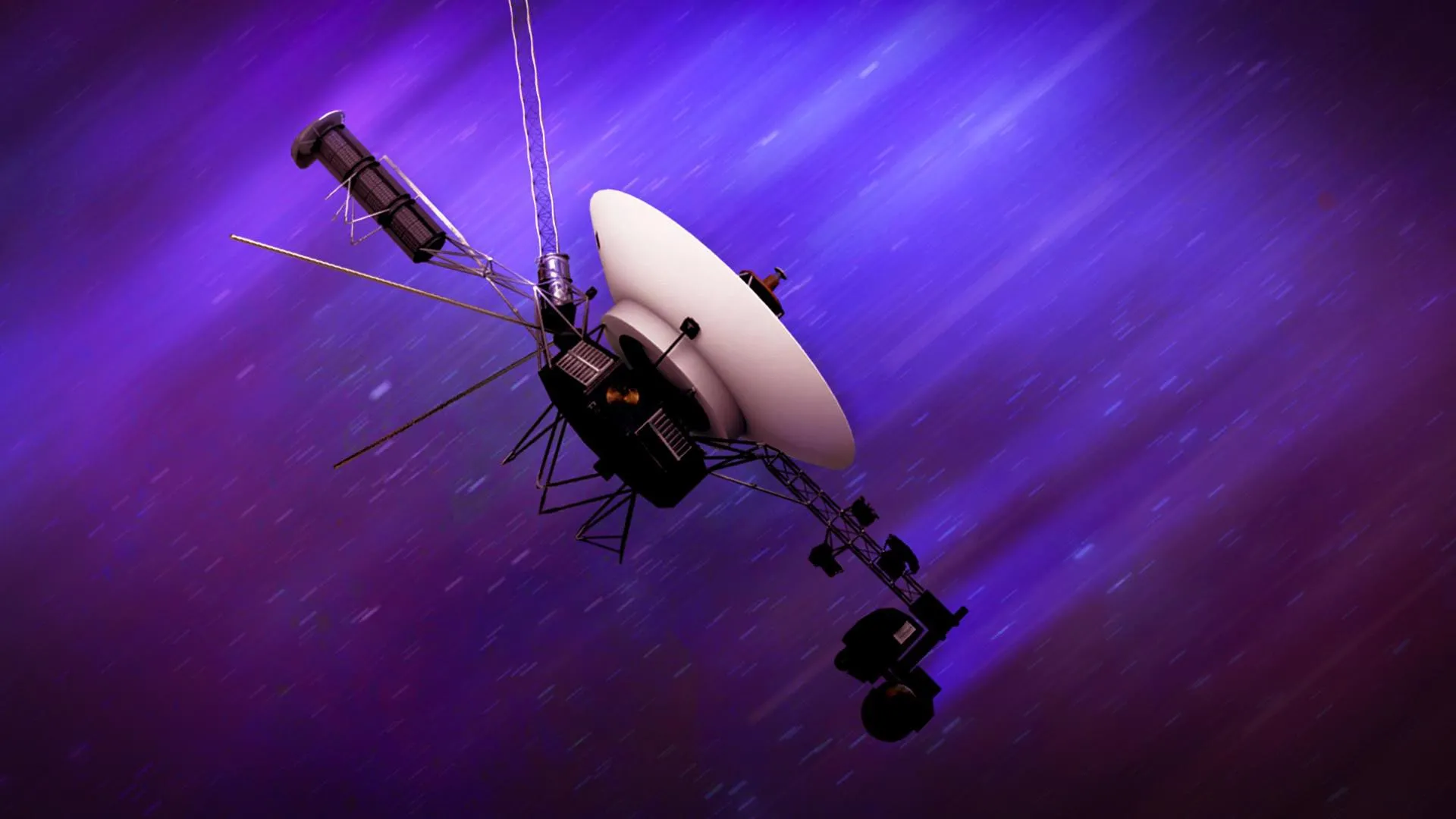
NASA engineers have found a way to free up additional power aboard Voyager 2, helping the nearly 50-year-old spacecraft continue its scientific work for longer.
The effort, known as the "Big Bang," was carried out by engineers at NASA's Jet Propulsion Laboratory. The team simultaneously shut down certain powered components and replaced them with options that use less energy, while also making sure Voyager 2 stayed warm enough to function properly.
Voyager 2's Shrinking Power Supply
Voyager 2 and its twin, Voyager 1, rely on radioisotope thermoelectric generators, which produce electricity from heat released by decaying plutonium. As that plutonium supply steadily diminishes, each spacecraft loses about 4 watts of available power every year.
After nearly half a century in space, the Voyagers now have extremely limited power to spare. To keep the spacecraft operating, mission controllers have increasingly had to shut down systems and equipment that are no longer essential.