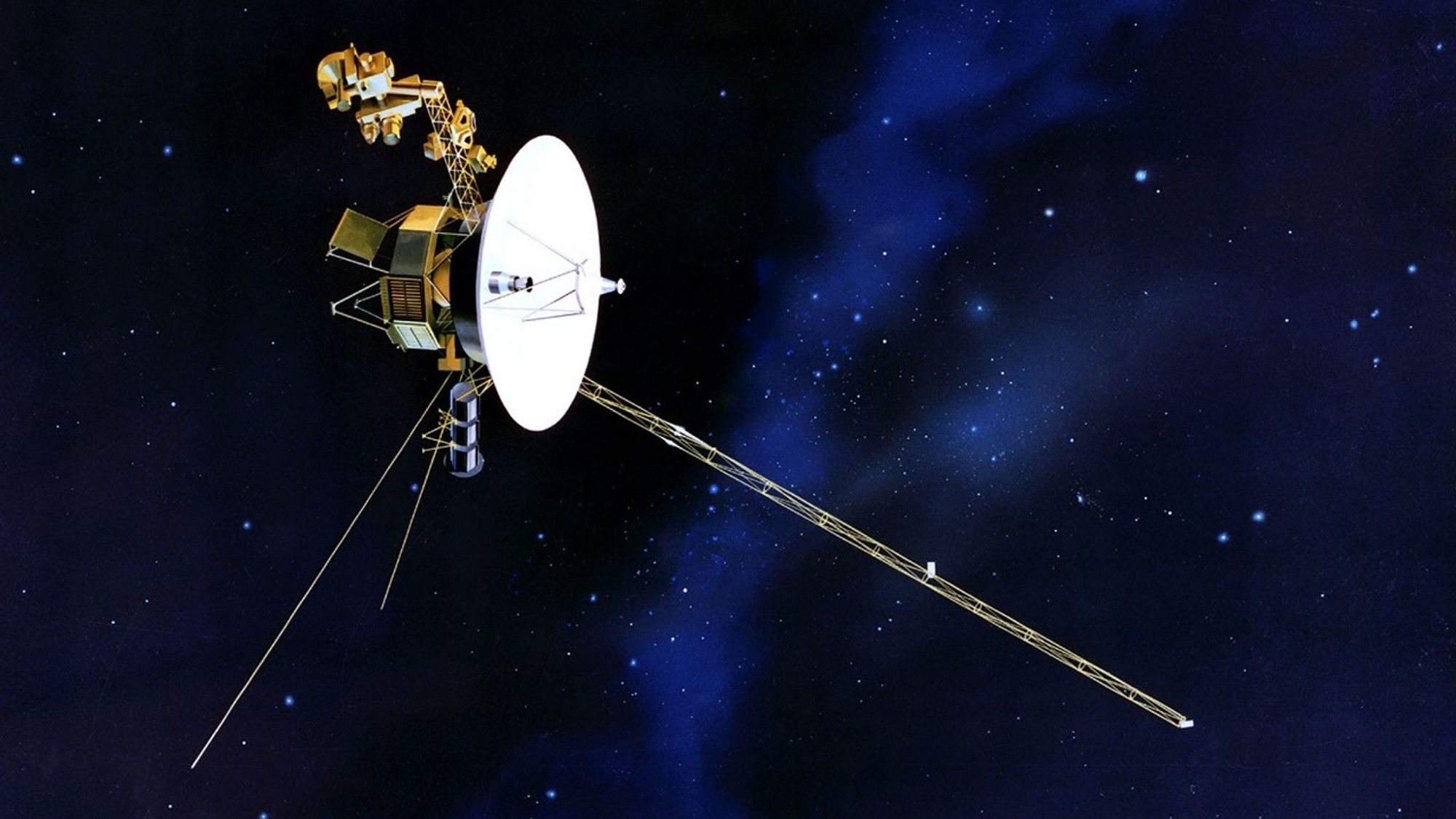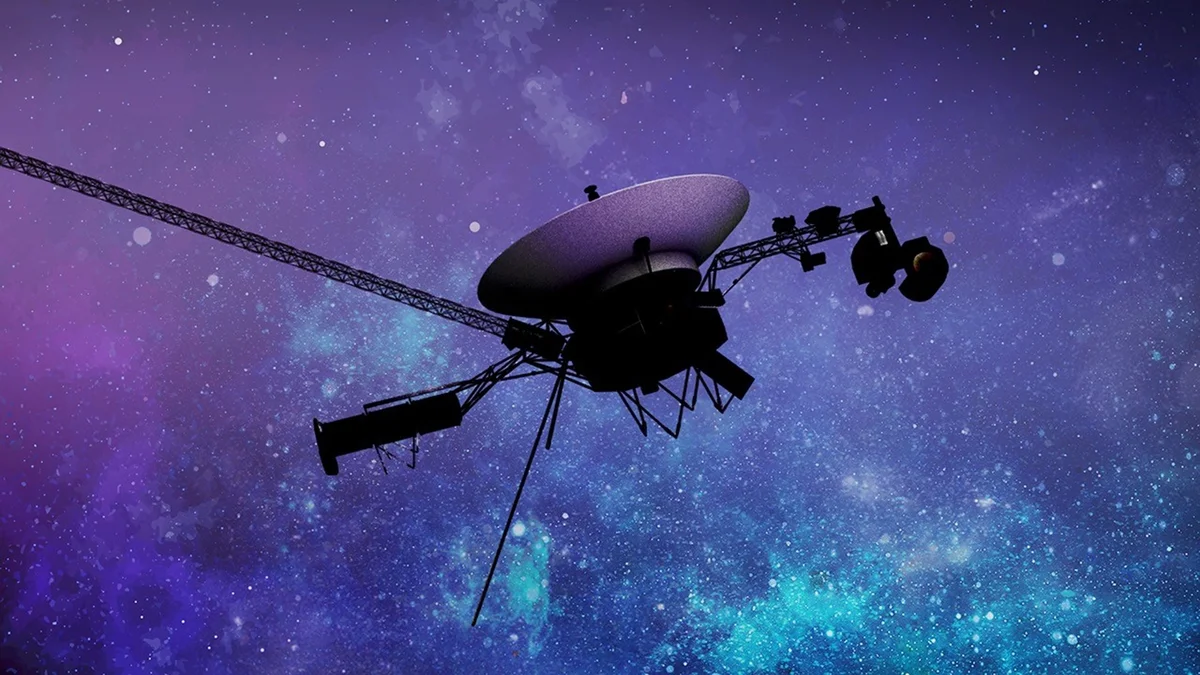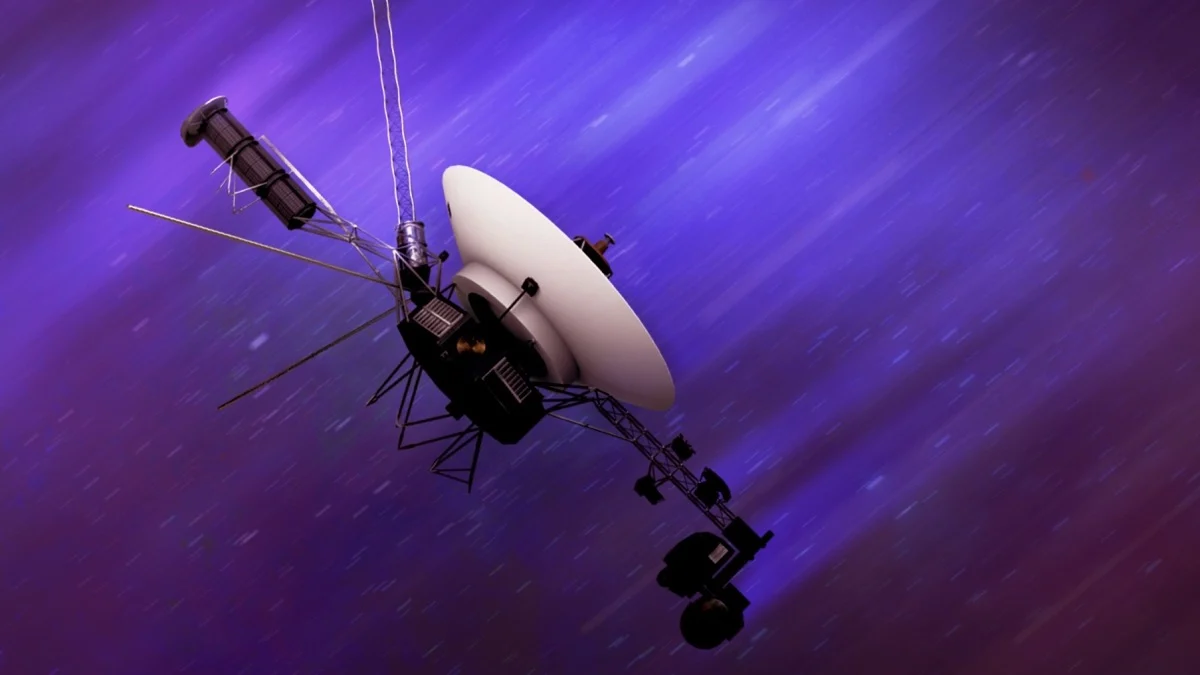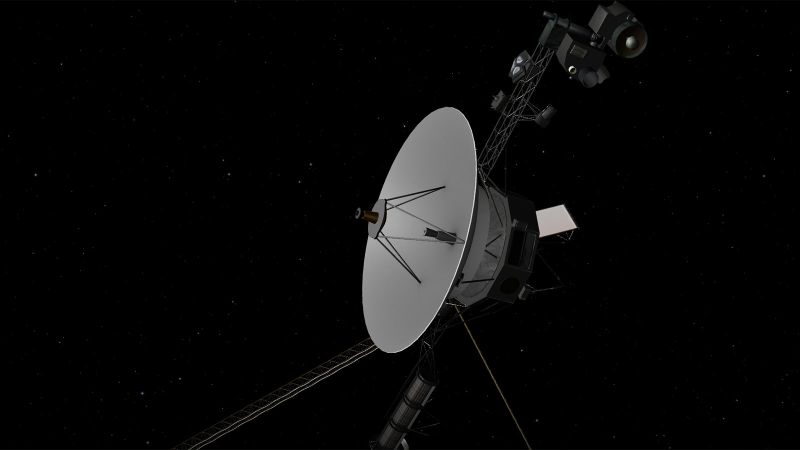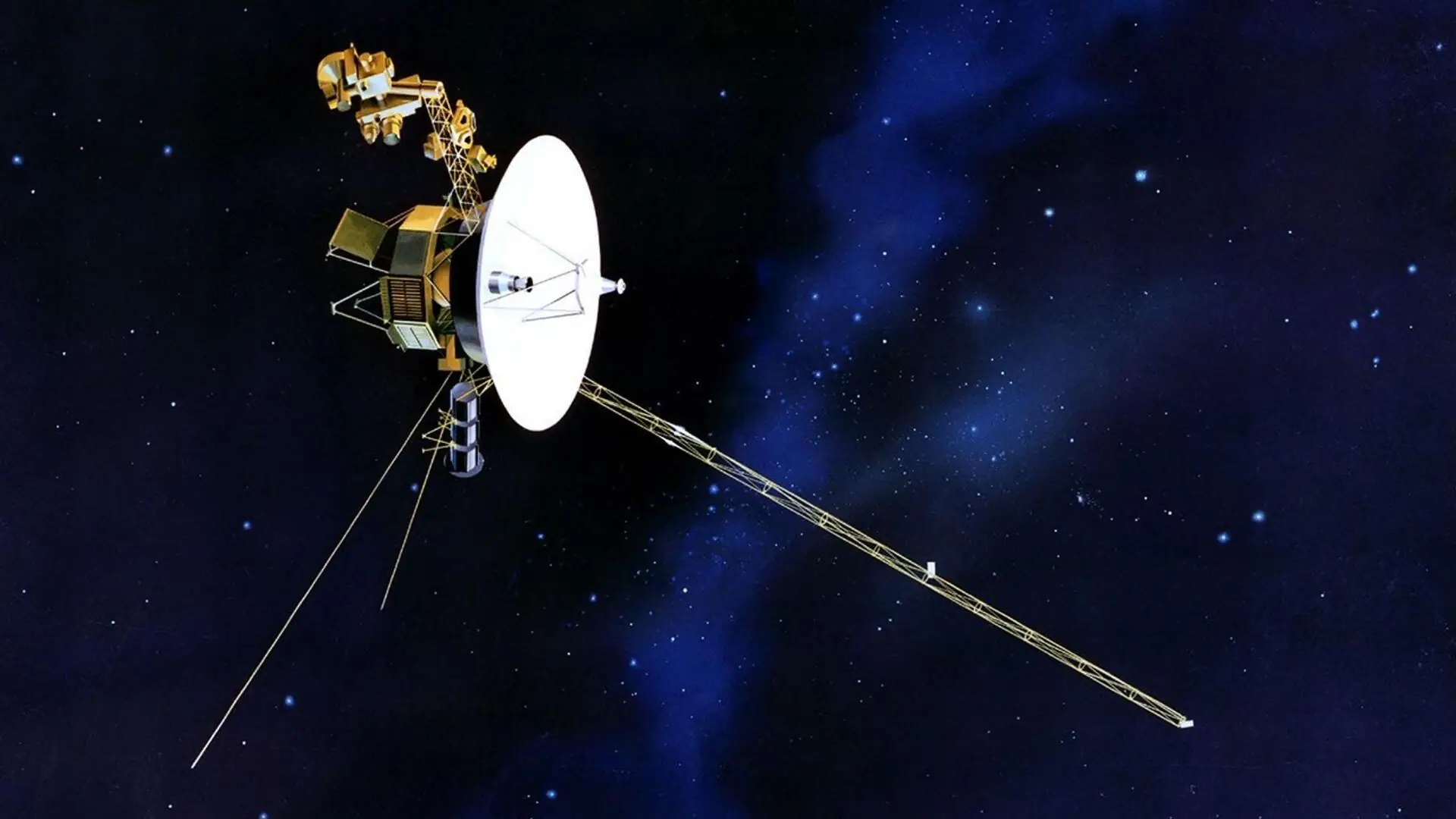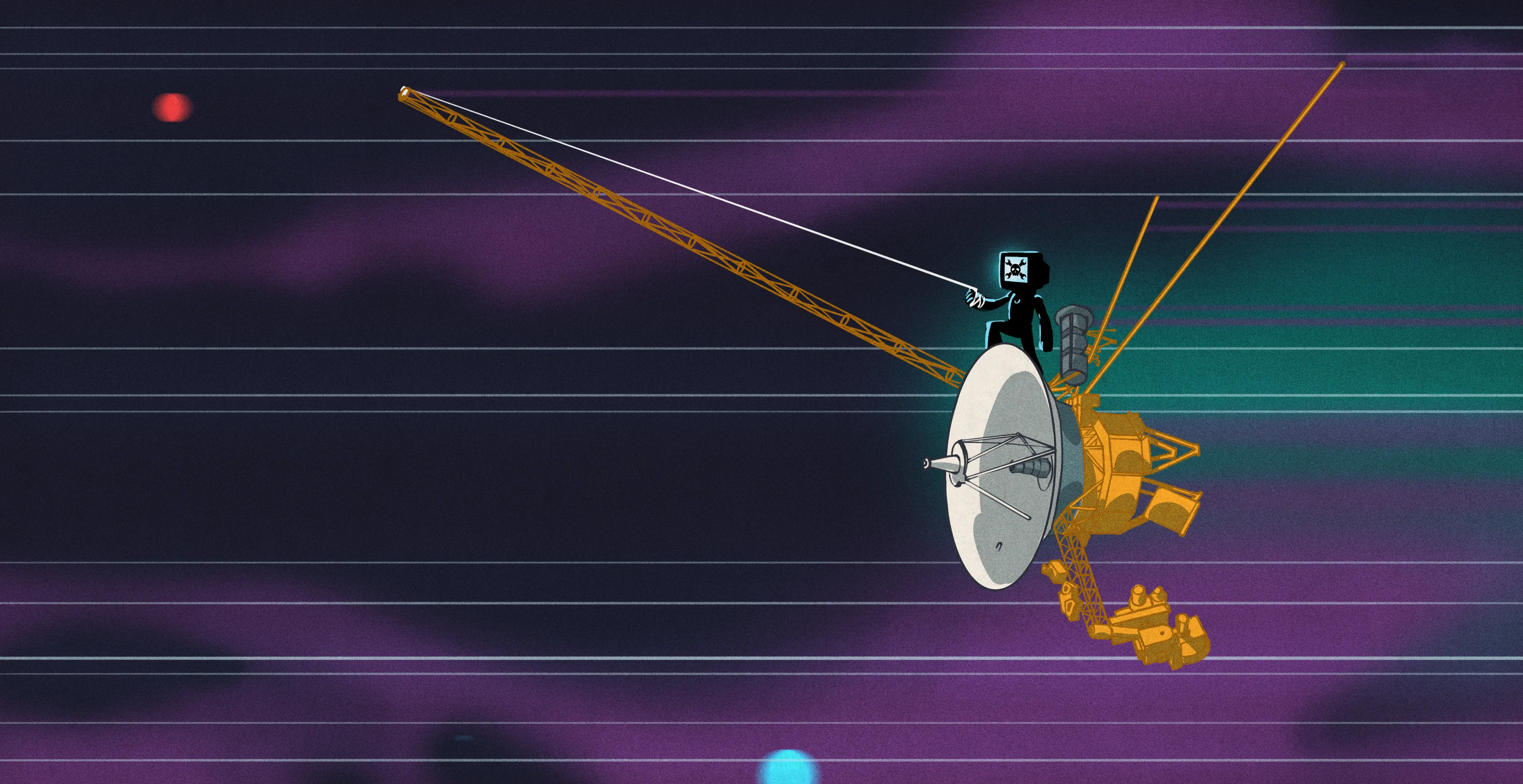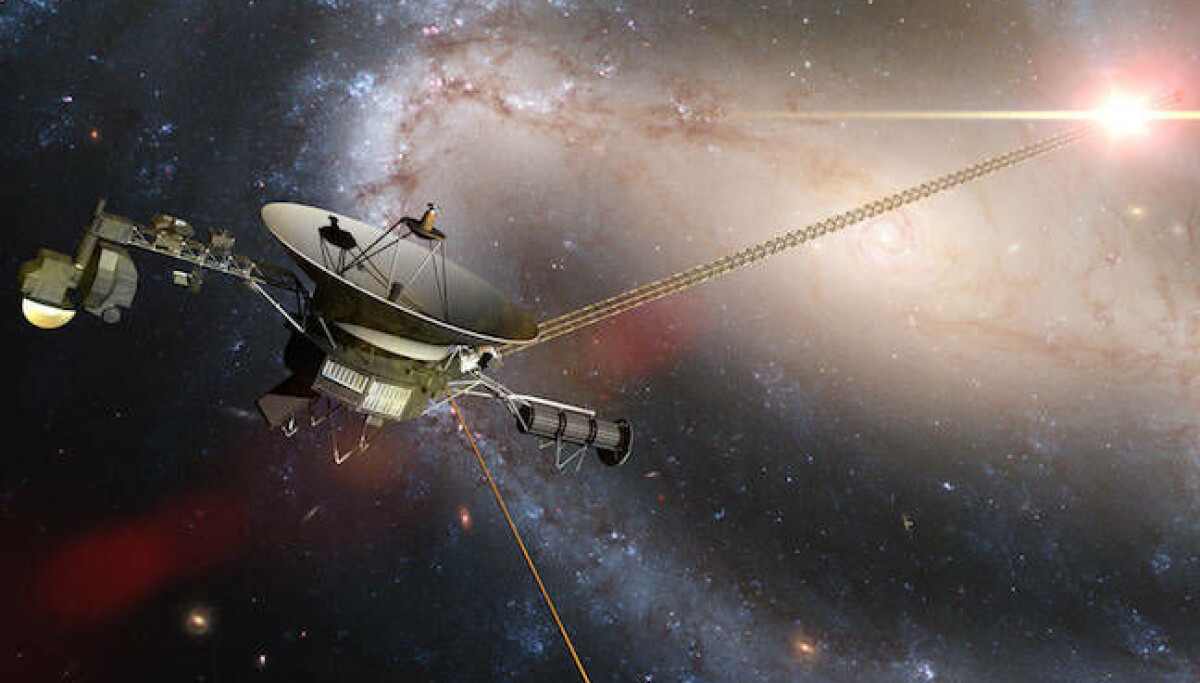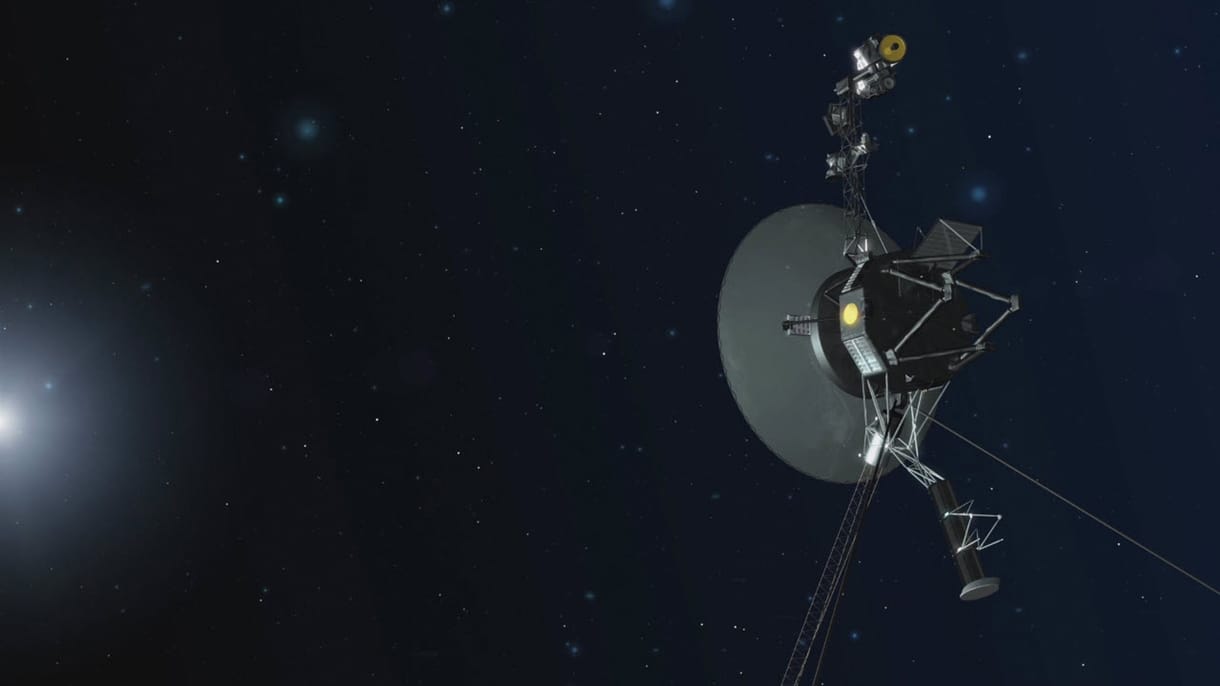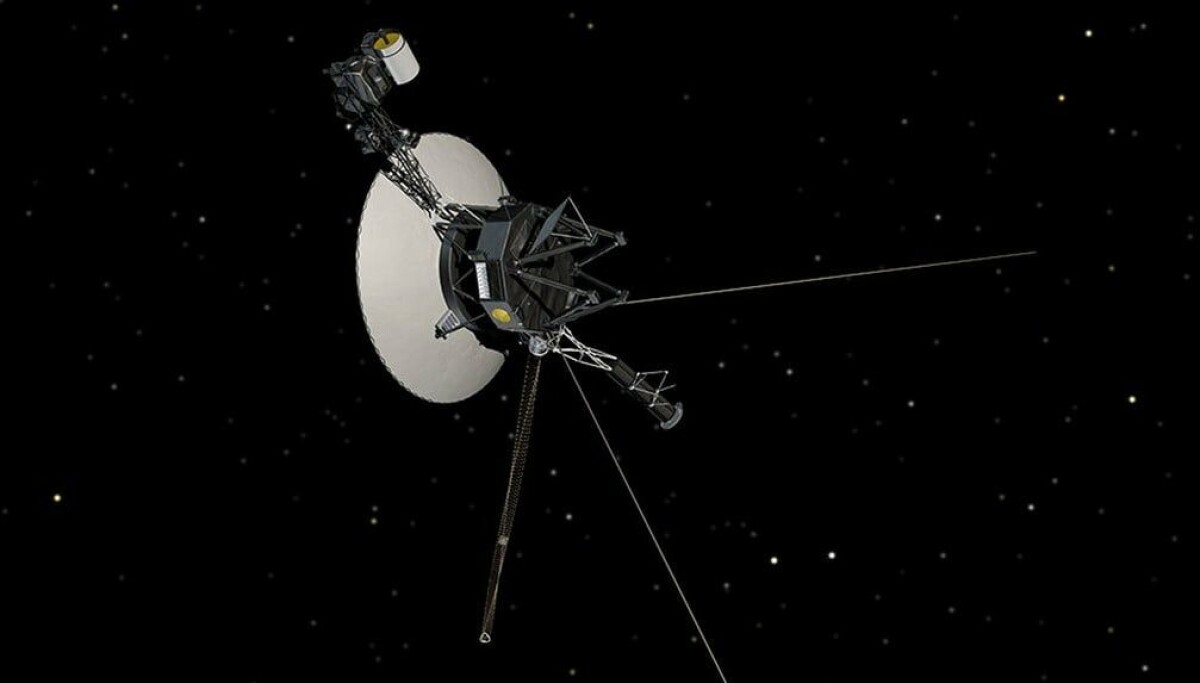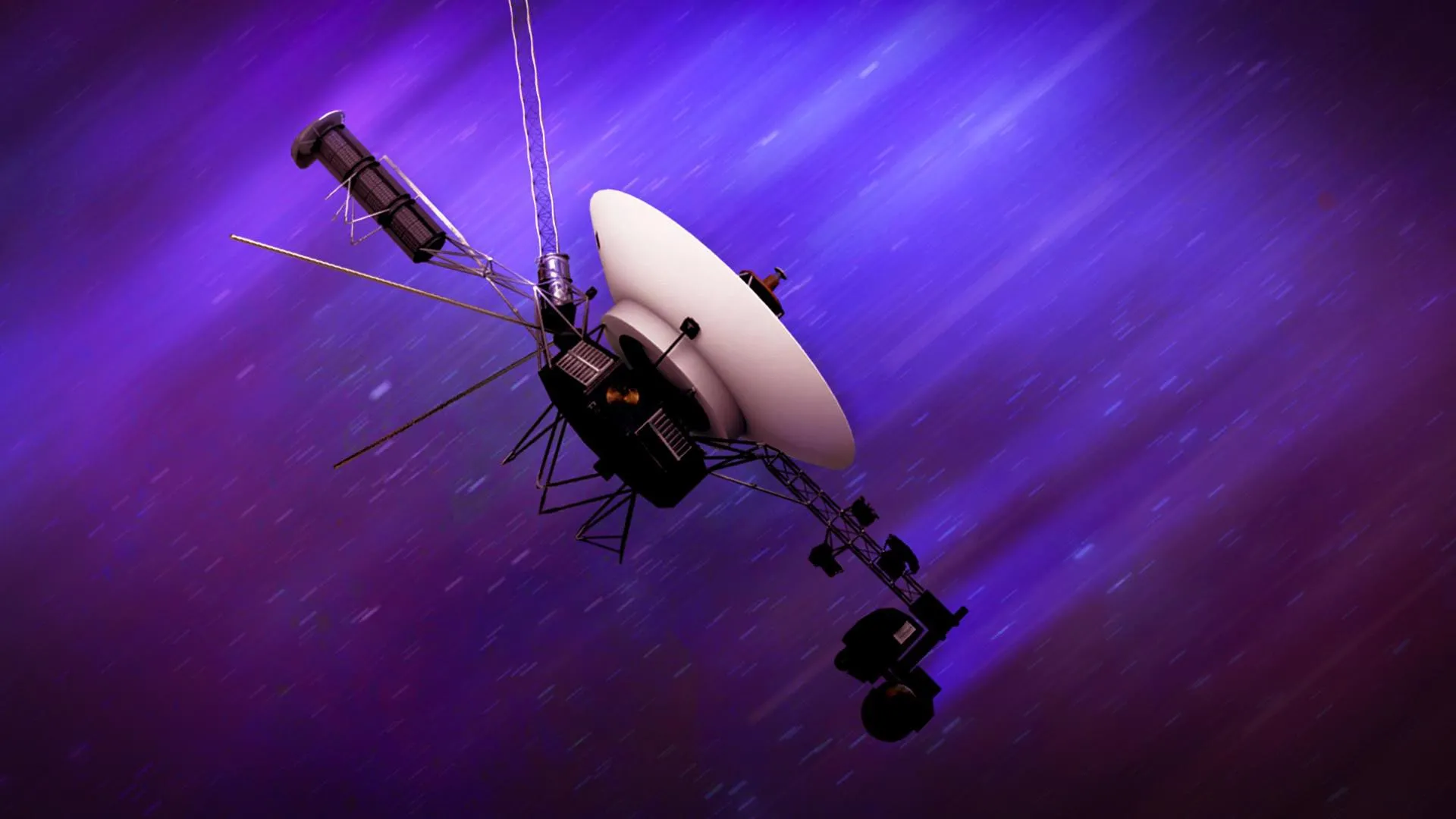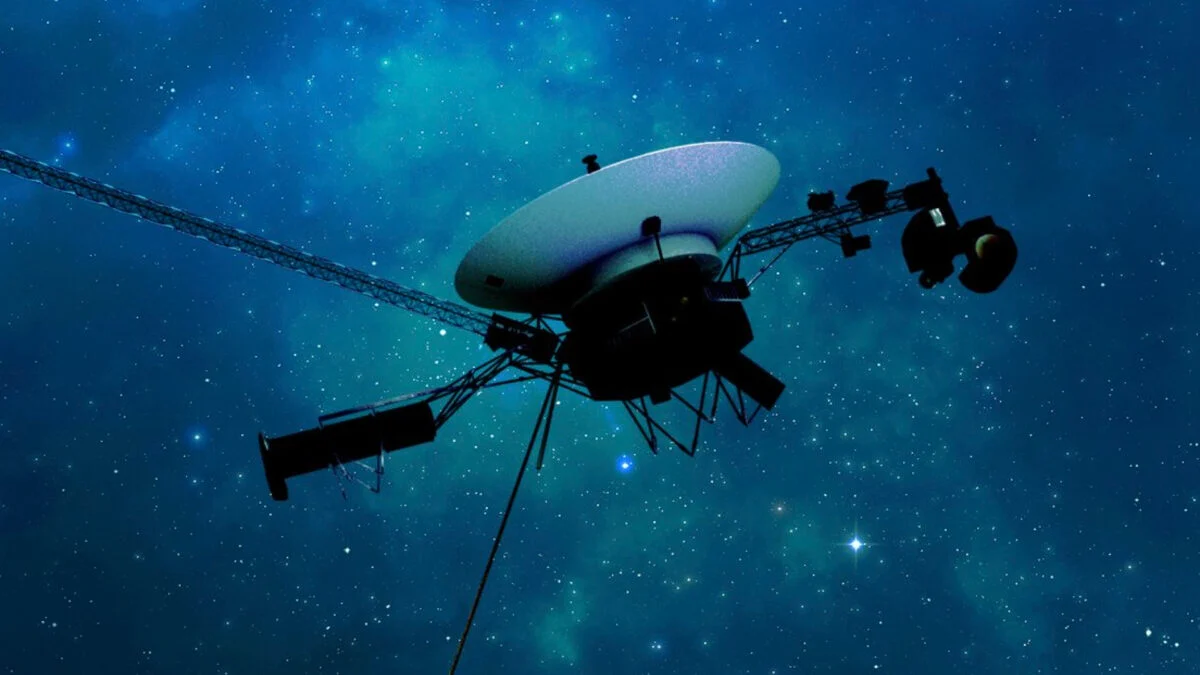
Blitzing through interstellar space at over 35,000 miles per hour (56,000 kilometers per hour), NASA’s Voyager 1 probe is now over 15 billion miles (or about 24 billion km) away from Earth. And the U.S. space agency’s Jet Propulsion Lab just north of Los Angeles is working hard to make sure it keeps going for just a bit longer. On Tuesday, Voyager mission engineers at JPL announced that they have successfully executed a critical power-saving hack on the spacecraft’s sister probe, Voyager 2. They’re calling it the “big bang,” a delicate toggling on and off of Voyager 2’s key components, in pairs of three, across a coordinated sequence—conserving energy without disastrously freezing the probe’s fuel line or its critical hardware out in the inhospitable cold of deep space. In essence, the scheme makes a virtue of the fact that the Voyagers, both launched in the late summer of 1977, are relics (respectfully) of midcentury electronics: Thanks to good old-fashioned waste heat, practically every instrument onboard these probes can be canily used to help to keep the craft warm. Voyager 2 was closer to Earth and had more power to test this stunt on. But, now, according to NASA’s Voyager mission manager Kareem Badaruddin, JPL hopes to repeat this hat trick again on the farther out Voyager 1.
Upcoming Hack to Keep NASA's Voyager 1 Alive Exploits a Quirk in Its 1970s Hardware
After a successful trial on Voyager 2, NASA plans to execute its “big bang” power diversion on humanity’s most distant space probe.
684 words~3 min read