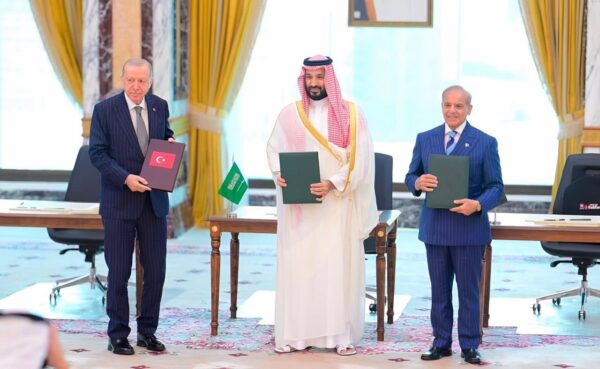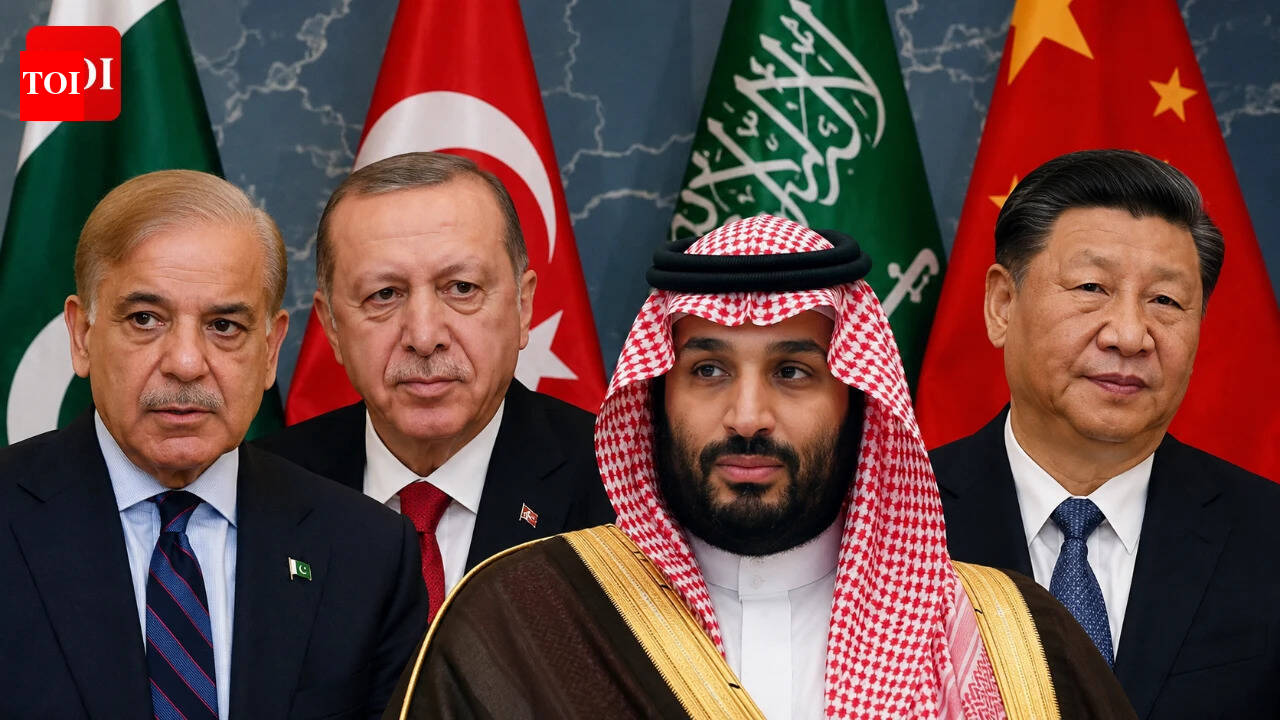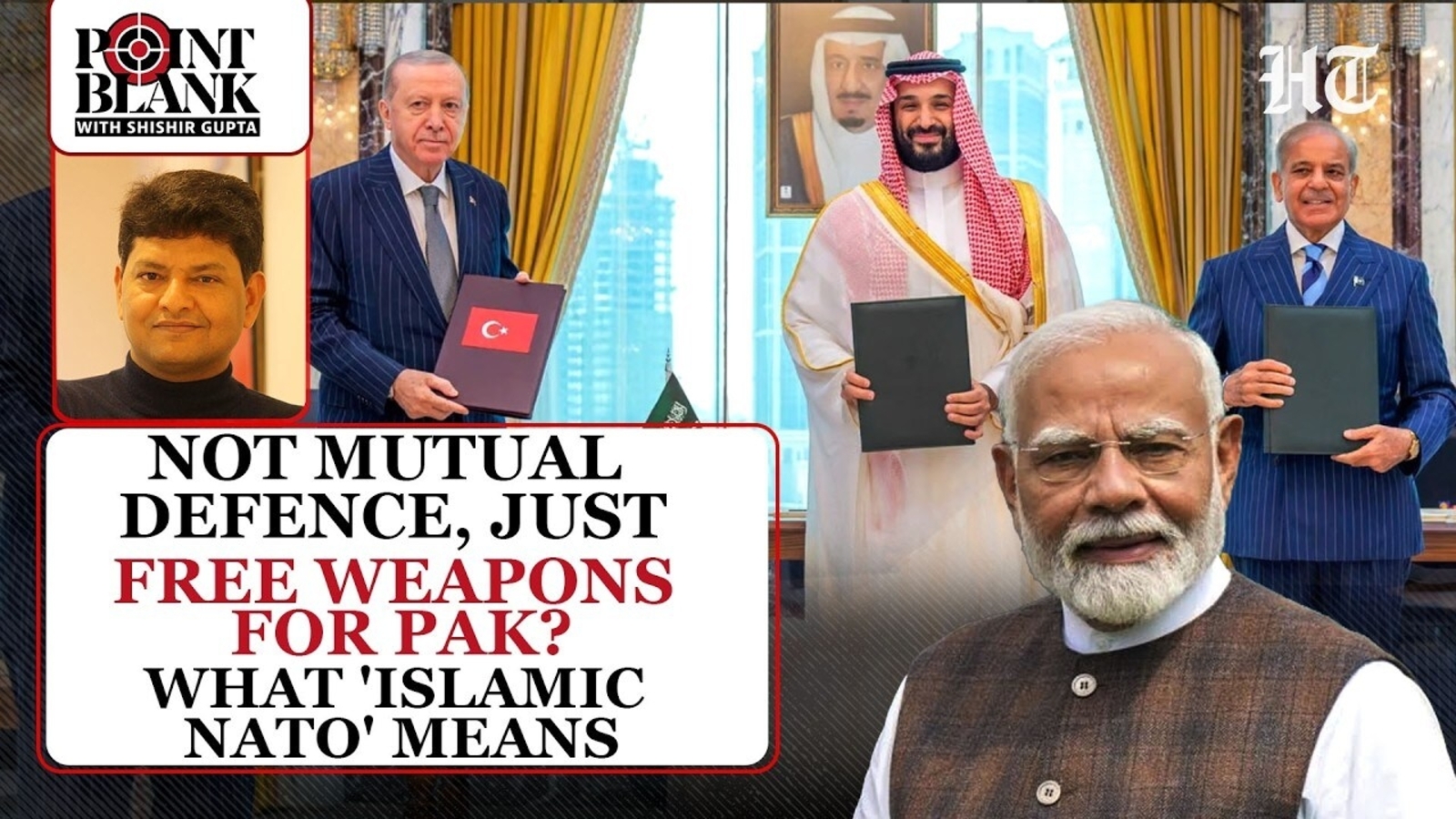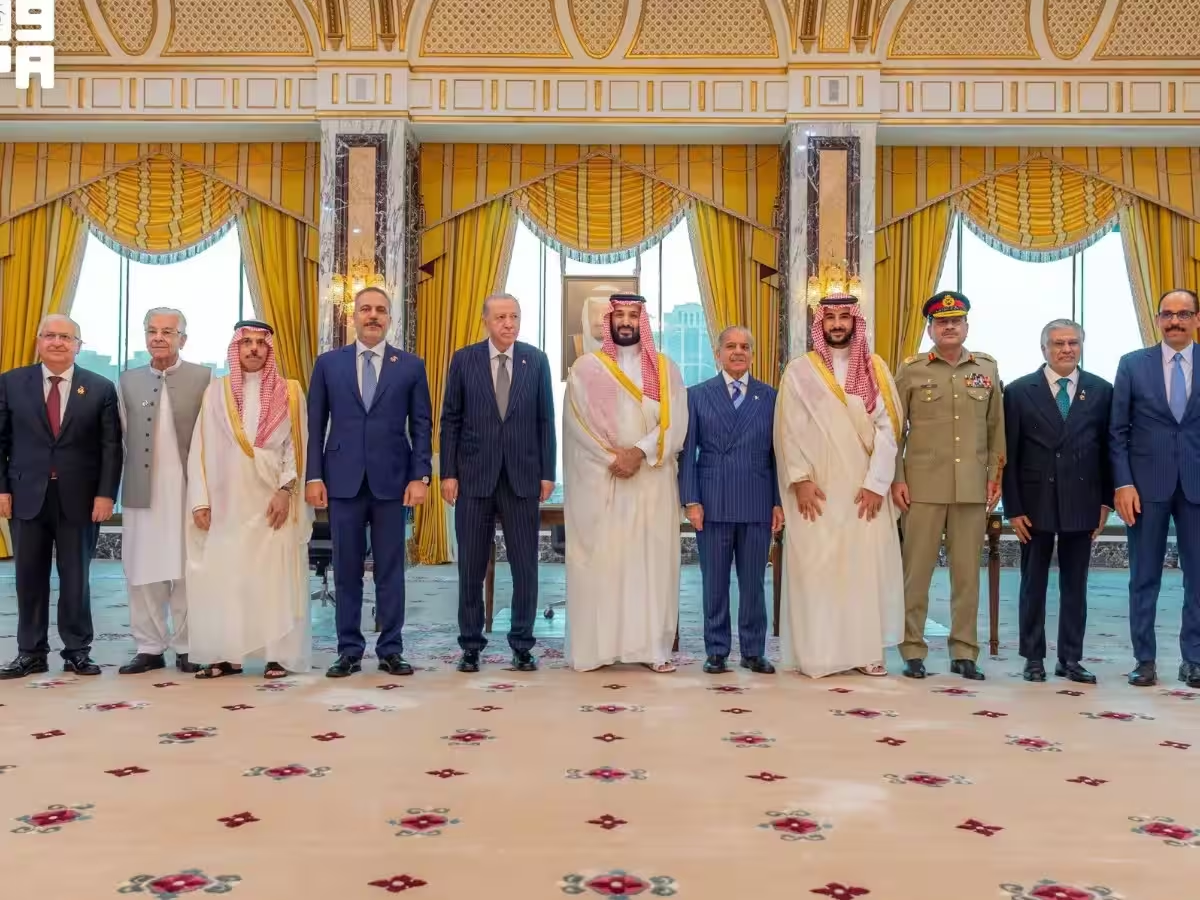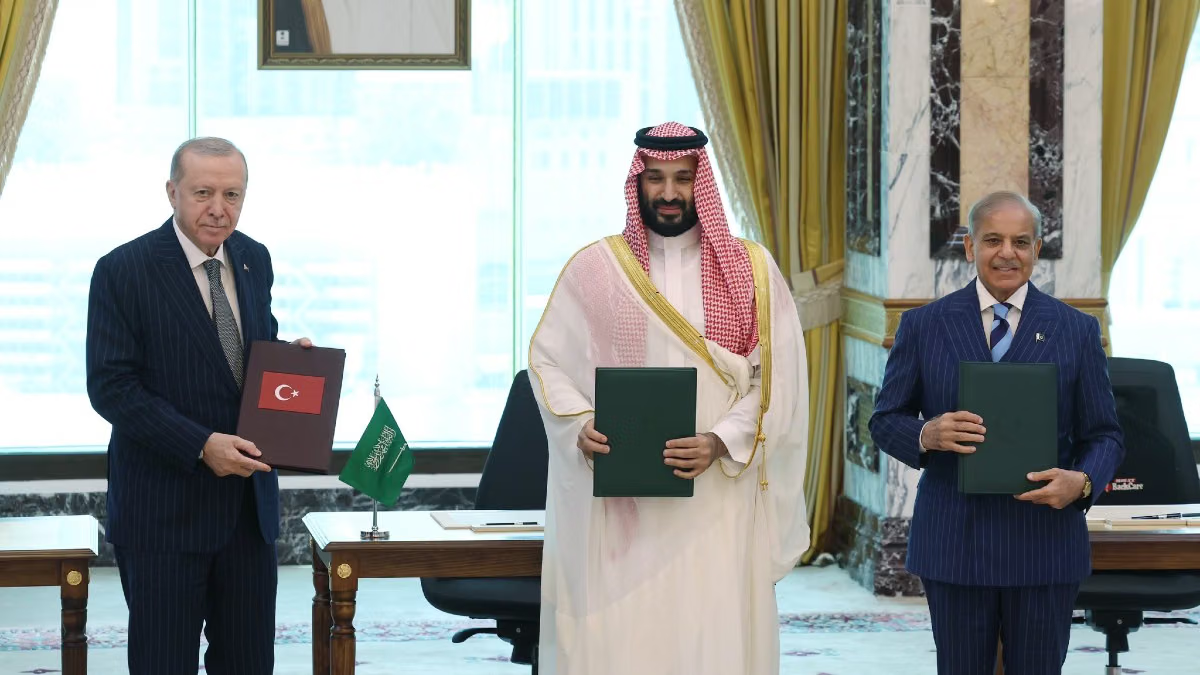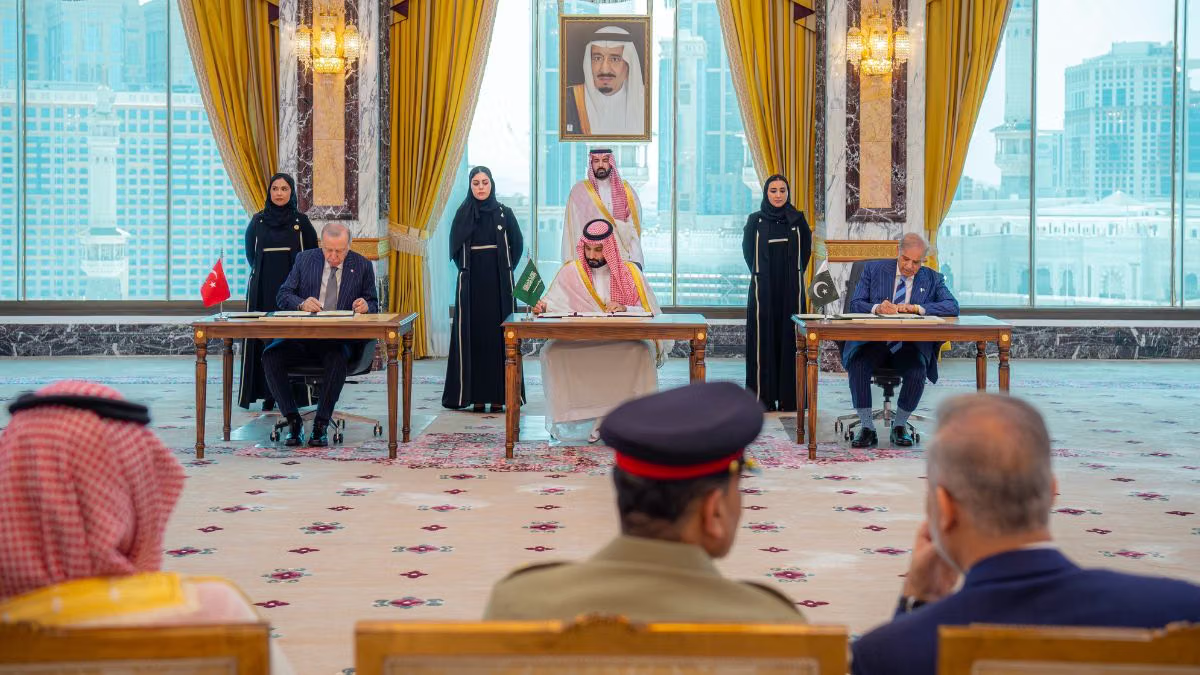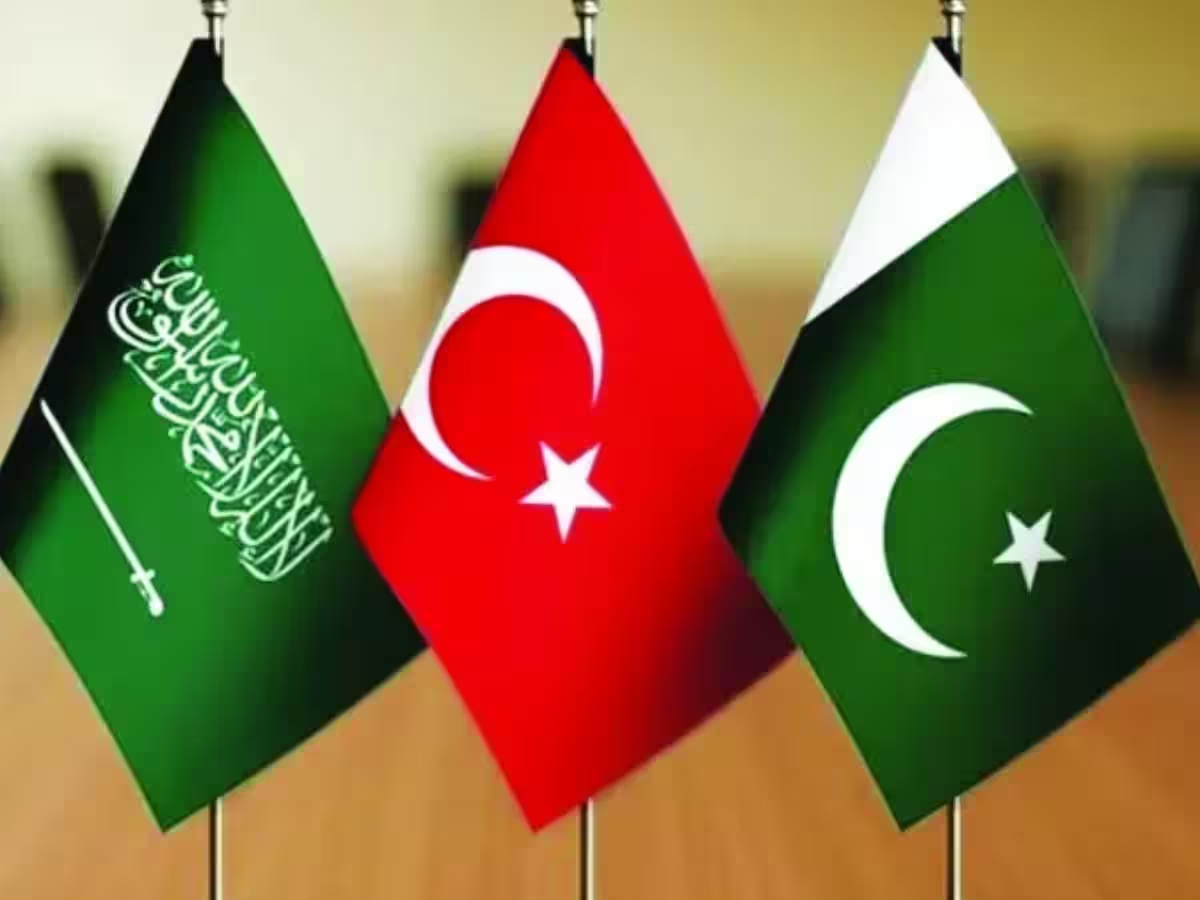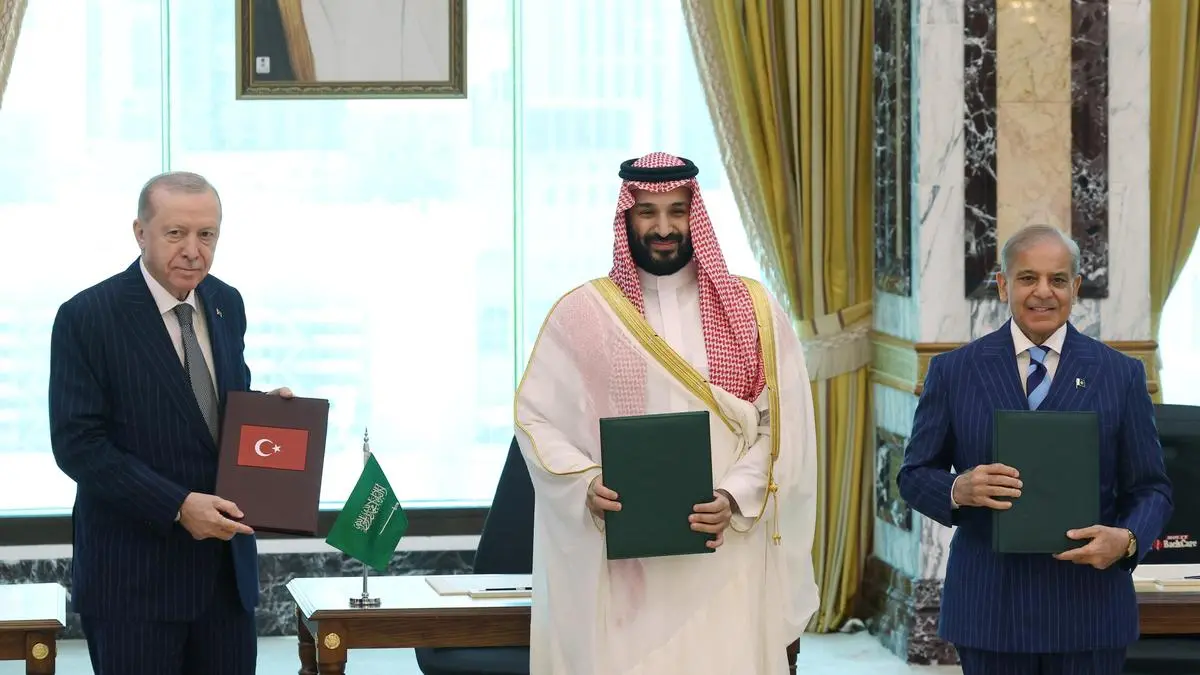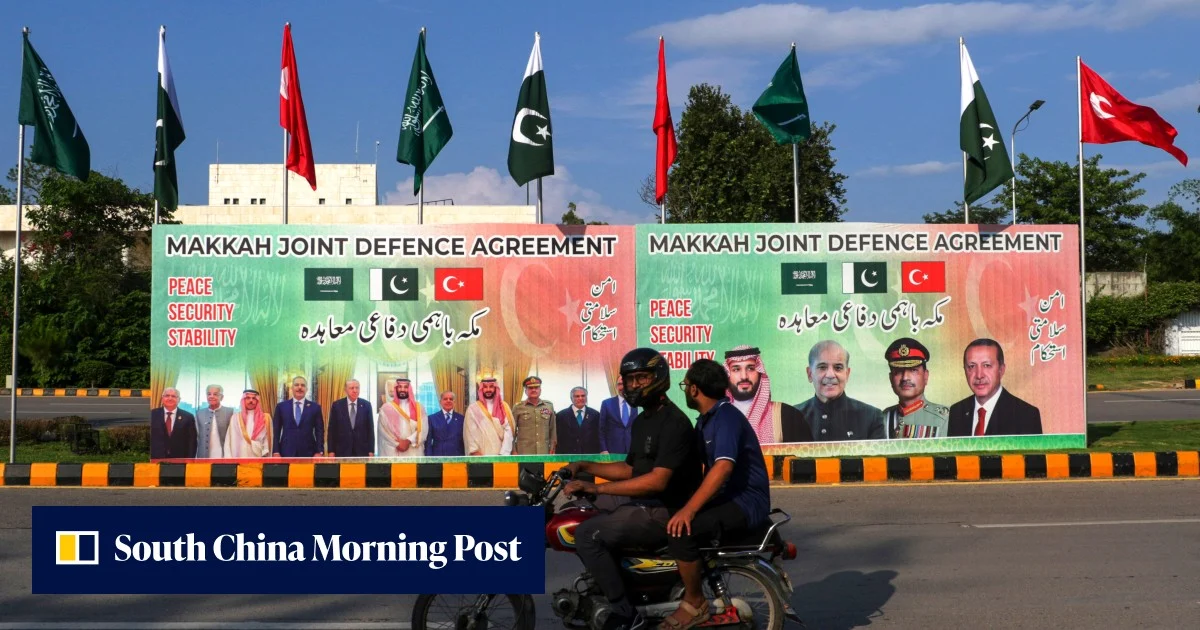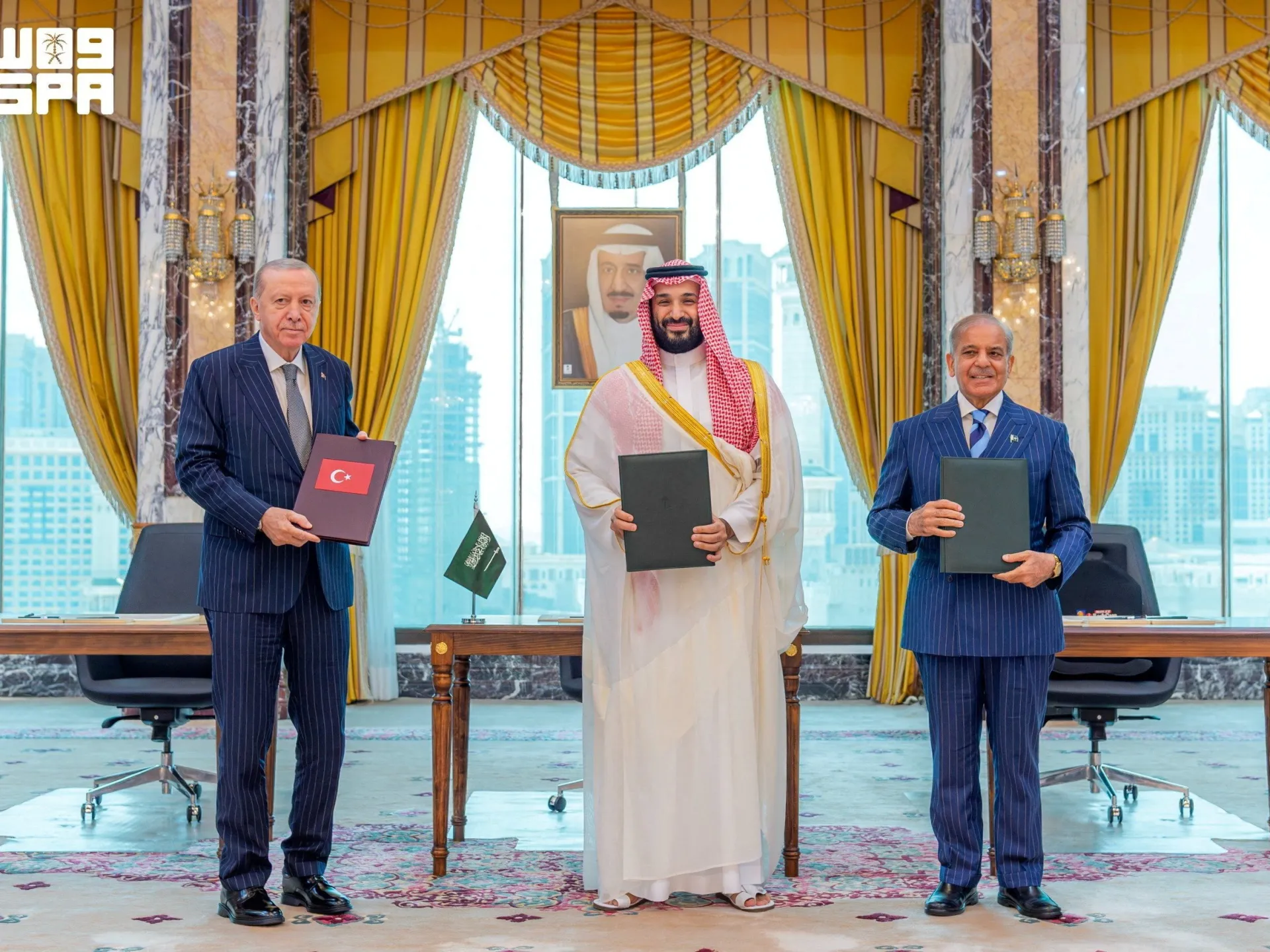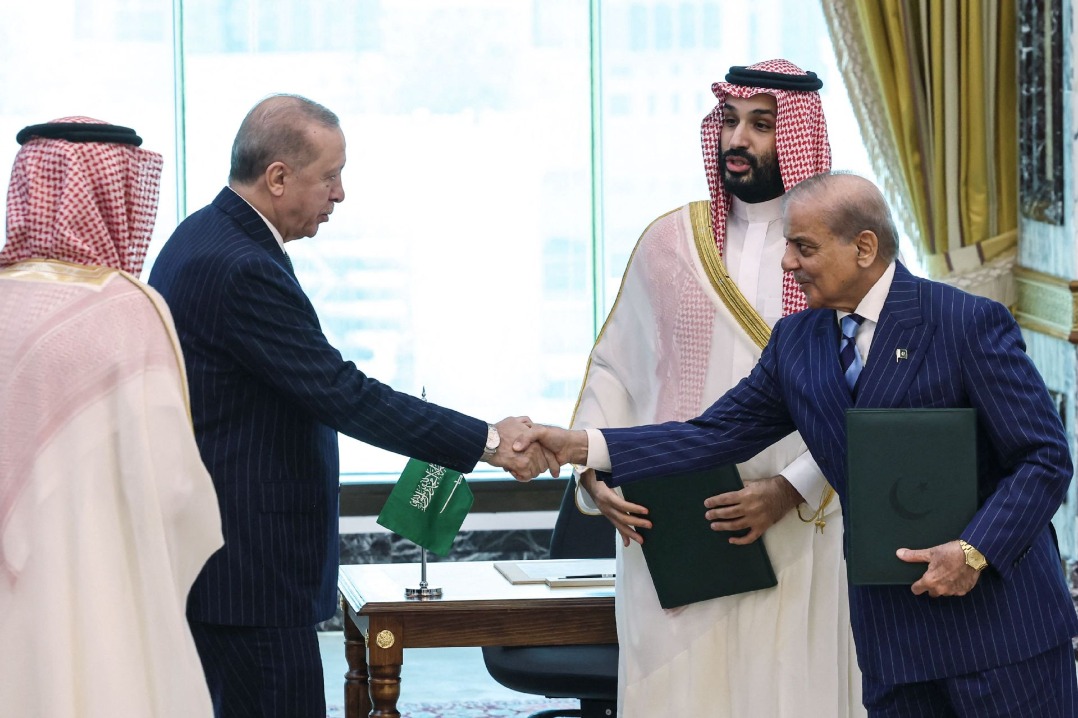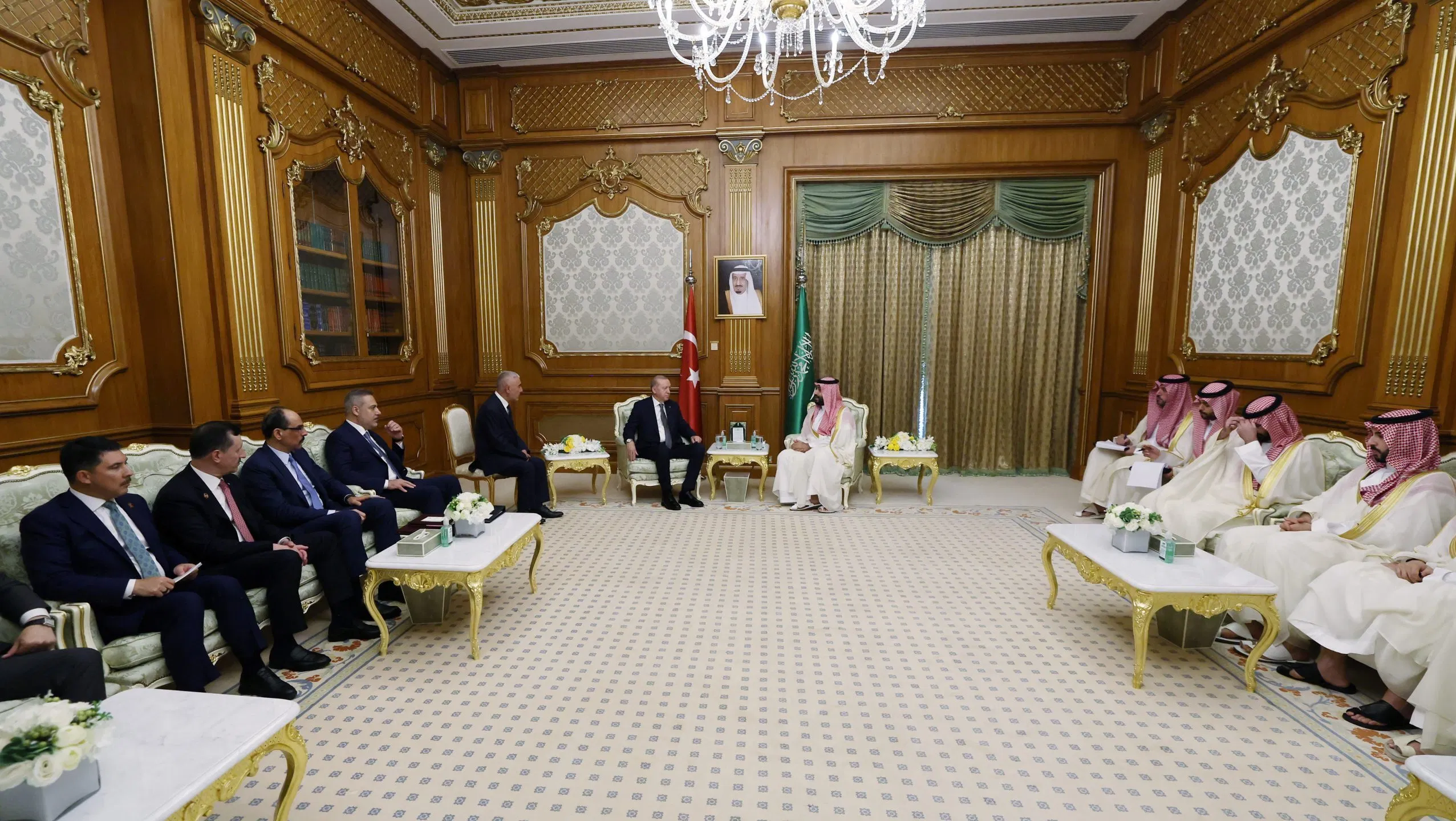
The Mecca Joint Defence Agreement, signed by Pakistan, Saudi Arabia and Turkey, has generated considerable interest on Chinese social media. One commentator described it as a “Sunni NATO,” while other discussions focused on declining United States’ influence, Iran as a target, and the implications for India, with some suggesting that New Delhi should be on high alert.
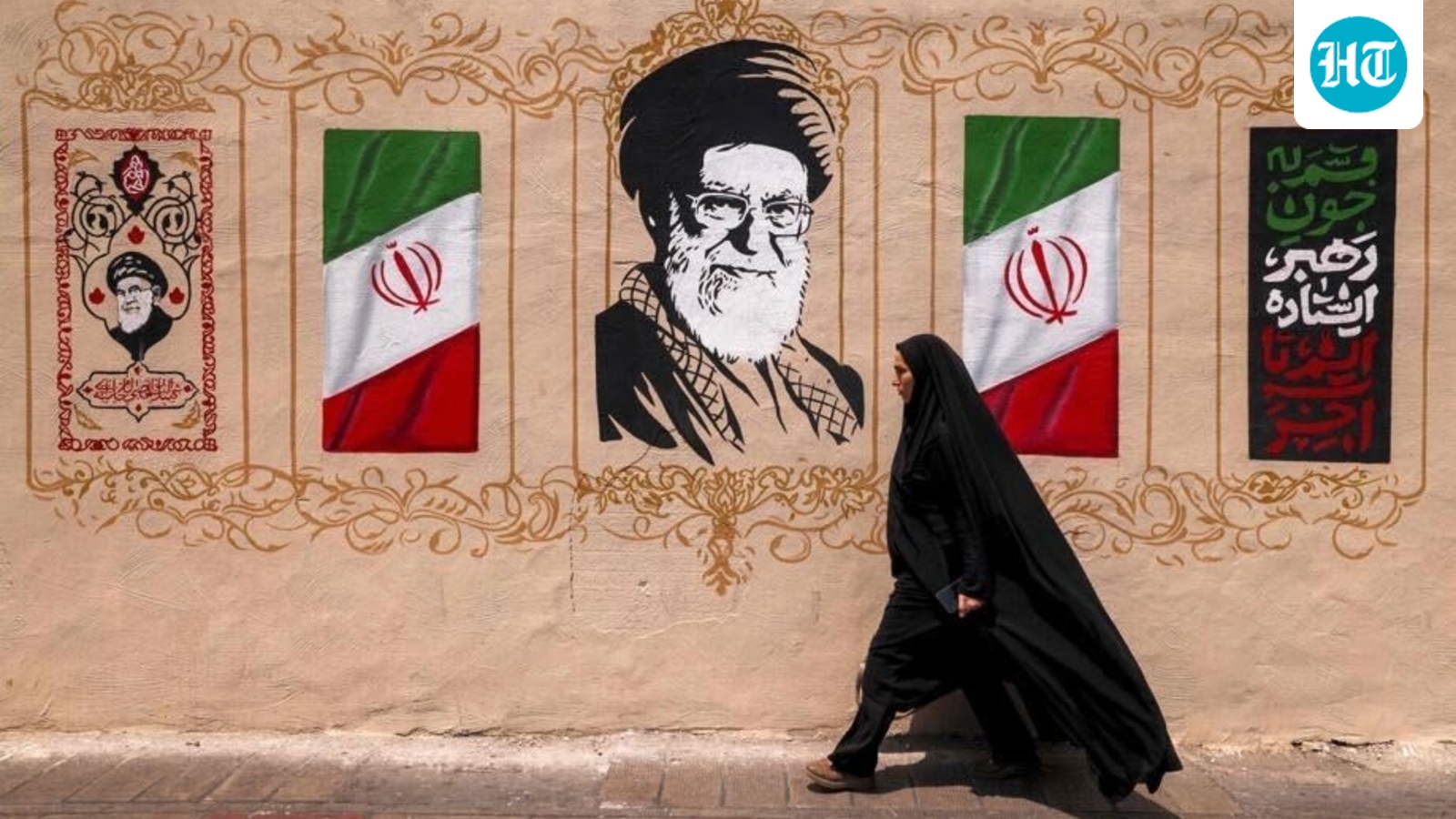
On Weibo, hashtags including “Turkey, Saudi Arabia and Pakistan sign joint defence agreement” and “Iran welcomes the defence agreement” have attracted thousands of views and generated extensive discussion.Why the Mecca pact matters
A recurring theme in Chinese commentary is that the Meeca defence pact is a defensive and open-ended security framework rather than an offensive alliance. Strategically, it is seen as balancing Iran and Israel while allowing the three signatories to reduce their dependence on the US without directly confronting Washington.
Qin Tian, Deputy Director of the Middle East Research Institute at the China Institutes of Contemporary International Relations, argued that since the outbreak of the US-Iran conflict earlier this year, Saudi Arabia, Pakistan, Turkey, and Egypt have stepped up diplomatic coordination and held multiple foreign ministers’ meetings, with Pakistan playing a key role in efforts to advance US-Iran negotiations. The pact, in this sense, is being discussed as part of a wider push for greater coordination among regional Muslim powers.Chinese commentary frames the Mecca pact as a “money, gun and nuclear” combination, bringing together three complementary military and strategic strengths: Saudi financial power, Turkish military capabilities, and Pakistan’s nuclear deterrent. A Weibo post similarly argued that the agreement would allow the three countries to combine their political, economic, and military capabilities and respond collectively to major geopolitical and security challenges.The role of the US is central to these interpretations. One commentary argues that the tripartite alignment signals a shift from a US-dominated Middle Eastern security order towards greater regional self-reliance. In this reading, Iran is a key target of deterrence and containment, while Pakistan emerges as a perceivably important security partner. The pact could constrain Iran through a stronger collective defence network while also challenging aspects of the US and Israel’s strategic positions.Chinese commentary also portrays the agreement as the beginnings of a more institutionalised regional security framework, potentially expanding to countries such as Egypt and linking the Gulf, Red Sea, Arabian Sea, and South Asia.Commentators also attached significance to the choice of venue. One person asked, “Why choose Mecca?” The answer offered was that signing the agreement in Mecca carries profound political and symbolic significance. In this interpretation, Mecca, as the holiest site in Islam, transforms the agreement from a narrow security arrangement among three countries into a broader statement about the security of the Muslim world.