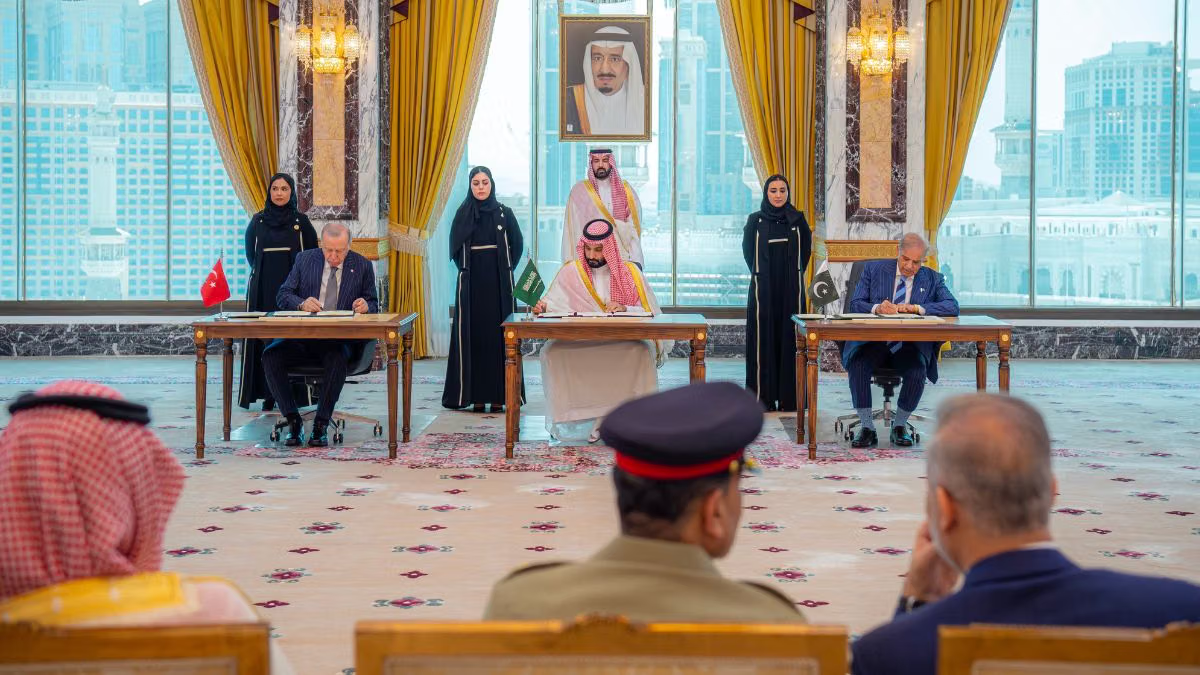
For India, the more immediate concern is what Saudi involvement might mean during the next India-Pakistan crisis.
| Photo Credit:
MURAT CETINMUHURDAR/PPO
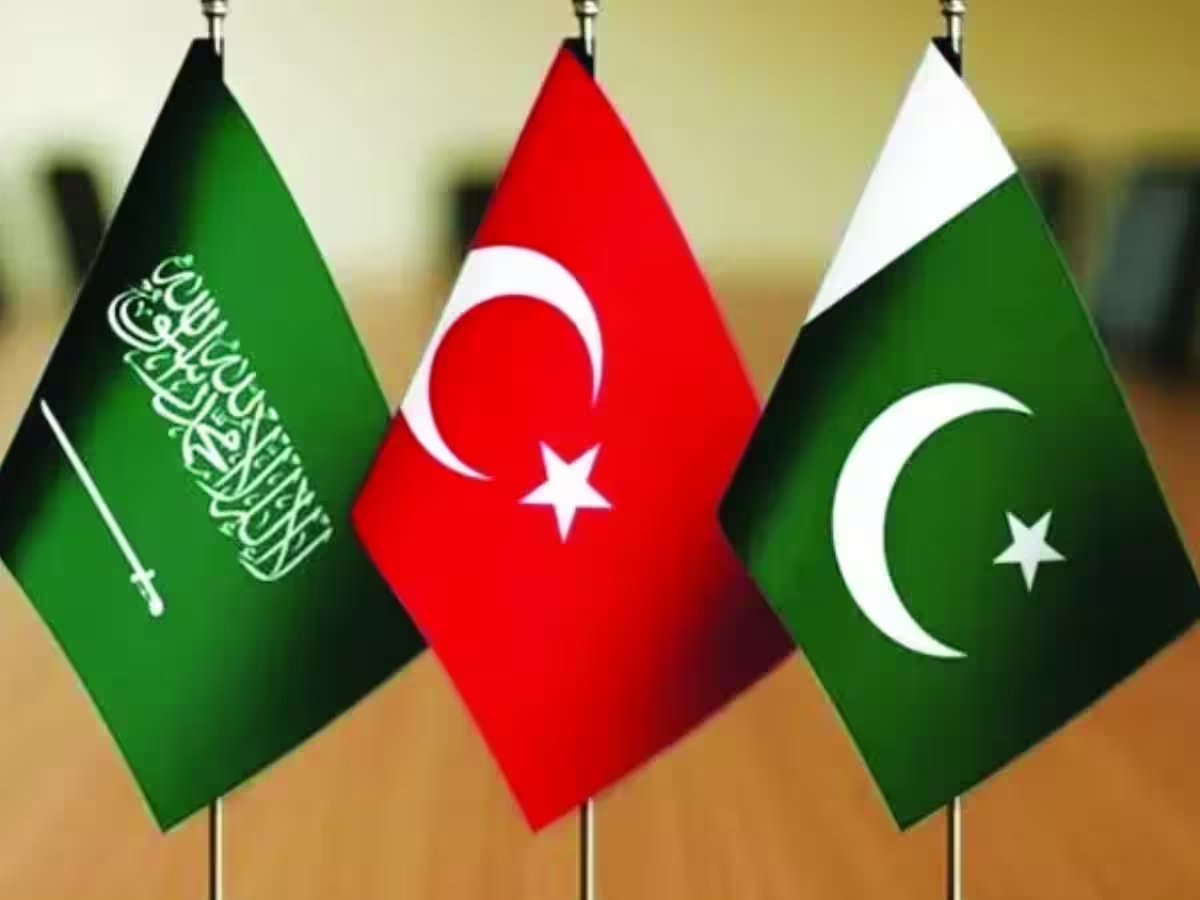
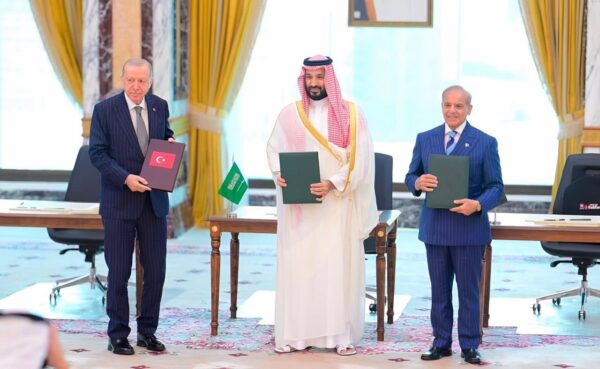
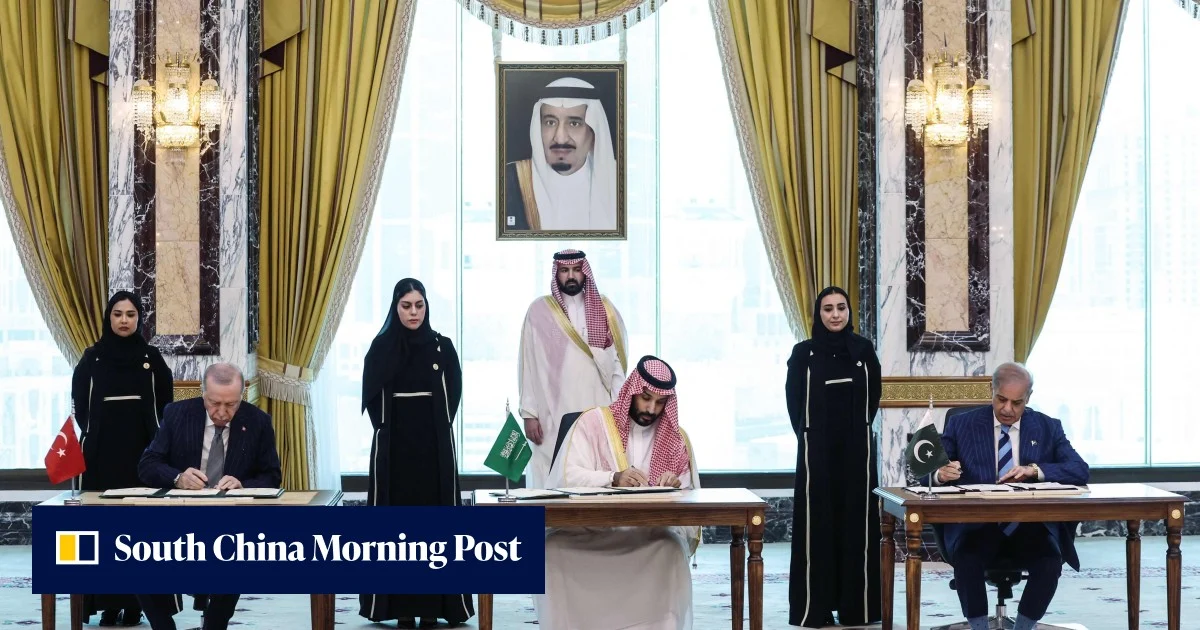
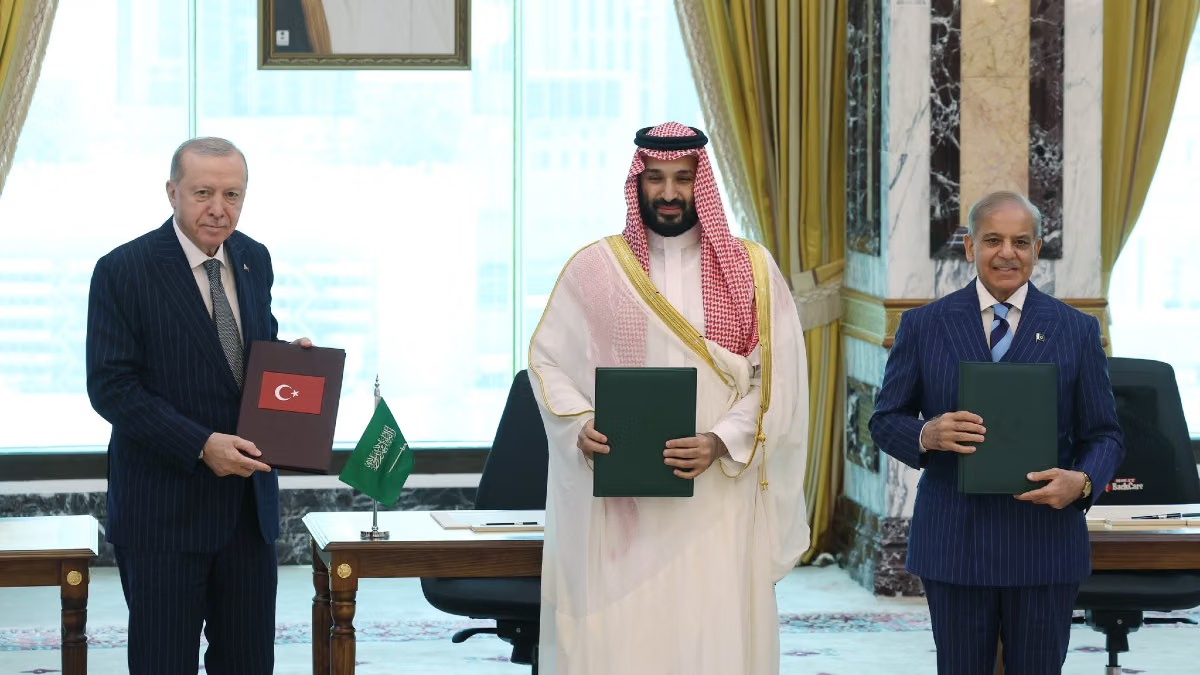
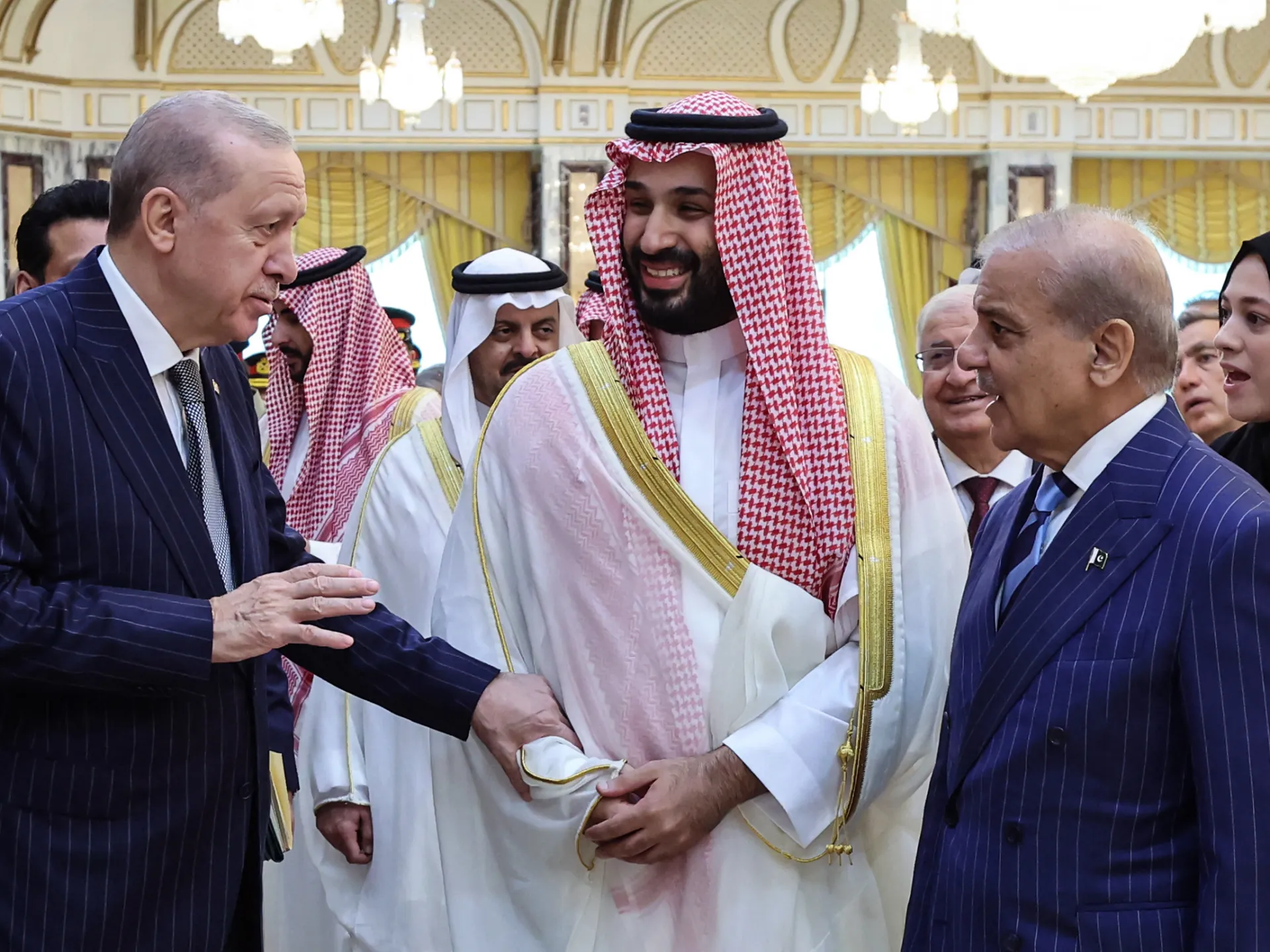
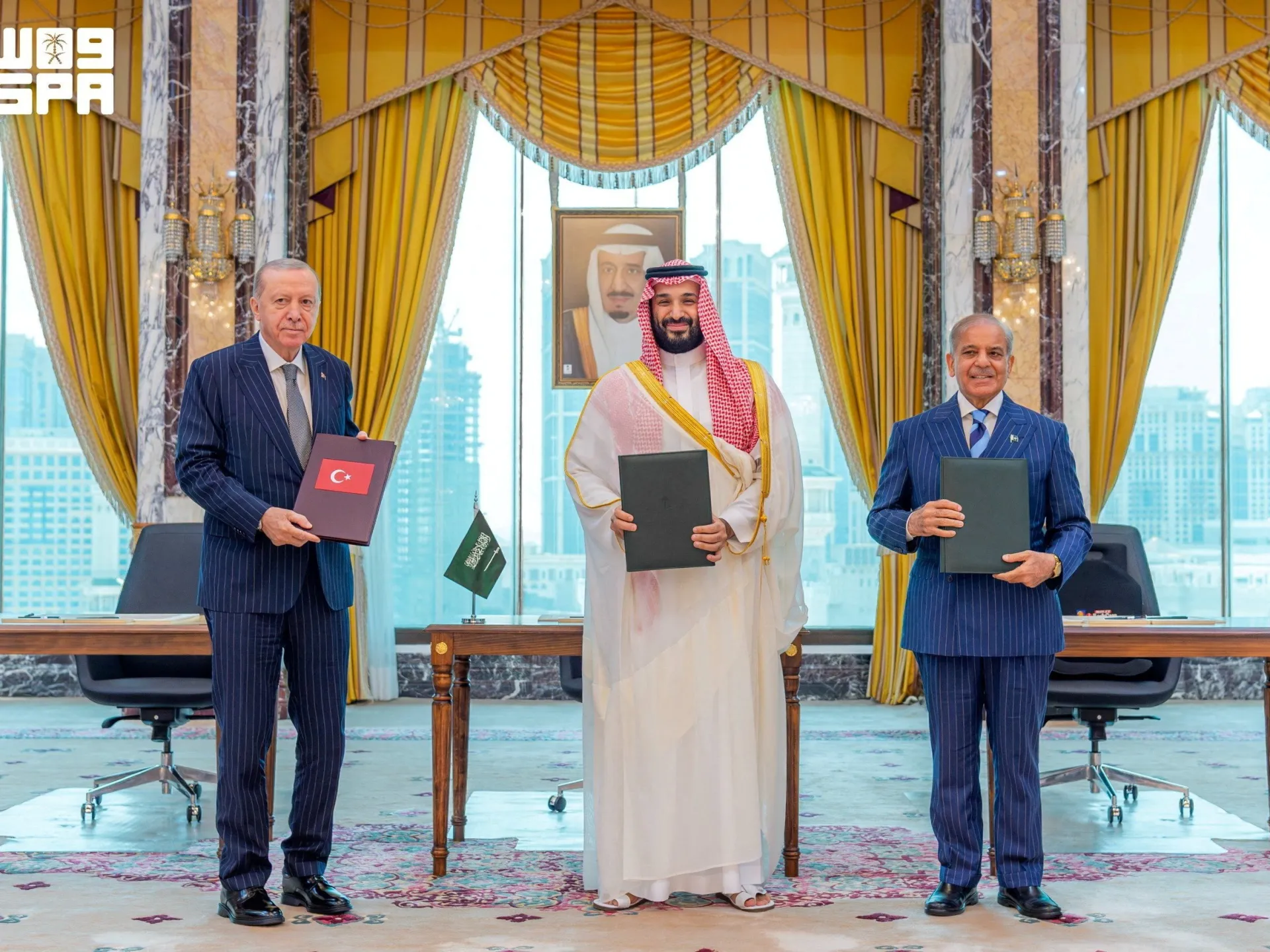
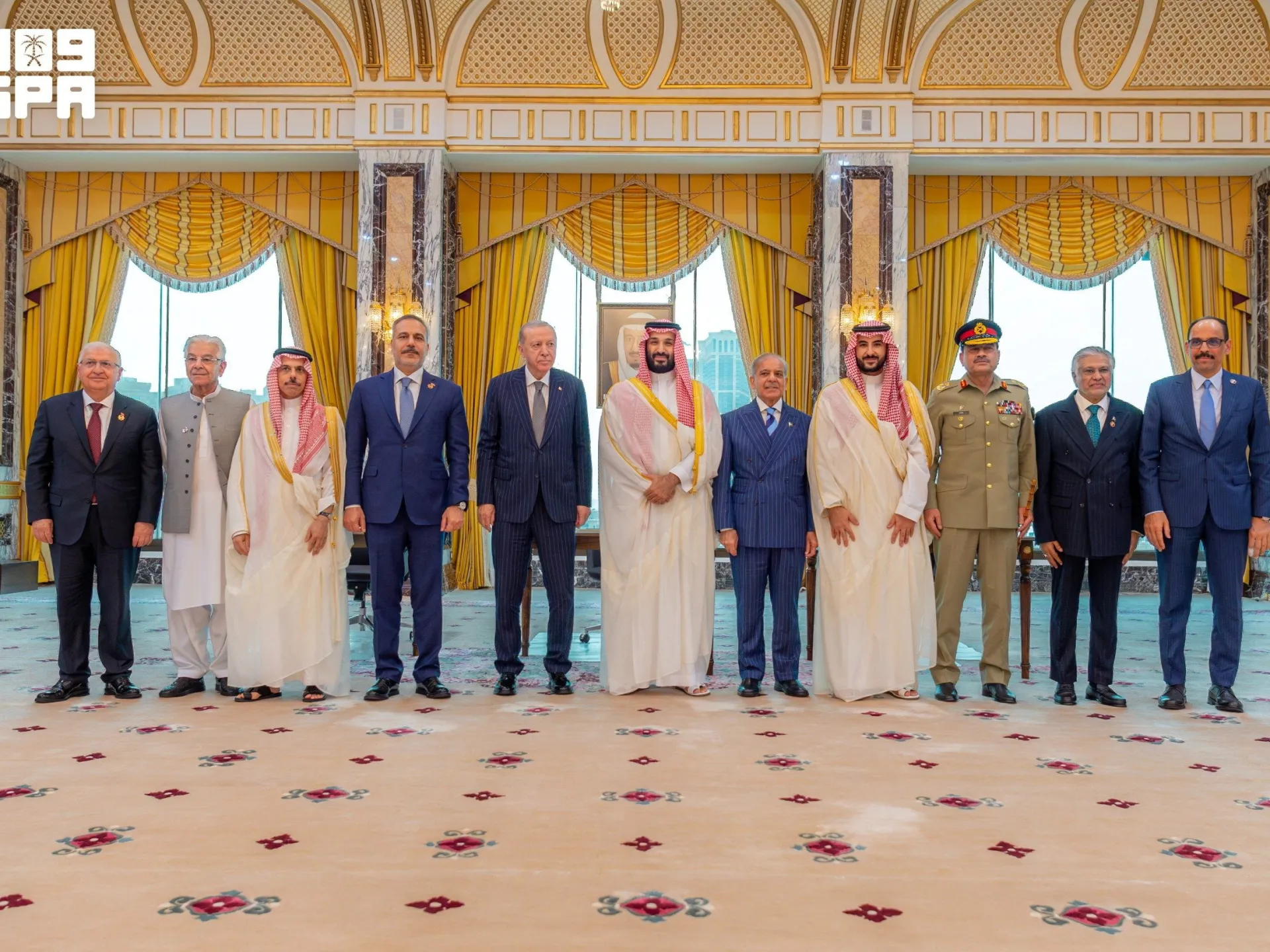
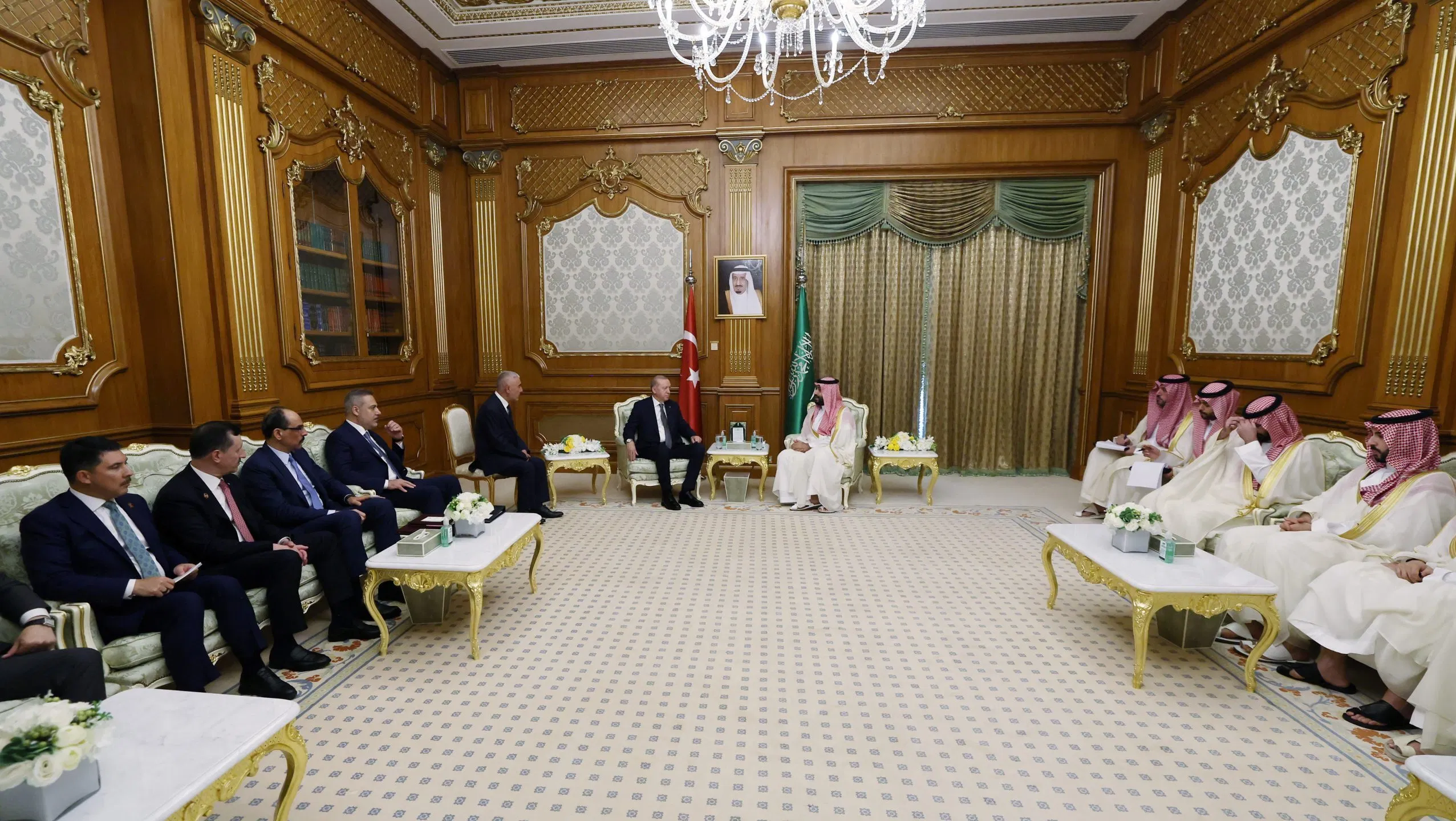
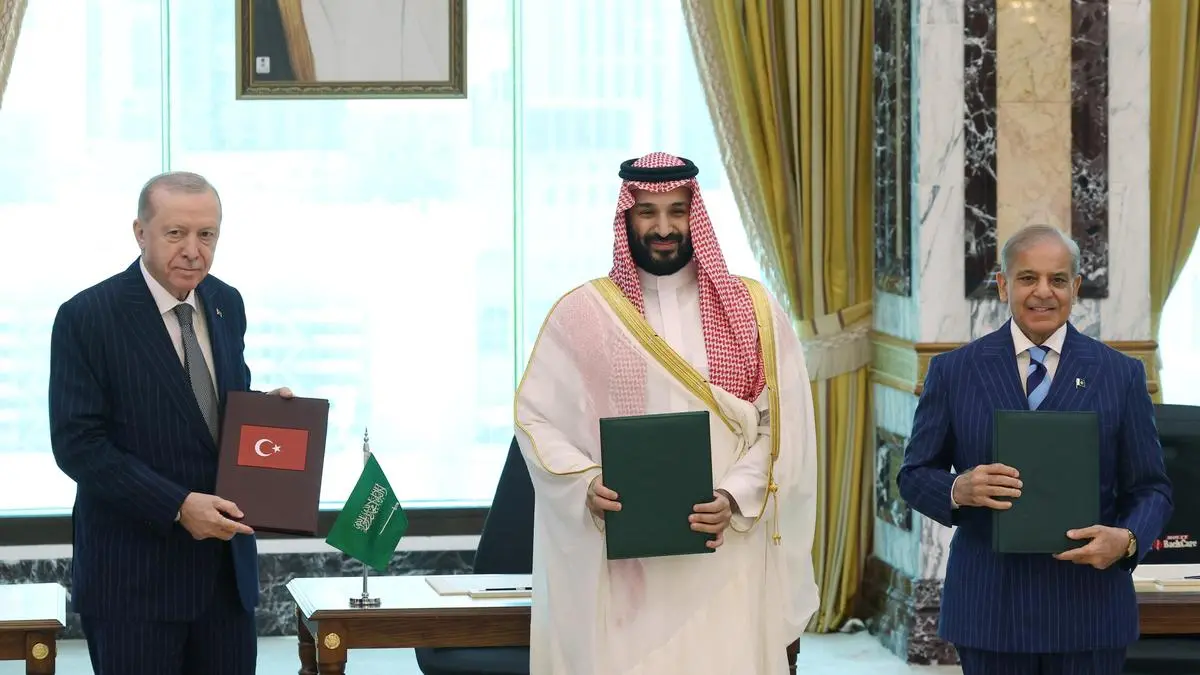
What will the power politics of the Gulf look like six months or a year from now? One near-certainty is the US will no longer be the Great Power manoeuvring regional players to extract maximum advantage for itself.Another likely twist is Pakistan will have achieved a longstanding ambition: it will have nudged much closer to the oil- and cash-rich Middle East on the other side of the Strait of Hormuz.Where does that leave India? India remains an Asian giant, second only to China, and the Gulf powers have enormous interests here. Saudi Arabia, in particular, has billions invested in India in areas like energy and infrastructure. India is also the second-largest buyer of Saudi crude after China, giving Riyadh a powerful reason to hold Delhi close. That could become even more important if China’s transition to electric vehicles and renewable energy begins eating substantially into its imported oil demand.Then there’s the human bridge. Four million Indians live in Saudi Arabia, forming a crucial part of the kingdom’s workforce and sending billions of dollars home in remittances.Saudi Arabia, however, will not be the only power shaping the new Gulf order. Turkiye and Iran will be key players, while Egypt and Pakistan could acquire greater influence. The UAE, armed with immense financial firepower despite its small size, will be in the top tier too, though Abu Dhabi is likely to remain closer to India than many of the other players.Before this new regional order can fully take shape, the US-Iran war will have to reach some conclusion. Donald Trump wants a way out, but Iranian leaders seem to have concluded there’s little point negotiating with a Trump-led US as any agreement could be discarded on a whim. Tehran is also demanding the unconditional release of US-held Iranian assets and compensation for war damage. Trump has countered by saying Iran should pay compensation “for all the people they have killed and gravely wounded with their roadside bombs and many conflicts”.Then there’s Israel. Benjamin Netanyahu has injected more uncertainty by breaking with Trump and rejecting demands Israel withdraw from Gaza and large parts of Lebanon. There are even reports Netanyahu could also order more major strikes against Iran without US backing.Those doubts over whether a lasting peace can be achieved have rattled oil markets once again, a reminder every Gulf tremor can become an economic shock beyond the region. Against this volatile backdrop comes the new three-way Mecca Defence pact between Saudi Arabia, Pakistan and Turkiye. The alliance will have to reconcile some significant contradictions. But its premise is straightforward.Saudi Arabia has the money. Pakistan has nuclear weapons along with one of the Muslim world’s largest and most experienced armed forces. Turkiye has one of the region’s most sophisticated defence industries.That could eventually mean Riyadh bankrolling Pakistan in return for access to ground troops and combat aircraft. Turkiye, meanwhile, can provide sophisticated weaponry ranging from drones and missiles to naval vessels and electronic warfare systems.Fundamental problemIndeed, Turkish military cooperation with Pakistan isn’t new, as Ankara has been strengthening bilateral defence ties for years. Yet there’s a fundamental problem with the Mecca Accord: its members do not share a single clear enemy.Pakistan’s overriding preoccupation remains India. That’s not true of Saudi Arabia or Turkiye, both of which have important economic and strategic reasons to maintain relations with Delhi. Riyadh, in particular, has little interest in being dragged into a South Asian confrontation that threatens its investments, energy trade and millions of Indian expatriate workers.Pakistan’s role in the Iran conflict raises another contradiction. Islamabad has positioned itself as an important intermediary between Washington and Tehran. How does that square with membership of a Saudi-led security arrangement when Saudi Arabia and Iran remain at loggerheads?One answer may simply be that Pakistan’s usefulness as an intermediary is diminishing as Washington and Tehran increasingly deal directly with one another.For India, the more immediate concern is what Saudi involvement might mean during the next India-Pakistan crisis. Riyadh would almost certainly use its leverage in Islamabad to try to halt a conflict quickly, which might sound reassuring. But to some Indian military strategists it is a problem because outside powers could force an early ceasefire before India achieved its military aims.Delhi faces a strategic balancing act. It has no interest in allowing Pakistan to become the Gulf’s indispensable military power, but nor does it want to force Saudi Arabia into choosing between India and Pakistan. Fortunately, India’s enormous economy, its energy purchases, its technological capabilities and its huge diaspora give it formidable cards of its own.Published on August 12, 2026