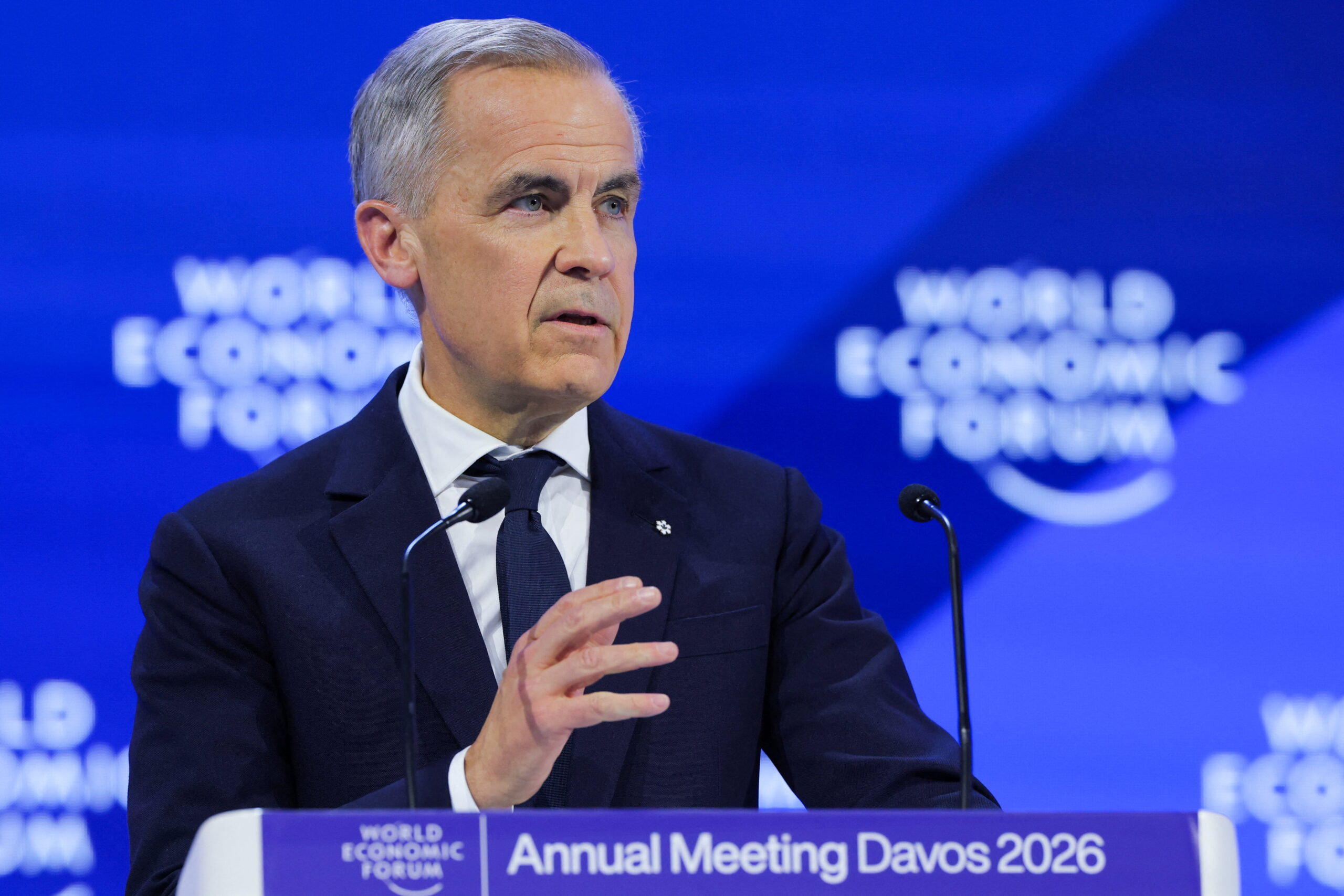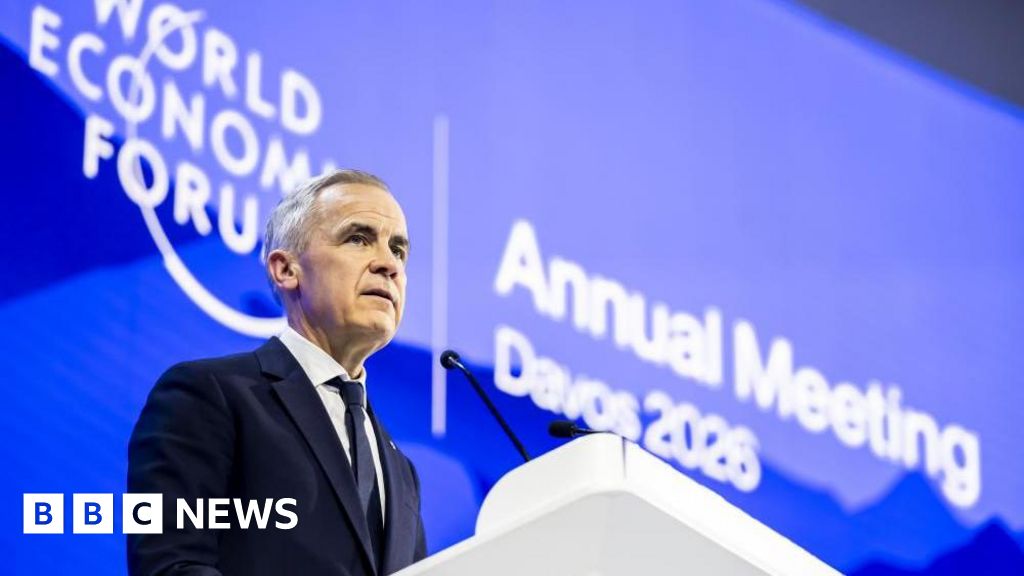
In his landmark speech at the World Economic Forum in January, Canadian Prime Minister Mark Carney called on “middle powers” to jointly invigorate the international system. Such nations, he ventured, “have the capacity to build a new order that encompasses our values, such as respect for human rights, sustainable development, solidarity, sovereignty, and territorial integrity of the various states.” Champions of international order cheered his vision of a unified bloc able to offset great-power competition and counter the bellicose, norm-wrecking U.S. President Donald Trump.
In the ensuing eight months, Carney’s vision for middle powers—countries with notable economic and military strengths that are smaller than the world’s hegemons—has gone unrealized. Due to a confluence of factors, including divergent priorities and limited leverage, these countries have confronted hard truths about their ability to call the shots.
While Carney was right that the U.S. turnabout made cooperation among middle powers more necessary, it has also forced each of them to concentrate, above all, on their own exposure to political upheaval and economic shocks. Efforts to create a new order have been sidelined by the imperative of surviving the old one’s demise.