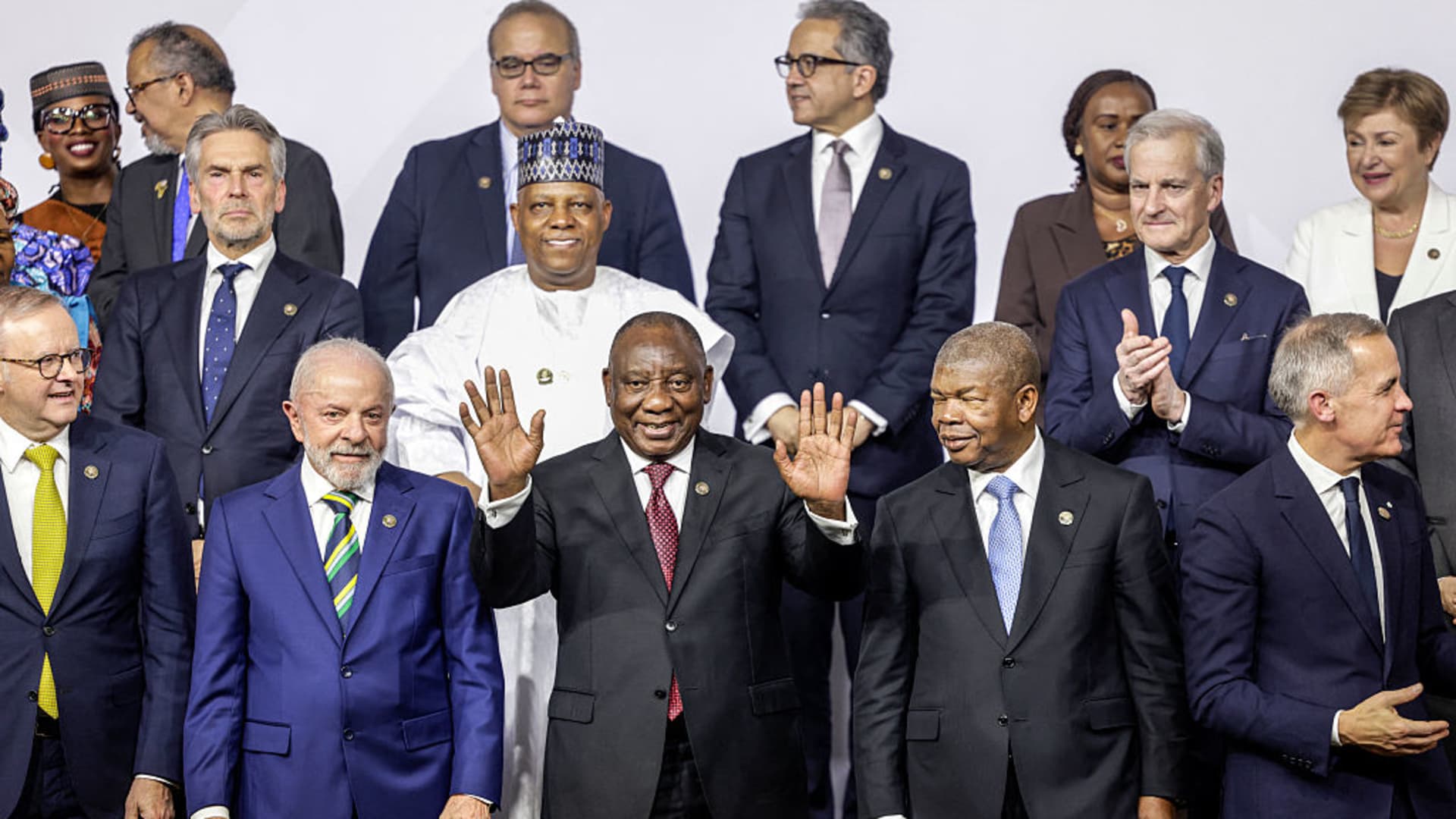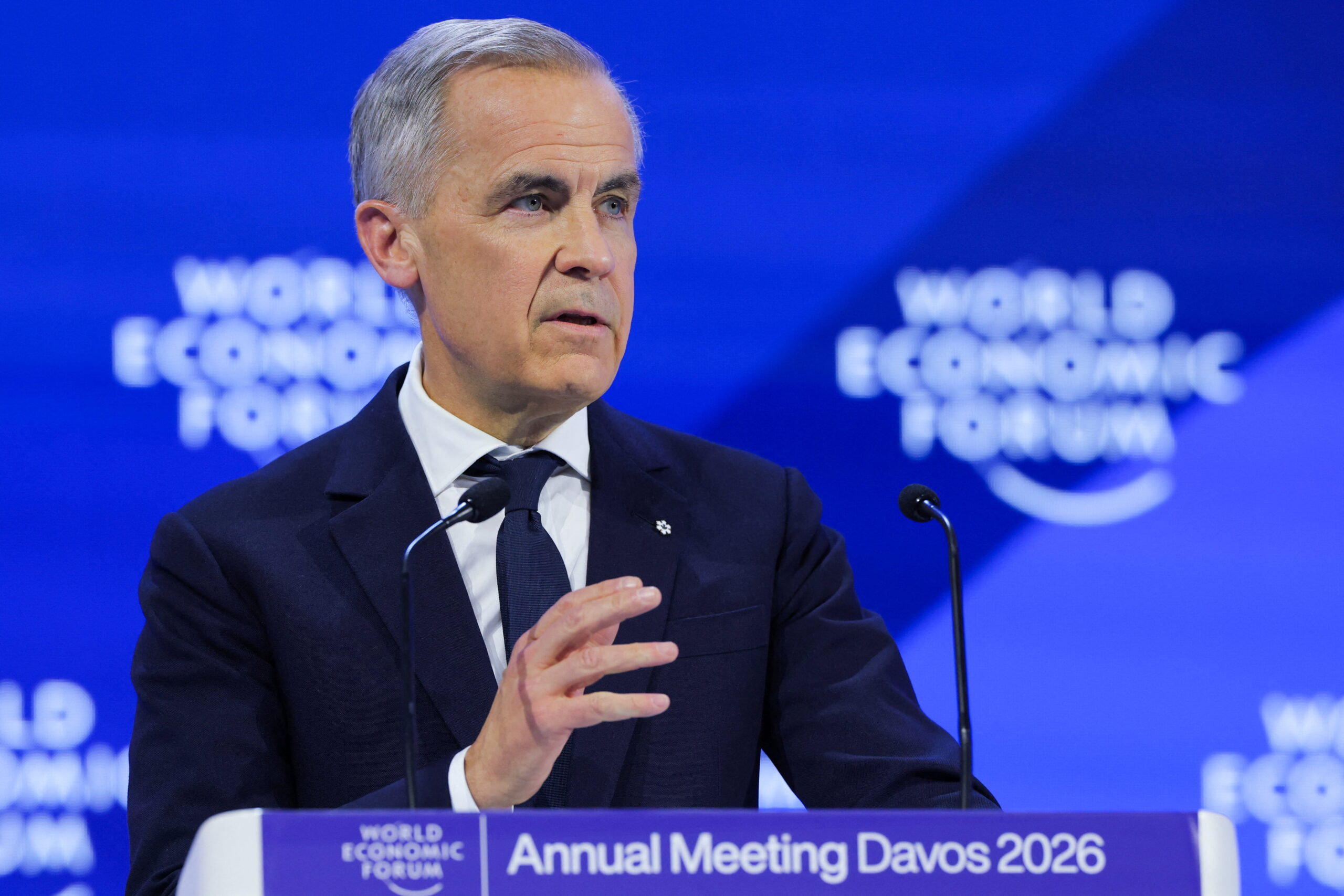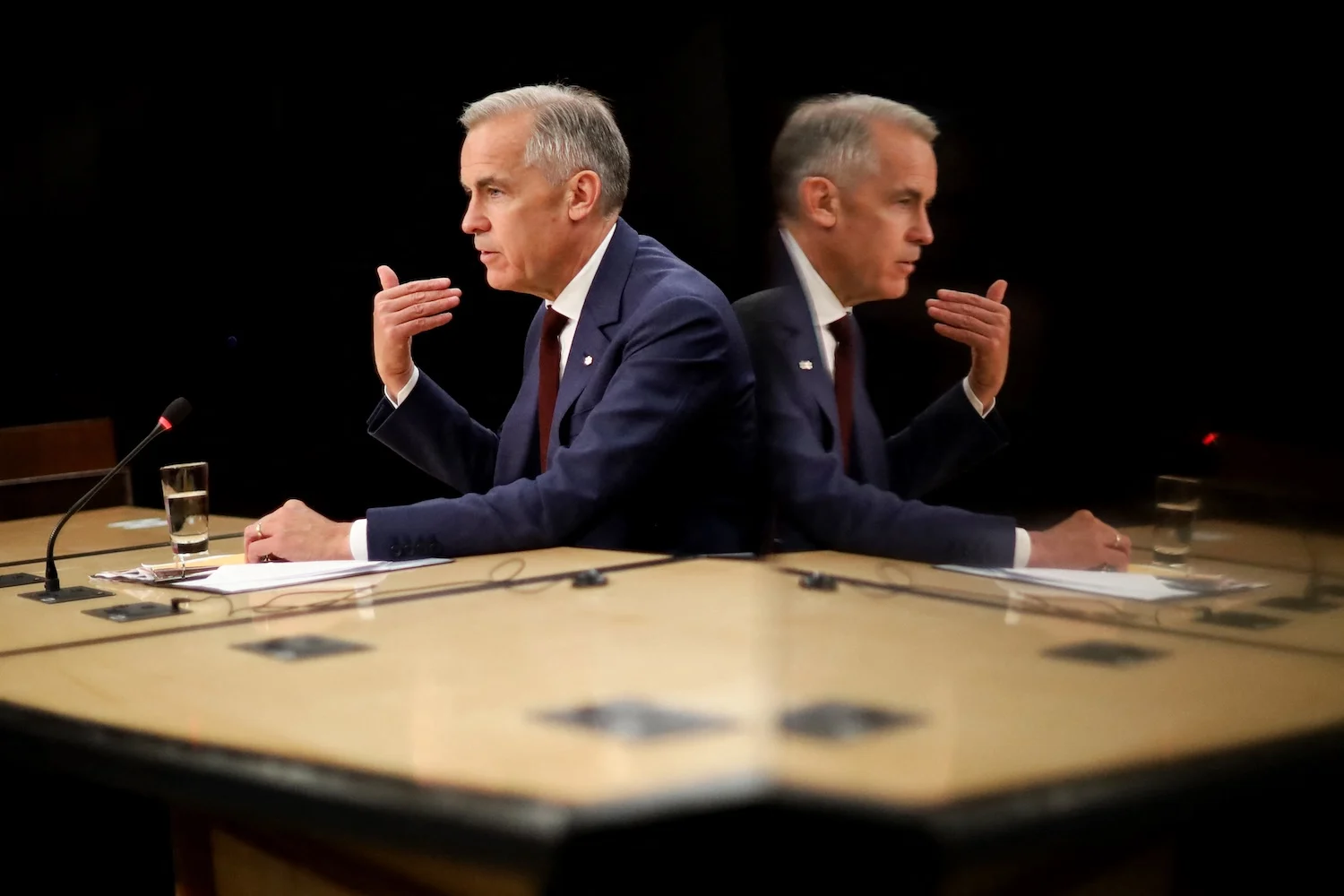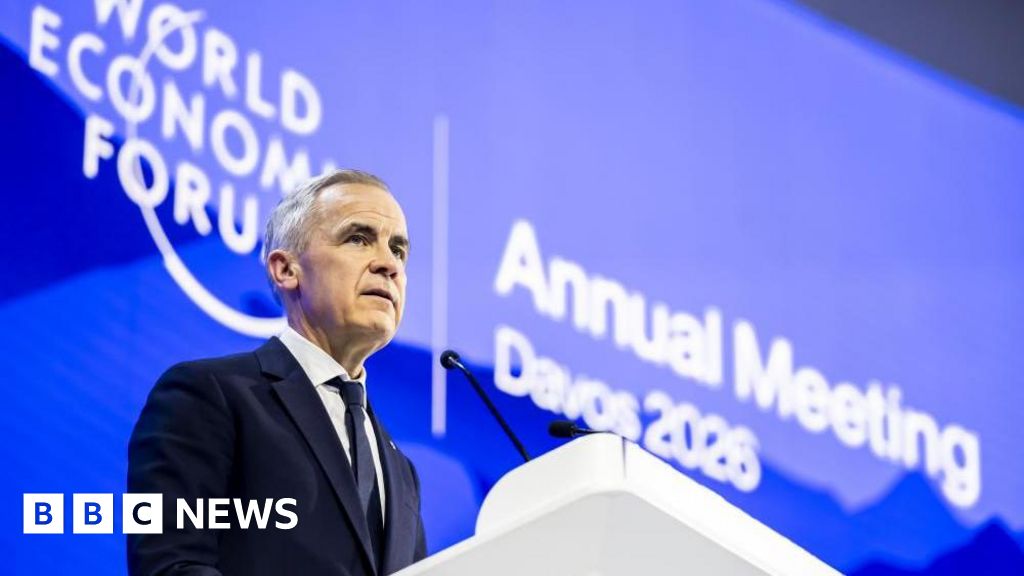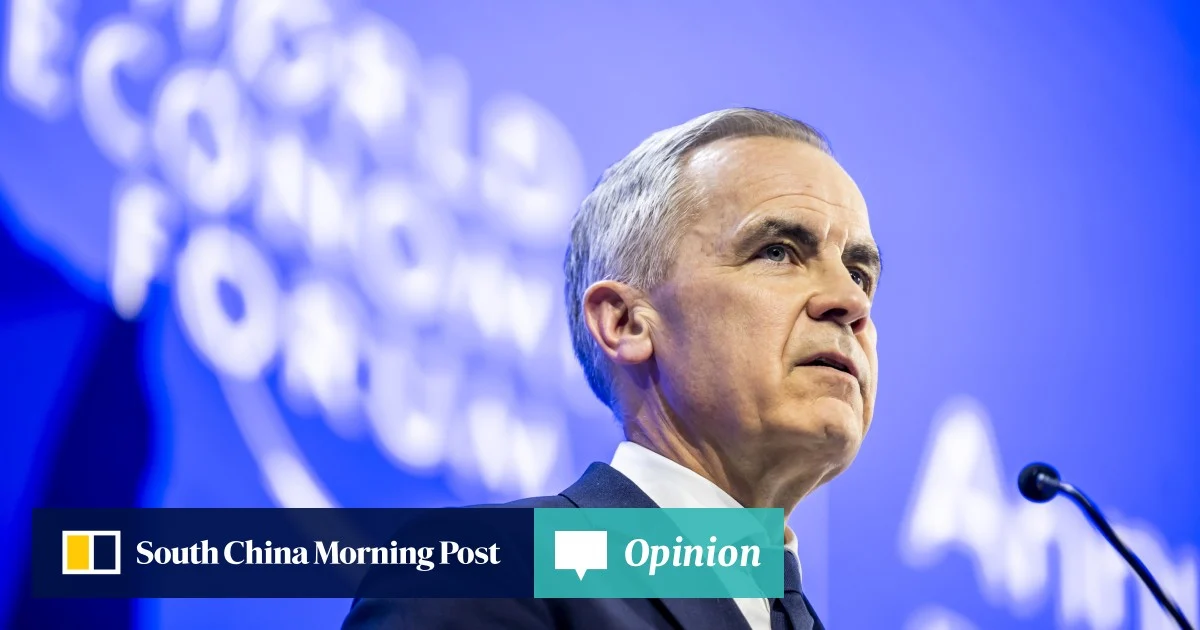
Canadian Prime Minister Mark Carney’s attention-grabbing address to the World Economic Forum at Davos on 20 January 2026 elevated the role of middle power cooperation in pushing back against the breakdown of a rules-based global order and the resurgence of might-is-right statecraft.
Carney called on middle powers to act with more unity, warning that ‘we are in the midst of a rupture, not a transition’. At a time when international rules are being flouted, he called for middle powers to be ‘principled and pragmatic’ and act collectively, because ‘if we’re not at the table, we’re on the menu’.
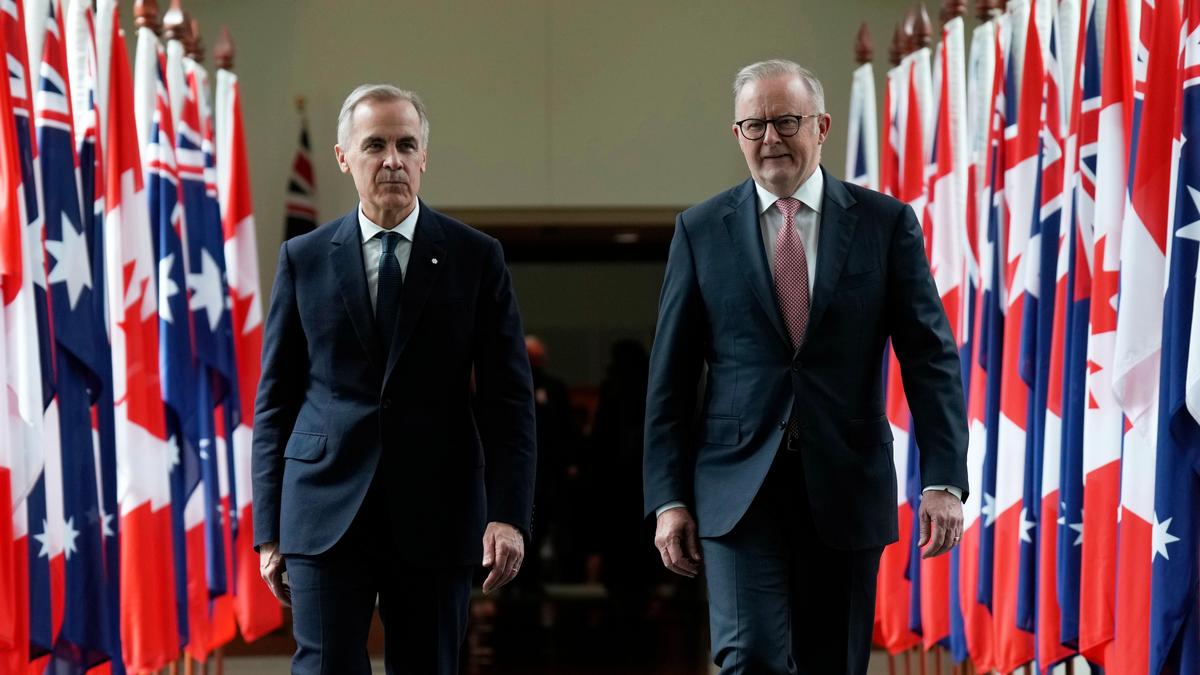
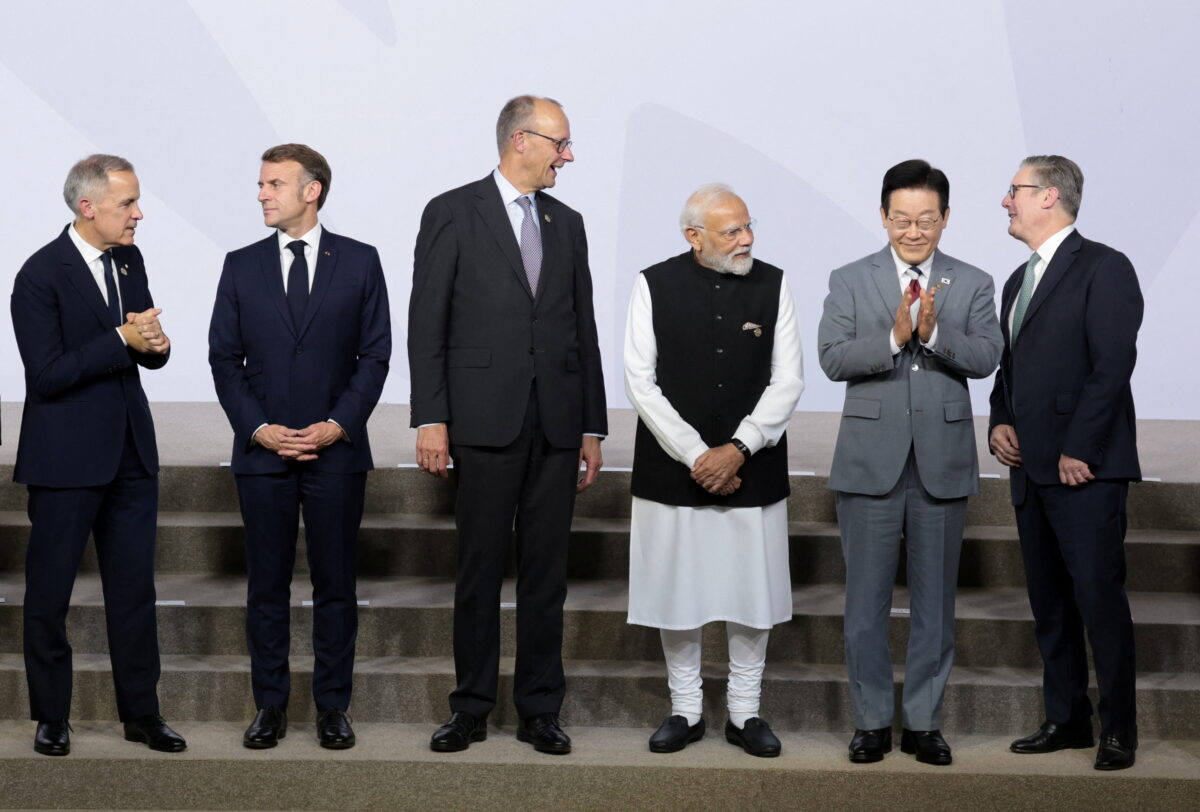
The academic definition of ‘middle powers’ remains contested, but a key notion is distilled in former foreign minister Gareth Evans category of ‘those states which are not economically or militarily big or strong enough to really impose their policy preferences on anyone else’, but who nonetheless are ‘able to make, individually, a significant impact on international relations in a way that is beyond the reach of small states’ by drawing on idiosyncratic economic or military significance, regional or subregional influence, or having the ear of an allied great power. They include Canada in North America, EU member states and Japan, South Korea, Australia, New Zealand and ASEAN nations in the Asia Pacific.