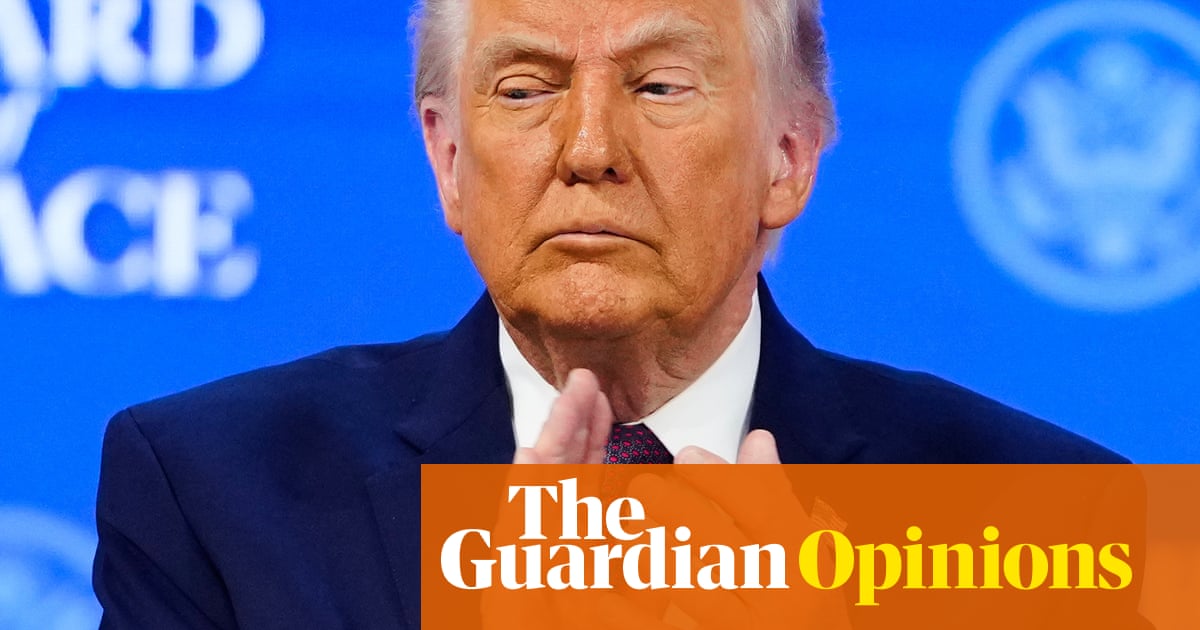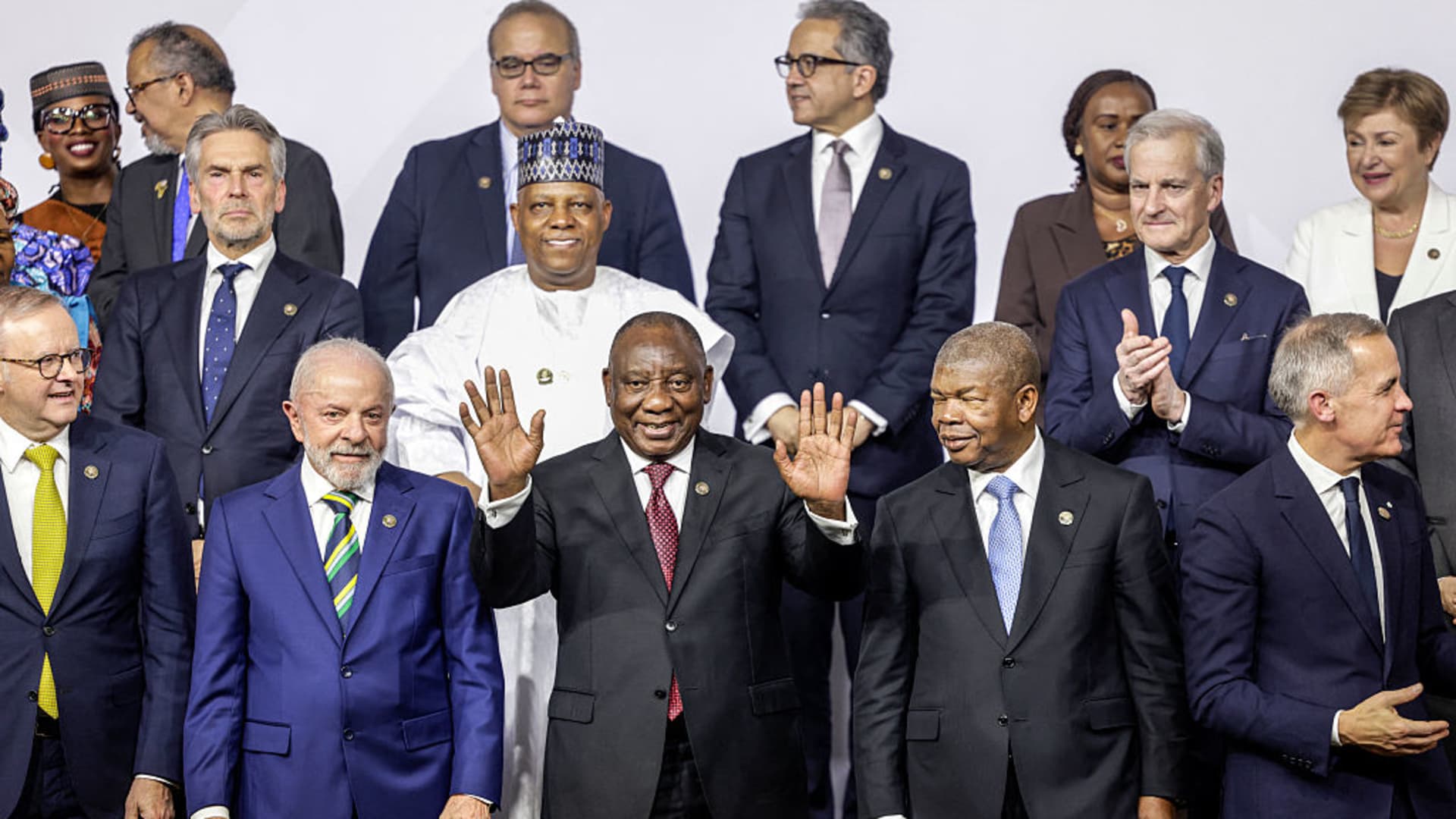
With the resurgence of U.S. dominance in the West and the apparent ripping up of the rules-based international order, some are looking to the world’s “middle powers” as a possible bulwark against increasing unilateralism among global superpowers.
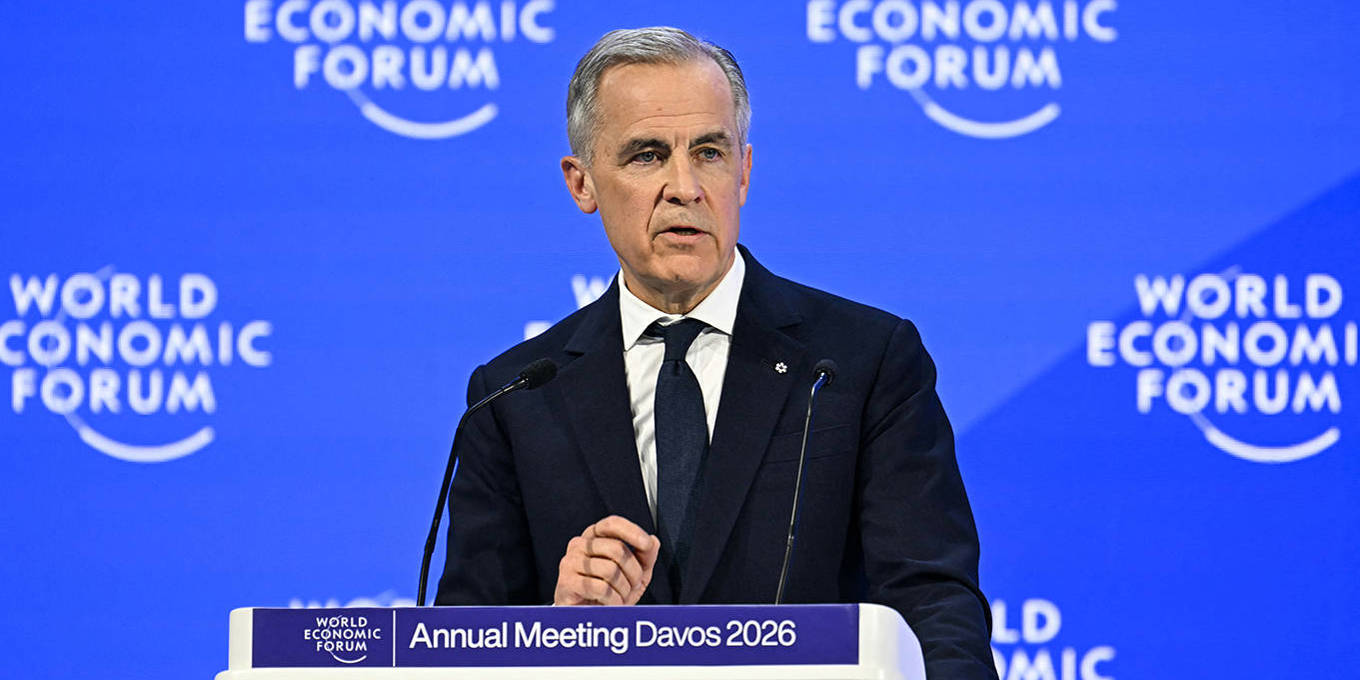
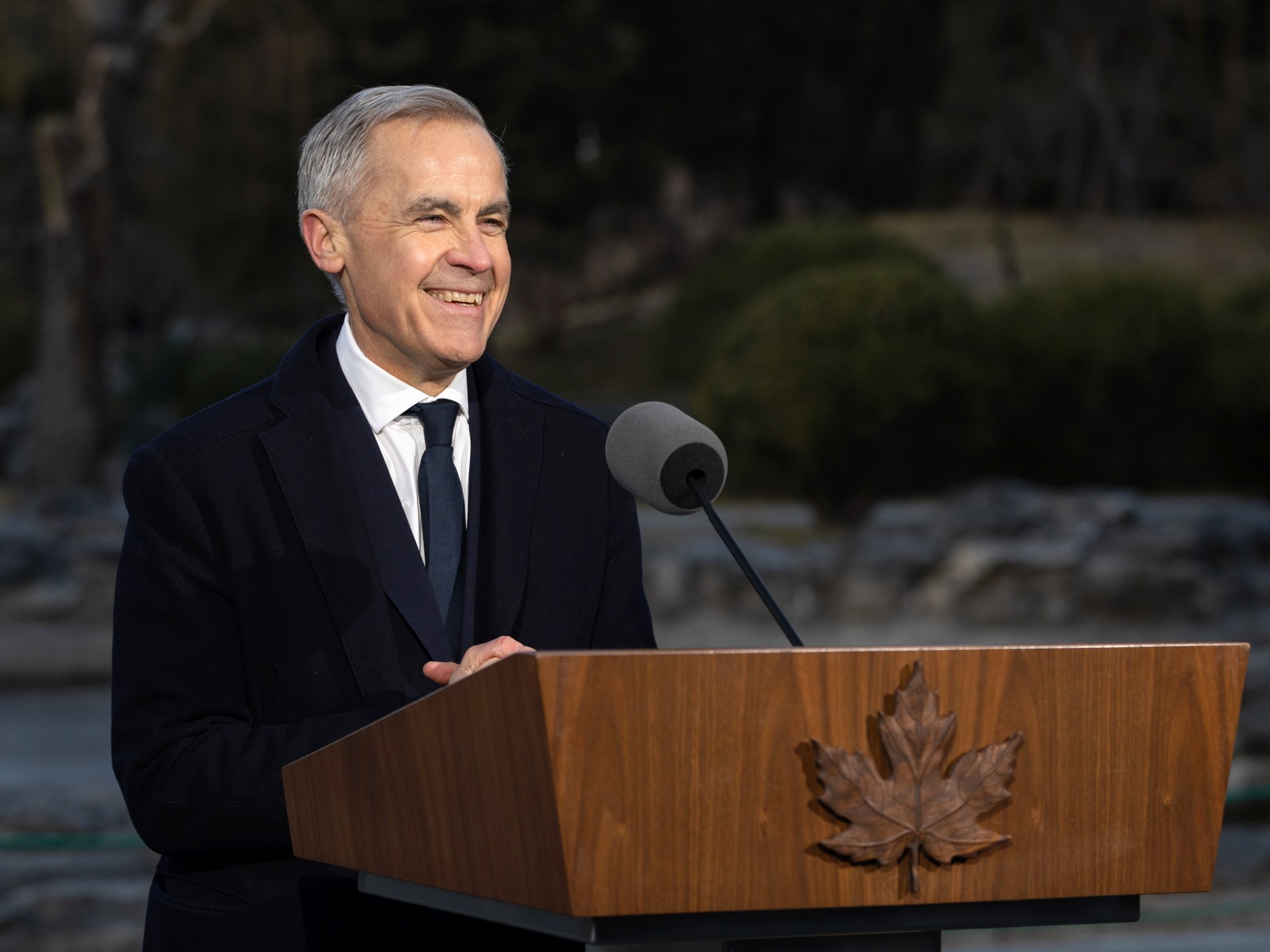
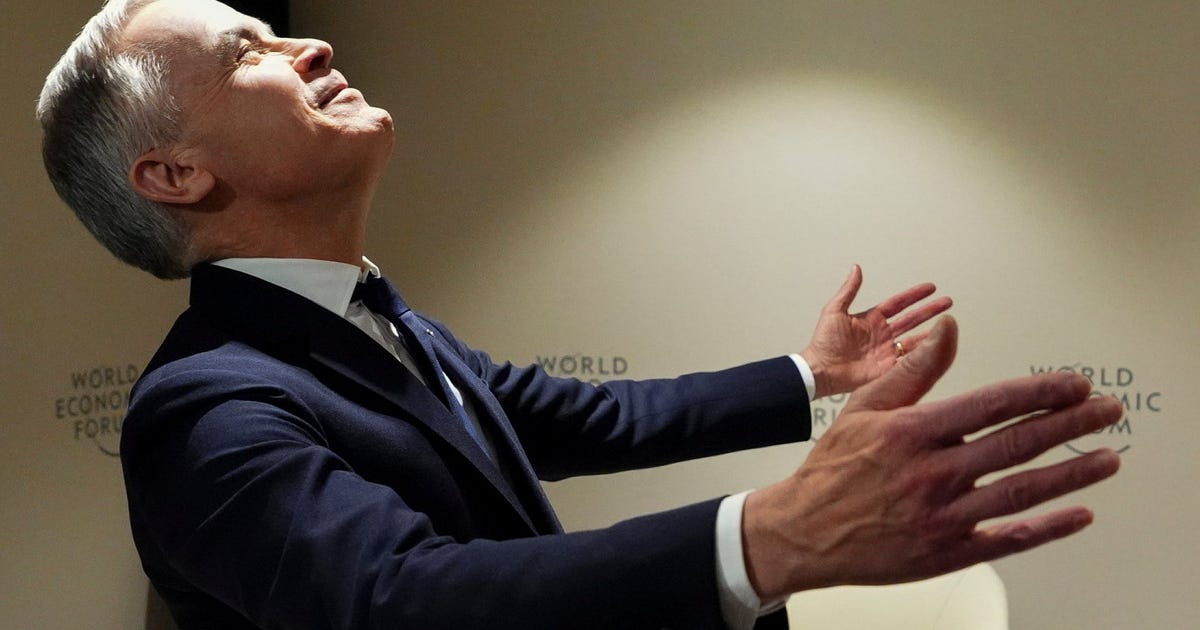
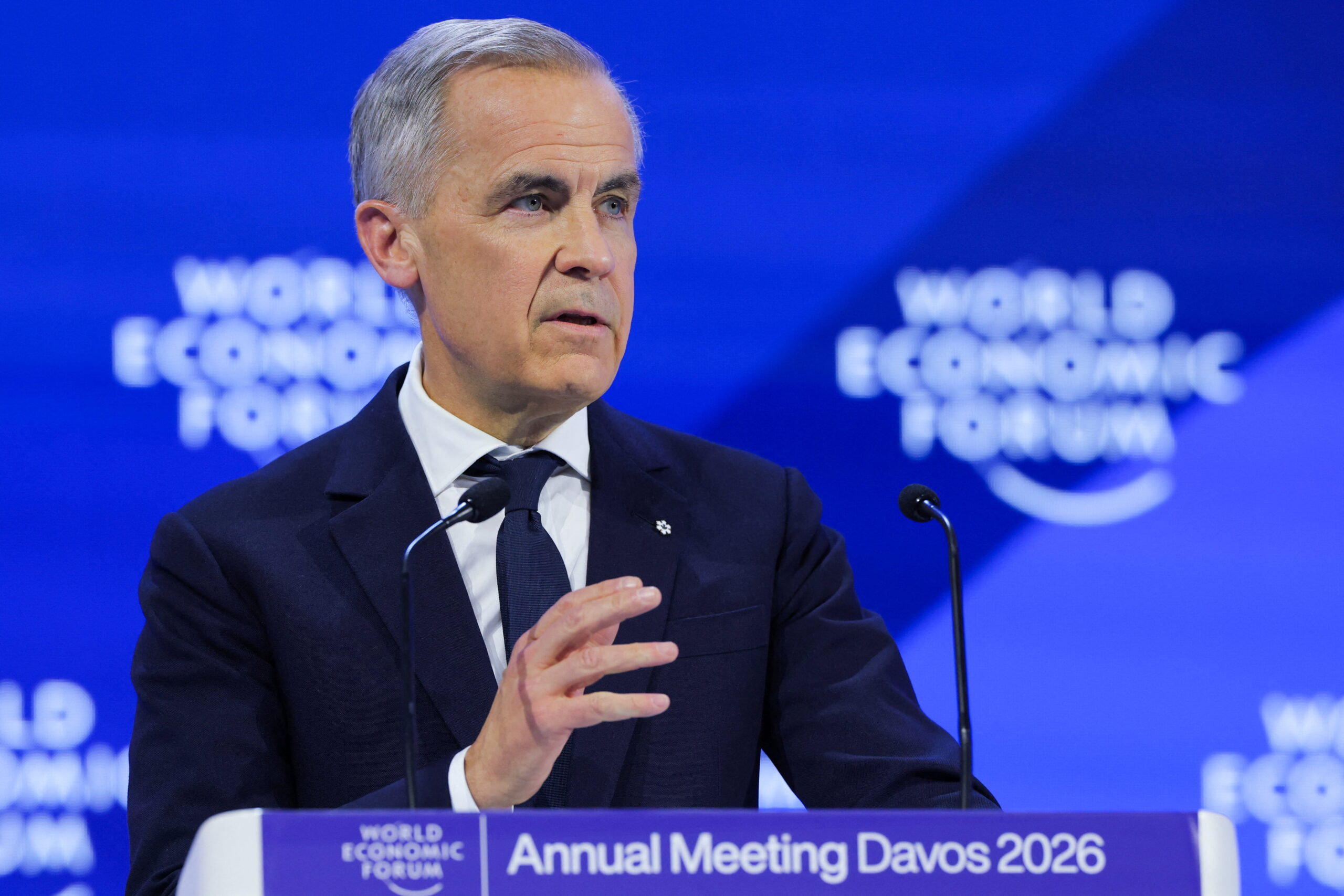
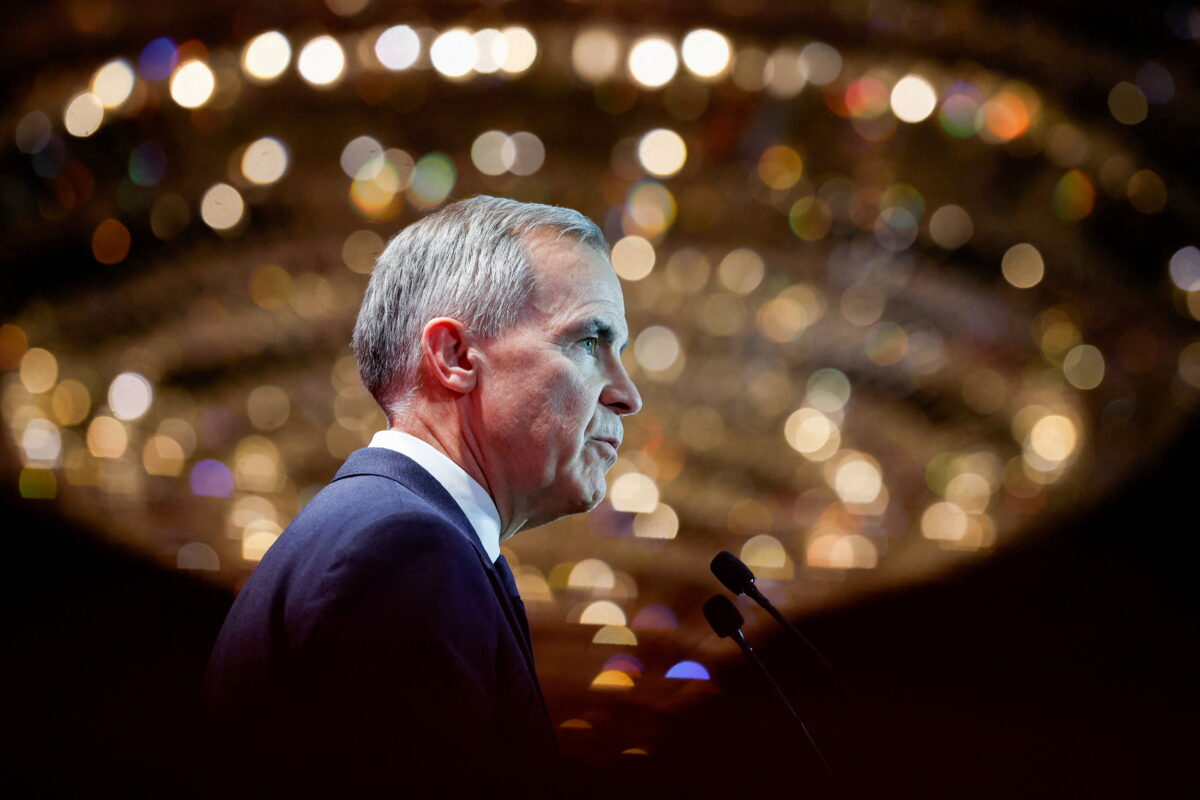
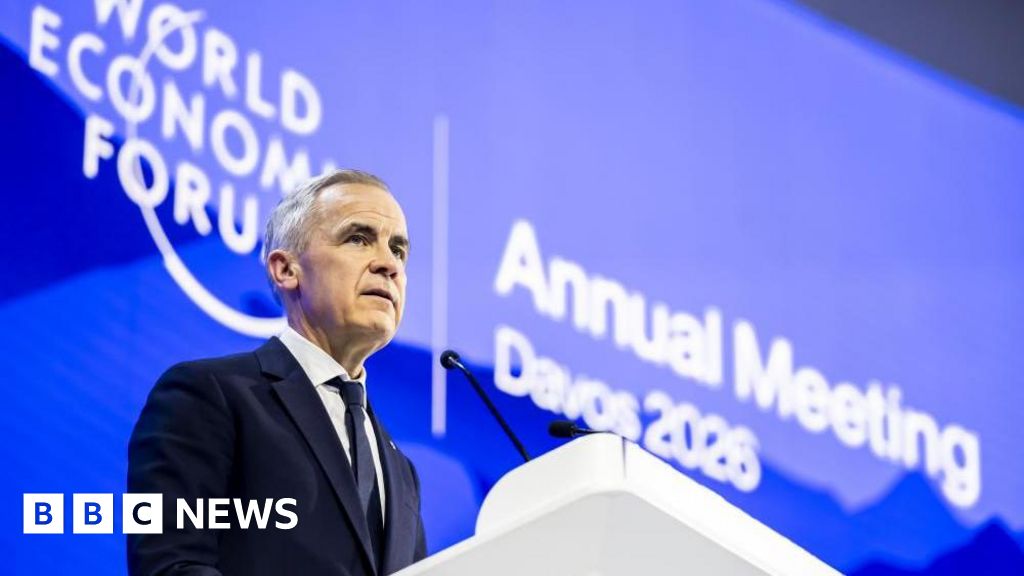
Canada’s Prime Minister Mark Carney lent his voice to this hope last week, telling delegates at the World Economic Forum (WEF) that “middle powers” must work together to counter the rise of hard power, the disintegration of multilateral institutions like the United Nations and World Trade Organization, and to build a more cooperative and peaceful world.
“Great powers can afford, for now, to go it alone. They have the market size, the military capacity and the leverage to dictate terms. Middle powers do not,” Carney told delegates.
“The middle powers must act together, because if we’re not at the table, we’re on the menu,” he warned.
Superpowers have often defined as countries with a permanent seat on the United Nations Security Council, like China, France, Russia, the U.K. and the U.S. However, the world’s only current superpowers of any real consequence are arguably China and the U.S.