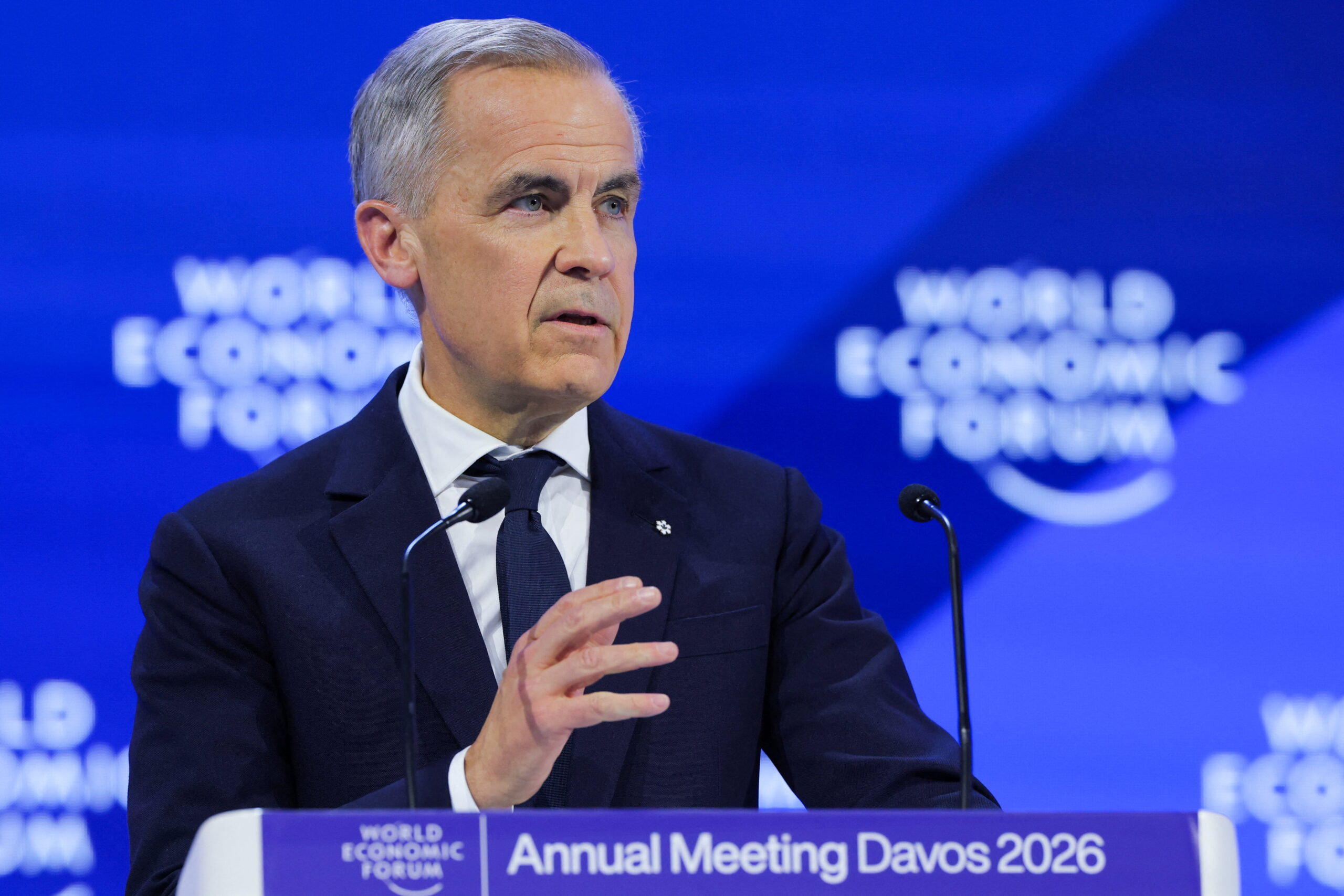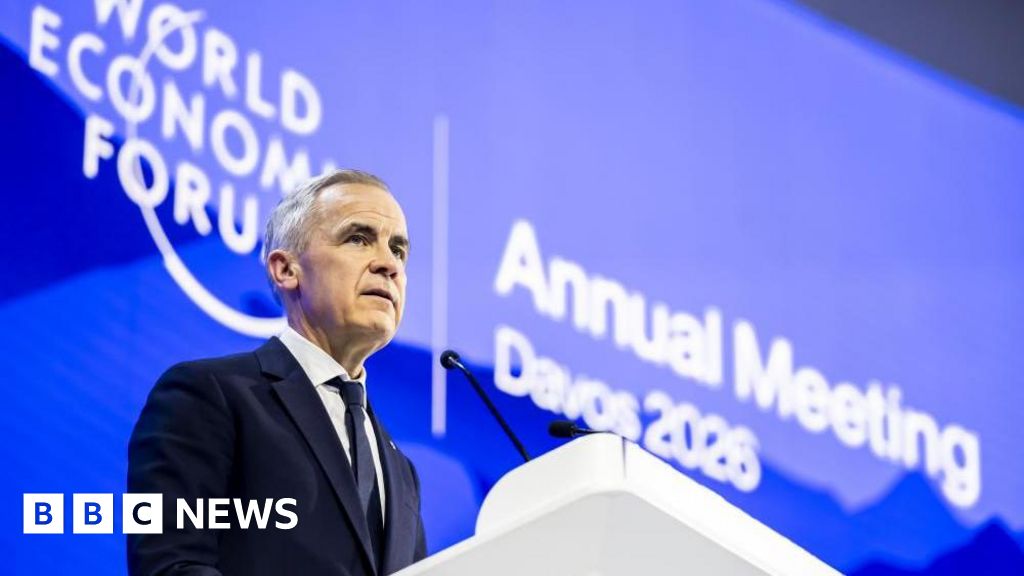
At the January 2026 World Economic Forum annual meeting in Davos, Canadian Prime Minister Mark Carney drew fervent support from the world’s so-called ‘middle powers’ when he called out the ‘lie’ of the rules-based international order and its promise of ‘mutual benefit through integration’. Instead, Carney argued, we were living in a world in which that order had become a fiction and economic integration had become a source of subordination.
In response, Carney said, countries were understandably becoming tempted to pursue ‘autonomy’ in everything from food and finance, to energy, critical minerals and supply chains. But building higher walls and fortresses to protect one’s own autonomy was a self-defeating path. Instead, the world’s middle powers must deepen their interdependence, diversify their economic and strategic partners, and work together to create the institutions and agreements needed to manage global challenges.
The enthusiasm for Carney’s remarks was puzzling for anyone familiar with East Asia. Rather than a novel diagnosis and call to action, they were merely a long-overdue articulation of strategies understood and practiced in East Asia for decades. These strategies have explicitly rejected the idea that autonomy can be achieved through isolation. Instead, Asian states have deepened economic interdependence, diversified their economic and strategic partners, and crafted an open international order to preserve their autonomy.