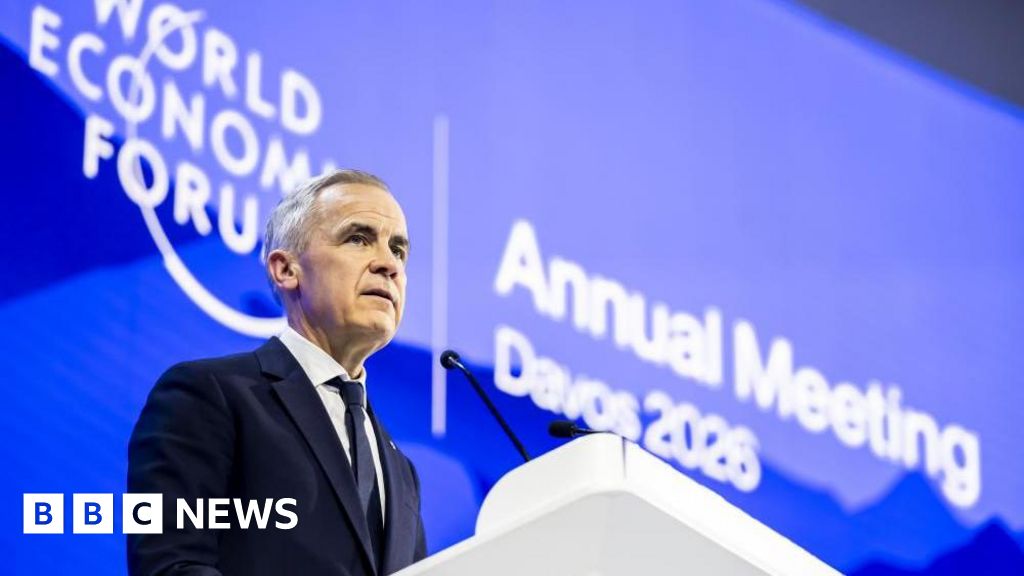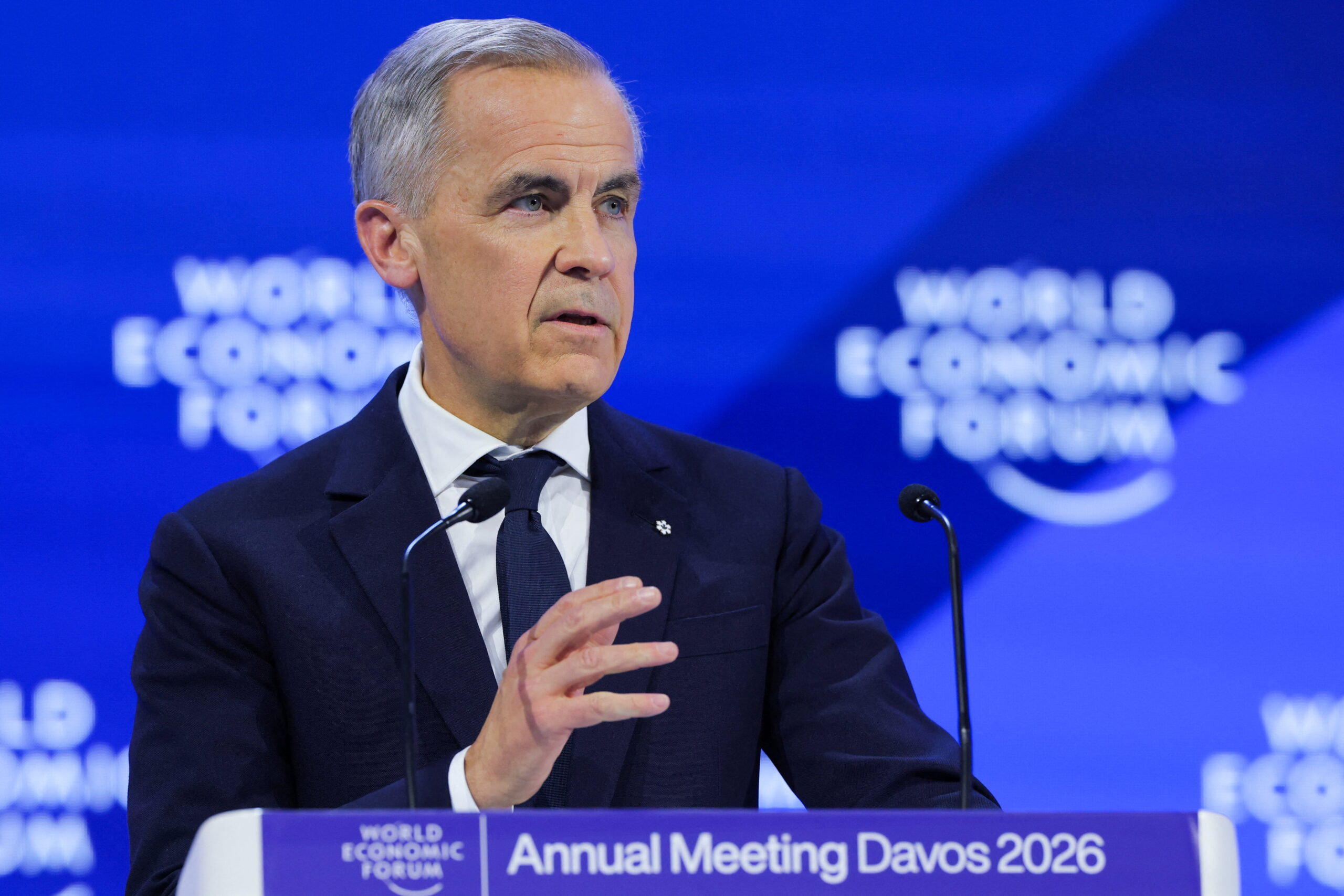
WASHINGTON—In his headline-making Davos speech in January, Canadian Prime Minister Mark Carney pointed to a “rupture in the world order,” calling upon middle powers to band together and create a new multilateral system that would ensure their security and prosperity.
The rupture that Carney spoke of is real. But middle-power multilateralism remains an aspiration rather than an achievable reality.
Today, amid so much global tumult, middle powers find themselves caught between hegemons that they increasingly view as untrustworthy and unreliable. They have also realized that they are participating in a global system that no longer prioritizes the values-based foreign policy that many middle powers have espoused for years. Yet as global challenges mount, these middle powers will almost certainly continue to partner both with the United States and China, two hegemonic powers seen as unreliable. Thus, they will be unable to reconstruct the conditions that made values-based multilateralism viable.
Washington went its own way
In large part, Carney’s speech was a response to Canada’s neighbor to the south. Since the start of his second term, US President Donald Trump has discussed withdrawing from NATO, threatened tariffs on long-standing allies, and mused about the annexation of Canada and Greenland. These actions have shattered any illusions that the rules- and values-based international order would continue in its current form. Additionally, Trump slashed foreign aid funding and withdrew from dozens of international organizations and United Nations (UN) agencies, as Washington set about redefining the US role abroad and in the world’s security architecture.