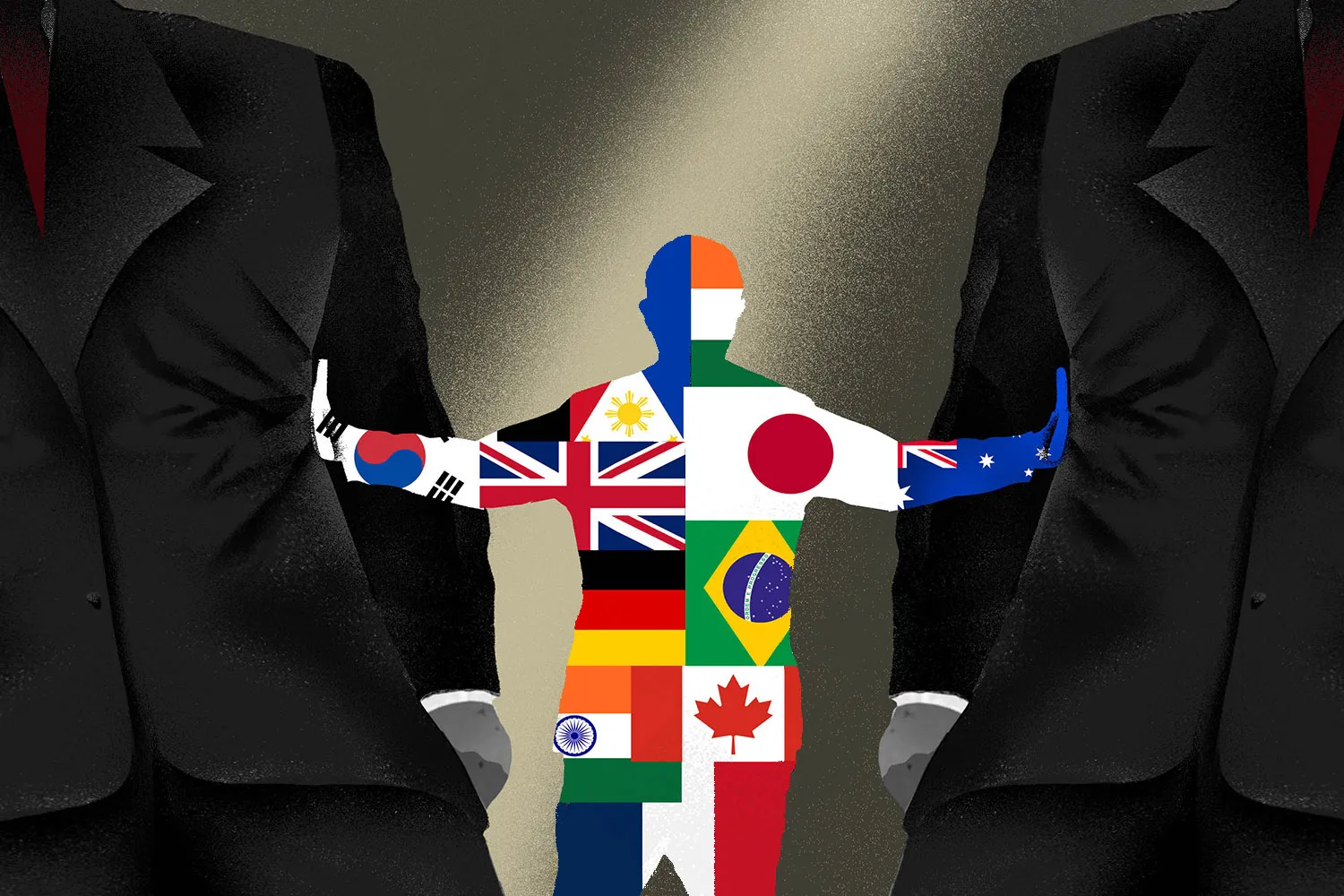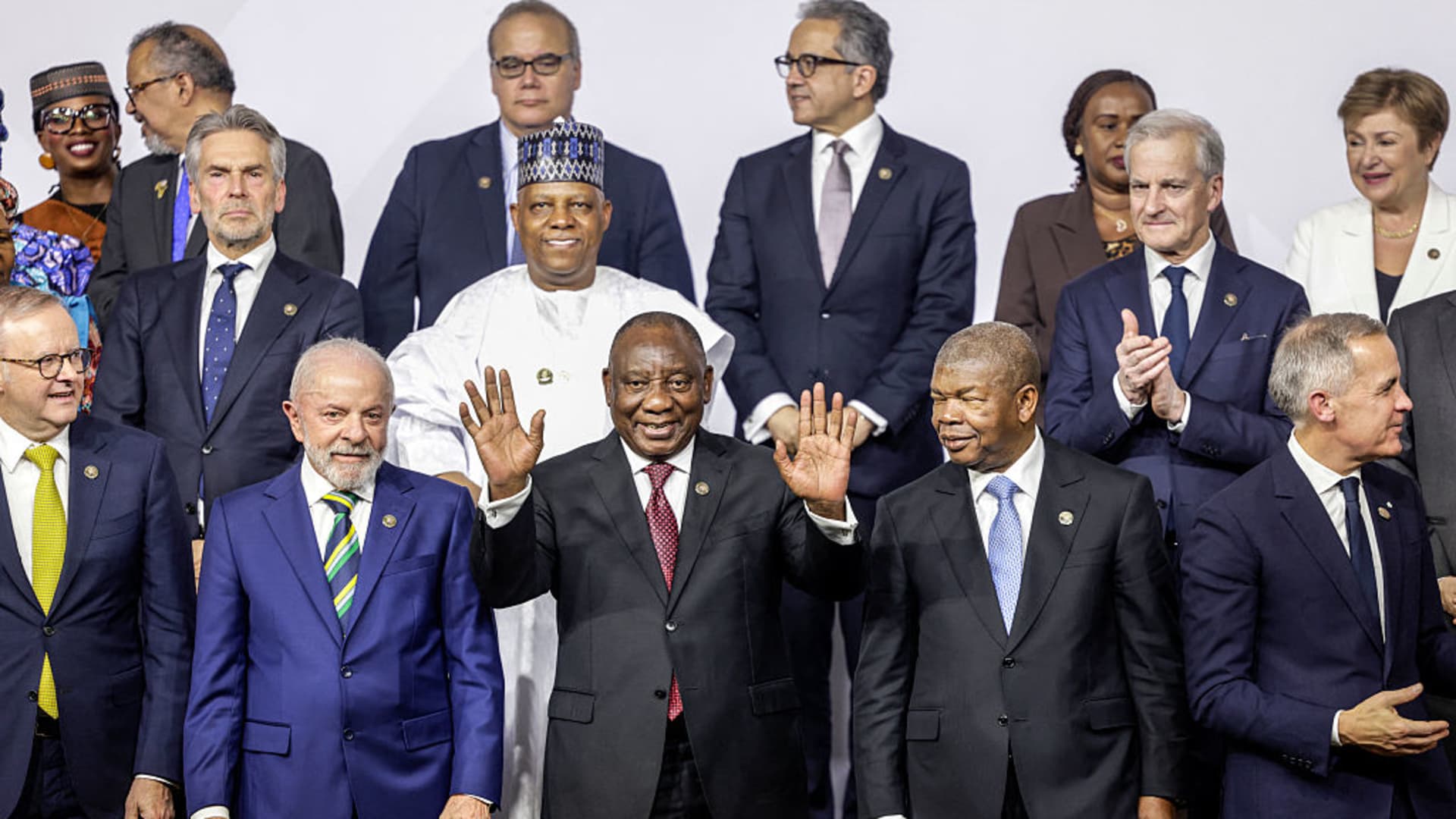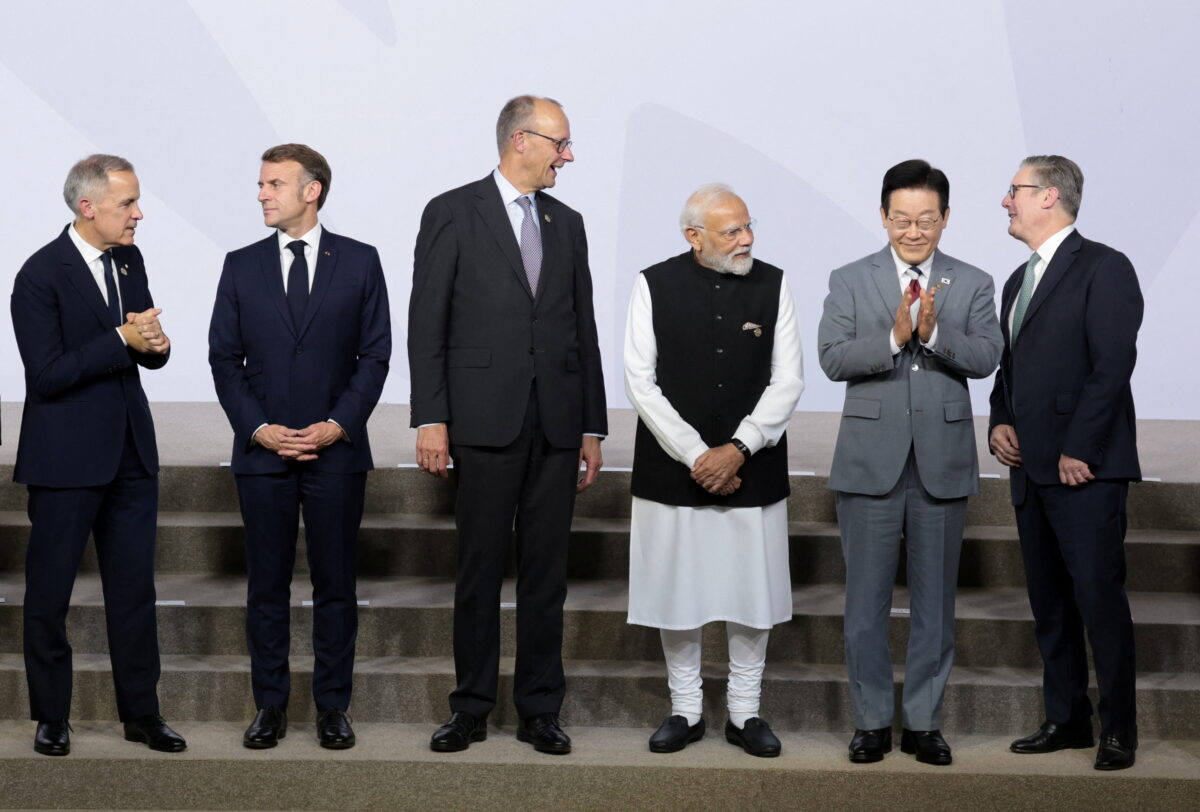
The international role of middle powers is attracting renewed attention as the three great powers — the United States, China and Russia — continue to move decisively towards unilateral, power-driven diplomacy.
These three powers have openly pursued control of their own spheres of influence. US President Donald Trump’s administrations, have advanced an ‘America First’ agenda aimed at preserving US predominance in the Western Hemisphere. Russia, under President Vladimir Putin, annexed Crimea in 2014 and launched a military invasion of Ukraine in 2022. In China, the consolidation of power under President Xi Jinping since 2012 has been accompanied by an expansion of the country’s maritime presence from the South and East China Seas into the Western Pacific.
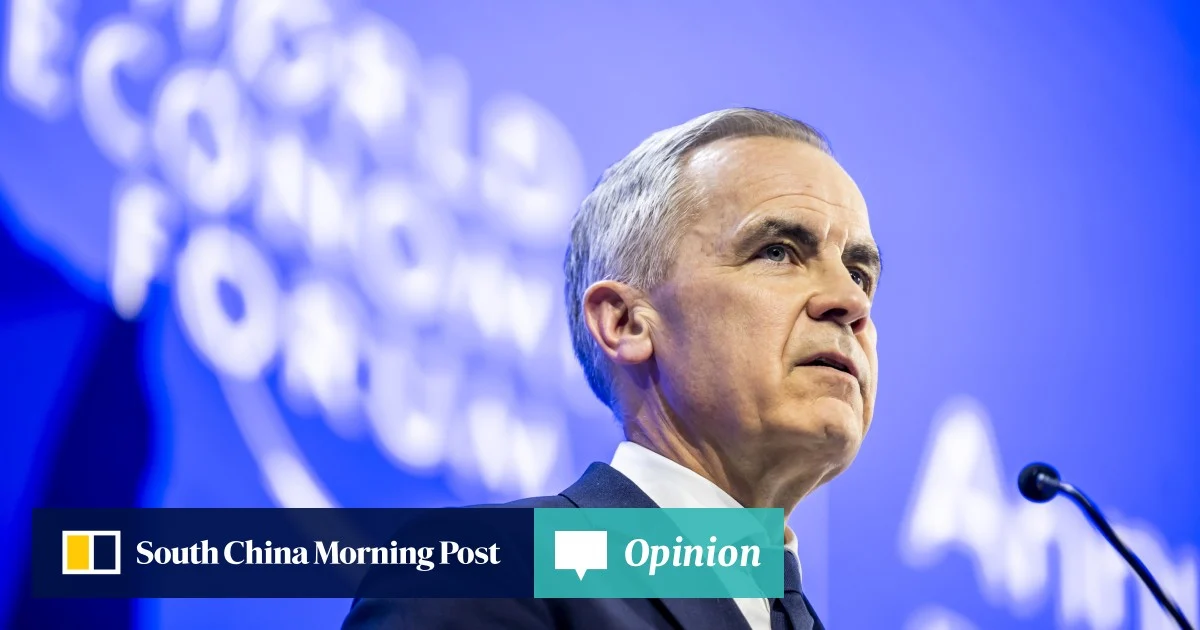
Each power shows little interest in upholding the rules-based liberal international order. Against this backdrop, attention has turned to the role of middle powers. At the World Economic Forum in Davos on 20 January 2026, Canadian Prime Minister Mark Carney called on middle powers to act with greater unity, warning that ‘we are in the midst of a rupture, not a transition’. At a time when international rules are eroding, he argued that middle powers must be ‘principled and pragmatic’ and need to act collectively, because ‘if we’re not at the table, we’re on the menu’.