Middle powers can — and likely will — maintain and improve the rules-based trading system. The question is how they should seek to do so.
The right path is to uphold the principles of non-discrimination and openness that have guided the postwar trading system since its creation. This is the path that will allow the greatest policy certainty, provide scope for cooperation on the widest range of issues and avert a descent into two closed economic blocs.
Those principles were a foundation for the postwar trading system not to achieve untrammelled free trade, but to reflect a wartime conviction that economic exclusion would endanger any lasting peace. The Atlantic Charter of 1941 and allied mutual assistance agreements echoed the understanding that without non-discriminatory access to trade and raw materials, global security would remain at risk. Non-discrimination was necessary to turn a patchwork of plurilateral bargains into a public good.
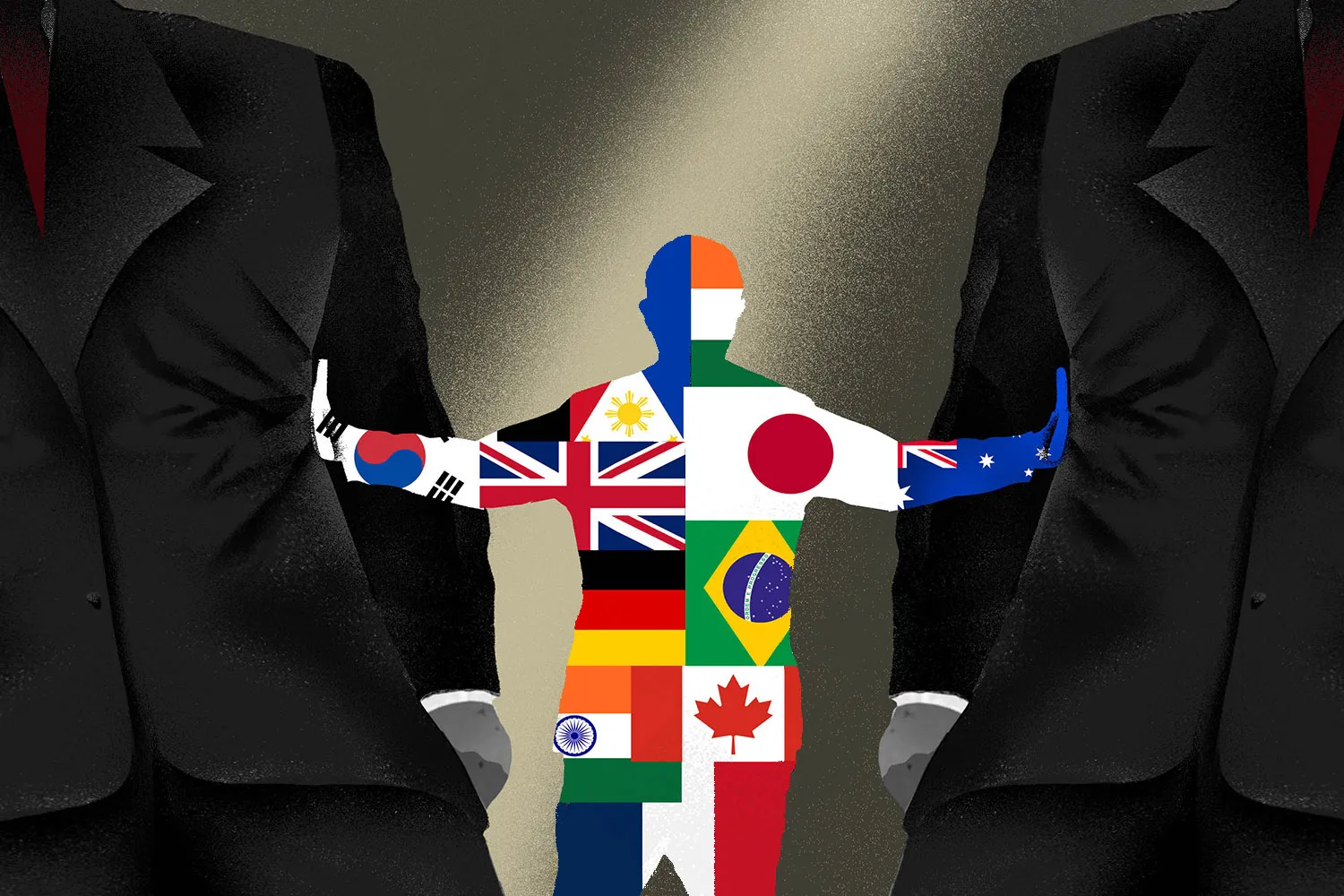
Compared to the interwar and Cold War periods, today’s global economy is much more interdependent. Decades of liberalisation have given rise to complex global value chains. Connector countries — those that do not obviously side with either the United States or China — help prevent the extremely costly economic bifurcation that could otherwise occur under such intense geopolitical pressure. The United States and China have reduced their bilateral trade but reducing their interdependence is, thankfully, a much tougher ask.