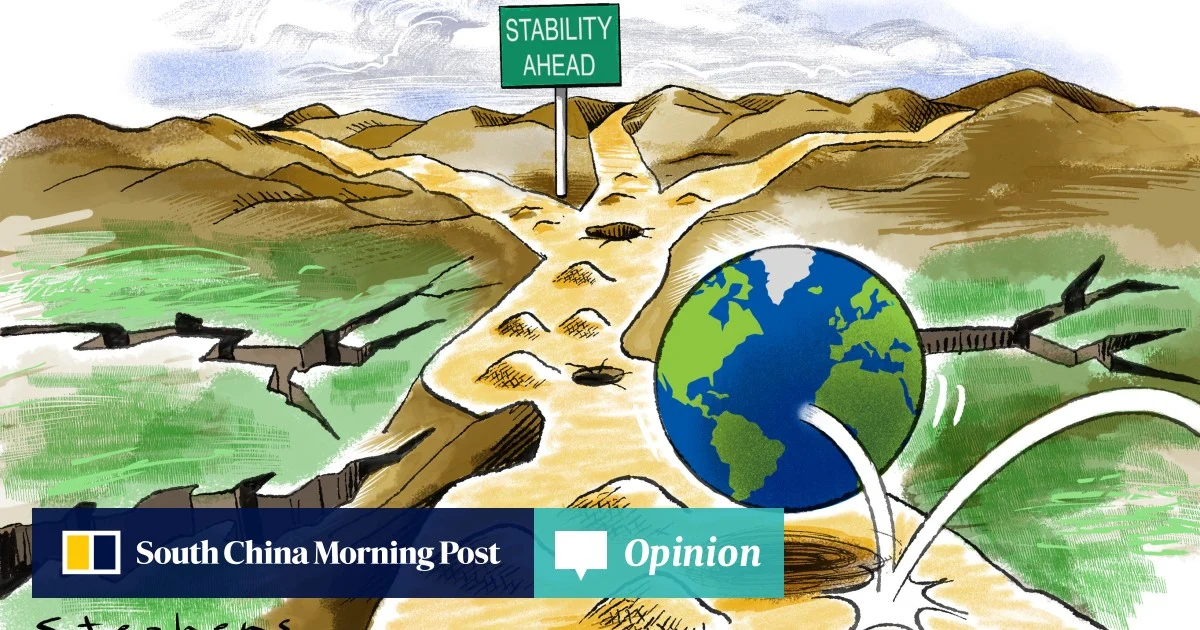
The age of disruption and great power geopolitics has arrived. Singapore’s Foreign Minister has called the traditional underwriter of rules-based globalisation a ‘revisionist power’ — a term once reserved for Russia and China. Wars have broken out in Ukraine, the Middle East and Iran. Securitisation of trade and technology is threatening economic integration. Artificial intelligence (AI) and the green-tech revolutions are upending economic relations.
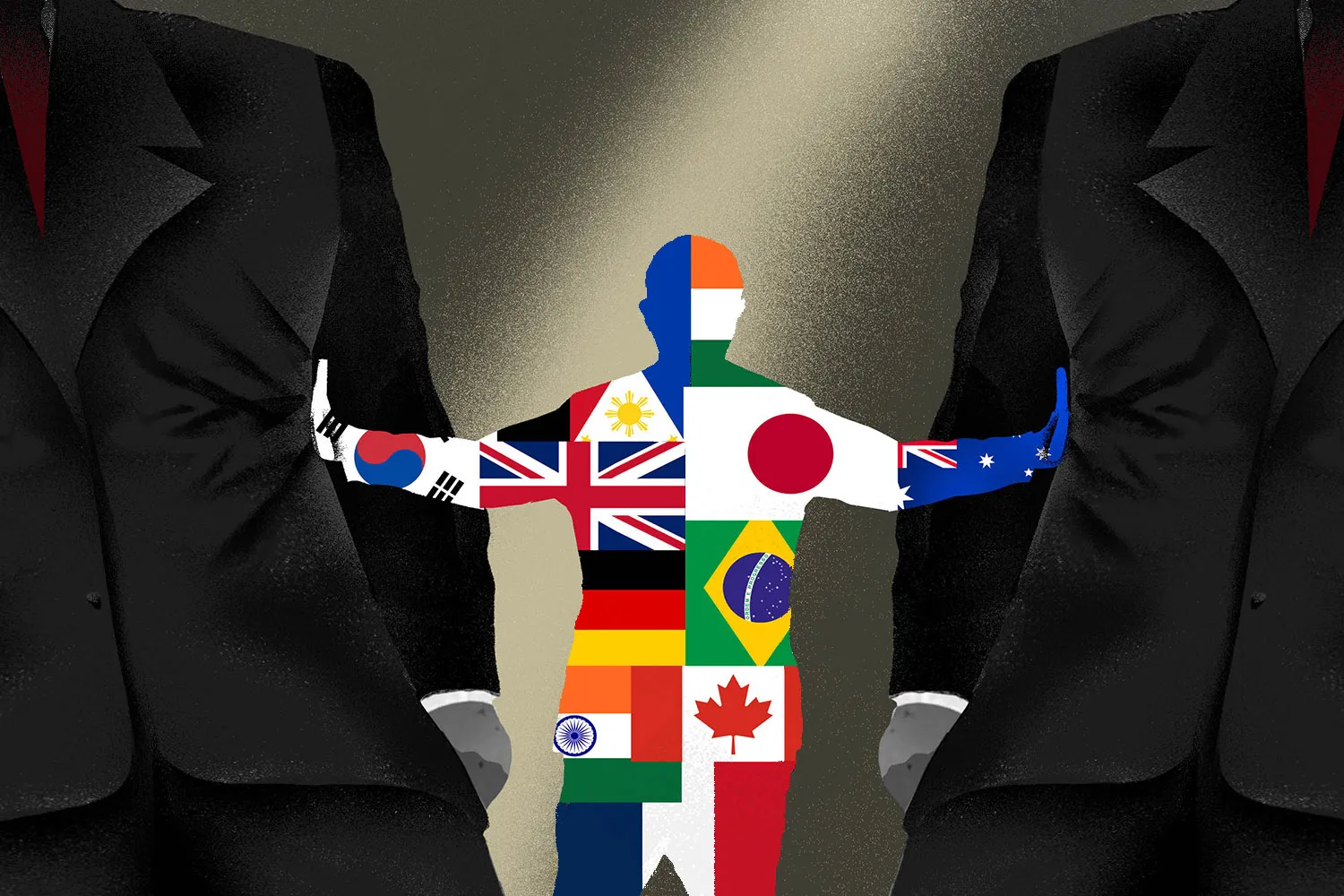
In principle, this is bad news for middle powers. Yet the power transition and erosion of institutions and norms also signal opportunity. Unipolarity, hierarchy and strict bipolarity are behind us. The combination of uncertainty and multipolarity opens up an exceptional arbitrage gap for smart middle powers.
The two great powers — plus Russia — often neutralise each other and follow competitive scripts that limit their ability to provide public goods during the transition.
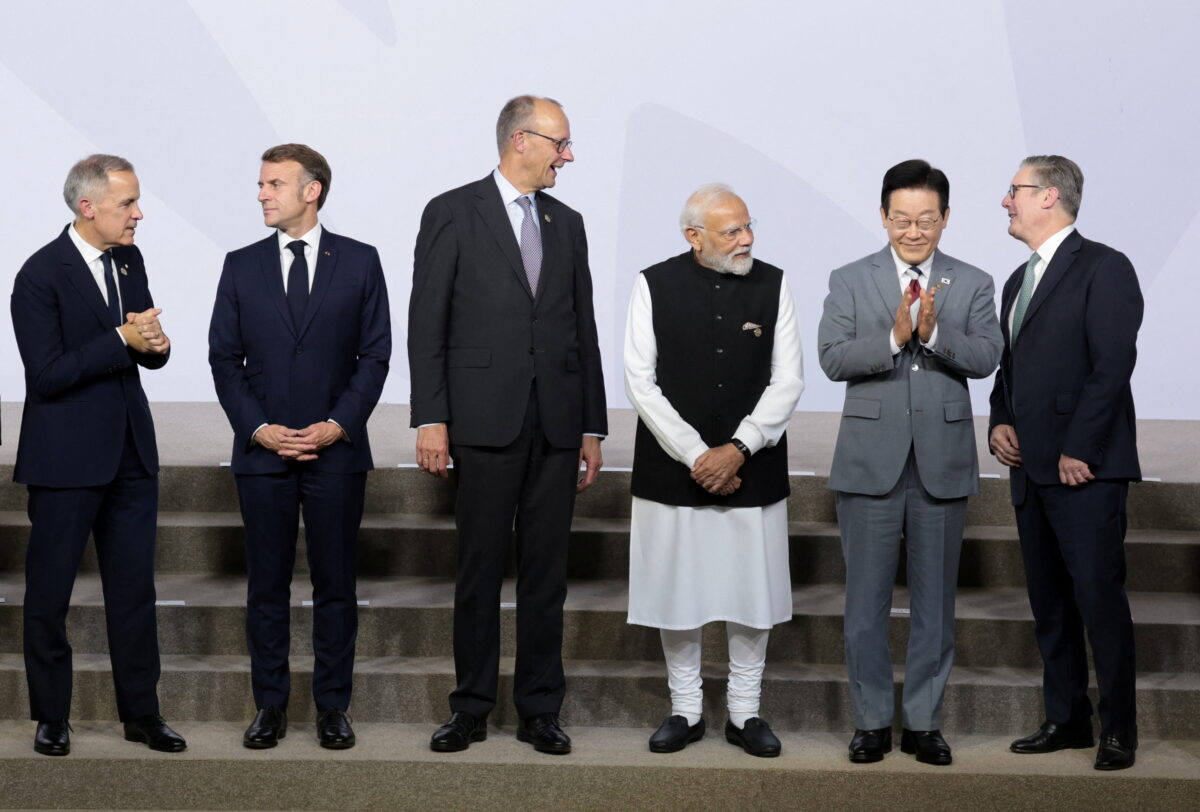
Old patterns from the mid-1990s and early 2000s where middle powers in the Global North — the European Union, Japan, Canada and Australia — could fill that gap are insufficient. These countries are now greatly constrained by security dependence on the United States. Rising middle powers in the Global South, including India, Indonesia, Vietnam, ASEAN as a whole, the Gulf countries and Brazil, are crucial actors in new forms of middle power-led public goods provision.