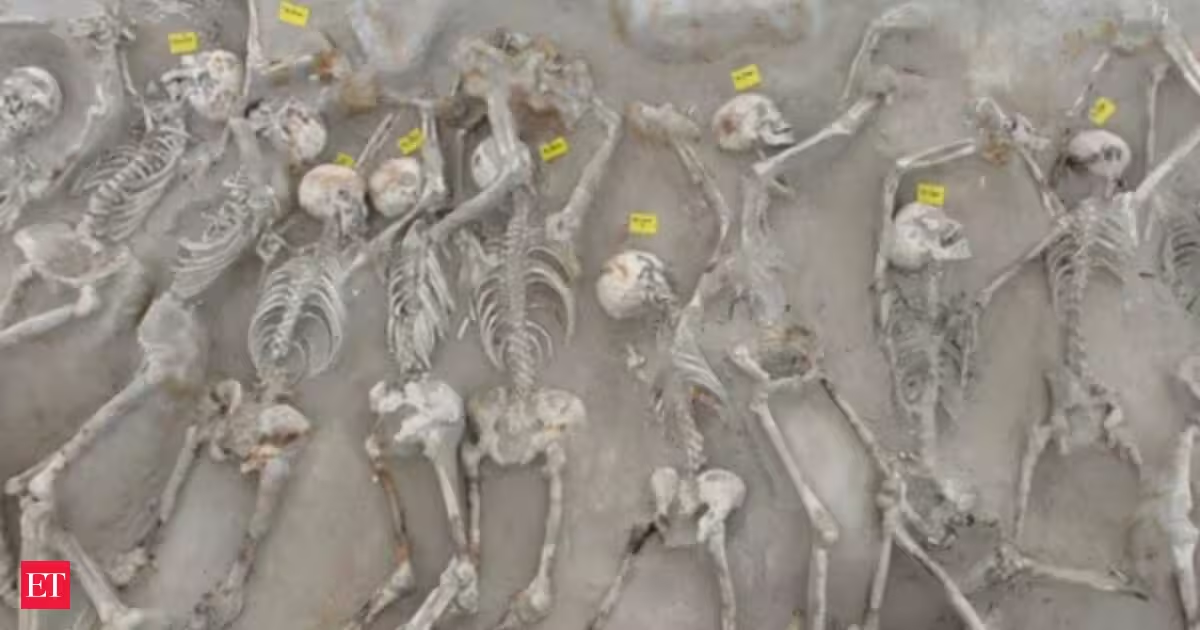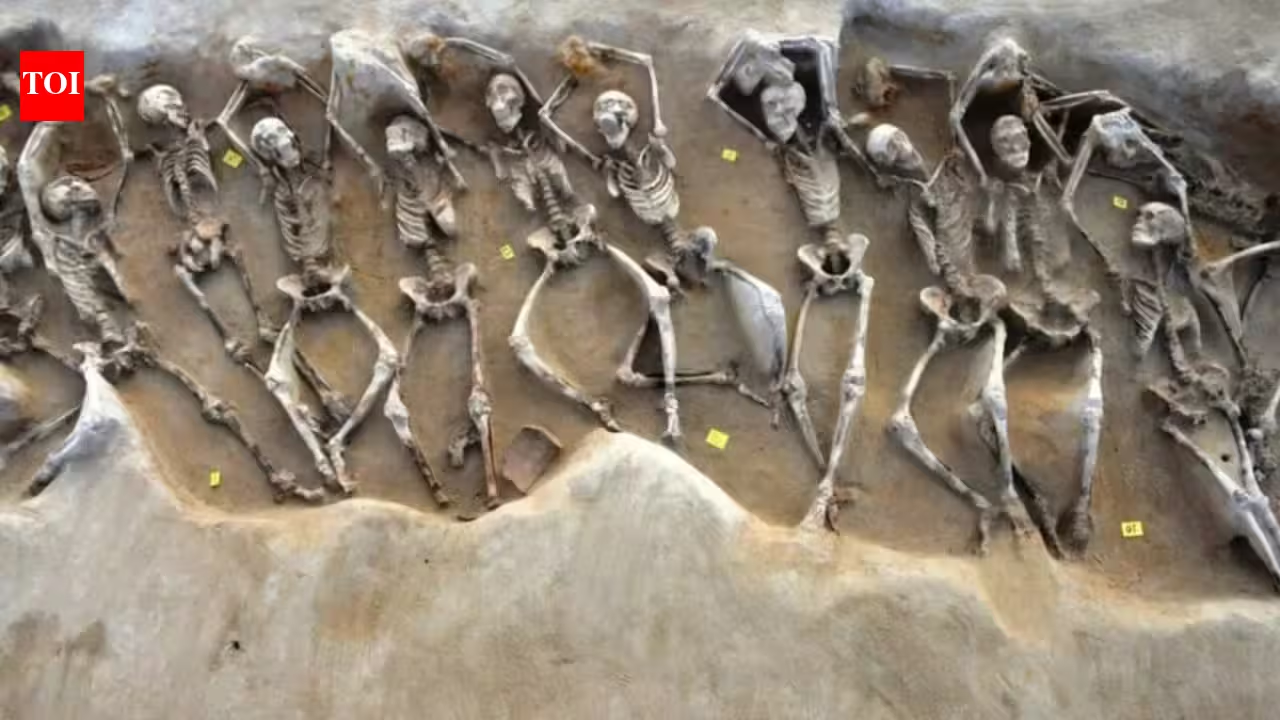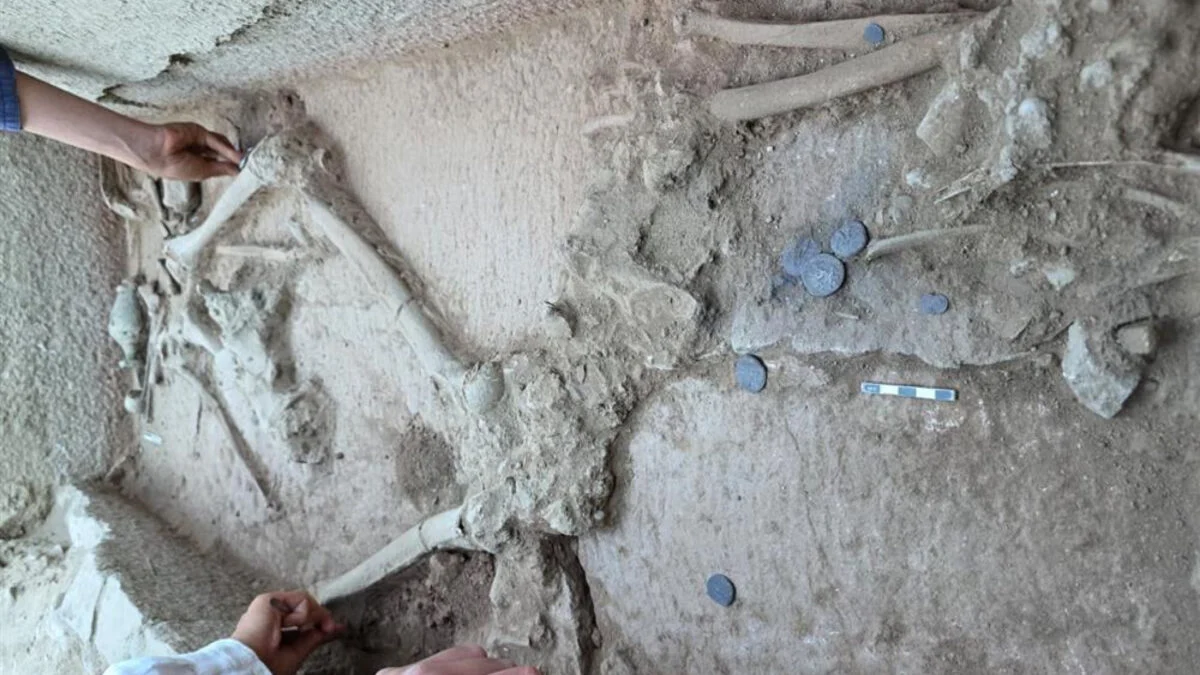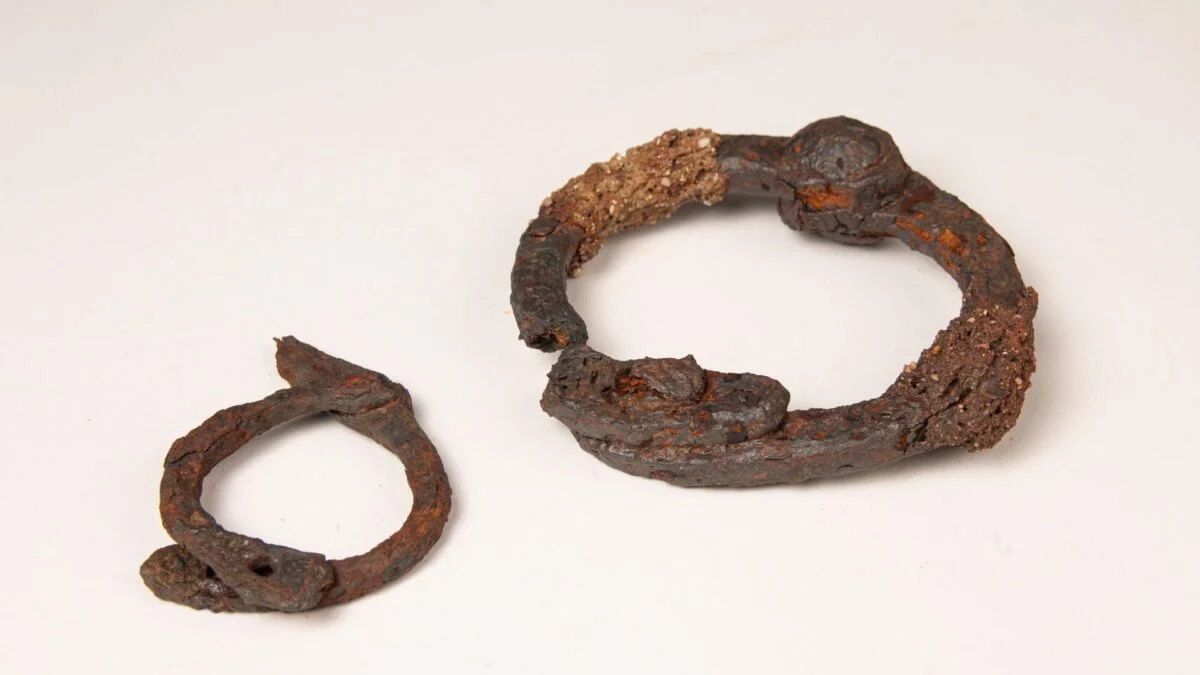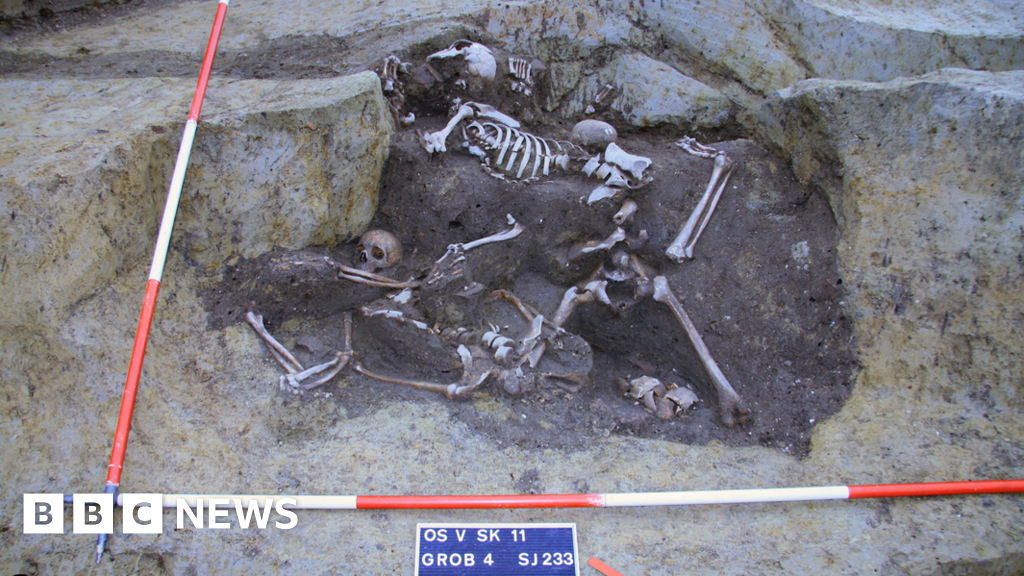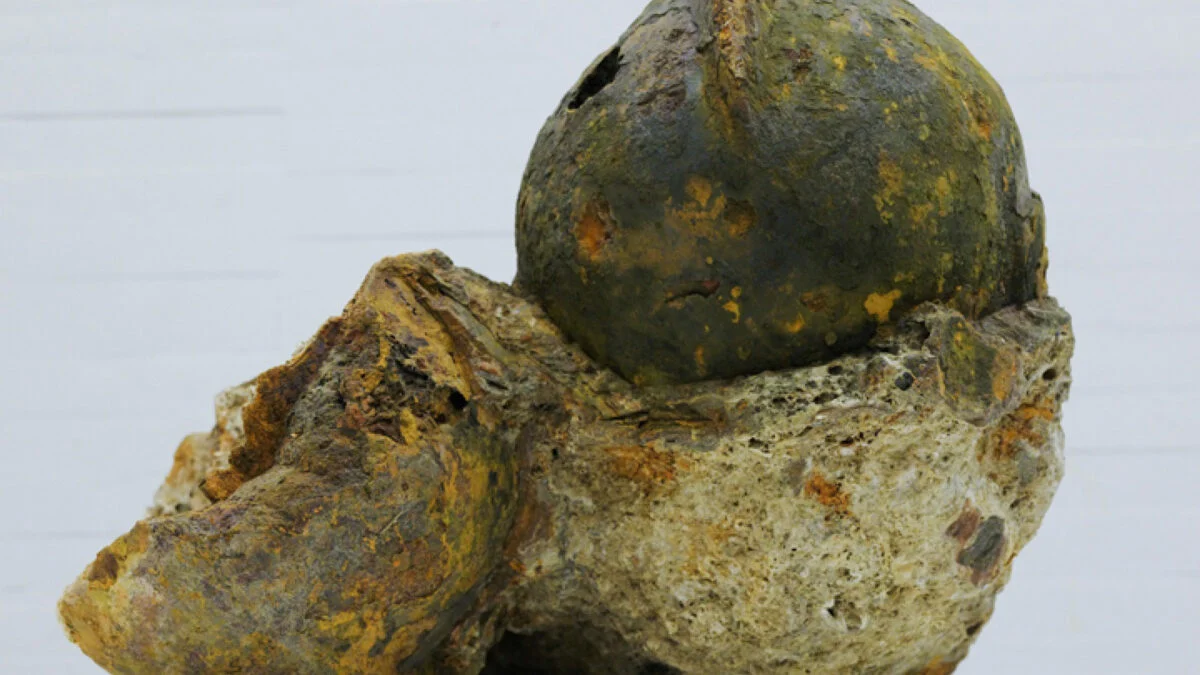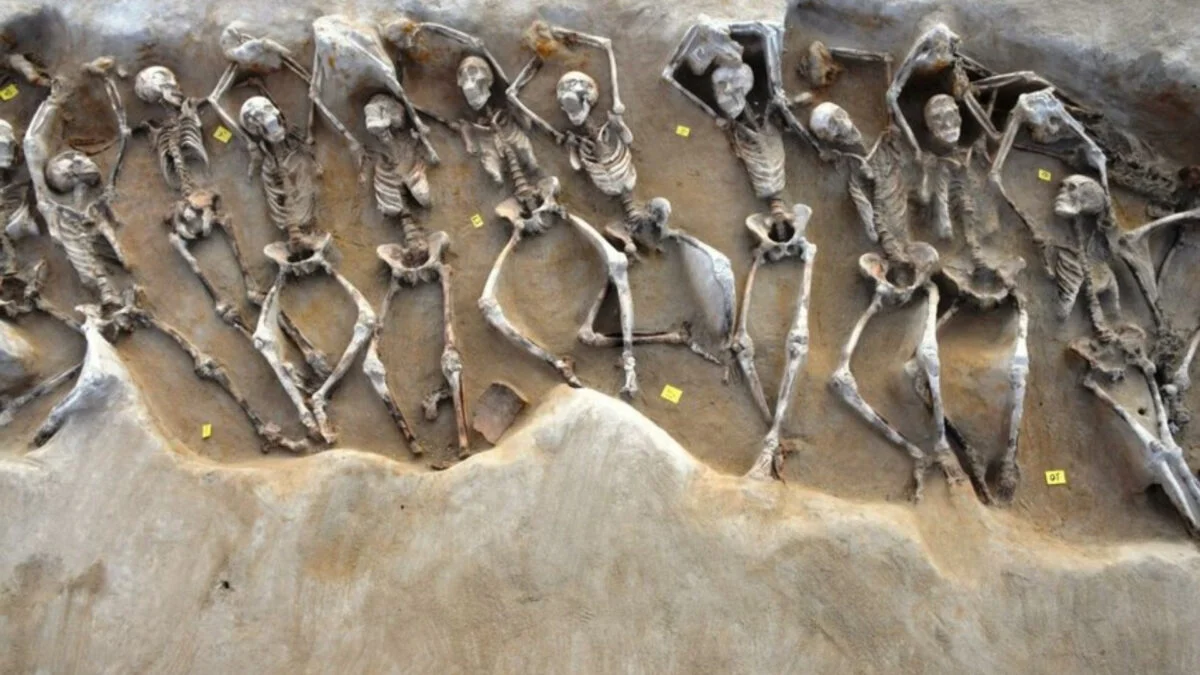
In 2016, archaeologists in Athens uncovered an Ancient Greek mass grave full of men buried in a heartbreakingly vulnerable position: with their wrists shackled and raised over their heads. We now have a better sense of who they were. Researchers conducted isotopic analyses on 66 men from the so-called Esplanada grave, which dates back to the Archaic Period (~700 to 460 BCE), and discovered something surprising—most were from the surrounding region of Attica. In other words, they were locals, according to a study published last month in the Journal of Archaeological Science. The findings shed light on the identities of the victims but also hold broader implications for our understanding of the political and societal dynamics taking place in Athens right before ancient Greece’s famous Classical Period (479-323 BCE). Local or foreign victims? All the major themes related to the Classical Period—such as, most famously, democracy—actually develop out of the Archaic Period. “That’s the first time democracy takes place in Athens,” Julianne Stamer, a bioarchaeologist at Arizona State University and lead author of the study, told Gizmodo. But not everyone agreed with this form of rule, and archaic Athens saw intense disagreement over whether the future city-state should be presided over by an aristocratic tyrant or the public. Still, when the Esplanada grave came to light with its 79 men arranged in three parallel rows, researchers weren’t sure what to make of it. Were they victims of these domestic conflicts? Or perhaps defeated foreign invaders? To settle the matter, Stamer and her colleagues turned to radiogenic strontium analysis.
Archaeologists Thought a Mass Grave of 79 Shackled Men Held Foreign Invaders. They Were Wrong
The 2,600-year-old burial dates back to a time period when Athens was grappling with the beginnings of its democracy.
688 words~3 min read